


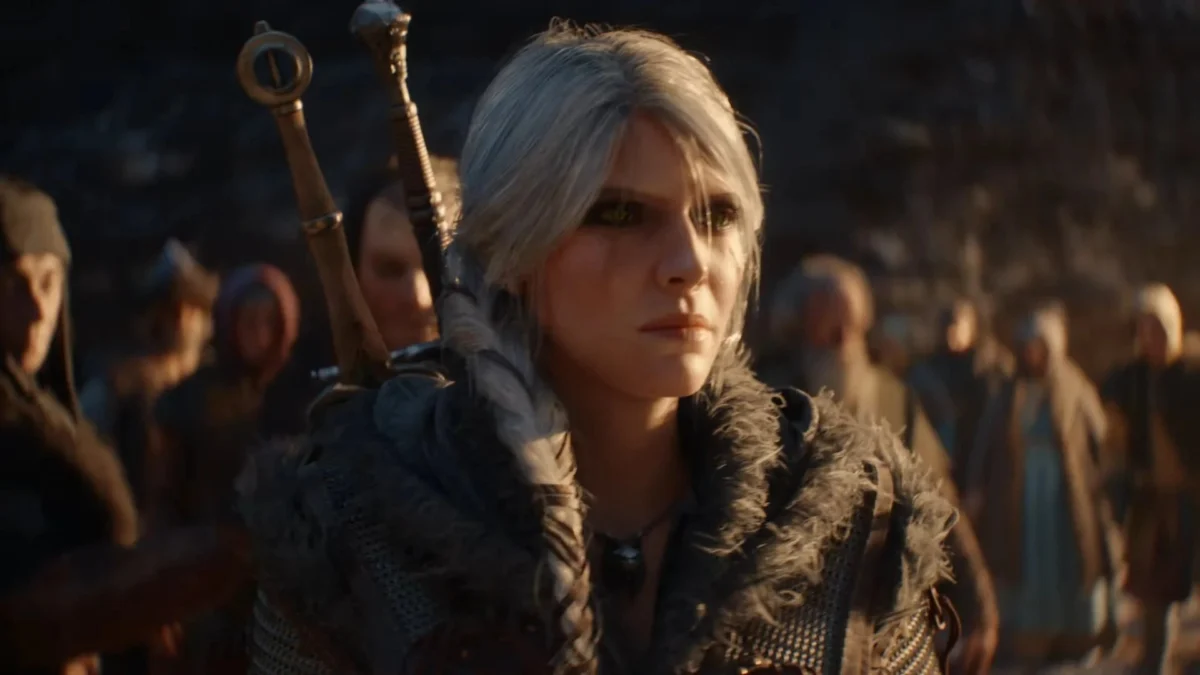
CD Projekt Red has officially established a 2028 launch window for the next installment in its flagship fantasy series, colloquially known as The Witcher 4. The announcement, delivered as part of a comprehensive update ahead of Gamescom 2026, marks the first time the studio has provided a concrete timeline for the project since its initial unveiling. While the title will not be physically present on the show floor in Cologne, Germany, the development team has emphasized that the multi-year wait will be justified by the scale and technological ambition of the project. This timeline suggests that the game will likely serve as a tentpole release for the next generation of console hardware, potentially coinciding with the arrival of a successor to the Xbox Series X|S.
Strategic Roadmap and Project Polaris
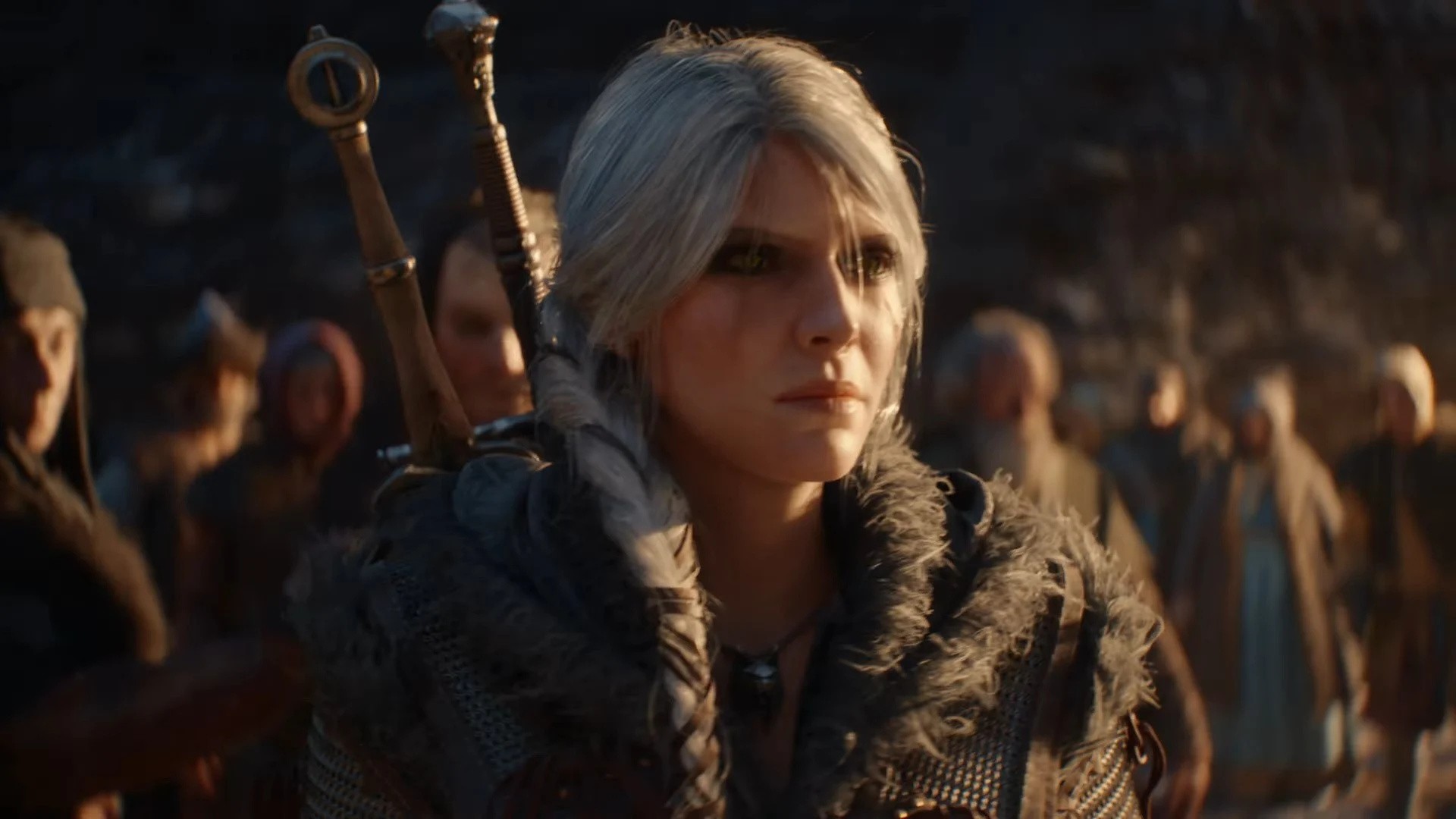
The Witcher 4, currently developed under the internal codename "Project Polaris," represents a pivotal shift for CD Projekt Red. It serves as the opening chapter of a new AAA RPG trilogy, intended to expand the lore established in the original games while introducing a fresh narrative perspective. The transition from the studio’s proprietary REDengine to Epic Games’ Unreal Engine 5 is central to this development cycle. This move is intended to streamline production and leverage advanced features such as Lumen and Nanite, which are expected to redefine visual fidelity in open-world environments.
According to recent financial reports and developer updates, the team dedicated to Project Polaris has swelled to over 400 developers, making it the largest production force currently active at the studio. This mobilization follows the successful conclusion of support for Cyberpunk 2077 and its expansion, Phantom Liberty. The 2028 release window indicates a development cycle of roughly six to seven years from the initial pre-production phases, a timeframe that has become standard for high-fidelity, large-scale role-playing games in the current industry climate.
The Continued Longevity of The Witcher 3: Wild Hunt
While the fourth entry remains several years away, the franchise continues to maintain a significant market presence through its predecessor. CD Projekt Red confirmed that The Witcher 3: Wild Hunt – Songs of the Past, a major new expansion, will be a focal point of Gamescom 2026. Scheduled for a 2027 release, this expansion arrives more than twelve years after the original game’s launch in 2015.
The decision to return to a decade-old title for a full-scale expansion is a rare move in the gaming industry. It reflects the enduring popularity of The Witcher 3, which has sold over 50 million copies globally as of late 2023. Songs of the Past will be featured during Gamescom Opening Night Live, hosted by Geoff Keighley, where gameplay footage is expected to be revealed. The studio has also scheduled a series of "REDStreams"—live-broadcasted technical deep dives—to showcase the expansion’s new mechanics, narrative threads, and visual enhancements designed for modern hardware.
Chronology of The Witcher Franchise Development
To understand the context of the 2028 release window, it is necessary to examine the historical trajectory of the series and the studio’s evolving development philosophy:
- 2007: The Witcher launches, establishing CD Projekt Red as a major European developer.
- 2011: The Witcher 2: Assassins of Kings introduces the REDengine, focusing on choice-driven narrative.
- 2015: The Witcher 3: Wild Hunt is released to critical acclaim, eventually becoming one of the most awarded RPGs in history.
- 2016: Blood and Wine, the final planned expansion for The Witcher 3, concludes Geralt of Rivia’s story.
- 2022: CD Projekt Red announces a multi-year strategic partnership with Epic Games and confirms the development of a new Witcher trilogy.
- 2022 (December): The Witcher 3 receives a "Next-Gen" update, adding ray tracing and integrated community mods.
- 2024: Full-scale production begins on Project Polaris after the majority of the Cyberpunk 2077 team transitions to the project.
- 2026 (June): The studio confirms the 2028 release window for The Witcher 4 and the 2027 release window for the Songs of the Past expansion.
Technical Analysis and Hardware Implications
The confirmation of a 2028 release window has significant implications for the hardware landscape. Industry analysts have long speculated that the mid-to-late 2020s will see the introduction of the tenth generation of gaming consoles. Given the high hardware requirements typically associated with Unreal Engine 5 projects of this scale, The Witcher 4 is widely expected to be a cross-generational title at minimum, or more likely, a native next-generation experience.
For the Xbox ecosystem, this aligns with leaked internal documents suggesting a new hardware refresh or a successor console targeting a similar window. By the time The Witcher 4 launches, the current Xbox Series X will be eight years old, reaching the end of the traditional console lifecycle. CD Projekt Red’s commitment to "worth the wait" technology suggests they are targeting performance metrics that may exceed the capabilities of 2020-era hardware, focusing on advanced AI routines for NPCs, seamless world loading, and unprecedented geometric density.
Official Responses and Developer Sentiment
During the Gamescom update, the Witcher team emphasized a commitment to quality over speed, a sentiment likely influenced by the technical challenges faced during the 2020 launch of Cyberpunk 2077. The studio has since overhauled its internal development pipelines, moving toward an "agile" framework that allows for parallel work on multiple AAA projects.
"We understand the anticipation surrounding the next chapter of The Witcher," the team stated during the briefing. "Our goal with Polaris is not just to continue the story, but to push the boundaries of what an open-world RPG can achieve. The 2028 window allows us the necessary time to ensure the game meets the high standards our players expect and that we set for ourselves."
Regarding the 2027 expansion for The Witcher 3, developers noted that Songs of the Past is a "love letter" to the community that has kept the game relevant for over a decade. By releasing a major expansion a year prior to the next mainline entry, the studio maintains brand momentum and provides a bridge for fans waiting for the next generation of the franchise.

Market Context and Broader Impact
The announcement of a 2028 release window provides much-needed clarity for investors and consumers alike. CD Projekt SA (CDR) stock has historically been sensitive to project timelines and development milestones. By setting a long-term target, the company is managing expectations and signaling a stable, well-resourced development cycle.
Furthermore, the "Witcher" IP has expanded far beyond video games, encompassing a Netflix series, animated films, and a growing line of merchandise and tabletop games. The 2028 release of The Witcher 4 will likely serve as the centerpiece of a broader transmedia push. The "Polaris" trilogy is expected to be a major driver of the company’s revenue for the next decade, much as The Witcher 3 was for the previous one.
The presence of Songs of the Past at Gamescom 2026 serves as a strategic placeholder. It ensures that the franchise remains part of the global gaming conversation during a year when The Witcher 4 is still in deep production. The expansion also allows the studio to test certain narrative or design ideas on a smaller scale before they are fully realized in the Unreal Engine 5 environment of the sequel.
Conclusion and Future Outlook
As Gamescom 2026 progresses, the industry’s focus remains on the dual-track strategy employed by CD Projekt Red. By supporting an established masterpiece like The Witcher 3 with new content in 2027 while simultaneously building a 2028 powerhouse in The Witcher 4, the studio is attempting to balance legacy and innovation.
The 2028 release window sets a clear horizon for the RPG genre. It places The Witcher 4 in direct competition with other anticipated heavyweights of the late 2020s, potentially defining the early years of the next console generation. While the absence of a gameplay reveal for the new title may disappoint some, the transparency regarding the timeline provides a realistic framework for one of the most anticipated projects in interactive entertainment. For now, the spotlight shifts to the "Songs of the Past" expansion, which promises to provide a significant narrative addition to the Continent before the franchise moves into its next era.