


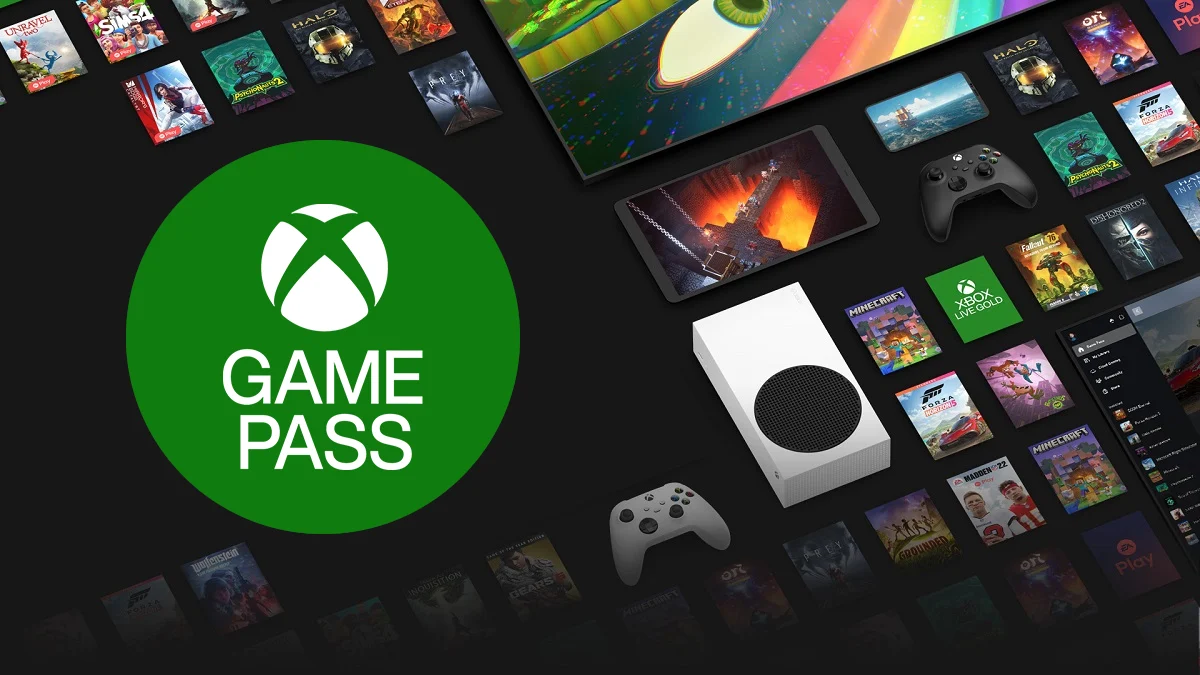
While rival platforms PlayStation and Nintendo garnered significant accolades for their exclusive game releases in 2023, a recent analysis by TrueAchievements suggests that Xbox Game Pass subscribers may have been the true beneficiaries in terms of financial savings, with the total value of new titles added to the service reaching an estimated $9,000 over the year. This substantial figure underscores Game Pass’s aggressive strategy to deliver unparalleled value, fundamentally reshaping how consumers access and experience video games.
The Unprecedented Value Proposition of 2023
The calculation by TrueAchievements meticulously tracked the individual retail price of every new game introduced to Xbox Game Pass across its various tiers throughout 2023. This cumulative sum, approaching an astonishing $9,000, highlights the sheer volume and caliber of content made available to subscribers for a fixed monthly fee. This valuation transcends mere access to a back catalog, crucially factoring in day-one releases of major titles that would typically command a full retail price of $60 or $70 upon launch. For a service whose flagship tier, Xbox Game Pass Ultimate, is priced at $16.99 per month, the economic benefit to an active subscriber is profound, offering access to a library that would be prohibitively expensive to purchase individually.
This strategic emphasis on value was particularly evident with the inclusion of tentpole releases such as Bethesda Game Studios’ epic space RPG, Starfield, which debuted directly on Game Pass. As one of the most anticipated titles of the year, Starfield‘s day-one availability was a significant draw, eliminating the need for subscribers to purchase the game separately. Similarly, Tango Gameworks’ critically acclaimed rhythm-action title, Hi-Fi Rush, launched as a surprise day-one Game Pass offering, immediately cementing its place as a standout release and demonstrating Microsoft’s commitment to supporting diverse and innovative titles within the subscription model.
Beyond these high-profile first-party inclusions, Game Pass also became home to a diverse array of major third-party games and celebrated independent productions. Subscribers gained access to titles like the revered JRPG remasters Persona 3 Portable and Persona 4 Golden, expanding the service’s appeal to fans of classic role-playing. Other notable additions included the atmospheric horror remake Dead Space, the narrative-driven action of Like a Dragon Gaiden: The Man Who Erased His Name, and highly anticipated indie darlings such as Cocoon and Sea of Stars. Critically acclaimed titles like Lies of P, a challenging soulslike, and Persona 5 Tactica, a tactical RPG spin-off, further diversified the library, ensuring a broad appeal across various genres and player preferences.
A Chronology of Game Pass’s Evolution and 2023 Milestones
Xbox Game Pass first launched in June 2017 for Xbox consoles, initially offering a curated selection of older titles. Its vision was clear: to create a "Netflix for games," providing unlimited access to a growing library for a monthly subscription. The service quickly expanded, introducing Xbox Game Pass for PC in June 2019 and later consolidating both console and PC access, alongside Xbox Live Gold and cloud gaming, into the premium Xbox Game Pass Ultimate tier. This evolution marked a strategic pivot for Microsoft, moving beyond traditional console sales to embrace a broader ecosystem model centered on content access.
The year 2023 represented a pivotal period for Game Pass, characterized by both significant content additions and strategic adjustments. The consistent cadence of day-one releases, particularly for major first-party titles, underscored Microsoft’s long-term investment in the service. Starfield and Hi-Fi Rush served as powerful examples, demonstrating the company’s willingness to leverage its internal studios to bolster the subscription offering directly. The inclusion of numerous third-party titles, often through multi-year agreements, also highlighted Game Pass’s growing influence within the broader gaming industry, offering developers a new avenue for reach and revenue.
However, 2023 also saw Microsoft implement price adjustments for Xbox Series X consoles and Xbox Game Pass subscriptions in select markets. In July 2023, the price of Xbox Game Pass Ultimate increased from $14.99 to $16.99 per month in the United States, with corresponding increases in other regions and for the standard Console Game Pass tier. This adjustment, the first major price hike since the service’s inception, was attributed by Microsoft to broader market conditions and the rising costs of content creation. Despite these increases, the TrueAchievements analysis indicates that the perceived value delivered to consumers continued to outpace the adjusted subscription costs, suggesting that the service’s core value proposition remained intact.
Strategic Imperatives and Industry Implications
The $9,000 valuation for 2023 is not merely an interesting statistic; it represents a tangible outcome of Microsoft’s overarching strategy for the Xbox ecosystem. Game Pass is central to this strategy, designed to attract and retain subscribers by removing the high upfront cost barrier associated with purchasing individual games. This approach aims to foster a loyal user base that engages more deeply with the Xbox platform, across consoles, PCs, and cloud-enabled devices.
From an industry perspective, Game Pass has been a significant disruptor. It challenges traditional game publishing models, where individual game sales are the primary revenue driver. By offering day-one access to new releases, Microsoft encourages experimentation and broadens player exposure to a wider range of titles, including smaller independent games that might otherwise struggle to find an audience. This model potentially provides a more stable revenue stream for developers through subscription payouts, alongside traditional sales, and can act as a powerful marketing tool for new intellectual properties.
The success of Game Pass also intensified competition in the subscription gaming market. While PlayStation Plus offers its own tiers with game catalogs and classic titles, its strategy differs significantly in its approach to day-one releases for major new exclusives. This divergence highlights a key battleground in the ongoing console wars, where value, accessibility, and exclusive content are paramount. Nintendo, with its Switch Online service, focuses more on online multiplayer, cloud saves, and a library of retro games, occupying a distinct niche.
Analyst and Community Reactions
Industry analysts have largely viewed Game Pass as a bold and innovative move, albeit one with significant investment requirements. Many see it as a necessary evolution for Microsoft to compete effectively in a rapidly changing entertainment landscape. Reports from financial institutions often cite Game Pass subscriber growth as a key metric for Xbox’s overall performance, indicating its importance beyond hardware sales. While exact, regularly updated subscriber numbers are not always disclosed, Microsoft has reported steady growth, reinforcing the service’s appeal.
Within the gaming community, reactions to Game Pass are largely positive, particularly among those who play a wide variety of games. The ability to sample new releases without a significant financial commitment is frequently cited as a major benefit. The "Spotify Wrapped-esque" year-in-review feature offered by Xbox, which allows players to visualize their gaming habits and the value they’ve received, further reinforces this perception of value and engagement. Concerns, when they arise, often relate to the "games leaving" aspect of the service, where titles are rotated out of the library, or the potential impact on individual game sales for developers who choose to participate. However, the consistent addition of new, high-quality content tends to outweigh these concerns for most subscribers.
Looking Ahead: The Future of Game Pass in 2024 and Beyond
The momentum built in 2023 is projected to continue into 2024, with a robust pipeline of anticipated titles slated for day-one release on Game Pass. Subscribers can look forward to major releases such as Persona 3 Reload, a highly anticipated remake of the classic RPG, arriving in February. Beyond this, Microsoft’s first-party studios are poised to deliver a suite of exclusive titles, including Obsidian Entertainment’s fantasy RPG Avowed, the cooperative action-adventure Towerborne, and the visually stunning sequel Senua’s Saga: Hellblade 2. These titles, many of which are exclusive to the Xbox ecosystem and PC, are expected to be significant drivers for Game Pass subscriptions throughout the year.
Furthermore, the long-term implications of Microsoft’s acquisition strategy, particularly the landmark acquisition of Activision Blizzard King, are set to profoundly impact Game Pass. While the full integration of Activision Blizzard’s extensive catalog, including franchises like Call of Duty, Warcraft, and Candy Crush, will unfold over time, their eventual arrival on Game Pass holds the potential to dramatically increase the service’s appeal and value proposition. This strategic consolidation of content positions Game Pass as an increasingly indispensable offering in the gaming market.
The continued commitment to cloud gaming (xCloud) also plays a crucial role in Game Pass’s future. The ability to stream games across various devices, including older Xbox One consoles, mobile phones, and PCs, expands the accessibility of the Game Pass library, mitigating hardware limitations for some players and aligning with a broader trend towards device-agnostic gaming. This feature, while still evolving, underscores Microsoft’s vision for gaming as a service accessible anytime, anywhere.
In conclusion, the nearly $9,000 worth of games added to Xbox Game Pass in 2023 is a powerful testament to Microsoft’s unwavering dedication to its subscription model. This aggressive content strategy, coupled with a focus on day-one releases and a diverse library, has not only provided immense value to consumers but has also firmly established Game Pass as a transformative force within the video game industry, setting a new benchmark for what a gaming subscription can offer. As the service continues to evolve and integrate new acquisitions, its influence on how games are consumed and developed is only set to grow.