


A significant shift in strategy has reportedly occurred at Obsidian Entertainment, with sources indicating the acclaimed studio is now actively developing a new installment in the venerable Fallout franchise. This development comes in the wake of substantial layoffs and the cancellation of a planned sequel to their fantasy RPG, Avowed. The news, first reported by Bloomberg’s Jason Schreier, paints a picture of a studio undergoing considerable internal adjustments under the broader umbrella of Microsoft’s Xbox division.
Obsidian’s Strategic Pivot: A New Fallout Emerges
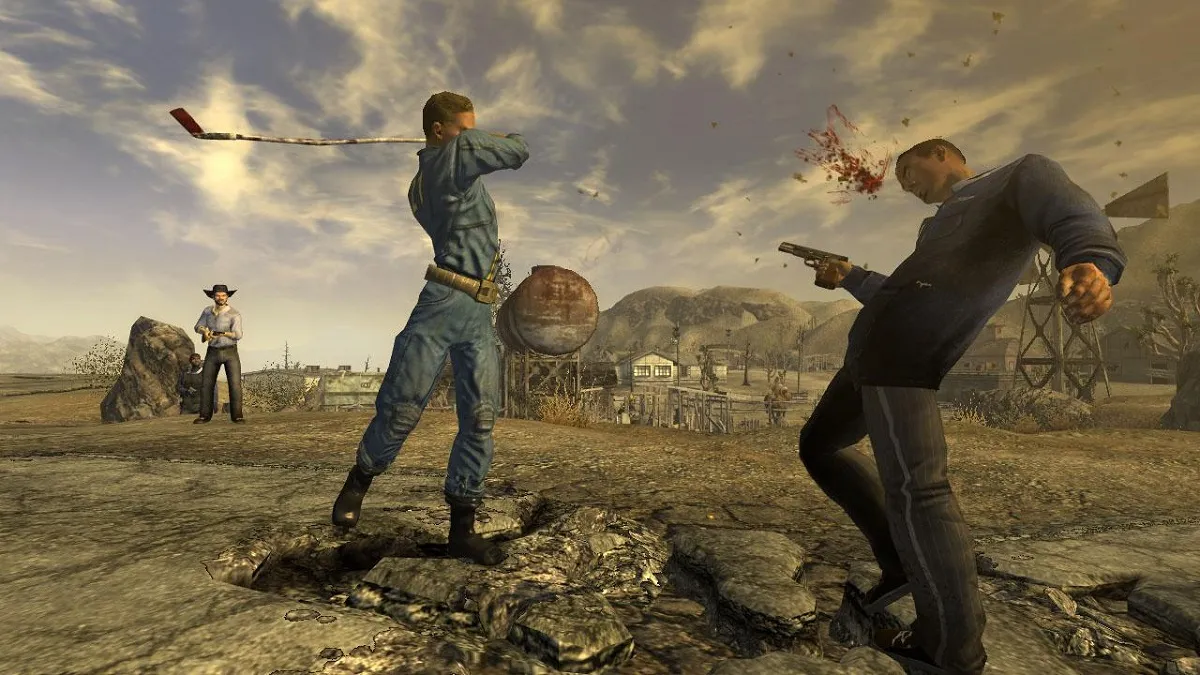
The prospect of a new Fallout game developed by Obsidian Entertainment is likely to ignite considerable enthusiasm among fans of the post-apocalyptic role-playing series. Obsidian’s previous contribution, Fallout: New Vegas, released in 2010, is widely regarded as a high point for the franchise, lauded for its deep player choice, intricate faction dynamics, and engaging narrative. The report suggests that Josh Sawyer, the director of Fallout: New Vegas, is slated to helm this new project, a move that would undoubtedly leverage the studio’s established expertise and beloved legacy within the Fallout universe.
This strategic redirection appears to be a direct response to broader restructuring efforts within Microsoft’s gaming division. In recent weeks, Obsidian Entertainment, along with several other Xbox-owned studios, experienced a wave of job cuts. Reports from Game File News indicated that as many as 52 positions were eliminated at Obsidian. This difficult but seemingly necessary measure is part of a larger initiative within Xbox that is expected to affect over 3,200 employees across various departments over the coming year. The aim of this extensive "reset," as it has been described, is to streamline operations and reallocate resources towards projects deemed to have the highest potential for market success.
The Unforeseen Demise of an Avowed Sequel
Compounding the news of the new Fallout project is the cancellation of a sequel to Avowed, Obsidian’s ambitious fantasy RPG. According to Schreier’s report, this Avowed sequel was reportedly "well into development" and progressing positively, with initial plans for an announcement within the next year. This cancellation signifies a significant pivot, especially considering the investment and development effort that would have already been expended.
Sources familiar with Avowed‘s development indicated that while the sequel has been shelved, a portion of the development team may continue to work on aspects of the project as they await the ramp-up of new assignments, such as the Fallout title. This approach suggests a potential hope for the eventual revival of the Avowed sequel, or at least a strategic holding pattern for valuable talent and intellectual property. The decision to cancel the sequel, particularly when it was described as "going well," underscores the severity of the strategic realignment occurring at Xbox and Obsidian.
A Deep Dive into the Fallout Franchise and Obsidian’s Legacy
The Fallout franchise, created by Interplay Entertainment and later acquired by Bethesda Softworks, has a rich history dating back to 1997. Known for its retro-futuristic aesthetic, dark humor, and extensive exploration of a post-nuclear wasteland, the series has cultivated a dedicated global fanbase. While Bethesda has continued to develop mainline entries such as Fallout 3, Fallout 4, and the online multiplayer Fallout 76, the perceived pace of new single-player Fallout experiences has been a point of discussion among enthusiasts.
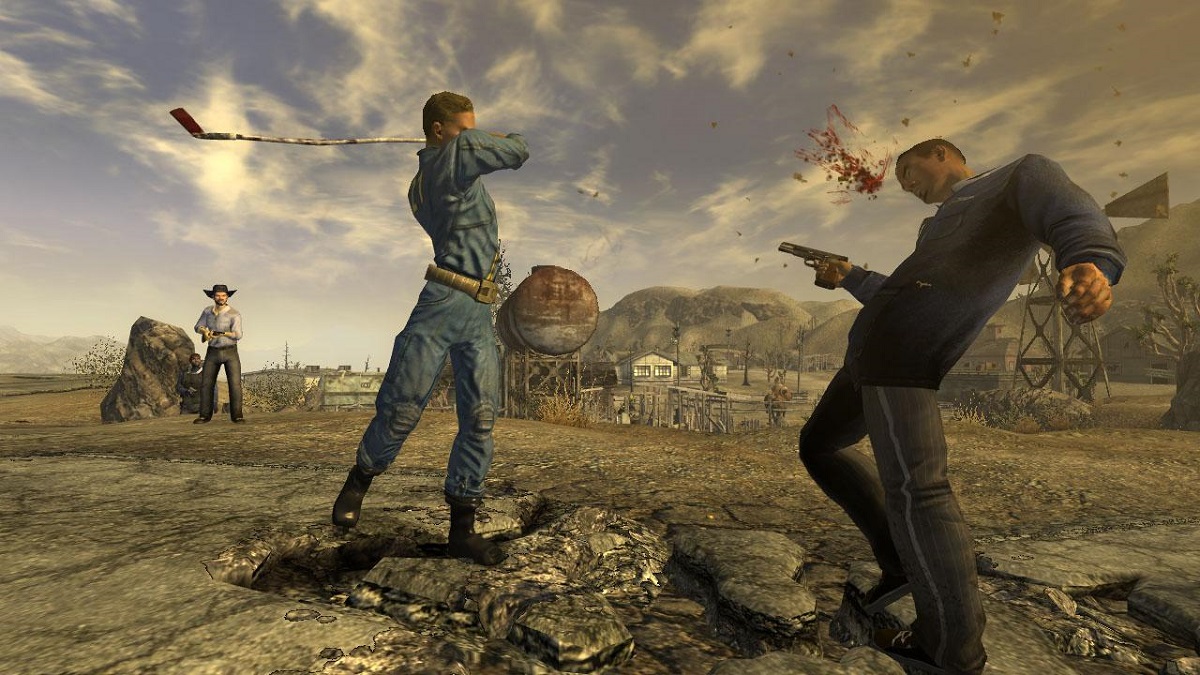
Fallout 4, the most recent mainline single-player entry, was released in 2015. Despite its commercial success, it has been a considerable period since its launch, leaving a notable gap in the franchise’s single-player offerings. The recent surge in popularity of the Fallout IP, significantly boosted by the critically acclaimed Prime Video television series, has amplified the demand for new content. This confluence of factors – the underutilization of the IP, the success of the TV show, and the proven track record of Obsidian with New Vegas – makes the decision to greenlight a new Fallout game at Obsidian a strategically sound one from a commercial perspective.
Obsidian Entertainment, founded in 2003 by former Black Isle Studios employees, has a distinguished history of developing critically acclaimed role-playing games. Beyond Fallout: New Vegas, their portfolio includes titles like Star Wars: Knights of the Old Republic II: The Sith Lords, Alpha Protocol, Pillars of Eternity, and The Outer Worlds. Their expertise in crafting choice-driven narratives, complex character systems, and immersive worlds aligns perfectly with the core tenets of the Fallout experience.
The Broader Impact of Xbox’s Restructuring
The layoffs and project cancellations at Obsidian are symptomatic of a larger strategic reassessment by Microsoft within its Xbox division. The gaming industry is a highly competitive and rapidly evolving landscape, necessitating constant adaptation. The substantial workforce reductions across multiple studios signal a concerted effort to optimize resource allocation, potentially consolidating development efforts, and prioritizing projects that are expected to yield significant returns.
This "reset" could have several implications for the future of Xbox Game Studios:
- Increased Focus on Established IPs: The decision to move Obsidian onto Fallout suggests a greater emphasis on leveraging well-established and commercially proven intellectual properties. This is a common strategy in the entertainment industry to mitigate risk and capitalize on existing brand recognition.
- Potential for Consolidation: The restructuring might lead to a more centralized approach to game development, with studios potentially collaborating more closely or being realigned to specific genres or franchises.
- Talent Redistribution: While layoffs are devastating for those affected, the reallocation of experienced developers to high-profile projects like a new Fallout game could lead to a high-quality final product. However, the long-term impact on studio culture and morale remains a critical consideration.
- Future of Avowed: The fate of the Avowed sequel remains uncertain. While some employees may continue to work on it in a limited capacity, its eventual revival would likely depend on the success of other projects and a potential shift in strategic priorities for Obsidian and Xbox.
Analysis of the Strategic Rationale
From a business perspective, the move to prioritize Fallout over a new Avowed sequel, especially when Avowed was reportedly progressing well, can be understood as a calculated risk-reward calculation. Fallout is a globally recognized brand with a massive existing player base and a strong cultural presence, further amplified by its successful television adaptation. The marketability and commercial potential of a new Fallout title are, arguably, more readily quantifiable than that of a new intellectual property like Avowed, even one with promising early development.
The cancellation of the Avowed sequel, while undoubtedly a blow to the developers involved and fans who were anticipating its release, highlights the unforgiving nature of the AAA game development industry. Decisions are often driven by market analysis, projected sales figures, and the overall strategic direction of the parent company. The unfortunate reality is that the development of ambitious new franchises often carries higher financial risks compared to continuing beloved, established series.
The hope now is that this difficult period of restructuring and difficult decisions will ultimately lead to a more focused and successful future for Obsidian Entertainment and the broader Xbox Game Studios portfolio. The prospect of a new Fallout game developed by a studio with such a strong pedigree in the genre offers a compelling narrative for fans, even as the underlying business decisions cast a shadow over the immediate future for many talented individuals within the industry. The coming years will be crucial in determining the long-term efficacy of this strategic realignment.