


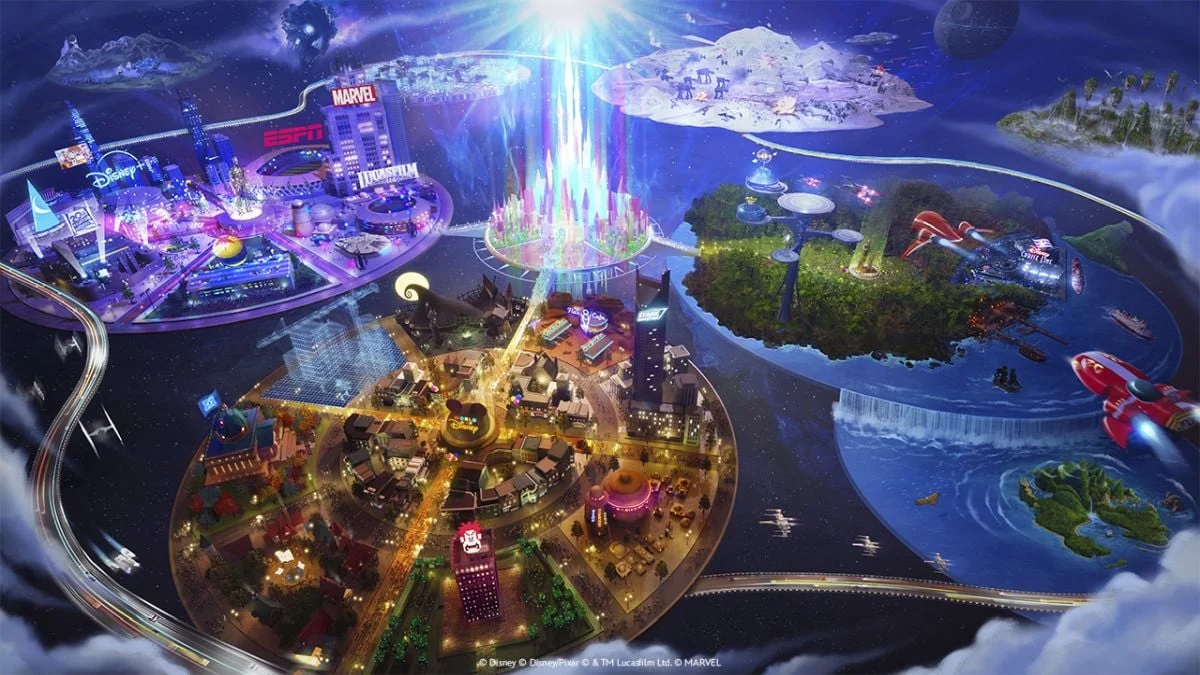
The Walt Disney Corporation has announced a monumental investment of $1.5 billion into Epic Games, signaling a significant strategic pivot towards the burgeoning world of interactive entertainment and the metaverse. This substantial capital injection is earmarked for the development of a "new games and entertainment universe," a multiyear project aimed at creating a persistent, interconnected digital space that will integrate beloved Disney franchises with the expansive reach of Epic’s immensely popular platform, Fortnite.
The ambitious undertaking, detailed in a press release from Disney, envisions a "world-class" gaming experience that will seamlessly interoperate with Fortnite, acting as a central hub where users can "play, watch, shop, and engage" with a vast array of Disney’s iconic intellectual properties. This digital realm is poised to encompass characters and narratives from classic Disney and Pixar animations, the expansive Marvel Cinematic Universe, the galaxy-spanning Star Wars saga, and even the visually stunning world of James Cameron’s Avatar. The entire ecosystem will be powered by Epic Games’ cutting-edge Unreal Engine, a testament to the technological backbone of this collaborative venture. The deal is, however, contingent upon receiving the necessary regulatory approvals before it can be fully finalized.
Disney CEO Bob Iger articulated the significance of this partnership, stating in the release, "Our exciting new relationship with Epic Games will bring together Disney’s beloved brands and franchises with the hugely popular Fortnite in a transformational new games and entertainment universe. This marks Disney’s biggest entry ever into the world of games and offers significant opportunities for growth and expansion. We can’t wait for fans to experience the Disney stories and worlds they love in groundbreaking new ways." This statement underscores Disney’s clear intent to leverage its unparalleled storytelling legacy within a dynamic, digital frontier.
A Deepening Relationship and Expanding Horizons
This investment does not represent the first foray of Disney into the interactive landscape with Epic Games or even Fortnite. Over the past several years, Fortnite has become a significant cultural touchstone, frequently incorporating elements from Disney’s vast intellectual property portfolio. Marvel and Star Wars-themed skins, weaponry, and limited-time events have been regular features within Fortnite, demonstrating a successful initial synergy between the two entities. These collaborations have provided a glimpse into the potential of merging these popular universes, generating considerable excitement among fans.
Disney’s own commitment to expanding its video game presence has been increasingly evident. Titles such as Disney Dreamlight Valley, a life-simulation game that has garnered significant player engagement, and Disney Illusion Island, a charming 2D platformer, showcase the company’s willingness to explore diverse gaming genres. Furthermore, successful titles like Marvel Snap, a popular digital collectible card game, and the critically acclaimed Star Wars Jedi: Survivor, developed by Respawn Entertainment, highlight Disney’s strategic approach to capitalizing on its IPs across various gaming platforms. These varied projects suggest a broader strategy to build a robust gaming portfolio that complements its other entertainment ventures.
Epic Games, meanwhile, has been navigating a complex and evolving industry landscape. The company has consistently iterated on its flagship title, Fortnite, which has transcended its origins as a battle royale game to become a multifaceted social and entertainment platform. Recent additions like Fortnite Festival and Rocket Racing indicate Epic’s ongoing efforts to diversify the experiences available within its ecosystem, transforming it into a more comprehensive digital playground.
However, Epic Games has also faced significant challenges. In the past year, the company underwent a substantial workforce reduction, cutting approximately 16% of its employees—around 830 individuals. This move, occurring amidst a broader trend of layoffs across the gaming industry, reflected the economic pressures and strategic recalibrations faced by many tech companies. Additionally, Epic has been embroiled in protracted legal battles with major tech giants like Apple and Google concerning their app store policies. These disputes, particularly the one with Apple that led to Fortnite’s temporary removal from the App Store, underscore Epic’s commitment to fostering an open digital marketplace and its willingness to challenge established industry norms.
A Shared Vision for an Interoperable Future
Tim Sweeney, CEO of Epic Games, expressed his enthusiasm for the expanded collaboration, stating, "Disney was one of the first companies to believe in the potential of bringing their worlds together with ours in Fortnite, and they use Unreal Engine across their portfolio. Now we’re collaborating on something entirely new to build a persistent, open and interoperable ecosystem that will bring together the Disney and Fortnite communities." This statement emphasizes a shared vision for a digital environment that is not only inclusive of Disney’s expansive content but also leverages the foundational principles of openness and interoperability that have been central to Epic’s philosophy.
The integration of Disney’s vast intellectual property into a persistent, interconnected digital world powered by Unreal Engine has profound implications. It suggests a future where entertainment experiences are not confined to linear narratives or isolated games but rather exist as fluid, interactive environments. This could lead to new forms of storytelling, where fans can actively participate in shaping narratives and interacting with characters in unprecedented ways. The "play, watch, shop, and engage" paradigm hints at a comprehensive digital economy within this universe, where virtual goods, exclusive content, and interactive experiences can be bought and sold, creating new revenue streams for both Disney and Epic.
Analyzing the Strategic Implications
The $1.5 billion investment represents a significant commitment from Disney, signaling a strategic imperative to establish a strong foothold in the rapidly evolving digital entertainment space. For years, Disney has been a dominant force in traditional media, but the digital frontier, particularly the metaverse, presents both immense opportunities and significant challenges. This partnership with Epic Games, a leader in interactive entertainment and game development technology, positions Disney to capitalize on these opportunities effectively.
From Epic Games’ perspective, this investment provides the financial resources and strategic alignment to accelerate its vision for a more open and interconnected digital ecosystem. The collaboration will undoubtedly enhance the capabilities of Unreal Engine, driving further innovation in real-time 3D creation. Furthermore, it offers Epic a powerful ally in its ongoing efforts to shape the future of digital platforms and content distribution.
The interoperability aspect of the new universe is particularly noteworthy. By linking this new Disney-centric world with Fortnite, Epic is building a bridge between two massive communities. This could lead to a significant expansion of Fortnite’s user base and an increase in player engagement as users are drawn in by the allure of Disney’s iconic franchises. It also suggests a potential blueprint for future collaborations between major media companies and gaming platforms, fostering a more integrated entertainment landscape.
Potential Impact and Future Trajectory
The long-term implications of this partnership could be far-reaching. It may set a precedent for how traditional media conglomerates approach digital expansion, emphasizing immersive experiences and user participation. The success of this venture could influence the development of other metaverse-like platforms, driving innovation in areas such as virtual reality, augmented reality, and decentralized digital economies.
The "persistent, open, and interoperable ecosystem" envisioned by Sweeney suggests a future where digital identities and assets can transcend individual games and platforms. This aligns with broader trends in the gaming industry towards more connected and user-driven experiences. Disney’s involvement could accelerate the mainstream adoption of these concepts, making them more accessible and appealing to a wider audience.
However, significant challenges remain. Building and maintaining a complex digital universe requires substantial ongoing investment and technological innovation. Ensuring a seamless and engaging user experience across diverse platforms and devices will be critical. Furthermore, navigating the ethical considerations and regulatory landscape of a vast digital world, including issues of data privacy, content moderation, and digital ownership, will be paramount.
The success of this ambitious undertaking will hinge on the ability of Disney and Epic Games to effectively merge their respective strengths – Disney’s unparalleled storytelling and brand recognition with Epic’s technological prowess and community-building expertise. If successful, this partnership could redefine the boundaries of digital entertainment and usher in a new era of interactive storytelling and immersive experiences for millions of fans worldwide. The coming years will undoubtedly reveal the full scope of this transformative collaboration and its impact on the future of entertainment.