


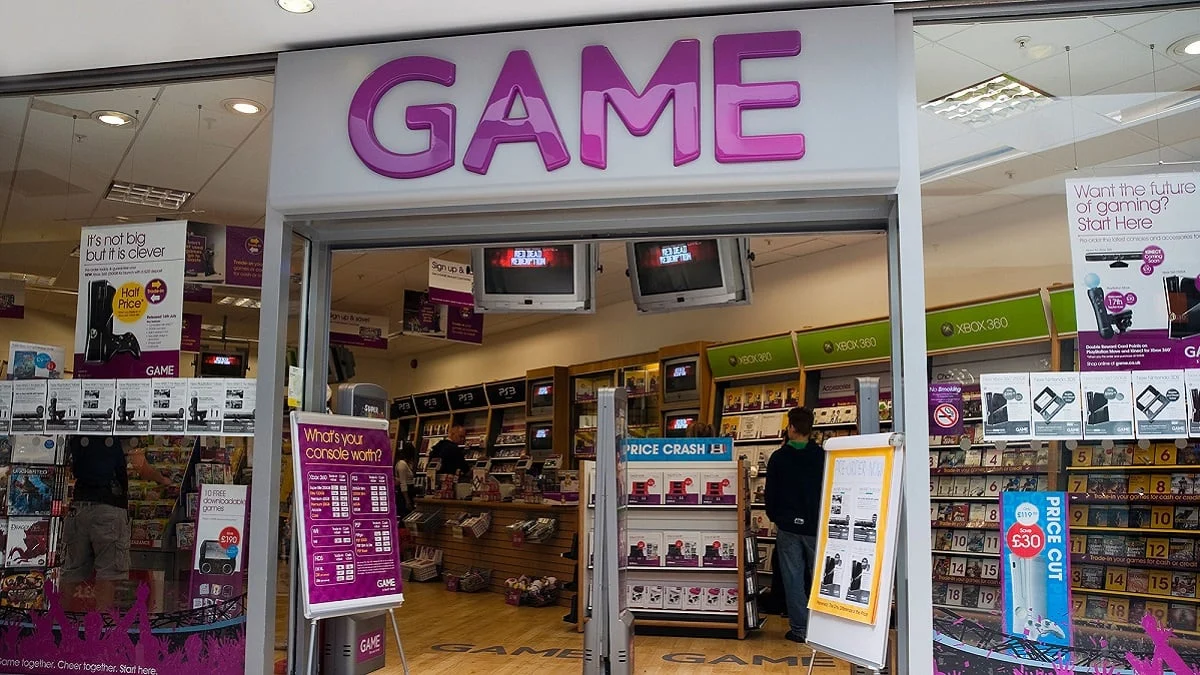
The precarious state of the video game industry has cast a long shadow over its retail sector, with a wave of redundancies and studio closures becoming an unfortunate norm over the past year. Now, the iconic British retail giant GAME is reportedly making its staff aware of impending layoffs, signaling a significant downturn for the long-standing physical game retailer. Anonymous sources within the company have alerted Eurogamer to the imminent possibility of redundancies, a move that, if realized, would further exacerbate the growing anxieties within the sector. At the time of reporting, official confirmation from GAME remains elusive, but indications suggest a substantial portion of the workforce is being transitioned to zero-hours contracts. This contractual shift means employees will no longer be guaranteed a fixed number of working hours each week or month, introducing a significant level of income instability. These changes appear to be primarily affecting non-managerial staff, who have been informed that their employment status will be communicated via phone or email. Eurogamer has reached out to GAME for an official statement regarding these developments.
A Legacy in Transition: The Evolving Landscape of Game Retail
For decades, GAME stood as a veritable cornerstone for gamers across the United Kingdom. Established in 1992, the company grew to encompass over 250 outlets nationwide, providing a tangible hub for enthusiasts to browse, purchase, and discuss their favorite digital pastimes. In its heyday, a visit to a GAME store was a ritual for many, a sensory experience of browsing shelves laden with the latest releases, pre-ordering highly anticipated titles, and engaging with knowledgeable staff. The advent of the internet and the subsequent rise of digital distribution, however, has fundamentally reshaped the retail landscape, presenting significant challenges to traditional brick-and-mortar businesses. This paradigm shift has rendered many physical retailers, including GAME, vulnerable in the contemporary market.
The financial pressures faced by GAME are not a recent phenomenon. In 2019, the company was acquired by Frasers Group, a prominent British retail conglomerate known for its ownership of Sports Direct and other well-known brands. This acquisition marked a significant turning point, suggesting an attempt to integrate GAME into a larger retail ecosystem and potentially leverage synergies across the group. However, the challenges persisted, culminating in an earlier announcement this year that GAME would be discontinuing its popular trade-in service. This service, a long-standing feature of the GAME experience, allowed customers to exchange old games and consoles for credit towards new purchases, acting as both a customer retention tool and a revenue stream. Its cessation underscored the company’s efforts to streamline operations and adapt to changing consumer behaviors and market economics, but it also signaled a further departure from the traditional offerings that defined the brand.
The recent reports of potential layoffs and the shift to zero-hours contracts suggest that these adaptation strategies may not be sufficient to navigate the current economic climate and the ongoing digital transition. For those who have worked within GAME’s physical stores, the prospect of further staff reductions and the precarious nature of zero-hours contracts evokes a sense of finality for an era of retail. The uncertainty surrounding the future of the GAME brand itself, coupled with the immediate impact on its workforce, highlights the profound challenges faced by established retailers in an increasingly digital world.
The Digital Deluge: How Shifting Consumer Habits Impacted Game Retail
The trajectory of the video game industry over the past two decades has been undeniably shaped by the relentless march of digital technology. While physical media once dominated, the convenience and accessibility offered by digital downloads have steadily eroded its market share. This transition has had profound implications for retailers like GAME, whose business model was intrinsically tied to the sale of physical discs and cartridges.
Timeline of Digital Dominance:
- Early 2000s: The emergence of online marketplaces and digital storefronts, such as Steam for PC gaming, began to offer consumers alternative purchasing options. Early console digital stores were also introduced, albeit with limited libraries.
- Late 2000s – Early 2010s: Broadband internet penetration increased significantly, making digital downloads more feasible for larger game files. Console manufacturers like Sony (PlayStation Store) and Microsoft (Xbox Games Store) expanded their digital offerings, introducing subscription services and digital-only titles.
- Mid-2010s onwards: Digital sales began to consistently outpace physical sales. The rise of subscription services like Xbox Game Pass and PlayStation Plus offered access to extensive game libraries for a monthly fee, further incentivizing digital acquisition and reducing the perceived need for individual physical purchases. The introduction of cloud gaming services further blurred the lines between ownership and access.
- Present Day: Digital sales now represent the dominant revenue stream in the video game market. While physical sales still hold a niche, particularly for collectors and for certain blockbuster releases, the overall trend points towards a diminishing reliance on physical retail. According to industry analysis firm Newzoo, digital game revenues are projected to account for over 80% of the global games market by 2024.
This seismic shift has created a challenging environment for physical retailers. They face the dual challenge of declining footfall and sales of physical products, while also needing to compete with the often lower prices and instant gratification offered by digital storefronts. The need for large physical retail spaces, warehousing, and distribution networks for physical goods becomes increasingly burdensome in this landscape.
Financial Realities and Strategic Realignments
The financial performance of GAME in recent years has been a subject of scrutiny, reflecting the broader retail challenges. While specific, up-to-the-minute financial reports from GAME itself are not publicly available in the context of this report, the acquisition by Frasers Group in 2019 was itself a response to the company’s financial difficulties. Frasers Group’s strategy often involves acquiring struggling retail assets and implementing cost-saving measures and operational restructuring.
The decision to cease the trade-in service earlier this year can be viewed as a strategic move to cut costs associated with processing, evaluating, and reselling used games, as well as managing inventory. This service, while popular, likely had declining profit margins in the face of digital competition and the increasing value placed on new releases.
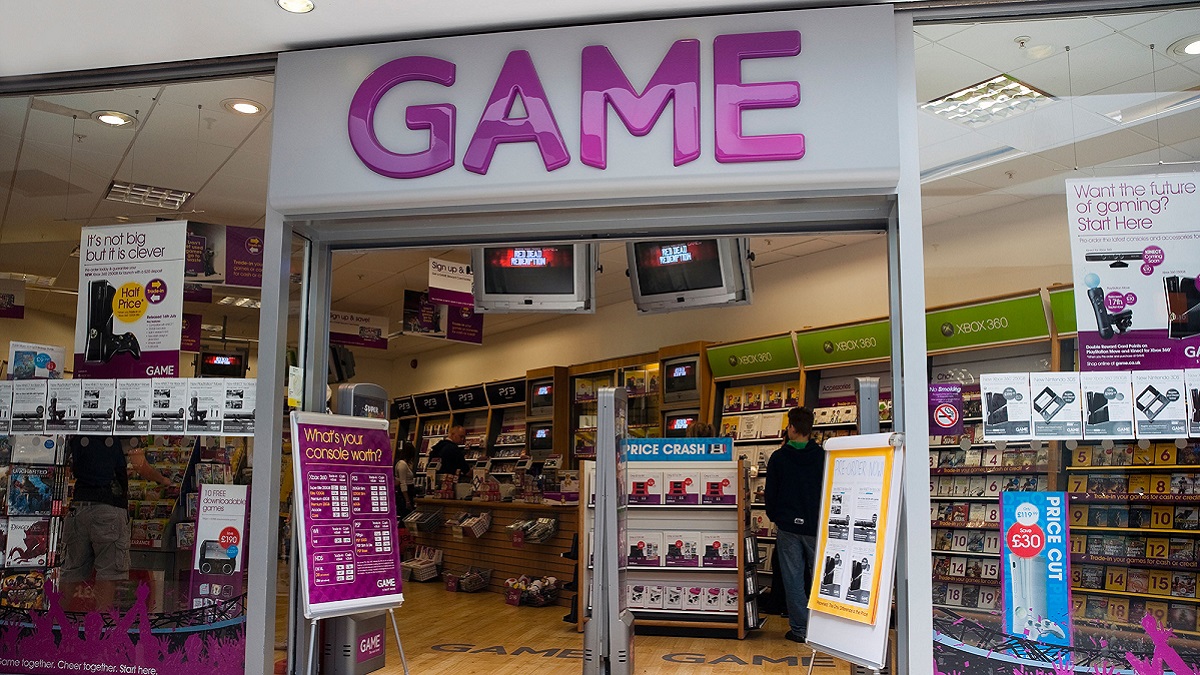
The current reported move towards redundancies and zero-hours contracts further aligns with a strategy of cost optimization. Zero-hours contracts offer employers flexibility in staffing levels, allowing them to scale their workforce up or down based on fluctuating demand without the overheads associated with permanent, contracted employees. While this provides operational agility for the business, it comes at the significant cost of job security and predictable income for the affected staff.
Industry-Wide Tremors: A Broader Context of Layoffs
The situation at GAME is not an isolated incident but rather a symptom of wider trends impacting the entire video game industry, particularly its support sectors like retail and development. Over the past 18 months, numerous reports have detailed significant layoffs across major game development studios, publishers, and related technology companies.
Key Indicators of Industry Downturn:
- Developer Layoffs: Companies such as Electronic Arts (EA), Activision Blizzard, Riot Games, and Unity have all announced substantial workforce reductions. These cuts have often been attributed to a recalibration of growth expectations following a pandemic-induced boom in gaming, increased operational costs, and a need to streamline development pipelines.
- Studio Closures: The closure of development studios, sometimes even those working on high-profile projects, has also become more frequent. This can be due to project cancellations, financial insolvency, or strategic pivots by parent companies.
- Publisher Consolidation: The ongoing trend of mergers and acquisitions within the publishing sector, while sometimes leading to new opportunities, can also result in redundancies as companies integrate operations and eliminate overlapping roles.
- Retail Challenges: Beyond GAME, other physical game retailers globally have faced similar pressures, with some downsizing their operations or ceasing to trade altogether. The decline in physical media sales is a universal challenge.
These widespread layoffs and closures paint a picture of an industry undergoing a significant adjustment. Factors contributing to this include:
- Post-Pandemic Normalization: The surge in gaming engagement during the COVID-19 lockdowns created inflated growth expectations. As societies reopened and consumer habits shifted, this growth rate moderated, leading companies to reassess their staffing levels.
- Economic Headwinds: Broader economic concerns, including inflation and potential recessionary pressures, can lead companies to become more cautious with their spending and investment, often resulting in workforce reductions.
- Increased Development Costs: The escalating complexity and ambition of modern game development lead to higher budgets and longer development cycles, increasing financial risk for studios.
The situation at GAME, therefore, reflects a confluence of these industry-wide pressures, amplified by the specific challenges faced by physical retail in a digital age.
The Human Cost: Impact on GAME Employees
For the non-managerial staff at GAME, the prospect of layoffs and the transition to zero-hours contracts represent a deeply concerning personal and financial upheaval. The immediacy of communication through phone or email suggests that these decisions are being made and communicated rapidly, leaving little time for affected individuals to prepare.
- Job Security: The shift to zero-hours contracts fundamentally alters the employment relationship, removing the implicit or explicit guarantee of regular work. This can make it difficult for individuals to plan their finances, secure housing, or even obtain loans, as their income becomes unpredictable.
- Loss of Benefits: Depending on the terms of employment, a transition to zero-hours contracts could also impact access to benefits such as paid leave, sick pay, and pension contributions, further diminishing job security and financial stability.
- Psychological Impact: The constant uncertainty and lack of guaranteed income can lead to significant stress, anxiety, and mental strain for employees and their families.
- Career Uncertainty: For many, a role at GAME may have represented a stable career path within a sector they are passionate about. The current situation forces them to reconsider their career options and potentially seek employment in entirely different fields.
The lack of specific numbers regarding the potential scale of layoffs leaves many employees in a state of anxious anticipation. This uncertainty can be as damaging as the layoffs themselves, creating a climate of fear and impacting morale among the remaining workforce.
Future Outlook: What Lies Ahead for GAME and Physical Retail
The future of GAME, and indeed physical game retail as a whole, remains uncertain. The company’s acquisition by Frasers Group suggests a commitment to maintaining a presence in the market, but the form this presence will take is evolving.
- Reduced Store Footprint: It is plausible that GAME will continue to reduce its physical store presence, consolidating operations into fewer, more strategically located outlets or focusing on online sales.
- Diversification of Offerings: To remain competitive, GAME may need to explore diversifying its product offerings beyond new game sales. This could include merchandise, collectibles, retro gaming, or even services related to gaming hardware and accessories.
- Emphasis on Experiential Retail: As physical retail declines, there is a growing emphasis on creating unique in-store experiences. GAME could potentially invest in in-store events, gaming lounges, or community hubs to draw customers in.
- Online Dominance: The company will undoubtedly need to bolster its online sales channels and digital offerings to compete with major online retailers and digital storefronts.
The current developments at GAME serve as a stark reminder of the transformative pressures on the retail sector, particularly within the dynamic and rapidly evolving video game industry. The human element of these corporate decisions, the impact on the livelihoods of dedicated employees, remains a critical aspect of this ongoing narrative. As the industry continues to adapt, the resilience and strategic foresight of companies like GAME will be tested, with the ultimate outcome likely to be shaped by their ability to navigate the complex interplay of technological advancement, shifting consumer behavior, and economic realities. The coming weeks and months will be crucial in determining the full extent of these changes and their lasting impact on the GAME brand and its workforce.