


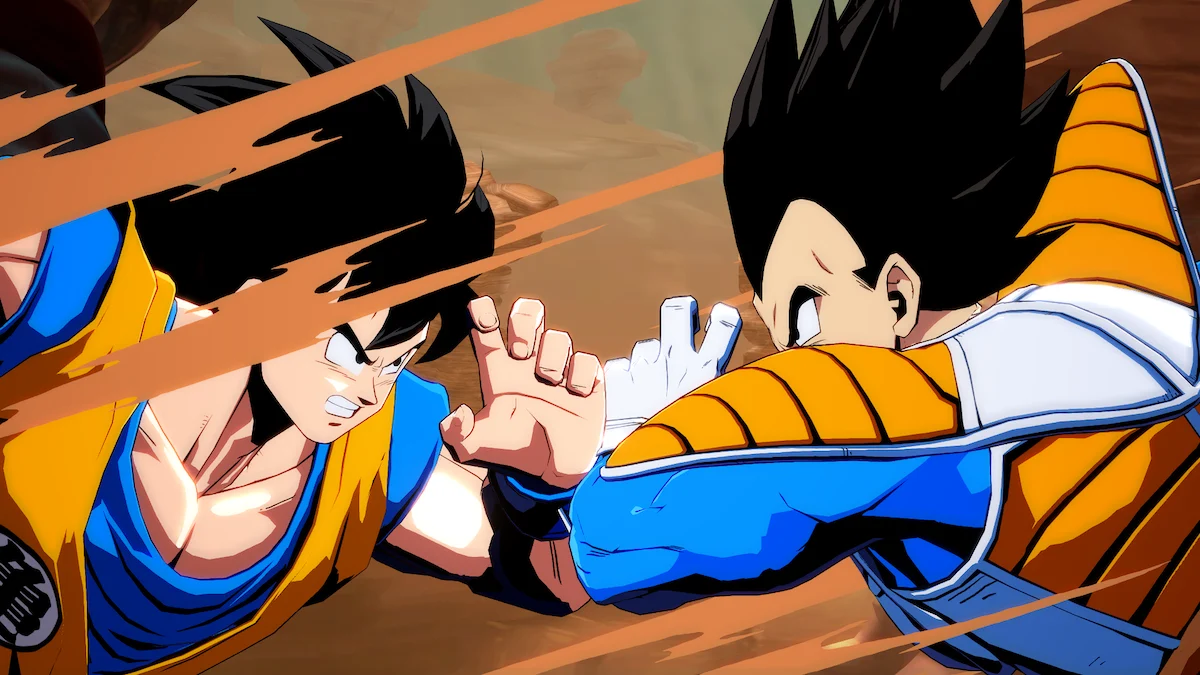
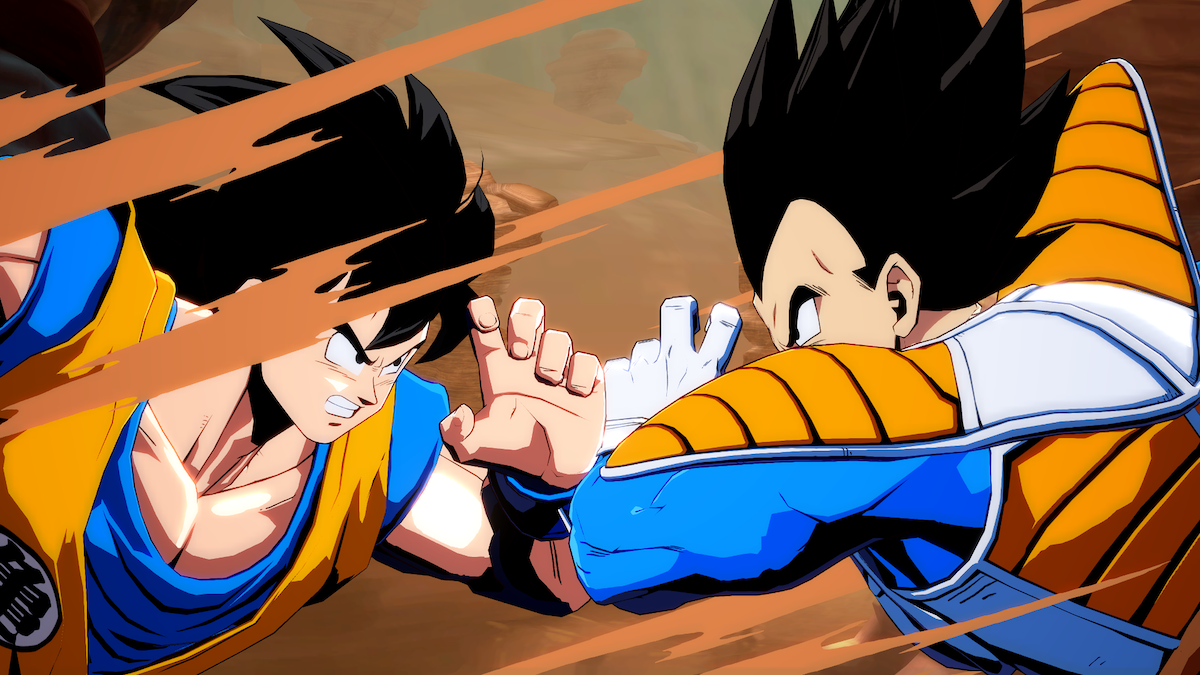
The critically acclaimed fighting game, Dragon Ball FighterZ, a title lauded for its stunning visuals, accessible yet deep combat mechanics, and faithful adaptation of the beloved Dragon Ball anime, has recently become the subject of widespread discussion within the gaming community. Players are currently acquiring the Arc System Works-developed title for free through what appears to be an unforeseen loophole within the Xbox ecosystem, leveraging an intersection of Xbox Game Pass and the platform’s "Free Play Days" promotion. This unexpected digital acquisition has sparked considerable debate regarding digital rights management, platform integrity, and the implications for both publishers and players.
The Legacy of Dragon Ball FighterZ: A Benchmark in Fighting Games
Launched in January 2018, Dragon Ball FighterZ quickly established itself as a commercial and critical triumph. Developed by Arc System Works, renowned for their intricate 2D fighting games like Guilty Gear and BlazBlue, FighterZ brought their signature visual fidelity and mechanical depth to the universally popular Dragon Ball universe. The game garnered widespread critical acclaim, boasting an average Metacritic score in the high 80s to low 90s across various platforms, with critics praising its vibrant art style, dynamic tag-team combat, and its ability to appeal to both seasoned fighting game veterans and newcomers alike.
Commercially, the game was an immediate success, shipping over two million units globally within its first week and continuing to sell millions more in the subsequent years. It became a staple in esports, featuring prominently in major tournaments such as the Evolution Championship Series (EVO), further cementing its status as a significant cultural touchstone within the fighting game genre. Its success was pivotal in introducing countless players to the intricacies of competitive fighting games and fostering a thriving community around the genre. The game’s enduring popularity and premium status make its widespread, free acquisition particularly noteworthy, raising questions about potential revenue implications for its creators and distributors.
Deconstructing the Digital Anomaly: How the Loophole Functions
The mechanism behind this unexpected free acquisition is deceptively simple, yet it exploits a specific interaction between different promotional and platform features. The process begins with an active subscription to Xbox Game Pass, Microsoft’s flagship gaming subscription service that offers a rotating library of games.
As part of their ongoing efforts to entice players and showcase titles, Xbox frequently runs "Free Play Days" promotions. During these limited-time events, select games are made temporarily available for all Xbox Game Pass subscribers to download and play without an additional purchase. For this particular incident, Dragon Ball FighterZ (specifically its Xbox One version) was included in one such Free Play Days promotion, allowing Game Pass users to access and download it.
The critical juncture in the loophole occurs after launching the Xbox One version of the game. Upon booting up Dragon Ball FighterZ, players are presented with an in-game menu prompt offering an "upgrade" to the Xbox Series X|S optimized version. This is a common feature for many cross-generational titles, allowing players who own the Xbox One version to seamlessly transition to the enhanced current-gen iteration, often at no additional cost (a feature sometimes referred to as "Smart Delivery" or a specific "Optimized for Series X|S" upgrade).
The exploit leverages this upgrade path. When an Xbox Game Pass subscriber, currently playing the Xbox One version through the Free Play Days promotion, selects the option to upgrade to the Xbox Series X|S version, the system appears to register both the Xbox One and the Xbox Series X|S versions of Dragon Ball FighterZ as permanently "owned" titles in the player’s digital library. This effectively bypasses the temporary nature of the Free Play Days access, converting a limited-time rental into a permanent license for both generational versions of the game.
The Discovery and Community Verification
The discovery of this digital workaround is attributed to Twitter user @Wario64, a widely followed account renowned for tracking and publicizing deals, sales, and promotional offers across various gaming platforms. On [Date of discovery, inferred to be late Feb 2025, prior to March 2 end date], @Wario64 posted details of the exploit, quickly drawing significant attention from the gaming community.
As is often the case with such unexpected digital windfalls, the initial reaction to @Wario64’s post was a mix of excitement and skepticism. Many users in the comments section expressed doubts about the validity of the claim, with some reporting that the loophole did not work for them, or that they were hesitant to attempt it due to concerns about potential repercussions. However, a growing number of players subsequently confirmed the exploit’s functionality, detailing their successful acquisition of Dragon Ball FighterZ for free. This dichotomy of experiences could be attributed to various factors, including regional differences in Xbox Store configurations, timing of the attempt, or minor variations in the execution of the steps. Despite initial reservations, the method gained enough traction to be widely replicated by a significant segment of the Xbox Game Pass subscriber base.
The Xbox Ecosystem: Game Pass, Free Play Days, and Generational Upgrades
To fully understand the context of this loophole, it’s essential to examine the components of the Xbox ecosystem at play. Xbox Game Pass, launched in 2017, has grown into a cornerstone of Microsoft’s gaming strategy. With tens of millions of subscribers worldwide, it offers a compelling value proposition: access to a vast library of games, including first-party titles on day one, for a monthly fee. "Free Play Days" promotions are a regular feature designed to supplement this offering, providing temporary access to games not typically included in the Game Pass library, or to generate interest in titles for potential purchase. These promotions are usually clearly defined with start and end dates, after which access is automatically revoked unless the game is purchased.
The concept of cross-generational upgrades is another key element. As console generations transition, publishers and platform holders often implement mechanisms to allow players who purchased a game on an older console (e.g., Xbox One) to receive an upgraded version for the newer console (e.g., Xbox Series X|S) at no additional cost or a nominal fee. Microsoft’s "Smart Delivery" is a prominent example, ensuring players always get the best available version of a game for their console. This system is designed for legitimate owners of a game. The Dragon Ball FighterZ loophole appears to exploit the system’s assumption that any user attempting a generational upgrade must already possess a valid, permanent license for the base game. In this case, the temporary Free Play Days license was seemingly misinterpreted by the system as a permanent one when the upgrade path was initiated.
Silence from the Giants: Microsoft and Arc System Works
As of the time of this report, neither Microsoft, the platform holder, nor Arc System Works, the game’s developer, has issued an official statement acknowledging the Dragon Ball FighterZ loophole. This silence is notable, particularly given the widespread discussion and replication of the exploit within the gaming community.
Several scenarios could explain this lack of official communication. It is plausible that both entities are currently unaware of the specific vulnerability, though this seems increasingly unlikely given the viral nature of @Wario64’s post and subsequent coverage. More probable is that internal teams at Microsoft and Arc System Works are actively investigating the situation. Such investigations typically involve identifying the precise technical flaw, assessing the scope of the exploit (how many players have utilized it), and evaluating the potential financial implications (lost sales). Crafting an official response often requires a comprehensive understanding of these factors to ensure accuracy and to avoid prematurely committing to a course of action.
Another possibility, though less likely for a high-profile title, is a strategic decision to allow the loophole to persist until the Free Play Days promotion concludes. This might be considered if the perceived cost of intervention (e.g., negative publicity from revoking access, development resources for a rapid patch) outweighs the estimated revenue loss, particularly if the number of affected players is deemed relatively small. However, this approach carries significant risks for brand reputation and future platform security.
Should an official statement be issued, it would likely address key questions: confirmation of the exploit, clarification on its mechanism, a timeline for a fix, and crucially, the fate of players who acquired the game through this method. Microsoft’s past actions in similar situations have varied, sometimes involving the revocation of improperly acquired licenses, and at other times, quietly allowing them to stand.
Digital Rights Management and Platform Integrity: A Broader Analysis
The Dragon Ball FighterZ incident highlights the inherent complexities and potential vulnerabilities within modern digital rights management (DRM) systems and platform ecosystems. In an era where digital storefronts and subscription services dominate, the precise management of licenses, access, and ownership is paramount. This loophole exposes a potential flaw in how temporary promotional licenses interact with permanent ownership mechanisms, particularly those involving cross-generational upgrades.
For Microsoft, such an exploit represents a challenge to the integrity of its Xbox Store and Game Pass ecosystem. While the financial impact of a single game being acquired for free by a subset of Game Pass subscribers might be limited, the precedent it sets could be problematic. If similar vulnerabilities exist or can be replicated across other titles, the cumulative effect on revenue for publishers and developers could become substantial. Furthermore, it could erode consumer trust in the defined terms of service for digital purchases and promotions, or conversely, create an expectation among some players that such exploits are fair game.
For Arc System Works and publisher Bandai Namco, the primary concern would be lost sales. While Dragon Ball FighterZ is an older title, it still generates revenue through direct sales and DLC. Each free acquisition represents a potentially foregone purchase. Developers and publishers rely on robust DRM to protect their intellectual property and ensure fair compensation for their work.
The Ethical Maze: Player Perspectives and Developer Concerns
The ethical dimension of utilizing such a loophole is a topic of internal debate among players. On one hand, some argue that if a system allows for such an acquisition, it is the platform holder’s responsibility to secure it, and players are simply taking advantage of an opportunity presented to them. They might view it as a "freebie" that harms no one directly, particularly for a game that has already recouped its development costs many times over.
Conversely, others contend that intentionally exploiting a known system flaw to acquire a product without payment is ethically questionable, akin to theft, even if digital. They might express concern for the developers and publishers who invest significant resources in creating these games, and whose revenue streams are impacted by such actions. This perspective often emphasizes supporting creators through legitimate purchases.
From the developer’s standpoint, regardless of the game’s age or commercial success, every legitimate sale contributes to future projects and the livelihood of their teams. While Arc System Works may not directly control the Xbox platform’s DRM, any loss of potential revenue due to such exploits could indirectly affect their bottom line and investment capacity for future titles.
Anticipating the Aftermath: What Happens Next?
The immediate future of this situation hinges on Microsoft’s response. The Free Play Days access for Dragon Ball FighterZ is scheduled to conclude on March 2, 2025, at 11:59 pm PST. This deadline is critical for several reasons:
- Exploit Window: After this date, the initial entry point for the loophole (the Free Play Days access) will be removed, effectively preventing new players from utilizing the method.
- Access Revocation: It is at this point that Microsoft might choose to revoke access for players who acquired the game through the loophole. This would involve identifying all accounts that permanently acquired the game via this specific method and digitally removing the license from their libraries.
- Patching: Microsoft could also issue a silent patch to the Xbox Store or the game’s upgrade mechanism to prevent this type of loophole from occurring with future Free Play Days promotions or other cross-generational titles.
Should Microsoft decide to revoke access, it could lead to a wave of disappointment and potential backlash from players who believed they had legitimately acquired the game. Conversely, allowing the free acquisitions to stand might be perceived as lenient, but could also encourage future exploit attempts. The company’s decision will be closely watched by the gaming community and industry observers alike, as it will set a precedent for how such digital exploits are handled on the Xbox platform.
Broader Industry Implications
The Dragon Ball FighterZ loophole serves as a timely reminder of the delicate balance required in managing digital storefronts, subscription services, and promotional offers. As the gaming industry increasingly shifts towards digital distribution and service-based models, the integrity of these systems becomes ever more critical.
This incident may prompt platform holders like Microsoft, Sony, and Nintendo to review their cross-generational upgrade paths and promotional frameworks for potential vulnerabilities. Developers and publishers might also become more vigilant in monitoring how their titles are integrated into subscription services and temporary access programs.
Ultimately, the Dragon Ball FighterZ situation underscores the constant cat-and-mouse game between system designers and those who seek to find and exploit system edges. While it may result in a few thousand free copies of a popular fighting game, its broader significance lies in the questions it raises about digital ownership, platform security, and the evolving ethics of gaming in the digital age. The industry will be observing closely to see how this particular chapter concludes and what lessons are learned for the future of digital game distribution.