


The bustling Saturday afternoon scene at a Milton Keynes CeX store offers a stark contrast to the quiet aisles of many North American GameStop locations. Within the vibrant urban landscape of the UK city, a palpable energy emanates from the CeX outlet, with queues often extending beyond its entrance. Shoppers, a mix of seasoned collectors and casual gamers, are actively engaged in a treasure hunt, sifting through shelves brimming with titles spanning generations of consoles – from the venerable PlayStation 2 and Xbox 360 to the current powerhouses like the PlayStation 5. This scene, a recurring spectacle in the UK, highlights a thriving market for pre-owned games and technology, a phenomenon that GameStop, the dominant video game retailer in North America, appears to be attempting to emulate with its recent shift towards a retro gaming model.
In North America, the typical GameStop experience often presents a different picture. Anecdotal observations from various regions suggest a landscape where Funko Pop! figures frequently occupy prime retail space, alongside a more limited selection of new game releases and a noticeable scarcity of foot traffic during many operational hours. This disparity has led to speculation and analysis regarding GameStop’s strategic direction, particularly in light of its announcement to convert some of its stores into "GameStop Retro" outlets. The success of CeX in the United Kingdom, a company that has cultivated a robust business model around the buying, selling, and trading of pre-owned games, movies, and electronics for over three decades, serves as a compelling case study for GameStop’s ambitious pivot.
The author’s personal experience, having resided in both Canada and the United Kingdom, provides a unique perspective on the divergent retail environments. In the UK, CeX is a ubiquitous presence, a one-stop shop for both the latest gaming releases and a vast catalog of retro titles. Beyond games, the company’s diverse inventory includes pre-owned movies and a wide array of consumer electronics, from smartphones to Bluetooth headsets, all sold with a focus on value and accessibility. Conversely, GAME, the UK’s equivalent to GameStop, has faced significant challenges, with many of its locations now integrated into Sports Direct stores and ceasing to accept trade-ins. This drastic shift in GAME’s operational strategy underscores the competitive pressures and evolving consumer habits within the British market.
The genesis of GameStop’s retro initiative can be traced back to an announcement made on August 28th. While details remain somewhat opaque, reports, including commentary from the YouTube channel Spawn Wave, suggest that employees were provided with limited lead time to implement these changes. The announcement has been met with a mixture of skepticism and cautious optimism within the gaming community. While some online discourse has been dismissive, the potential for GameStop to revitalize its brand and financial standing by embracing a retro-focused strategy, akin to the community-driven model fostered by CeX, cannot be understated. This strategic shift represents a significant gamble for GameStop, a company that has grappled with declining physical media sales and the broader transformation of the gaming industry.
CeX: A Three-Decade Legacy of Cultivating a Used Games Culture
The enduring popularity of CeX in the United Kingdom is not an overnight phenomenon. For over thirty years, the company has meticulously built a culture centered on the circular economy of pre-owned goods. This strategy has resulted in consistently busy stores, particularly in densely populated urban centers like Milton Keynes and London, where queues are a common sight during peak hours. CeX’s success stems from its ability to offer consumers a compelling value proposition: the opportunity to trade in unwanted items – be it games, movies, or electronics – for significant store credit, which can then be reinvested in acquiring new or used items. This consistent flow of inventory, coupled with a broad appeal to a diverse customer base, has cemented CeX’s position as a retail fixture.
The influence of CeX extends beyond its physical stores, fostering a vibrant online community. Dedicated YouTube channels, such as Retro Ghetto and TVM, regularly feature vlogs showcasing the exciting finds and unique discoveries made during CeX shopping excursions. These content creators often highlight the thrill of the hunt, demonstrating the eclectic mix of items available and the potential for uncovering hidden gems. This engagement underscores the deep connection CeX has cultivated with its fanbase on British shores. The very name "CeX," while perhaps unconventional, has become synonymous with value and opportunity within the retro gaming and media enthusiast circles. Even the company’s playful branding, such as its "Unprotected CeX" Wi-Fi network, contributes to its distinctive and somewhat quirky brand identity.
The North American Retro Gaming Desert
In stark contrast, the landscape for acquiring retro games in the United States and Canada presents a far more fragmented and often expensive experience. While pockets of independent game stores exist in some communities, they are not as widespread as CeX is in the UK. For many North American consumers, the primary avenues for sourcing retro titles are online marketplaces like eBay and Amazon. These platforms, while offering vast selections, are often characterized by inflated prices, particularly for sought-after items. Furthermore, the cost of shipping, especially for international orders, can significantly increase the overall expense. Thrifting at local second-hand stores can yield occasional bargains, but it relies heavily on luck and persistent effort.
The author’s personal experience during their time in Canada illustrates this challenge. The prohibitive cost of retro game resale prices made the prospect of building a collection an insurmountable financial hurdle. The aspiration for an affordable entry into retro gaming, a cornerstone of the CeX model, remained largely unfulfilled. This is precisely the void that GameStop Retro aims to fill. If the new GameStop initiative can successfully replicate CeX’s ability to offer accessible pricing and a convenient trade-in system, it could alleviate the frustrations faced by many North American retro enthusiasts and potentially unlock a significant market segment.
GameStop Retro: A Glimmer of Hope for Affordable Gaming?
Early indications suggest that GameStop Retro may be adopting a pricing strategy that is more competitive than existing online resale markets. Spawn Wave, in their assessment of a GameStop Retro location, noted that the prices were "not terrible" and significantly better than what is often found on eBay or at gaming conventions. This comparative pricing could be a critical differentiator for GameStop, offering consumers a tangible alternative to the often-speculative pricing of the secondary market. The success of this strategy will hinge on GameStop’s ability to consistently source inventory at favorable rates and pass those savings on to the customer.
Moreover, the user experience offered by CeX provides a blueprint for operational excellence that GameStop could adopt. The CeX website is a sophisticated tool that allows customers to check real-time stock levels at individual stores and receive instant quotes for trade-in items. This transparency is invaluable, empowering consumers to make informed decisions and reducing the element of uncertainty often associated with visiting a physical store. GameStop’s current online presence, while functional for new releases, lacks this level of detailed inventory and trade-in information for its retro offerings, a deficit that could be addressed to enhance customer engagement and streamline the shopping process.
The Potential Impact and Lingering Questions
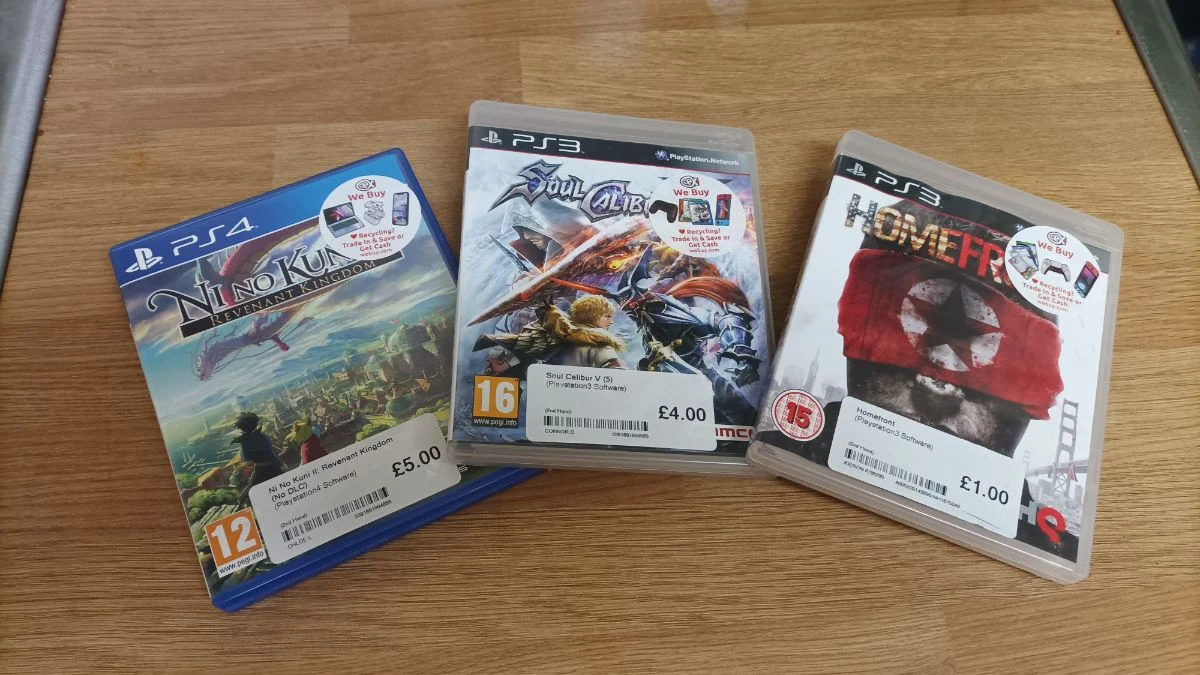
The author’s recent return to the UK and subsequent efforts to build a comprehensive PlayStation 3 and PlayStation 4 library exemplify the value proposition offered by stores like CeX. For a modest investment, titles such as Alpha Protocol, Final Fantasy XIII, and PlayStation All-Stars Battle Royale have been acquired, offering unique gaming experiences that are increasingly difficult to access on modern platforms. This accessibility has proven to be "addicting," demonstrating the powerful appeal of a robust used games market. If GameStop Retro can successfully emulate CeX’s model of providing exceptional value for money and fair trade-in valuations, the initiative holds significant potential for the struggling retailer.
However, the path forward for GameStop is not without its complexities. The company’s past business practices, including the widely criticized closure of Game Informer magazine and the subsequent layoffs of its staff, have engendered a degree of public skepticism. While the retro gaming pivot itself could be a sound business strategy, the broader perception of GameStop as a corporate entity may influence consumer adoption. The success of GameStop Retro will ultimately depend on its ability to deliver on its promises of affordability, accessibility, and a positive customer experience, thereby rebuilding trust and fostering a loyal community of retro gaming enthusiasts. The coming months will be crucial in determining whether GameStop’s bold foray into the retro market can truly capture the magic that has made CeX a resounding success in the UK. The retail landscape is constantly evolving, and GameStop’s strategic pivot represents a significant attempt to adapt to the changing tides of the video game industry, aiming to tap into a market segment that has demonstrated sustained resilience and a passionate following.