


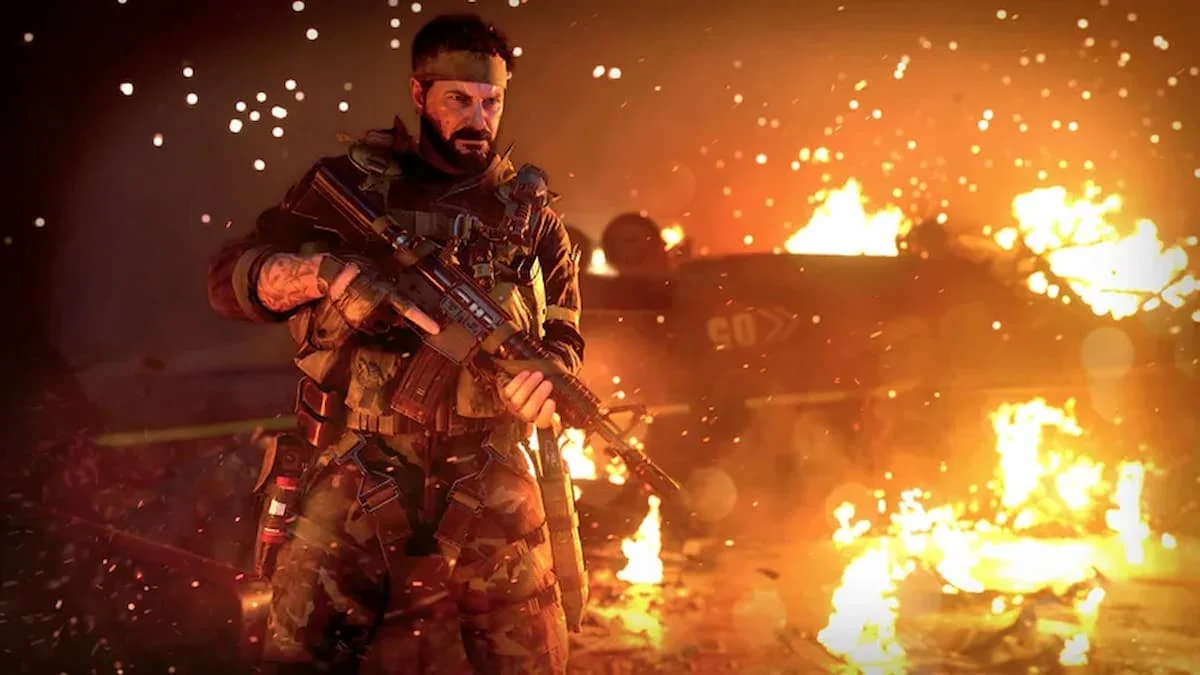
After a period of intense speculation and internal debate, it appears Microsoft is poised to make a landmark decision: the next installment in the critically and commercially successful Call of Duty franchise, widely rumored to be Black Ops 6, will reportedly launch directly into Xbox Game Pass on its release day. This move, initially reported by the Wall Street Journal, signals a profound strategic shift for both Microsoft’s gaming division and the broader video game industry, potentially redefining the value proposition of subscription services and the traditional premium game sales model.
The announcement, if confirmed, would represent the culmination of Microsoft’s ambitious acquisition of Activision Blizzard King, a monumental deal valued at approximately $69 billion. While the integration of Activision Blizzard titles into Game Pass has been a slow and deliberate process, with Diablo IV being a notable recent addition, the inclusion of a brand-new Call of Duty title from day one is an unprecedented commitment that underscores Microsoft’s long-term vision for Game Pass as the cornerstone of its Xbox ecosystem. The official confirmation is anticipated during the upcoming Xbox Games Showcase event on June 9, where Call of Duty is expected to receive its dedicated reveal.
The Strategic Imperative: Fueling Game Pass Growth
Xbox Game Pass, launched in June 2017, has been central to Microsoft’s gaming strategy for years. Often dubbed the "Netflix of gaming," the service offers subscribers access to a rotating library of hundreds of games for a monthly fee. It has steadily grown in popularity, boasting over 34 million subscribers as of early 2023, with figures likely higher now. The service comes in various tiers, including Xbox Game Pass Core, PC Game Pass, and Xbox Game Pass Ultimate, with day-one releases typically reserved for the higher-tier subscriptions.
Historically, major first-party titles from Xbox Game Studios, such as Halo, Forza, and Gears of War, have launched directly into Game Pass. However, the Call of Duty franchise operates on an entirely different scale. It is an annual juggernaut, consistently ranking among the best-selling games globally, generating billions in revenue through direct game sales, battle passes, and cosmetic microtransactions. The previous installment, Modern Warfare 3, for instance, retailed for $70 to $100 depending on the edition, representing a significant upfront investment for players. Placing a title of this magnitude directly onto Game Pass introduces a complex financial dynamic.
Navigating the Financial Tightrope: Revenue Cannibalization Concerns
The decision to bring Call of Duty to Game Pass on day one was reportedly not without internal debate at Xbox. Executives expressed reservations about the potential for "revenue cannibalization" – the risk that making the game available through a subscription service would significantly undermine direct sales, thereby impacting Activision Blizzard’s traditional revenue streams. Call of Duty titles typically sell tens of millions of units each year, forming a crucial pillar of Activision Blizzard’s financial performance. Shifting this model could have profound implications.
To mitigate these potential losses, Microsoft reportedly considered various strategies, including a potential price hike for Xbox Game Pass. While the current monthly subscription costs range from $9.99 to $16.99, an increase could help offset the foregone revenue from direct Call of Duty sales. However, it remains unclear whether Microsoft intends to proceed with such a price adjustment. A price increase, while potentially necessary for financial viability, could also risk alienating existing subscribers or deterring new ones, especially if not accompanied by a perceived increase in overall value. The delicate balance lies in maximizing subscriber growth and retention while ensuring the profitability of its content investments.
The Activision Blizzard Acquisition: A Long and Winding Road
The journey to this point has been arduous. Microsoft first announced its intention to acquire Activision Blizzard in January 2022, a move designed to bolster its position in the fiercely competitive gaming market, particularly against Sony’s PlayStation. The acquisition faced intense scrutiny from regulatory bodies worldwide, including the U.S. Federal Trade Commission (FTC), the UK’s Competition and Markets Authority (CMA), and the European Commission.
Regulators expressed concerns primarily about potential monopolistic practices, particularly regarding Microsoft’s control over key franchises like Call of Duty and its impact on rival platforms, especially in the burgeoning cloud gaming sector. To appease these concerns, Microsoft made significant concessions, including signing 10-year deals to bring Call of Duty to rival platforms like PlayStation and Nintendo, and divesting its cloud streaming rights for Activision Blizzard games in non-EEA countries to Ubisoft. After nearly two years of legal battles, appeals, and concessions, the acquisition finally closed in October 2023. This arduous process highlights the immense strategic importance Microsoft places on Activision Blizzard’s intellectual property, with Call of Duty being the crown jewel. The day-one Game Pass announcement for Black Ops 6 is arguably the first major realization of the acquisition’s full potential for Microsoft’s subscription service.
Chronology of a Strategic Shift:
- June 2017: Xbox Game Pass officially launches, offering a curated library of games for a monthly fee.
- January 2022: Microsoft announces its intention to acquire Activision Blizzard King for approximately $69 billion, making it the largest acquisition in video game history.
- Early 2022 – Late 2023: The acquisition faces extensive global regulatory review, leading to legal challenges and concessions, particularly regarding Call of Duty availability and cloud gaming rights.
- October 2023: Microsoft successfully closes the Activision Blizzard King acquisition.
- November 2023: Diablo IV is announced as the first major Activision Blizzard game to join Game Pass (arriving March 2024), setting a precedent.
- May 2024: Wall Street Journal reports that the next Call of Duty title, rumored Black Ops 6, will launch day one on Xbox Game Pass.
- June 9, 2024: Xbox Games Showcase event scheduled, with an expected dedicated Call of Duty Direct following, where the Game Pass integration is anticipated to be officially confirmed alongside the game’s reveal.
- Late October 2024 (Rumored): Call of Duty: Black Ops 6 is expected to launch globally.
Implications for the Gaming Landscape:
The decision to integrate Call of Duty into Game Pass from day one has wide-ranging implications for players, competitors, and the industry at large.
For Players:
The value proposition of Xbox Game Pass will receive an unparalleled boost. Subscribers, particularly those on the Ultimate tier, will gain access to one of the year’s biggest releases without an additional $70-$100 purchase. This could attract a significant influx of new subscribers and increase retention rates among existing ones. For many, Call of Duty is an annual must-buy, and its inclusion in Game Pass could make the subscription an even more compelling offering. However, PlayStation and PC players who do not subscribe to Game Pass will still need to purchase the game separately, maintaining a traditional sales channel for a substantial portion of the player base.
For Microsoft and Xbox:
This move solidifies Game Pass as a formidable competitor in the subscription service arena. It reinforces Microsoft’s commitment to its service-led strategy, moving away from a sole reliance on console hardware sales. The acquisition of Activision Blizzard was always about content, and Call of Duty is the ultimate content piece. This could lead to a significant increase in Game Pass subscribers, boosting Microsoft’s recurring revenue streams and strengthening its ecosystem. It also positions Xbox as a more attractive platform for many gamers, potentially influencing future console purchasing decisions.
For Activision Blizzard:
While the immediate upfront sales revenue might be impacted, the long-term benefits could include broader audience reach and engagement. Game Pass could introduce Call of Duty to players who might not have purchased it otherwise, potentially converting them into long-term fans who invest in battle passes and microtransactions. This shift would integrate Activision Blizzard more deeply into Microsoft’s overarching strategy, potentially influencing future development cycles and monetization models for the franchise. The financial success of the game would then be tied more closely to Game Pass subscription numbers and engagement metrics rather than purely unit sales.
For Competitors (Sony PlayStation):
This development puts considerable pressure on Sony and its PlayStation Plus subscription service. While PlayStation Plus offers a robust library and tiered benefits, it has not consistently offered major first-party exclusives on day one in the same manner as Game Pass. Sony’s strategy has largely revolved around premium game sales and strong console exclusivity. The inclusion of Call of Duty on Game Pass could force Sony to re-evaluate its own subscription model and potentially explore similar day-one offerings for its marquee titles, though this would be a radical departure from its established business model. Given Call of Duty‘s immense popularity on PlayStation platforms historically, this move could lead to a shift in player allegiance or at least a renewed consideration of platform choice.
Broader Industry Impact:
The industry has been trending towards subscription models, but Call of Duty‘s inclusion marks a significant milestone. It validates the "Netflix of gaming" concept on an unprecedented scale. Other major publishers will be closely watching the financial performance and subscriber growth metrics resulting from this decision. It could accelerate a broader shift towards subscription services as a primary distribution model for AAA titles, potentially altering how games are financed, developed, and marketed across the industry. This might lead to more innovation in subscription tiers and content strategies from other players in the market.
Looking Ahead: The Future of Call of Duty and Game Pass
The rumored Black Ops 6 is expected to launch in late October, continuing the franchise’s annual release tradition. While the day-one Game Pass announcement is a monumental shift, the future cadence of Call of Duty releases and their integration into the service will be closely monitored. Will all future Call of Duty titles follow suit? Will Microsoft introduce new Game Pass tiers specifically tailored for premium content? These questions remain, but the direction is clear: Microsoft is betting big on Game Pass as the future of its gaming business, and Call of Duty is now its most powerful weapon in that endeavor. The June 9th Xbox Games Showcase will undoubtedly be a pivotal moment, officially confirming what many believe to be a game-changing move for the industry.