


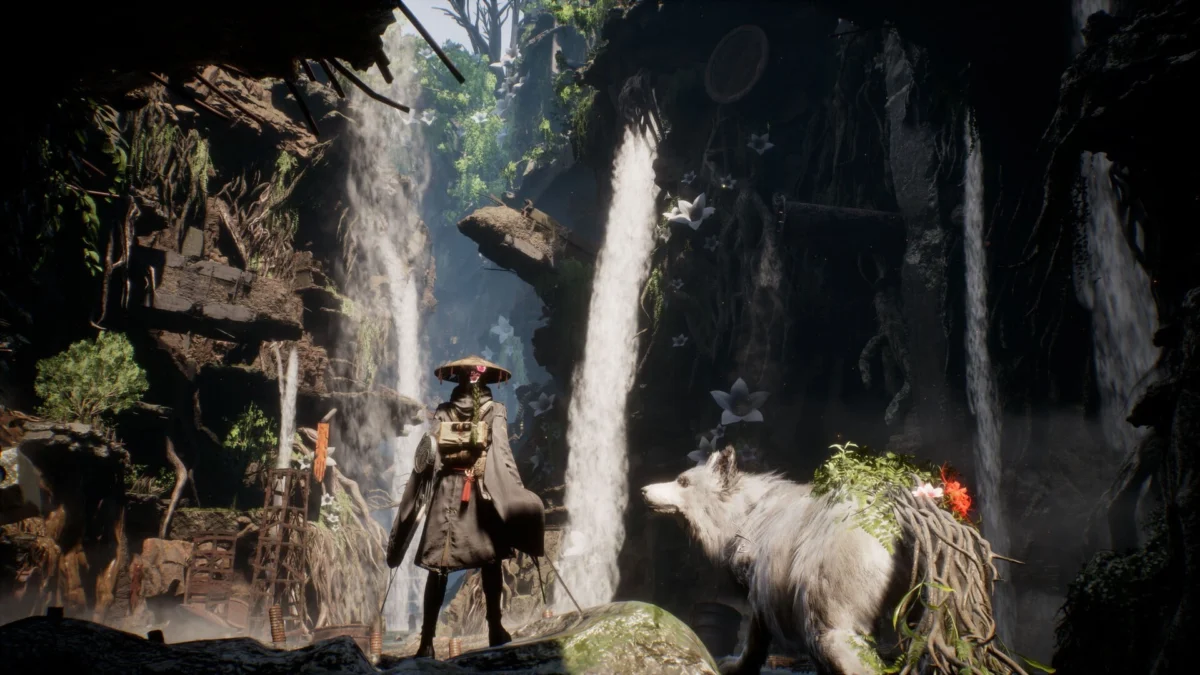
The first week of August marks a significant pivot in the 2024 gaming calendar as Microsoft’s Xbox platform prepares for a diverse influx of software, headlined by a high-profile partnership with the renowned developer Game Freak. From August 3 through August 7, the Xbox ecosystem will see a series of strategic releases designed to bolster the value of the Xbox Game Pass subscription service while providing a variety of genres to the broader consumer base. This period is particularly noteworthy for the arrival of Beast of Reincarnation, a title that represents a rare foray into the Xbox ecosystem for its developer, historically known for its exclusive long-term association with Nintendo platforms. As the industry moves into the late summer months, these releases serve as a barometer for Microsoft’s ongoing efforts to diversify its portfolio and strengthen its foothold in the Japanese development market.
The Strategic Arrival of Beast of Reincarnation
The centerpiece of the August 3–7 release window is undoubtedly Beast of Reincarnation, developed by the Tokyo-based studio Game Freak. For decades, Game Freak has been synonymous with the global phenomenon of the Pokémon franchise, maintaining a close and nearly exclusive relationship with Nintendo. The release of Beast of Reincarnation on Xbox Series X|S and PC—and its simultaneous inclusion in the Xbox Game Pass Ultimate and PC Game Pass libraries—signifies a major shift in the studio’s publishing strategy. This move follows a broader industry trend where Japanese developers are increasingly seeking multi-platform reach to mitigate rising development costs and tap into the high-performance hardware capabilities of the Xbox Series X.
Beast of Reincarnation is positioned as a sophisticated creature-collection RPG that utilizes the Xbox Velocity Architecture to deliver seamless transitions between expansive environments. Unlike previous efforts from the studio, this title aims to leverage high-fidelity textures and advanced lighting systems, providing a visual experience tailored for 4K resolution at stable framerates. The decision to launch on Game Pass Day One is a calculated move by Microsoft to lower the barrier to entry for a genre that has traditionally seen lower engagement on Western-centric consoles. By providing the game at no additional cost to millions of subscribers, Microsoft aims to cultivate a dedicated community for the new IP from its first hour of availability.
Chronology of Xbox Releases: August 3 to August 7
The release schedule for the week follows a staggered approach, beginning with independent titles and culminating in the major AAA and AA launches. This timeline ensures a steady stream of content for users across different hardware tiers, including the Xbox Series X, Xbox Series S, and legacy Xbox One hardware through cloud streaming.
August 3: Independent Innovation and Early Access
The week opens on August 3 with a focus on independent developers. Historically, the early part of the week is reserved for niche titles and smaller-scale projects that benefit from the visibility of a less crowded marketplace. These releases often include tactical simulations, narrative-driven indies, and puzzle games. On this date, several titles are expected to debut on the Microsoft Store, targeting specific demographics such as the "cozy gaming" community and fans of retro-inspired platformers.
August 4–5: Mid-Week Expansion
As the week progresses, the volume of releases typically increases. August 4 and 5 serve as the transition period where mid-market titles (AA) often find their footing. This period often sees the release of sports titles, updated editions of previous hits, and DLC expansions for existing live-service games. These dates are critical for maintaining player engagement metrics during the middle of the workweek, providing fresh content for the Xbox "Recently Added" section.
August 6: The Launch of Beast of Reincarnation
August 6 stands as the most critical date of the week. This is the official launch day for Beast of Reincarnation across the Xbox Series X|S, PC, and Cloud Gaming platforms. The synchronization of this launch across Game Pass tiers is intended to maximize day-one player counts. For Microsoft, the success of this launch is measured not only in direct sales but in "hours played" within the subscription ecosystem, a key metric for determining the long-term viability of third-party Game Pass deals.
August 7: Post-Launch Support and Weekly Wrap-up
The week concludes on August 7 with the final batch of smaller releases and the commencement of the first post-launch patches for the week’s major titles. This day also marks the beginning of the weekend engagement cycle, where Microsoft often promotes the week’s new additions through its dashboard "Spotlight" features and social media channels.
Supporting Data: The Impact of Game Pass on Subscription Growth
The inclusion of high-profile titles like Beast of Reincarnation is a direct response to the shifting economics of the gaming industry. According to recent market analysis, subscription services now account for a significant portion of digital revenue in the gaming sector. Microsoft’s Game Pass model relies on a "Day One" strategy to maintain its subscriber base, which was last reported to have exceeded 34 million members.
Data suggests that games released on the service see an average of 3.5 times more players than they would have on a traditional purchase-only model within the first 30 days. For a developer like Game Freak, this provides an immediate global audience, bypassing the traditional marketing hurdles of launching a new IP. Furthermore, the "Halo Effect" of a major release often leads to increased engagement with other titles in the library, as users browse the service after downloading the week’s headline game.
Official Responses and Industry Sentiment
While official statements from Game Freak have remained focused on the creative vision of Beast of Reincarnation, industry analysts have been vocal about the implications of the partnership. "Seeing a Game Freak title on an Xbox stage is a landmark moment for Microsoft’s Japanese strategy," noted one senior industry consultant. "It signals to other Japanese developers that the Xbox ecosystem is a viable and lucrative home for their content, especially when backed by the guaranteed reach of Game Pass."
Microsoft Gaming leadership has frequently reiterated their commitment to bringing more Eastern-developed content to the platform. During recent executive briefings, the company emphasized that the Asia-Pacific region is the fastest-growing market for PC Game Pass. By securing Beast of Reincarnation, Microsoft is directly catering to this demographic while simultaneously offering Western audiences a high-quality RPG experience that fills a notable gap in the Xbox software lineup.
Technical Implications and Broader Impact
The launch of Beast of Reincarnation and the accompanying titles for the week of August 3–7 highlights the technical versatility required of modern developers. To ensure a smooth launch, Game Freak has reportedly worked closely with Microsoft’s engineering teams to optimize the title for the Xbox Series S, ensuring that the "entry-level" console does not sacrifice the core gameplay experience despite its lower memory and GPU specifications. This technical parity is a requirement for all titles entering the Xbox ecosystem, and its successful implementation in a complex RPG is a testament to the maturing of current-generation development tools.
Beyond the immediate week, these releases have broader implications for the competitive landscape between Microsoft and Sony. As the industry moves toward a more platform-agnostic future, the battle for content is increasingly fought on the grounds of "value" and "accessibility." By securing a developer with the pedigree of Game Freak, Microsoft is positioning itself as a platform that transcends its historical reputation for shooters and racing games, moving instead toward a holistic library that appeals to all age groups and regional tastes.
Conclusion: A Pivot Point for the Quarter
The August 3–7 roundup is more than a simple list of new software; it is a reflection of the current state of the interactive entertainment industry. The reliance on subscription services, the globalization of development talent, and the strategic timing of releases all converge in this five-day window. As Beast of Reincarnation makes its debut, the industry will be watching closely to see how the Xbox audience responds to this new direction. If successful, this week could serve as the blueprint for future collaborations between Microsoft and other high-profile Japanese studios, further blurring the lines of traditional console exclusivity and expanding the horizons of the Xbox gaming community. For subscribers, the message is clear: the value of the platform is no longer just in its hardware, but in the diversity and prestige of the software it hosts.