


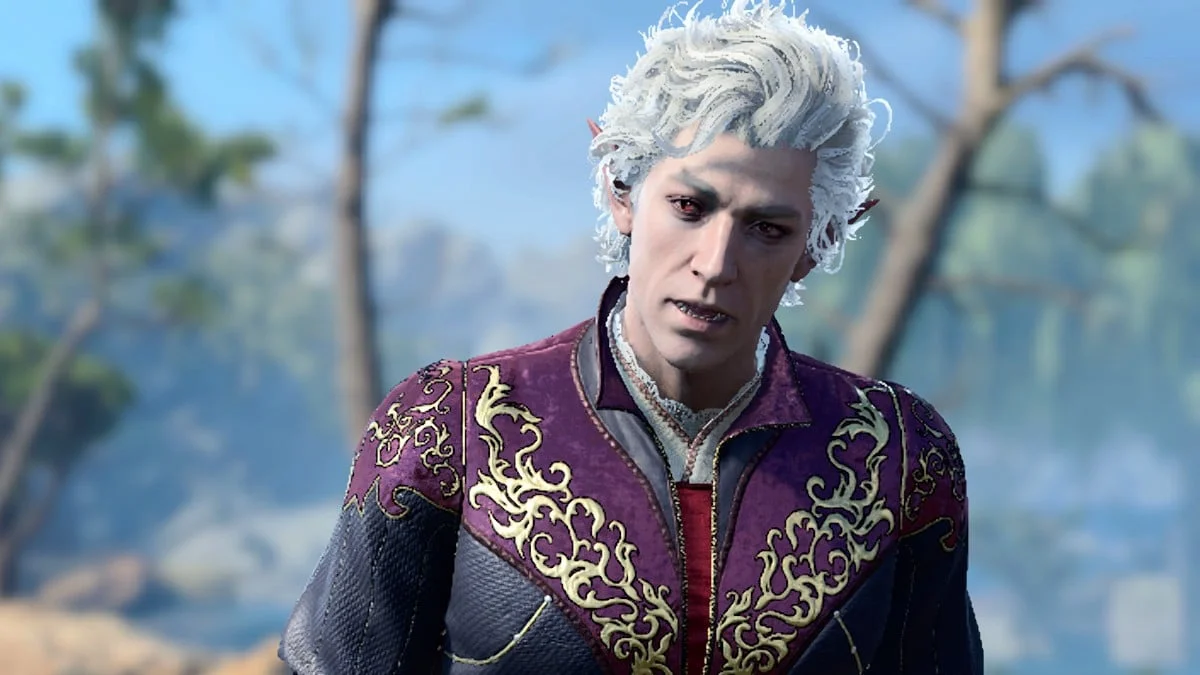
Larian Studios’ critically acclaimed role-playing epic, Baldur’s Gate 3, has officially made its debut on Xbox Series X/S platforms, offering Microsoft console owners the opportunity to dive into one of the year’s most celebrated video games. However, despite its highly anticipated arrival, players should temper expectations regarding its inclusion in Microsoft’s popular Game Pass subscription service, as Larian Studios has firmly stated there are no immediate plans for the title to join the library. This decision, articulated by Larian Studios boss Swen Vincke, underscores a particular business philosophy that prioritizes the game’s perceived intrinsic value and the studio’s independence, setting it apart from a growing trend of major titles leveraging subscription models for broader reach.
Larian’s Stance: Valuing the "Big Meaty Game"
The confirmation came directly from Swen Vincke in a recent interview with IGN, where he unequivocally dismissed the notion of Baldur’s Gate 3 heading to Game Pass. Vincke’s reasoning is rooted in the colossal scale and depth of the game, a factor he believes warrants its premium pricing. "We made a big game, so I think there’s a fair price to be paid for that, and I think that that is okay," Vincke stated, emphasizing the absence of microtransactions within the game as a key differentiator. "We don’t charge you any micro-transactions on top of it, so you get what you pay for. Upfront, it’s a big meaty game. So I think that should be able to exist as it is. This is what allows us to continue making other games."
This declaration highlights Larian’s commitment to a complete, upfront purchase model, contrasting sharply with the industry’s increasing reliance on in-game purchases, battle passes, and subscription services. For Larian, the full retail price represents fair compensation for the hundreds of hours of content players receive, ensuring the studio’s financial stability and enabling future ambitious projects without external pressures that might arise from alternative monetization strategies. This approach resonates with a segment of the gaming community that values comprehensive, self-contained experiences over ongoing monetization schemes.
A Chronology of Critical Acclaim and Platform Launches
The journey of Baldur’s Gate 3 to its current status has been a meticulously planned and overwhelmingly successful one, marked by several key milestones:
- Early Access Launch (October 2020): Baldur’s Gate 3 first entered the public sphere via Steam Early Access, allowing Larian to gather extensive player feedback and iterate on the game’s mechanics, story, and technical performance over nearly three years. This prolonged development cycle, involving community engagement, was crucial in shaping the final product.
- PC Full Release (August 3, 2023): The full launch on PC was met with universal critical acclaim, quickly establishing the game as a landmark achievement in the RPG genre. It garnered widespread praise for its narrative depth, character development, tactical combat, and unprecedented player agency.
- PlayStation 5 Launch (September 6, 2023): Following its PC success, Baldur’s Gate 3 made its way to PlayStation 5, replicating its critical and commercial triumph on consoles. The port was lauded for its smooth performance and faithful adaptation of the PC experience.
- The Game Awards (December 7, 2023): Baldur’s Gate 3 dominated The Game Awards, securing the prestigious Game of the Year award, alongside numerous other accolades including Best RPG, Best Multiplayer, Best Community Support, and Player’s Voice. Swen Vincke’s heartfelt acceptance speech further solidified the game’s and the studio’s connection with the global gaming audience.
- Xbox Series X/S "Stealth" Launch (December 8, 2023): In a surprise announcement following The Game Awards, Baldur’s Gate 3 became immediately available on Xbox Series X and Series S. This long-awaited release came after Larian Studios successfully navigated technical challenges, particularly optimizing the split-screen co-op experience for the less powerful Xbox Series S console, which had previously been a point of contention and delay.
This timeline showcases a deliberate, staggered release strategy that allowed Larian to maximize impact on each platform, culminating in a triumphant multi-platform presence.
The Monumental Scope: Data Supporting Larian’s Claim
Vincke’s assertion about the game’s "big meaty" nature is strongly supported by empirical data and player experiences. According to aggregated player data from HowLongToBeat, the average Baldur’s Gate 3 playthrough for the main story alone runs for at least 50 hours. For those aiming to complete the main story and significant side quests, this figure often stretches to over 100 hours. Completionists seeking to uncover every secret and achieve all possible outcomes report playtimes exceeding 200 hours, with many players logging hundreds more across multiple playthroughs to explore different character builds, choices, and companion storylines.
This vast replayability and sheer volume of content stand in stark contrast to many contemporary AAA titles, which often offer shorter campaigns supplemented by live-service elements or microtransaction-driven content. The game’s intricate narrative, branching dialogue, diverse character options, and dynamic reactivity to player choices ensure that no two playthroughs are exactly alike, providing an unparalleled return on investment for its full purchase price. The game’s success is not just anecdotal; it has sold millions of copies across PC and PS5, generating significant revenue for the independent studio, a testament to its quality and market appeal.
Xbox Game Pass: A Different Business Model
Microsoft’s Xbox Game Pass has revolutionized the gaming industry since its inception, offering subscribers access to a rotating library of hundreds of games for a monthly fee. It has become a cornerstone of Microsoft’s gaming strategy, boasting tens of millions of subscribers and providing immense value to players by allowing them to discover new titles without an upfront purchase. For developers and publishers, Game Pass can offer a guaranteed upfront payment, increased visibility, and a wider player base, potentially boosting sales of DLC or future titles.
The service has attracted a wide array of games, from indie darlings to major first-party releases, often including new titles on day one. For a game of Baldur’s Gate 3‘s caliber to forgo Game Pass is a significant statement, as such a high-profile title would undoubtedly attract a substantial number of new subscribers to Microsoft’s service. The decision indicates that Larian Studios believes the financial benefits of remaining off Game Pass, retaining 100% of retail sales, outweigh the potential exposure and lump-sum payment that a Game Pass deal would entail.
Financial Implications and Developer Independence
Larian Studios’ decision underscores a broader debate within the gaming industry regarding business models and developer independence. By opting out of Game Pass, Larian is prioritizing direct sales and full control over its revenue stream. A typical Game Pass deal involves Microsoft paying a developer an upfront fee for the right to host their game on the service for a set period. While these fees can be substantial, they represent a one-time payment, whereas direct sales offer ongoing revenue for the lifespan of the game.
For an independent studio like Larian, which self-publishes its titles, maintaining financial autonomy is crucial. The success of Baldur’s Gate 3 allows them to dictate their terms and avoid potential contractual obligations or revenue sharing agreements that might come with platform exclusivity or subscription service inclusion. This strategy empowers Larian to fund its next projects entirely through its own means, preserving its creative freedom and renowned development practices without needing external investment or succumbing to publisher pressures that sometimes lead to microtransactions or rushed releases.
In contrast, many developers, especially smaller studios or those backed by large publishers, find Game Pass to be an invaluable tool for reaching audiences and ensuring financial viability. The absence of Baldur’s Gate 3 from the service might lead some to question the long-term sustainability of the Game Pass model for all AAA titles, especially those with immense standalone commercial success.
Player and Market Reactions
The news has elicited mixed reactions within the gaming community. For existing Xbox Game Pass subscribers, particularly those who were hoping to play Baldur’s Gate 3 without an additional purchase, the announcement is undoubtedly disappointing. The service has conditioned many players to expect access to a wide range of titles, and the exclusion of a Game of the Year contender is a noticeable gap. Some fans may express frustration, especially given the $70 price tag, which can be a significant barrier for those on a tighter budget or those new to the CRPG genre.
As Vincke himself noted in his Game of the Year acceptance speech, Larian is acutely aware of the value it brings to the market. This self-assuredness, while admirable to many, might be perceived as dismissive by others. For individuals who are not "initiates" of the complex CRPG genre or the Dungeons & Dragons universe upon which Baldur’s Gate 3 is built, a Game Pass inclusion could have served as an accessible entry point or a low-risk trial. A demo, perhaps offered via Game Pass, could have assuaged concerns about the time commitment or genre unfamiliarity. However, Larian has indicated no plans for such a demo either.
On the other hand, many gamers, particularly those who have already purchased and enjoyed the game, fully support Larian’s decision. They resonate with Vincke’s philosophy that a game of Baldur’s Gate 3‘s quality and scope deserves its premium price, especially in an era where many games launch with incomplete features or aggressive monetization. This segment views Larian’s stance as a principled defense of traditional gaming values and a reward for their commitment to delivering a complete, high-quality product.
Broader Impact and Implications
Larian’s decision regarding Baldur’s Gate 3 and Game Pass carries several broader implications for the gaming industry:
- Reinforcing the Premium Game Model: The success of Baldur’s Gate 3 without Game Pass inclusion reinforces the idea that exceptionally high-quality, content-rich single-player games can still command a premium price and achieve massive commercial success without relying on subscription services or microtransactions. This could inspire other developers to pursue similar paths.
- Challenge for Subscription Services: While Game Pass continues to grow, missing a title of Baldur’s Gate 3‘s stature might highlight a potential limitation for subscription models – that not all "must-have" games will be available. This could influence consumer perception of Game Pass’s comprehensiveness.
- Developer Autonomy: Larian’s firm stance could empower other independent studios to prioritize their long-term financial health and creative independence over potentially lucrative, but restrictive, deals with platform holders or subscription services.
- Evolving Market Dynamics: The gaming market is constantly evolving, with new business models emerging. Larian’s choice represents a significant data point in the ongoing discussion about the optimal way to develop, distribute, and monetize games in a diverse and competitive landscape.
As Baldur’s Gate 3 continues to captivate players on its newly launched Xbox platforms, its absence from Game Pass will remain a talking point, symbolizing Larian’s unwavering belief in the inherent value of its creation and its commitment to an independent future. The studio’s success, built on a foundation of quality and player-centric design, stands as a powerful testament to the enduring appeal of the "big meaty game."