


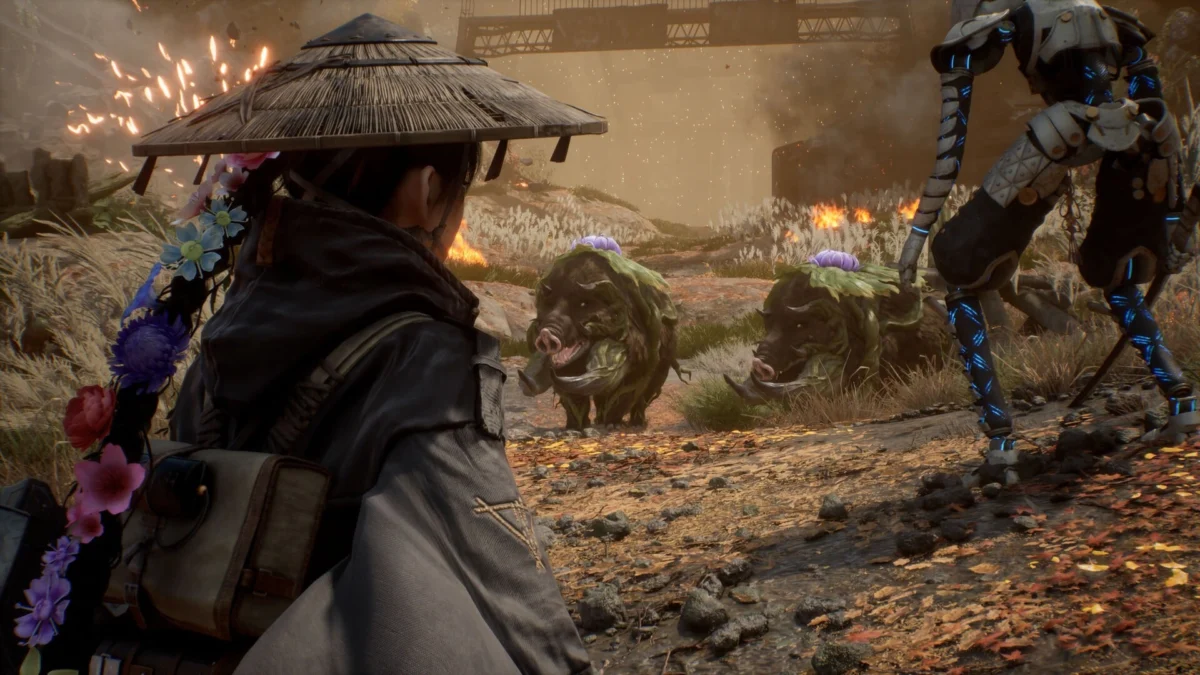
Less than 48 hours after its global debut across multiple platforms, including a prominent launch on Xbox Game Pass, the action-adventure title Beast of Reincarnation is already slated to receive its inaugural significant post-launch update. The development team, identified as Game Freak (distinct from the studio behind the Pokémon franchise), has publicly announced its immediate plans to address player feedback and technical observations with a comprehensive patch anticipated to roll out within the next seven days. This forthcoming update is set to introduce five distinct categories of improvements, detailed by the developers through their official communication channels, signaling a proactive approach to game refinement in the critical early days following release.
Immediate Post-Launch Landscape for Beast of Reincarnation
The launch of Beast of Reincarnation was met with considerable anticipation, particularly given its day-one availability on Xbox Game Pass, a strategy often employed by publishers to maximize player reach and engagement from the outset. However, the initial hours post-release presented a mixed bag of experiences for players and critics alike. While the game managed to garner a "decent" reception in some quarters, overall critical consensus, as reflected by platforms like Steam, settled on a "Mixed" rating. This early performance underscores the modern challenge of launching complex interactive entertainment, where initial impressions significantly influence long-term success and player retention. The swift announcement of a major patch suggests the development team is acutely aware of these dynamics and committed to enhancing the player experience promptly.
The Impending Multi-Platform Update: Five Key Areas of Improvement
While specific details regarding each of the five improvement categories have not yet been fully elaborated by the developer, industry standards and common player feedback trends for newly released titles allow for an informed inference regarding their likely focus. These categories typically encompass a range of critical enhancements designed to stabilize performance, rectify technical glitches, refine gameplay mechanics, improve user interface, and address balancing issues.
- Performance Optimization: This is a perennial focus for post-launch patches. Given the mixed initial reception and the earlier Xbox-specific emergency patch addressing performance, it is highly probable that the upcoming update will further refine frame rates, loading times, and overall system stability across all platforms (Xbox, PlayStation, PC). Such optimizations are crucial for ensuring a smooth and immersive gameplay experience, particularly in visually demanding segments or complex combat scenarios.
- Bug Fixes and Glitch Resolution: Modern games, with their intricate codebases, are almost inevitably launched with a certain number of unforeseen bugs. These can range from minor graphical anomalies to game-breaking issues that impede progression or corrupt save files. This category of improvement would aim to systematically identify and eliminate these reported defects, enhancing game reliability and player satisfaction.
- Quality-of-Life (QoL) Enhancements: Beyond core performance and bug eradication, QoL improvements focus on refining the user experience through smaller, yet impactful, adjustments. This could include tweaks to inventory management, map navigation, control responsiveness, user interface legibility, or accessibility options. Such changes, often driven directly by player feedback, can significantly improve the overall feel and playability of a game without altering its fundamental design.
- Gameplay Balancing and Mechanics Refinement: A newly launched game often requires fine-tuning of its core gameplay loop. This might involve adjusting the difficulty curve, rebalancing character abilities or enemy encounters, modifying resource acquisition rates, or refining combat mechanics to ensure a more equitable and engaging challenge. Early patches frequently address these areas to prevent player frustration and maintain a consistent gameplay experience.
- Localization and Interface Polish: For games released globally, ensuring accurate and culturally appropriate localization is paramount. This category could involve correcting textual errors, improving voice-over synchronization, or refining UI elements that might appear inconsistent across different language versions. A polished interface and accurate localization are vital for broadening a game’s appeal and ensuring clarity for its diverse international player base.
This comprehensive approach to patching underscores the developer’s commitment to delivering a polished product, responding directly to the community’s immediate concerns.
Developer’s Proactive Stance and Long-Term Vision
The rapid response from the Beast of Reincarnation development team, coming within 24 hours of launch, reflects a significant shift in modern game development paradigms. Gone are the days when a game’s launch marked the end of development; instead, it often signifies the beginning of a continuous live service model. The announcement of not just this immediate patch but also "a series of continuous updates" for the future firmly positions Beast of Reincarnation within this iterative development philosophy. This long-term commitment is crucial for fostering a dedicated player community and extending the game’s lifespan in a highly competitive market.
To facilitate this ongoing development, the team has also provided a dedicated feedback form on their support portal. This direct channel empowers players to communicate specific issues, suggest improvements, and contribute to the game’s evolution. Such mechanisms are invaluable for developers, allowing them to gather structured, actionable data from their player base, ensuring that future updates are aligned with community needs and priorities. This transparent approach often cultivates a stronger sense of partnership between developers and players, essential for a game’s enduring success.
Navigating Initial Reception: Reviews and Player Feedback
The initial wave of reviews for Beast of Reincarnation painted a picture of a game with potential, but also clear areas for improvement. Terms like "decent but not spectacular" from critics, coupled with a "Mixed" rating on Steam, highlight the fine line many new releases tread. On Steam, a "Mixed" rating, typically hovering between 40% to 69% positive reviews, indicates that while a significant portion of players found enjoyment, an equally notable segment encountered issues or felt underwhelmed. Common criticisms in such scenarios often revolve around technical stability, narrative pacing, repetitive gameplay loops, or unrefined mechanics.
For a new intellectual property, especially one launching on a subscription service like Xbox Game Pass, these early ratings carry substantial weight. They can influence purchasing decisions, deter potential players, and impact the game’s visibility within crowded digital storefronts. Therefore, the swift deployment of patches and a clear roadmap for future improvements are not merely about fixing bugs; they are strategic moves designed to address negative sentiment, rebuild confidence, and ultimately shift public perception towards a more positive outlook. Developers who effectively respond to early feedback often see their game’s review scores improve over time, attracting a broader audience in subsequent months.

Addressing Launch Day Challenges: The Xbox-Specific Emergency Patch
It is important to differentiate the upcoming multi-platform patch from an earlier, emergency update specifically deployed for Xbox users on the day of launch. This emergency patch was a rapid response to critical performance glitches identified shortly after the game went live on Xbox Series X and Series S consoles. Such day-one emergency fixes, while disruptive, are often necessary to prevent widespread player dissatisfaction and potential reputational damage. The fact that this initial patch was platform-specific suggests an immediate need to stabilize the Xbox version, which may have presented unique technical challenges or exhibited more pronounced issues than its PlayStation or PC counterparts at launch.
The distinction between this urgent, platform-specific fix and the broader, more comprehensive multi-platform update highlights the layered approach to post-launch support. The emergency patch was a reactive measure to critical issues, while the forthcoming five-point update represents a more strategic, considered response to a wider array of feedback and observations gathered during the initial hours of global gameplay. This also indicates varying technical states across different platforms at launch, a common occurrence in multi-platform development.
The Broader Implications for Beast of Reincarnation
The strategic decision to rapidly iterate and improve Beast of Reincarnation post-launch carries several significant implications for the game’s trajectory. Firstly, it demonstrates a strong commitment from the development team and publisher to the product’s long-term viability, which can be a powerful signal to both existing and prospective players. In an era where consumer trust is hard-won, a proactive approach to addressing issues can differentiate a title from competitors.
Secondly, for a game available on Xbox Game Pass, continuous improvement is paramount for retention. Subscribers often sample many titles, and a game that quickly addresses its shortcomings is more likely to keep players engaged beyond their initial trial period, potentially converting them into long-term fans or even purchasers of future content.
Finally, the success of these early updates will be critical in shaping the game’s narrative. Transforming a "Mixed" reception into a "Positive" or "Very Positive" one on platforms like Steam can significantly boost sales momentum and cultural relevance. This iterative development model allows games to grow and mature with their communities, proving that a challenging launch does not necessarily spell the end for a promising title.
Industry Context: Post-Launch Support in Modern Gaming
The landscape of video game development has dramatically evolved, with post-launch support now considered an integral, rather than supplementary, phase of a game’s lifecycle. Complex open-world titles, online multiplayer experiences, and even single-player narratives often require extensive patching, balancing, and content additions long after their initial release. This trend is driven by several factors: the sheer complexity of modern game engines, the immense scale of virtual worlds, the interconnectedness of online communities, and the immediate, global feedback loop provided by social media and digital storefronts.
Major publishers often allocate substantial resources to post-launch roadmaps, including dedicated teams for bug fixing, content creation, and community management. Titles like No Man’s Sky, Cyberpunk 2077, and Final Fantasy XIV serve as prominent examples where initial, often troubled, launches were redeemed through years of consistent, player-focused updates, ultimately transforming their legacies. While Beast of Reincarnation is a much newer title, its development team’s immediate actions place it firmly within this contemporary paradigm of continuous improvement, acknowledging that a game’s true potential is often realized not just at launch, but through its sustained evolution.
In conclusion, the swift announcement of a significant multi-platform update for Beast of Reincarnation, following closely on the heels of its launch and an Xbox-specific emergency patch, demonstrates a clear commitment from its developers to refine and enhance the player experience. By targeting key areas of improvement and establishing a direct feedback channel, the team aims to address initial criticisms, solidify the game’s technical foundation, and build a lasting relationship with its player base, navigating the challenging waters of a modern game launch with proactive and decisive action.