


SEATTLE, WA – Microsoft has confirmed the closure of four of its Xbox game development studios: Arkane Austin, Tango Gameworks, Alpha Dog Games, and Roundhouse Studios. The announcement, made via an internal email from Xbox Game Studios head Matt Booty and subsequently reported by industry outlets like IGN, signifies a significant restructuring within the company’s gaming division and adds to a growing trend of studio closures and mass layoffs that have characterized the video game industry in recent years. Arkane Austin, Tango Gameworks, and Alpha Dog Games are being shuttered entirely, while Roundhouse Studios will be absorbed by ZeniMax Online Studios to support ongoing projects. This development marks a somber turn for studios responsible for acclaimed titles and those that had recently faced critical scrutiny.
A Sweeping Restructuring at Xbox Game Studios
The decision to close these studios was communicated internally on May 6, 2024, with the news quickly spreading through the industry. While an exact headcount of affected employees has not been officially released by Microsoft, the closures represent a substantial loss of talent and creative capacity. The email from Matt Booty cited a need to "prioritize high-impact titles and further invest in Bethesda’s portfolio of blockbuster games and beloved worlds." This strategic shift, according to Booty, necessitates a "reprioritization of titles and resources," leading to the realignment of some teams and the departure of other colleagues.
This move follows a period of significant upheaval for Microsoft’s gaming division. Earlier in 2024, the company announced layoffs impacting approximately 1,900 employees across Xbox and the recently acquired Activision Blizzard. This acquisition, finalized in October 2023 for a reported $68.7 billion, was one of the largest in the history of the gaming industry and was expected to bolster Microsoft’s competitive position in the gaming market. However, the integration process has evidently led to considerable internal adjustments and workforce reductions.
The Impact on Arkane Austin and Tango Gameworks
The closure of Arkane Austin, known for its immersive immersive sim titles like Dishonored and Prey, and more recently the vampire shooter Redfall, has drawn particular attention. Redfall, released in May 2023, received a lukewarm critical reception and struggled to meet commercial expectations. Despite this, Xbox head Phil Spencer had previously expressed commitment to the game and its ongoing development, including a planned 60fps update, in a May 2023 interview with Kinda Funny. The studio’s internal email confirmed that Redfall will remain playable online, but will no longer receive updates, with a "make-good" promised for players who purchased the premium DLC pass. A portion of Arkane Austin’s staff is reportedly being transitioned to other roles within ZeniMax.
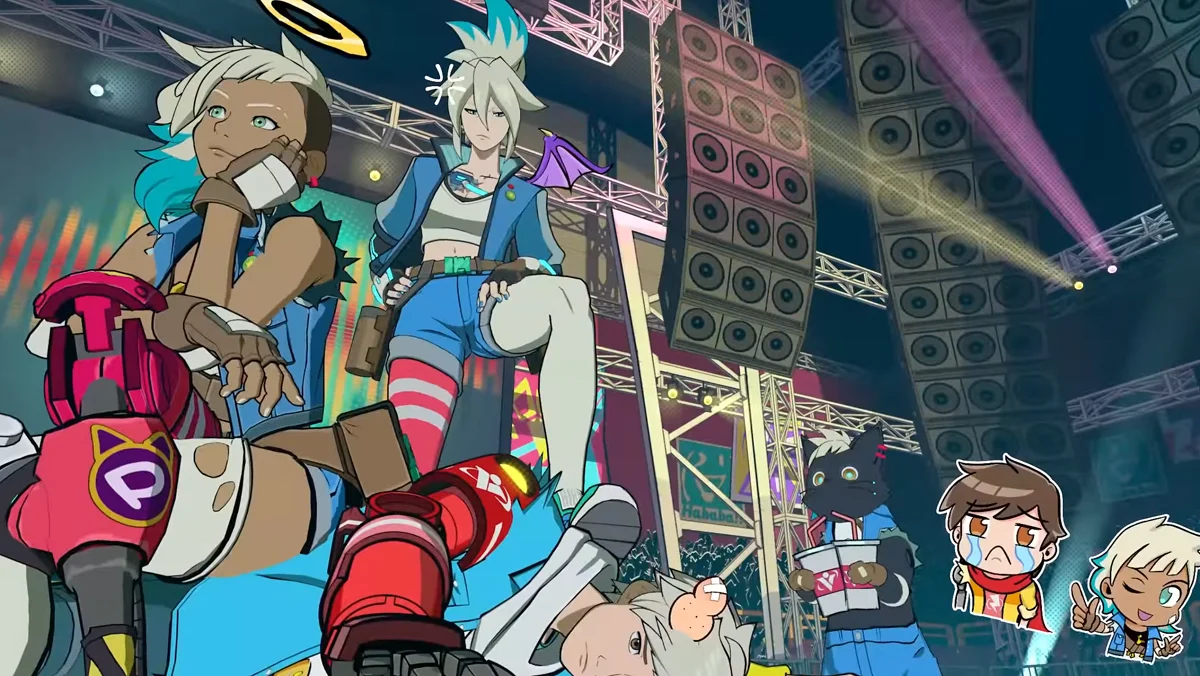
Equally impactful is the closure of Tango Gameworks, the studio behind the critically acclaimed rhythm-action game Hi-Fi Rush. Released as a surprise in January 2023, Hi-Fi Rush was lauded for its innovative gameplay, vibrant art style, and energetic soundtrack, and was considered a significant success for Xbox Game Pass. The studio’s most recent achievements include a BAFTA win for its work. Despite positive critical reception and public affirmations from Xbox’s VP of Games Marketing, Aaron Greenberg, who described Hi-Fi Rush as a "breakout hit," the studio’s closure comes as a shock. This is especially true considering the recent announcement that Hi-Fi Rush would be expanding to other platforms, including PlayStation 5, in March 2024. While Tango Gameworks’ games will remain accessible, the studio itself is ceasing operations.
A Broader Industry Trend of Consolidation and Cutbacks
The recent actions by Microsoft are not isolated incidents but rather reflect a broader, often harsh, economic reality within the video game industry. Throughout 2023 and into 2024, numerous gaming companies have undertaken significant workforce reductions. Embracer Group, once a prolific acquirer of game studios, has been actively divesting assets, selling off studios, and implementing widespread layoffs. Companies like Volition Games and Saber Interactive have been among those affected by Embracer’s restructuring.
This pattern of consolidation, acquisition, and subsequent downsizing has become a recurring theme. Industry analysts point to several contributing factors, including the immense cost of AAA game development, increasing competition, shifting consumer spending habits, and the saturation of the market. The rapid growth experienced during the COVID-19 pandemic, which saw a surge in gaming engagement, has been followed by a recalibration as the world returns to pre-pandemic norms.
Microsoft’s own financial performance provides a complex backdrop to these studio closures. In its fiscal year 2024 third-quarter earnings, reported on April 25, 2024, Microsoft announced robust overall financial results. The company reported $61.9 billion in revenue, a 17% increase year-over-year, with net income rising 23% to $21.9 billion. Specifically within the gaming segment, Xbox content and services revenue saw a significant increase of 62% (61% in constant currency), largely attributed to the impact of the Activision Blizzard acquisition. This growth stands in stark contrast to the layoffs and studio closures impacting development teams. Furthermore, in January 2024, Microsoft achieved a significant financial milestone, becoming the second company in history to reach a $3 trillion market capitalization. This financial success for the parent corporation raises questions about the rationale behind the significant reductions in its gaming studios.
Analyzing the Strategic Rationale and Future Implications
Matt Booty’s statement suggests a strategic pivot towards reinforcing existing "blockbuster" franchises and investing in new intellectual properties within Bethesda’s portfolio. This could imply a focus on established, high-revenue-generating IPs and a streamlining of resources away from projects perceived as less likely to achieve similar commercial success. The mention of nurturing "beloved worlds which you have nurtured over many decades" points towards a prioritization of established franchises like The Elder Scrolls, Fallout, and potentially others under the Bethesda umbrella.
The implications of these closures extend beyond the immediate impact on the affected developers. The departure of experienced talent from the industry raises concerns about a potential brain drain. Reports have already indicated that skilled professionals are leaving the gaming sector, a trend exacerbated by return-to-office mandates in some instances. This loss of expertise could hinder innovation and the development of diverse gaming experiences in the future.
The opaque nature of "success metrics" within the industry also contributes to the prevailing uncertainty. While financial reports highlight overall growth, the specific benchmarks used to justify studio closures and layoffs remain unclear to many within the development community. This lack of transparency fosters anxiety and makes it challenging for developers to navigate their careers with confidence.
Phil Spencer, Head of Xbox, has previously acknowledged the human cost of these industry shifts. In a March interview with Polygon, he expressed a desire for the industry to be a place where individuals can build careers with confidence, stating, "I reflect on friends of mine in the industry that have been displaced and lost their jobs and how just, I don’t want this industry to be a place where people can’t, with confidence, build a career." The current wave of closures, however, casts a shadow over such aspirations.
The Road Ahead: Uncertainty and the Future of Game Development
As Xbox prepares to host its showcase during the Summer Game Fest in June, the industry will be watching closely for any insights into the company’s future strategy and its response to the recent developments. The tension between the financial "fuel" required to create games and the passion that drives their creation remains a critical discussion point. As Larian Studios CEO Swen Vincke articulated, "They don’t care that much about the money made beyond it being the fuel they need to create new and better games. It’s worth reminding everyone that fuel is but a means, not a goal. Whereto and how we journey are what matter and what we remember."
The current climate in the video game industry is one of significant flux. With market outlooks appearing flat and publishing dollars reportedly harder to secure for independent developers, the path forward for many talented individuals is uncertain. The recent closures by Microsoft, while framed as strategic decisions, underscore the precariousness faced by game development studios and their employees in an industry striving for sustainable growth while navigating complex economic pressures. The question of accountability and the underlying reasons for these widespread workforce reductions will undoubtedly continue to be a subject of scrutiny and discussion within the gaming community.