


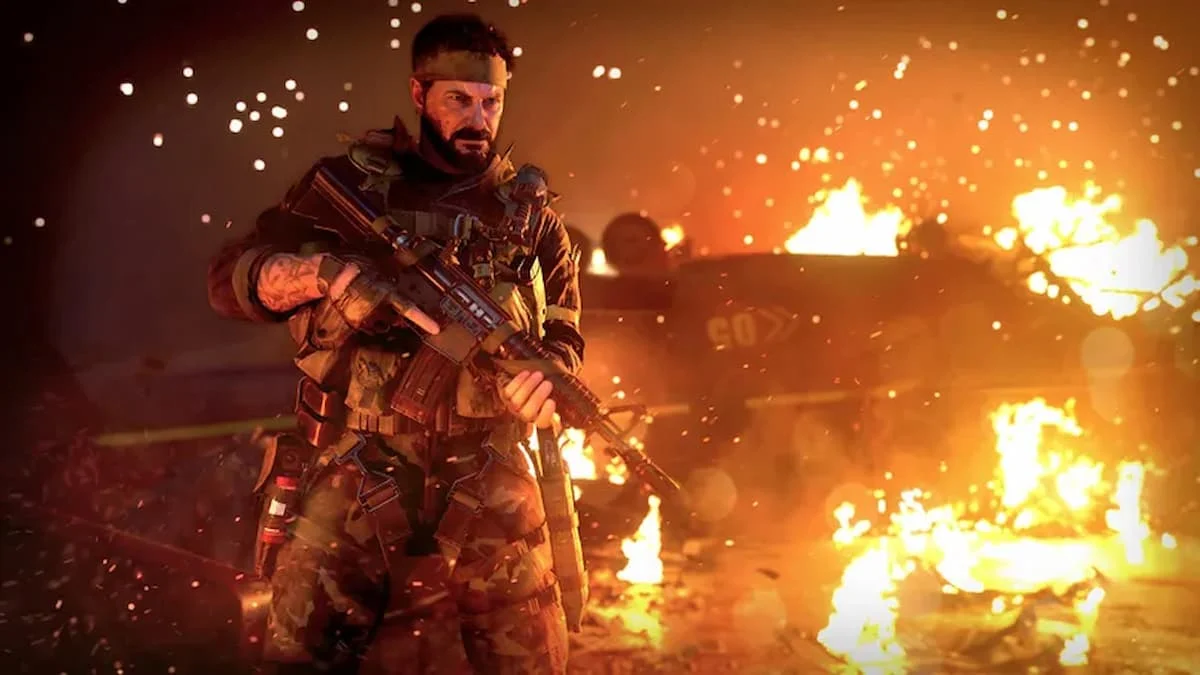
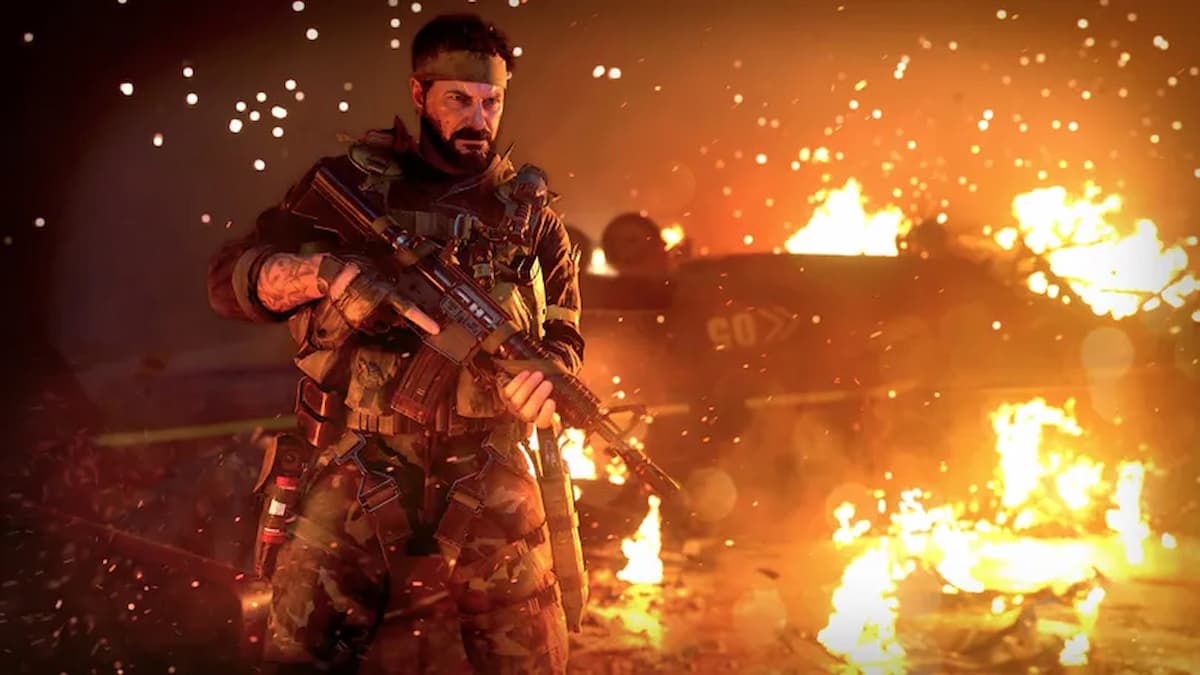
After a period of intense speculation and reported internal deliberations, industry sources indicate that the upcoming installment in the blockbuster Call of Duty franchise is set to debut on Xbox Game Pass on its launch day. This strategic move, reported by The Wall Street Journal, signifies a pivotal moment for Microsoft’s gaming division and the broader video game industry, potentially reshaping how premium titles are distributed and consumed. The new game, widely rumored to be Black Ops 6, is expected to be a tentpole release for Microsoft’s subscription service, a decision that comes with significant financial implications and strategic considerations following the colossal acquisition of Activision Blizzard.
The Genesis of a Groundbreaking Decision
For months, the gaming community has been abuzz with speculation regarding the future of Call of Duty under Microsoft’s ownership. The acquisition of Activision Blizzard for an estimated $69 billion was primarily driven by the desire to integrate its vast library of iconic titles, most notably Call of Duty, into the Xbox ecosystem and, critically, into the Game Pass subscription service. However, the path to this integration has not been without its complexities. Earlier reports suggested that Xbox executives harbored significant reservations about placing such a high-revenue generating title directly onto Game Pass. The concern was largely centered on the potential cannibalization of traditional full-price sales, which historically represent a substantial portion of Activision Blizzard’s annual revenue. For instance, previous Call of Duty titles like Modern Warfare 3 retailed for $70 or even $100 for premium editions, generating billions in sales globally. Offering a game of this magnitude day-one on a subscription service, which costs between $9.99 and $16.99 per month depending on the tier, presents a stark contrast in revenue models.
The Wall Street Journal’s report now suggests that Microsoft has resolved these internal debates, opting for a strategy that prioritizes subscriber growth and the long-term value proposition of Game Pass over immediate, upfront sales revenue from individual units. This decision underscores Microsoft’s unwavering commitment to its subscription model as the cornerstone of its gaming strategy, aiming to convert intermittent buyers into consistent subscribers. While the specific financial mechanisms to offset potential losses are still unclear, earlier discussions reportedly included the possibility of raising Game Pass subscription prices. Whether such a price hike will accompany the Call of Duty announcement remains a key question for consumers and market analysts alike.
Microsoft’s Strategic Playbook: The Game Pass Imperative
Xbox Game Pass has been the central pillar of Microsoft’s gaming strategy for several years, positioned as "the best value in gaming." Launched in 2017, the service has grown exponentially, boasting over 34 million subscribers as of late 2023. Its appeal lies in offering a rotating library of hundreds of games, including first-party titles available on launch day, for a single monthly fee. Microsoft has consistently invested heavily in acquiring studios and content to bolster Game Pass’s appeal, viewing it as a critical differentiator in the competitive gaming landscape. The acquisition of ZeniMax Media (parent company of Bethesda Softworks) and, more recently, Activision Blizzard, were monumental steps in this direction.
The integration of Call of Duty into Game Pass is not merely another addition; it is arguably the most significant content drop in the service’s history. Call of Duty is not just a game; it is a cultural phenomenon, consistently ranking among the best-selling games annually for nearly two decades. Its inclusion is expected to drive a substantial surge in Game Pass subscriptions, particularly among players who might otherwise only purchase Call of Duty and a few other titles each year. This move transforms Game Pass from an attractive value proposition into an almost indispensable service for a massive segment of the gaming population.
Navigating the Acquisition’s Aftermath: Activision Blizzard and Microsoft
The journey to bring Activision Blizzard under Microsoft’s wing was protracted and fraught with regulatory challenges. Announced in January 2022, the acquisition faced intense scrutiny from antitrust regulators worldwide, including the Federal Trade Commission (FTC) in the United States, the Competition and Markets Authority (CMA) in the United Kingdom, and the European Commission. A primary concern for these bodies was the potential for Microsoft to make Call of Duty exclusive to Xbox, thereby disadvantaging competitors like Sony’s PlayStation, which historically has been a major platform for the franchise.
To assuage these concerns and ultimately secure approval, Microsoft made legally binding commitments to keep Call of Duty available on PlayStation and other platforms for at least ten years. The decision to launch the game on Game Pass day-one while still selling it separately on other platforms, including PlayStation, Xbox (for non-subscribers), and PC, aligns with these commitments. It ensures multi-platform availability while simultaneously leveraging the franchise’s immense popularity to boost Microsoft’s subscription service.
The integration of Activision Blizzard titles into Game Pass has been a gradual process. Following the finalization of the deal in October 2023, Microsoft began rolling out select Activision Blizzard games. Diablo IV was notably added to Game Pass in March 2024, marking the first major post-acquisition title from the publisher to join the service. This paved the way and set a precedent for future, even larger, integrations like Call of Duty. The timeline from acquisition finalization to the day-one Game Pass launch of a new Call of Duty title demonstrates Microsoft’s deliberate strategy to maximize the long-term value of its acquired assets.
The Financial Calculus: Revenue vs. Reach
The financial implications of this decision are multifaceted and complex. Historically, a new Call of Duty title could sell tens of millions of units at full price within its first few weeks, generating billions in revenue for Activision Blizzard. By offering it on Game Pass, Microsoft is effectively trading a guaranteed upfront purchase for a share of a recurring subscription fee.
Consider the economics:
- Full-price purchase: A single sale of Modern Warfare 3 at $70 or $100.
- Game Pass subscription: A subscriber pays $9.99-$16.99 per month. To match the revenue of one full-price sale, a subscriber would need to maintain their subscription for several months, or even a year, depending on the tier and the specific game’s price. For example, to recoup a $70 sale at $16.99/month, it would take roughly 4.1 months of subscription.
Microsoft’s bet is that the influx of new subscribers, coupled with increased retention among existing ones, will generate more long-term revenue than the traditional sales model. Furthermore, Game Pass subscribers tend to play more games and spend more on additional content (DLC, microtransactions) within those games. If Black Ops 6 attracts millions of new subscribers and encourages existing ones to spend more on in-game purchases, the strategy could prove highly lucrative.
However, the risk of "cannibalization" is real. Players who previously bought every Call of Duty game might now opt for Game Pass, potentially reducing the overall revenue per player for that specific title. The rumored consideration of a Game Pass price hike suggests Microsoft is acutely aware of this delicate balance and may be exploring ways to increase the average revenue per user (ARPU) to mitigate these effects. Analyst firm DFC Intelligence estimated that Game Pass generates significant revenue, but the sheer cost of acquiring top-tier games like Call of Duty necessitates robust subscription growth to justify the investment.
Call of Duty’s Legacy and Future on Game Pass
The Call of Duty franchise, first launched in 2003, has evolved from a World War II shooter into a global entertainment powerhouse. Known for its annual releases, cinematic single-player campaigns, and highly competitive multiplayer modes, it has cultivated an enormous and dedicated player base. Its consistent commercial success has made it one of the most valuable intellectual properties in gaming.
Placing the next Call of Duty on Game Pass represents a significant departure from its established distribution model. While it has traditionally relied on high-volume, full-price sales, its presence on Game Pass could introduce the franchise to an even broader audience—players who might have been hesitant to pay full price for an annual iteration but are willing to try it as part of their subscription. This could rejuvenate the player base, foster greater engagement with the game’s evolving live-service elements, and potentially extend the game’s lifecycle through consistent updates and community growth driven by accessibility.
The integration also signals Microsoft’s intent to treat Call of Duty as a cornerstone of its subscription offering, much like its own first-party titles such as Halo or Forza. This could influence future development cycles, potentially aligning more closely with Game Pass’s content pipeline and subscriber engagement metrics.
Market Reactions and Player Expectations
The gaming industry is keenly observing this development. Competitors like Sony, which has its own PlayStation Plus subscription service, will be watching closely to see the impact on Game Pass subscriptions and Call of Duty sales on their platform. While Microsoft has committed to keeping Call of Duty on PlayStation, the day-one Game Pass offering on Xbox could create a significant competitive advantage for Microsoft, potentially swaying consumers towards the Xbox ecosystem.
Players, meanwhile, are likely to react with enthusiasm. The prospect of playing a brand-new Call of Duty game on launch day without an additional $70+ purchase is an incredibly attractive proposition. This move enhances the perceived value of Game Pass immensely, solidifying its position as a leading entertainment subscription service. The accessibility offered by Game Pass could also lead to a larger, more diverse player base for Black Ops 6, potentially boosting its multiplayer longevity and overall community engagement.
The Road Ahead: Unveiling and Launch
While details remain under wraps, rumors suggest that Black Ops 6 is slated for a late October launch, consistent with previous Call of Duty release windows. The official announcement regarding the game and its Game Pass inclusion is anticipated to occur during the Xbox Games Showcase event on June 9, potentially followed by a dedicated Call of Duty Direct presentation. This timing would allow Microsoft to leverage the hype of its major summer showcase to unveil one of the most anticipated gaming announcements of the year. The showcase is expected to provide further details on the game’s features, setting, and potential gameplay innovations, solidifying the narrative around its pivotal role in Microsoft’s strategic vision.
Broader Implications for the Gaming Industry
The decision to launch Call of Duty day-one on Game Pass is more than just a single game’s release; it represents a significant inflection point in the ongoing evolution of the gaming industry. It reinforces the trend towards subscription-based models and the consolidation of content under major platform holders. As gaming increasingly shifts towards digital distribution and recurring revenue streams, the value of owning a vast library of popular intellectual properties becomes paramount.
Microsoft’s aggressive strategy with Game Pass, now bolstered by the crown jewel of Activision Blizzard’s catalog, sets a new benchmark for what consumers can expect from gaming subscriptions. It challenges traditional retail models and may prompt other publishers and platform holders to re-evaluate their own content distribution strategies. The long-term success of this gambit could determine the future trajectory of Game Pass and indeed, the entire gaming landscape, solidifying subscription services as the dominant paradigm for game consumption in the coming decade. The industry will be watching closely to see if Microsoft’s bold move pays off, potentially ushering in a new era for gaming accessibility and monetization.