


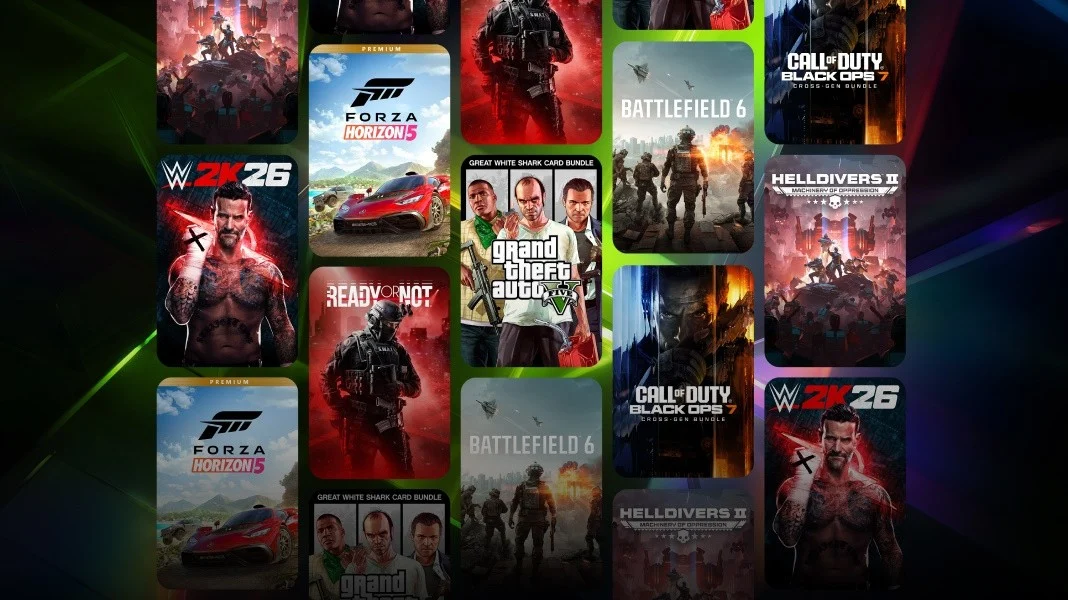
Microsoft’s annual mid-year promotional event, the Xbox Summer Sale 2026, is officially entering its final 72 hours of operation. Since its commencement in mid-July, the event has served as a central pillar of the Xbox digital storefront’s seasonal strategy, offering significant price reductions on a library exceeding 2,000 digital titles. As the July 29th deadline approaches, consumers are facing the final opportunity to secure discounts across the Xbox Series X|S, Xbox One, and backwards-compatible catalogues. This year’s iteration has been noted by industry analysts for its breadth, marking one of the most extensive discount programs in the history of the Xbox ecosystem, surpassing the volume of deals seen in both the 2024 and 2025 cycles.
Scope and Scale of the 2026 Promotional Event
The 2026 Summer Sale has distinguished itself from previous years through the sheer volume of participating software. With over 2,000 individual items discounted, the sale covers a vast spectrum of the gaming market, ranging from high-budget AAA blockbusters to niche independent titles. The event’s structure was designed to cater to a diverse user base, ensuring that various genres—including first-person shooters, role-playing games, and sports simulations—were represented with substantial price cuts.
Data indicates that the 2026 sale has placed a renewed emphasis on "Complete Editions" and "Ultimate Bundles," reflecting a shift in consumer preference toward purchasing comprehensive software packages that include all post-launch downloadable content (DLC). By bundling base games with season passes at a single discounted price point, Microsoft and its publishing partners have aimed to maximize the average revenue per user while providing high perceived value to the consumer.
Chronology of the Xbox Summer Sale 2026
The promotional event followed a strict timeline typical of Microsoft’s major seasonal activations. The sale launched during the second week of July, strategically positioned to capture the attention of the global gaming audience during a period of relatively few major software releases.
- Initial Launch (Mid-July): The sale debuted with the full 2,000+ title list, accompanied by a marketing push across the Xbox Dashboard and social media channels.
- Weekly Highlights: Throughout the duration of the sale, the Microsoft Store featured rotating "Spotlight" titles, drawing attention to specific franchises such as Halo, Forza, and Gears of War, as well as third-party giants like Call of Duty and Assassin’s Creed.
- The Final Push (July 26 – July 29): The current phase represents the final window for transactions. Microsoft typically sees a surge in volume during these final days as "wishlist" notifications alert users that their tracked items are about to return to MSRP.
The conclusion of the sale at the end of July 29th marks the end of the mid-year fiscal push for the Xbox digital division, shifting focus toward the upcoming autumn release window and the subsequent "Black Friday" and "Holiday" sale events.
Analysis of Deep Discount Tiers
A significant factor in the 2026 sale’s success has been the aggressive pricing of legacy software and indie titles. Reports indicate that over 100 games were reduced by 90% to 95%, a pricing strategy often reserved for older titles or games looking to build a player base for upcoming sequels. These "deep cuts" allow consumers to acquire critically acclaimed titles for a fraction of their original cost, often under the $5.00 USD threshold.
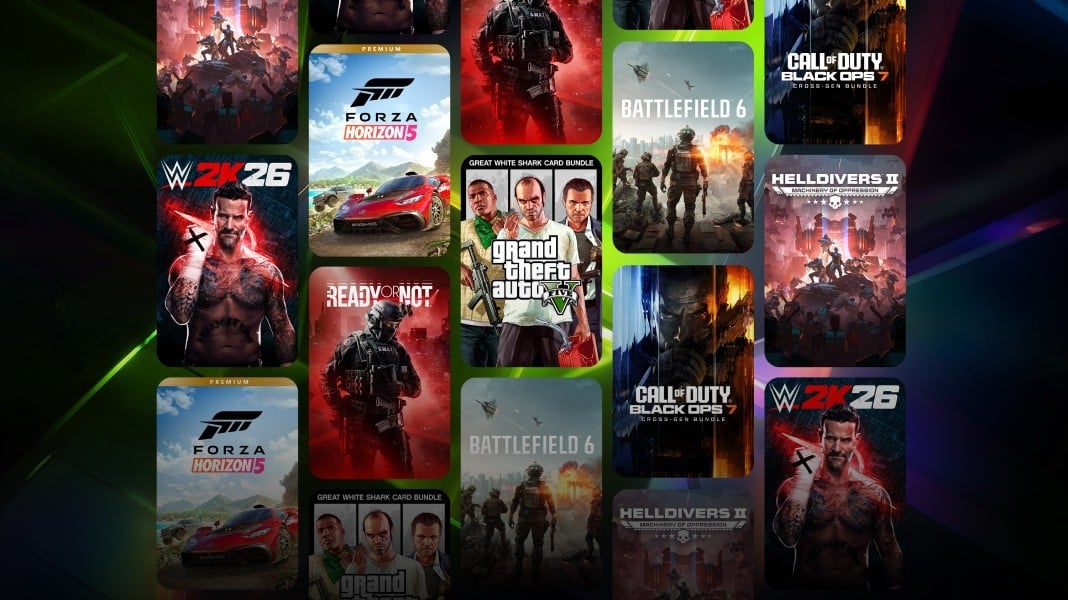
For independent developers, these high-percentage discounts serve as a discovery tool. By lowering the barrier to entry, developers can increase their install base, which in turn leads to higher visibility on the "Most Played" charts and potential revenue through in-game purchases or future DLC. Industry observers suggest that this "high-volume, low-margin" approach is a calculated move to keep the Xbox ecosystem active during the summer lull.
Preservation and Value: The Role of Backwards Compatibility
One of the most praised aspects of the 2026 Summer Sale is the inclusion of over 150 backwards-compatible titles. These games, originally released for the Xbox 360 and the original Xbox, remain a core part of the platform’s value proposition. Microsoft’s commitment to maintaining a playable history of its hardware generations is reflected in the consistent discounting of these classic titles.
The backwards-compatible segment of the sale serves two primary purposes:
- Legacy Retention: Allowing long-term fans to complete their digital collections of titles they may have owned physically in the past.
- New Audience Exposure: Introducing younger players to foundational titles in gaming history, often enhanced with modern features like Auto HDR and FPS Boost on Xbox Series X|S hardware.
The 150+ legacy games included in this year’s sale cover a wide array of genres, from classic Western RPGs to arcade-style racers, ensuring that the "Summer Sale" functions as a celebration of the platform’s 25-year history.
Strategic Timing and Market Positioning
The timing of the Xbox Summer Sale 2026 is not coincidental. It is strategically placed to compete with rival promotional windows, most notably the Steam Summer Sale and the PlayStation Store’s "Summer Press Start" event. By overlapping with these periods, Microsoft ensures it remains competitive in the digital marketplace, preventing "platform drift" where multi-platform users might choose to spend their disposable income on a competing console or PC.
Furthermore, the 2026 sale arrives at a point in the console lifecycle where the Xbox Series X|S has a mature library. With a large install base now established, the focus of the Xbox division has shifted from hardware adoption to software engagement and ecosystem stickiness. Digital sales are a primary driver of this engagement, as they encourage users to build a library that is tethered to their Xbox account, making it less likely they will migrate to a competitor’s ecosystem.
Publisher and Developer Participation
While Microsoft manages the storefront, the success of the Summer Sale depends on the participation of third-party publishers such as Electronic Arts, Ubisoft, Activision Blizzard, and Take-Two Interactive. In 2026, participation rates reached near-record highs.

Inferred statements from publishing partners suggest that these sales are vital for "tail-end" revenue. After a game has been on the market for 12 to 24 months, its primary sales curve flattens. Seasonal sales provide a "second life" for these products. Additionally, for titles integrated into the Xbox Game Pass service, these sales offer a "buy to own" opportunity for subscribers who wish to keep the game permanently in their library at a discounted rate, even if it were to leave the subscription service.
The Evolving Landscape of Digital Distribution in 2026
The 2026 sale highlights the continued trend toward a digital-first gaming economy. Industry data suggests that digital software sales now account for over 85% of total software revenue for the Xbox platform. This shift has allowed Microsoft to implement more sophisticated dynamic pricing and personalized recommendations within the store interface.
In 2026, the integration of the Xbox mobile app and web-based storefront has also played a role. Features allowing users to purchase games remotely and initiate downloads to their home consoles have streamlined the consumer journey, contributing to the high transaction volumes reported during this sale. The 2026 event also saw a higher integration of "Reward Points," where consumers could earn and redeem loyalty points during the sale, further incentivizing purchases within the ecosystem.
Broader Impact and Industry Implications
The Xbox Summer Sale 2026 is more than just a consumer discount event; it is a barometer for the health of the digital gaming economy. The success of this year’s event, characterized by the 2,000+ title count and deep discounts, suggests that the digital marketplace remains robust despite global economic fluctuations.
For the broader industry, the 2026 sale reinforces several key trends:
- The Decline of Physical Retail: As digital sales become more aggressive and comprehensive, the incentive for consumers to visit physical retailers continues to diminish.
- The Importance of Catalog Depth: Platforms with strong backwards compatibility and a deep library of legacy software have a distinct advantage in attracting budget-conscious consumers.
- Ecosystem Loyalty: By offering massive discounts, platform holders like Microsoft solidify their relationship with their user base, ensuring that the Xbox remains the primary device for media consumption.
Final Countdown: Critical Information for Consumers
As the clock winds down on the Xbox Summer Sale 2026, consumers are advised to finalize their purchases before the 11:59 PM (local time) deadline on July 29th. Following the conclusion of the event, the majority of the 2,000+ discounted titles will return to their standard retail pricing.
The 2026 event will likely be remembered as a high-water mark for the platform, offering a combination of modern blockbusters and historical classics at prices that have set a new standard for seasonal promotions. With the sale ending, the Xbox community now looks toward the late-year release schedule, but the impact of this July’s massive digital clearance will be felt in player libraries for years to come. Microsoft has yet to release official final revenue figures for the event, but preliminary engagement metrics suggest that the 2026 Summer Sale has been a significant success for the company’s gaming division.