


Microsoft’s recent announcement regarding the expansion of its Xbox backwards compatibility program to the Windows PC platform has revitalized discussions surrounding the preservation of legacy gaming titles and the unification of the Xbox ecosystem. Following the revelation that an initial selection of classic console titles would receive native support on PC, the gaming community has shifted its focus toward the vast catalog of Xbox and Xbox 360 titles that have historically remained locked to console hardware. This initiative, which aligns with Microsoft’s broader "Xbox Everywhere" strategy, seeks to bridge the gap between console generations and the PC market, leveraging the power of modern hardware to revitalize software that was previously restricted by aging architecture.
The movement has gained significant momentum through the Xbox Game Preservation project, a community-driven platform that has introduced a structured voting system to gauge consumer demand for specific legacy ports. The leaderboard reflects a clear consensus among enthusiasts, prioritizing titles that never received official PC releases during their original lifecycles. As Microsoft evaluates the technical feasibility of expanding this program, the industry is observing how the integration of legacy software could redefine the value proposition of the Windows gaming environment and the Xbox Game Pass service.
A Chronology of Xbox Backwards Compatibility
The journey toward PC-based backwards compatibility is the culmination of a decade-long effort by Microsoft to maintain software continuity. The program originally launched for the Xbox One in November 2015, utilizing a sophisticated custom emulator to run Xbox 360 titles. This was later expanded in 2017 to include the original Xbox library. By the time the program reached a "final" update in November 2021, over 600 titles had been made compatible with the Xbox Series X|S, many featuring enhancements such as Auto HDR, resolution scaling, and FPS Boost.
However, the transition to PC represents a new technical frontier. While modern Xbox consoles share an x86-64 architecture similar to PCs, the Xbox 360 utilized a PowerPC-based Xenon architecture, which presents significant emulation hurdles. The July 2026 announcement that Microsoft had successfully engineered a solution for native PC playback marks a pivotal shift in the company’s approach to digital preservation. By moving beyond the "closed box" of the console, Microsoft is addressing long-standing criticisms regarding the ephemeral nature of digital software licenses and the eventual obsolescence of hardware.
The Xbox Game Preservation Leaderboard and Community Demand
The Xbox Game Preservation initiative serves as a barometer for player sentiment, highlighting a distinct preference for high-budget first-party exclusives and cult-classic Japanese Role-Playing Games (JRPGs). Data from the latest voting rounds indicates that the demand is not merely for nostalgia, but for the functional recovery of "lost" experiences. For many of these titles, the original discs are the only way to play, and as hardware fails, the risk of these games becoming unplayable increases.
The following ten titles represent the most requested and strategically significant candidates for the PC backwards compatibility program, selected based on their historical impact, the lack of existing PC ports, and their current status within the console-based compatibility layer.
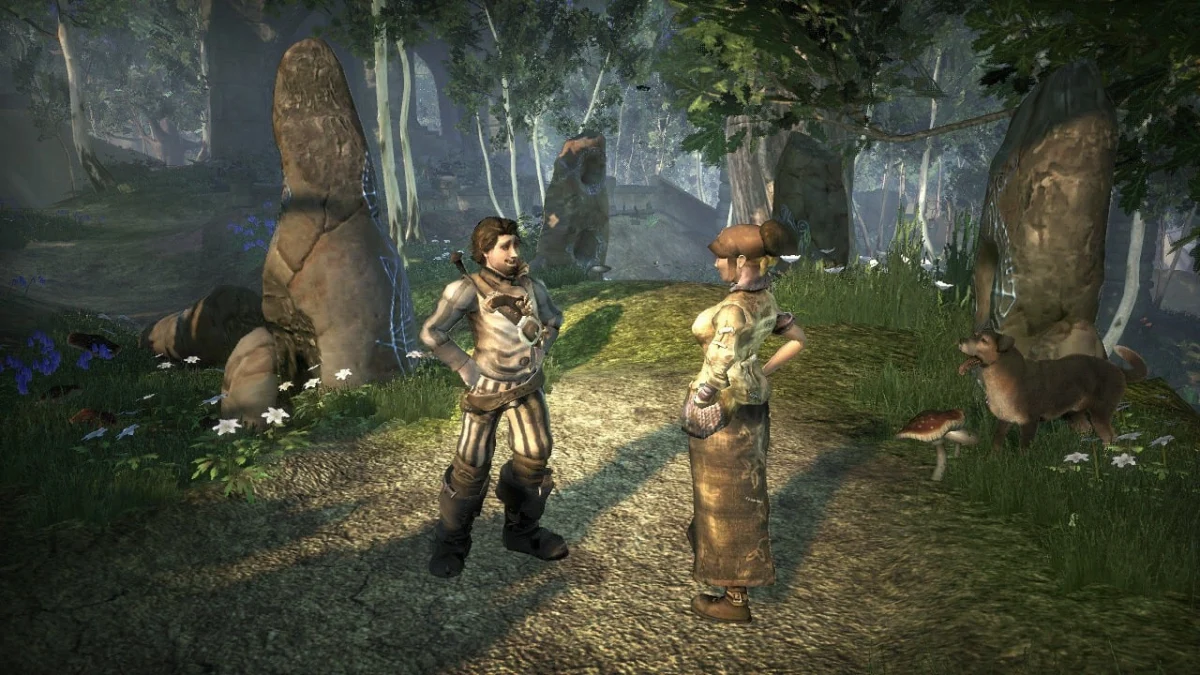
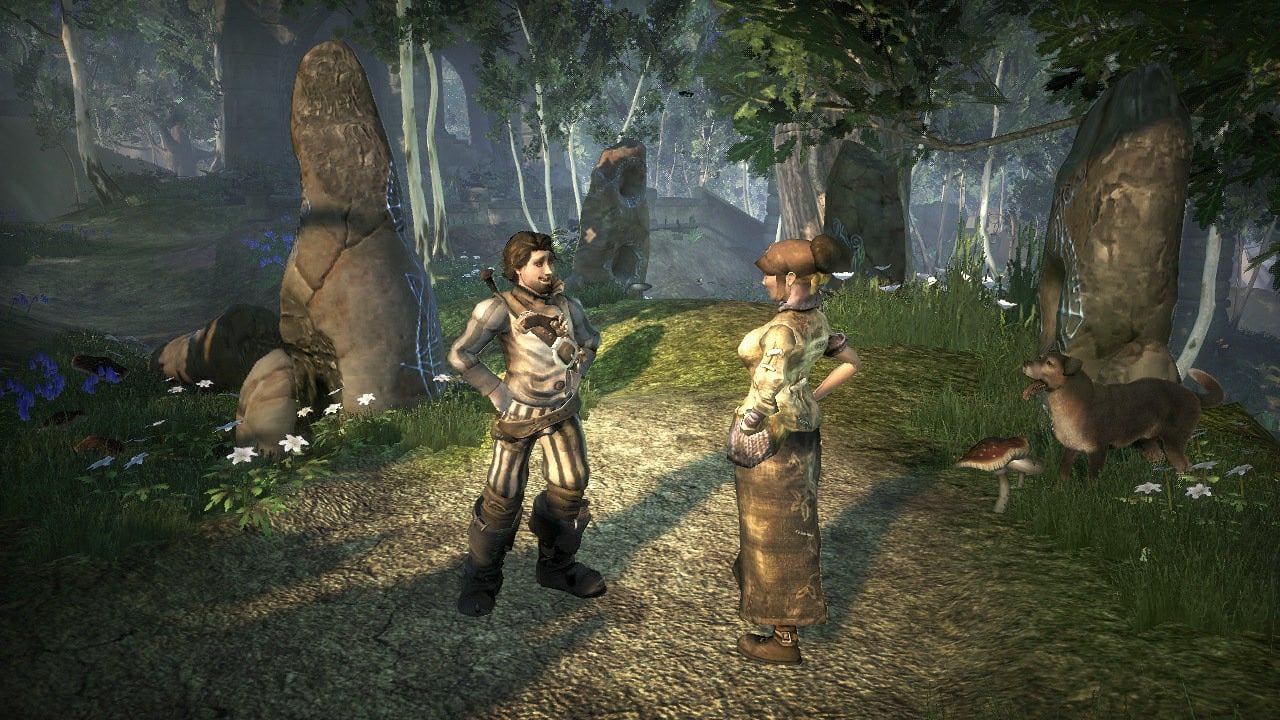
1. Fable 2 (Xbox 360)
Released in 2008 by the now-defunct Lionhead Studios, Fable 2 remains a glaring omission in the PC gaming landscape. While its predecessor, Fable: The Lost Chapters, and its successor, Fable 3, both saw PC releases, the second entry remained an Xbox 360 exclusive. As an action RPG that emphasized player choice and environmental consequence, Fable 2 is considered the pinnacle of the franchise. A PC release would allow for higher frame rates and resolution, addressing the performance issues that occasionally hampered the original console experience.
2. Gears of War 2 (Xbox 360)
The Gears of War franchise is a cornerstone of the Xbox identity. While the original game was ported to PC and later remastered as the Ultimate Edition, and Gears 4 and 5 were released simultaneously on Windows, Gears of War 2 remains trapped on legacy hardware. This title expanded the scale of the Locust-Human conflict and introduced the "Horde" mode, which became a staple of the industry. Its absence on PC prevents fans from experiencing the full narrative arc of Marcus Fenix on a single platform.
3. Skate 3 (Xbox 360)
Electronic Arts’ Skate 3 has maintained a massive following years after its 2010 release, largely due to its unique physics-based control scheme and a resurgence in popularity via content creators. Despite the announcement of a new Skate title in development, the third entry remains the definitive skateboarding simulation for many. Bringing Skate 3 to PC would provide a modern home for its robust community-created content and "Hall of Meat" physics challenges.
4. Lost Odyssey (Xbox 360)
Developed by Mistwalker and led by Final Fantasy creator Hironobu Sakaguchi, Lost Odyssey is often cited as one of the greatest traditional JRPGs of its era. Spanning four discs upon its initial release, the game featured a mature narrative and a sophisticated turn-based combat system. Given the resurgence of JRPGs on PC through platforms like Steam, Lost Odyssey is a prime candidate for preservation, ensuring its emotional story and Nobuo Uematsu’s score reach a new generation.
5. TimeSplitters 2 (Xbox)
The TimeSplitters series, developed by Free Radical Design, is renowned for its fast-paced arcade shooting and eccentric humor. TimeSplitters 2 is frequently regarded as one of the best first-person shooters of the sixth console generation. While a hidden 4K port was famously discovered within Homefront: The Revolution, a dedicated, fully integrated version for the Xbox PC app would provide the stability and multiplayer support the title deserves.
6. Banjo-Kazooie (Xbox 360 Version)
While originally a Nintendo 64 title, the Xbox 360 port of Banjo-Kazooie remains the definitive version, featuring improved resolutions and the "Stop ‘N’ Swop" connectivity. As Microsoft owns Rare Ltd., bringing this iconic platformer to PC would solidify the company’s commitment to its legacy IP, especially following the successful PC debut of other Rare titles like Sea of Thieves.
7. Burnout Revenge (Xbox 360)
The Burnout series represents a style of aggressive arcade racing that has largely disappeared from the modern market. Burnout Revenge focused on "traffic checking" and spectacular crashes, offering a different experience than the open-world Burnout Paradise. Licensing music and real-world vehicle inspirations often complicates the preservation of racing games, but Revenge remains a top priority for fans of the genre.
8. Ninja Gaiden Black (Xbox)
Considered one of the most challenging and mechanically deep action games ever made, Ninja Gaiden Black is the refined version of Tomonobu Itagaki’s 2004 masterpiece. While the Ninja Gaiden Master Collection brought the "Sigma" versions to PC, many purists argue that the original Black version features superior balancing and enemy placement. Its addition to PC backwards compatibility would satisfy a dedicated niche of action-game enthusiasts.
9. Blue Dragon (Xbox 360)
Another collaboration between Hironobu Sakaguchi and legendary Dragon Ball artist Akira Toriyama, Blue Dragon was a major attempt by Microsoft to capture the Japanese market. Its traditional mechanics and whimsical art style have allowed it to age gracefully. Following the passing of Toriyama, there is an increased cultural impetus to preserve the works he contributed to within the gaming medium.

10. SSX 3 (Xbox)
The SSX franchise defined the extreme sports genre in the early 2000s. SSX 3 introduced an "open mountain" concept that allowed players to ride from the peak to the base without loading screens—a technical marvel for its time. On modern Xbox consoles, the game runs at 4K resolution, demonstrating how well the assets hold up. A PC version would offer the definitive way to experience this high-speed winter sports classic.
Technical Implications and Support Data
The expansion of backwards compatibility to PC is not merely a software update but a complex engineering feat. According to Microsoft’s technical briefings, the system utilizes a "translation layer" that allows the Windows kernel to interpret legacy Xbox API calls. This is similar in philosophy to the Proton layer used by Valve’s Steam Deck to run Windows games on Linux.
Data suggests that the demand for legacy content is a significant driver for ecosystem loyalty. In a 2022 report, Microsoft noted that players who engaged with backwards compatible titles spent an average of 25% more time in the Xbox ecosystem than those who did not. By bringing these games to PC, Microsoft is tapping into a hardware market that exceeds 1.5 billion users worldwide. Furthermore, the ability to play these games on handheld PC devices, such as the ASUS ROG Ally or Lenovo Legion Go, provides a "portable Xbox" experience that the company has yet to offer through dedicated hardware.
Broader Impact on the Gaming Industry
Microsoft’s move places significant pressure on competitors like Sony and Nintendo. While Sony has introduced "Classics" through its PlayStation Plus Premium tier, these are often restricted to cloud streaming or limited emulated ports on PS4/PS5, with no native PC equivalent. Nintendo remains focused on its "Switch Online" subscription model, which does not allow for permanent ownership or high-end hardware enhancements.
The broader implication of Xbox’s PC initiative is the normalization of "forward-compatible" software. If a game purchased in 2005 can run natively on a high-end gaming rig in 2026 with minimal friction, the value of a digital library increases exponentially. This strategy also serves as a hedge against the rising costs of modern game development; by monetizing a deep back catalog, publishers can generate steady revenue streams while taking greater risks on new intellectual properties.
As Microsoft continues to refine the technical infrastructure of the Xbox app on Windows, the arrival of these ten titles—and many others—seems inevitable. The intersection of community advocacy, corporate strategy, and technological advancement has ensured that the "backwards compatibility" era is no longer a console-exclusive luxury, but a fundamental component of the modern PC gaming experience.