



The shadowy digital underworld of Welcome to the Game 3 presents players with a gauntlet of relentless adversaries, each with unique mechanics designed to exploit player vulnerabilities. This installment in the Welcome to the Game series, developed by Reflect Studios, throws players into a high-stakes environment where survival hinges on understanding and counteracting these persistent threats. The game’s core loop revolves around navigating the dark web, completing illicit requests, and evading a roster of terrifying characters who actively hunt the player. This comprehensive guide details the mechanics of each killer, offering insights into their behaviors and the strategies required to survive their relentless pursuit.
The Evolving Threat Landscape of Welcome to the Game 3
Welcome to the Game 3 escalates the tension established in its predecessors by introducing a more dynamic and interconnected threat system. Unlike earlier iterations where threats might be more isolated, WTTG3 weaves them into a complex web of cause and effect. The game’s premise centers on a player character, Simon, who finds himself entangled in a dangerous online conspiracy, forced to navigate the treacherous depths of the dark web to uncover truths and survive. This journey is fraught with peril, as malicious actors, both digital and physical, are constantly on the lookout for their next victim. The game’s persistent killers are not merely random encounters; they are integrated elements of the game’s economy and progression, often tied to player actions and the game’s internal clock.

The initial hours of any playthrough are critical for establishing a foundation of resources and defensive measures. Killers begin their active hunt from 9:30 PM in normal mode, necessitating proactive preparation. This involves leveraging in-game tools such as VirtMesh for mining, which generates cryptocurrency essential for purchasing vital items on DarkDrop. These purchased items can include surveillance equipment, crucial for anticipating killer movements. Simultaneously, players can earn reputation and in-game currency by completing requests on A.C.R.S., which often involves gathering and selling sensitive data from the dark web or fending off hacking attempts. The ShadowFetch tool allows for the conversion of URLs into MP4 files, a common objective in many dark web requests. The A.C.R.S. platform also features a ping system, enabling players to bookmark requests before they reset every half hour, ensuring that valuable opportunities are not lost.
Understanding the Persistent Killers and Their Countermeasures
The array of killers in Welcome to the Game 3 represents a significant evolution in the series’ horror mechanics, drawing from established archetypes while introducing novel challenges. Each killer possesses a distinct activation trigger and pursuit pattern, demanding specific tactical responses from the player.
The Bomb Maker: A Race Against Time
The Bomb Maker operates on a mechanic reminiscent of the Dollmaker from Welcome to the Game 2. This threat is not constant but is triggered only when the player directly visits the Bomb Maker’s specific website. While not guaranteed to appear in every game session, encountering this website initiates a critical sequence. Upon visiting, a prominent in-game timer will appear, signaling the activation of a bomb. The player is then immediately messaged via CryptChat by the Bomb Maker, who provides the disarm code. The player has a narrow window of 90 seconds to locate and defuse the bomb. Failure to do so results in an immediate game over.
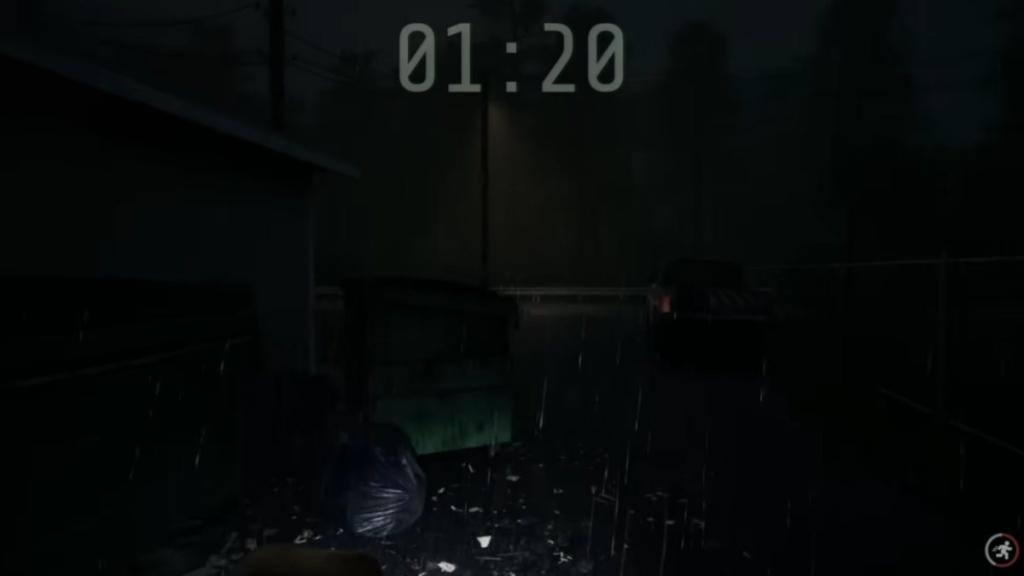
Strategic Countermeasures: The most effective countermeasure against the Bomb Maker is entirely preventative: simply avoid clicking on the Bomb Maker’s website altogether. If the website is accidentally accessed, the player must act with extreme speed and precision, prioritizing the disarming of the bomb above all other in-game activities. This necessitates quick navigation and a clear understanding of the bomb’s location within the game environment.
The Breather: Stalking the Dead Drop
A returning antagonist from previous Welcome to the Game titles and Dead Signal, the Breather is characterized by its predatory behavior towards Amazon Prime drones. This killer’s activation is directly linked to the player’s interaction with the dead drop location, situated beneath a lit bridge on the far left side of the map, outside the motel. The Breather will immediately pursue and eliminate the player if they stray too far from the designated path while collecting items from the dead drop.
Strategic Countermeasures: Upon retrieving packages from the dead drop, the Breather will spawn and initiate a chase. Players are advised to ensure their stamina is at its maximum before approaching the dead drop. The primary escape route is to run directly back to the motel. The Breather will cease its pursuit once the player enters the motel’s parking lot, providing a temporary reprieve. Maintaining awareness of the dead drop’s location and the player’s proximity to it is key to avoiding encounters.
Cletus: The Demanding Addict
Cletus presents a unique gameplay challenge, driven by a peculiar demand for methamphetamine. He will only attack if the player is not in possession of his required supply. Players must procure meth from various motel rooms and around the parking lot at the commencement of each playthrough. When the player’s supply dwindles, they must locate and contact dealers via A.C.R.S. This involves clicking on a dealer’s username to check their Reputation (Rep) level and then “PING” to initiate contact. Upon successful contact, the player receives a Dealer ID, which can be entered into the DAREdash application to purchase crystal meth. This Dealer ID is not persistent across save files. The purchasing process mirrors that of acquiring items from DarkDrop.
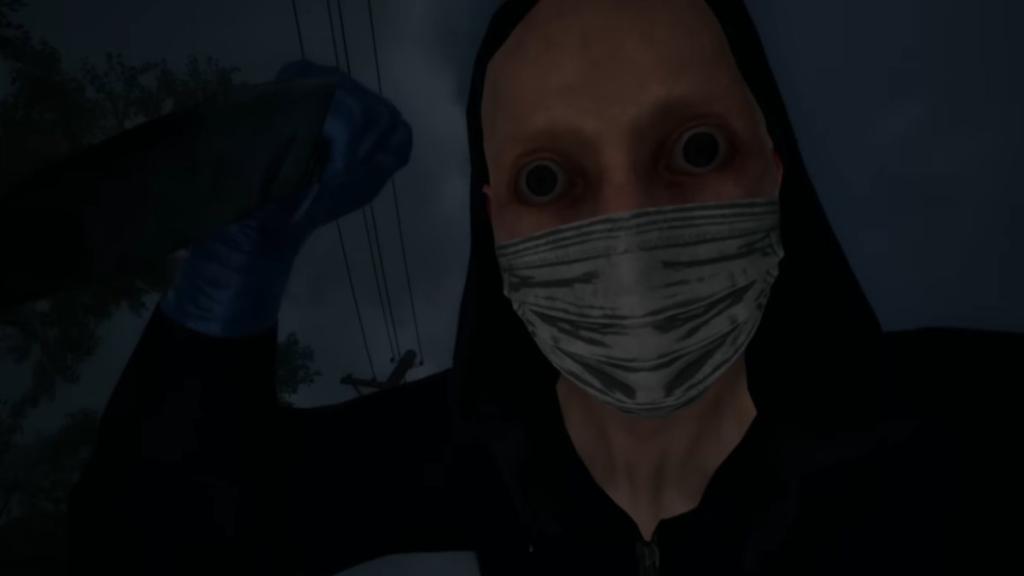
Strategic Countermeasures: Maintaining at least one baggie of meth in the player’s inventory is paramount. It is also advisable to avoid carrying more than one at a time, as Cletus will confiscate the entire supply if he catches the player with it. While Cletus will not kill the player if his demand is met, he will relocate them to a motel room if encountered outside, disrupting their current objectives.
The Kidnapper: A Stationary Threat
The Kidnapper possesses the most straightforward, yet potentially disruptive, mechanic in the game. This threat manifests when the power or internet connection is interrupted. The Kidnapper occupies a white van parked in the motel’s parking lot. Players must avoid leaving the motel via either the front or back doors when the white van is present, as this will result in immediate abduction.
Strategic Countermeasures: The simplest strategy is to remain inside the motel until the white van has departed. The longer the player waits, the greater the risk of other threats, such as Noir, appearing, especially if multiple lights are switched off in an attempt to counter Lucas. Patience and observation of the parking lot are crucial when dealing with the Kidnapper.
Lucas: The Persistent Assassin
Lucas remains a cornerstone threat within the Welcome to the Game franchise, consistently proving to be the most formidable antagonist. Appearing in every installment since Welcome to the Game 2, Lucas is portrayed as a relentless hitman. His primary method of attack involves infiltrating the main building through the back doors, including the Electrical Room door, which players may unlock for operational purposes. While he can attack the player outdoors, his preferred method is internal assault.

Strategic Countermeasures: Players must ensure all back doors are securely locked from the outset of each run. Doors should only be unlocked when absolutely necessary, such as for repairing internet connectivity or restoring power. A subtle audio cue signals Lucas unlocking a back door, providing a brief window to reach one of two designated hiding spots: the lockers to the far right of the computer terminal or the laundry basket on the far left. Upon reaching a hiding spot, a minigame activates, requiring the player to maintain a cursor within a moving band by holding and releasing the spacebar. The minigame persists until Lucas departs. Turning off two to three lights at the beginning of each run and shutting down the computer when Lucas is detected can prevent him from stealing DOS coins.
The strategic deployment of motion sensors is highly recommended. These devices, when triggered, emit an audible beep and display a red flashing icon on the computer taskbar. Positioning two motion sensors on the backside of the main building (in the ALLEY area), far enough from the outer doors, provides ample warning to turn off lights and seek cover.
Noir: The Shadowy Duo
Noir, a recurring pair of antagonists from Dead Signal and other Reflect Studios titles, presents a unique observational challenge. The presence of these killers is amplified when the lights are kept off, making power restoration efforts particularly perilous.
Strategic Countermeasures: When Noir appears outside, players must carefully observe their positions. If one individual is on the left, the player should shine a light on them and then look away for five seconds. If the other individual is positioned to the left, this duration extends to ten seconds. It is imperative to confirm their departure before moving away from the observation point. On occasion, one member of the duo may enter the player’s immediate vicinity while they are at the computer. In such instances, the player should simply look away for a few seconds and await a whispered indication that they are leaving.

Tanner: The Desperate Injector
Tanner, a character originally from Scrutinized, returns with an increased sense of desperation. His attacks can occur both inside motel rooms and by breaching the counter in the main building. A panic button, located to the right of the computer, can temporarily disable the automatic doors, potentially causing Tanner to crash into the glass if timed correctly.
Strategic Countermeasures: Over-reliance on the panic button is ill-advised, as its overuse can lead to network disruptions, necessitating external repairs. Installing cameras can help detect Tanner’s approach, though their deployment and opening can be time-consuming. Motion sensors are a more immediate solution; placing them on the thin pillars at the edge of the motel parking lot, near the road, allows players to monitor movement in the FRONT_OUTER_LOT via the taskbar icon. If motion is detected, the panic button can be activated.
Upon entering motel rooms, players should lock the doors behind them and utilize the peephole to ascertain Tanner’s presence. Spotting Tanner confirms he is on a cooldown period, granting the player a temporary respite to address other threats.
Tucker: The Opportunistic Attacker
Tucker primarily targets players when they are outside, specifically when engaged in repairing the internet router. The rustling of leaves serves as an auditory cue for his proximity. This often occurs when the player is locked in an animation for unplugging the router.

Strategic Countermeasures: When Tucker is detected via leaf rustling, players should remain stationary and await a second rustle, indicating he has moved away. If music is heard playing from an outdoor speaker, it signifies a different encounter. In this scenario, players must run into the parking lot and locate an "Ace of Spaces" playing card on one of the motel doors. Entering the designated room and locking the door behind them is crucial. Players should wait until a triumphant tune plays, signaling Tucker’s departure.
Implications for Player Strategy and Game Design
The intricate design of Welcome to the Game 3‘s persistent killers reflects a growing trend in survival horror games: the integration of complex AI behaviors that adapt to player actions and the game’s internal systems. The success of players in WTTG3 is not solely dependent on reflexes but on a deep understanding of these mechanics and a meticulous approach to resource management and environmental awareness. The game challenges players to think critically about risk versus reward, whether it’s venturing out for a critical item, risking a power restoration, or simply navigating the digital landscape.
The developers, Reflect Studios, have consistently focused on creating atmospheric tension through these persistent threats. The psychological impact of knowing that any moment could lead to a deadly encounter, coupled with the need to manage multiple overlapping threats, creates a uniquely stressful yet engaging gameplay experience. As players become more familiar with the behaviors of each killer, the game encourages the development of sophisticated strategies that involve anticipating threats, optimizing routes, and utilizing the limited tools available for defense and evasion. The evolving nature of these killers, and their interconnectedness, ensures that no two playthroughs are exactly alike, offering significant replayability and a consistently high level of challenge. The success of Welcome to the Game 3 in this regard is a testament to its innovative approach to enemy design and its commitment to delivering a truly immersive and terrifying digital experience.