


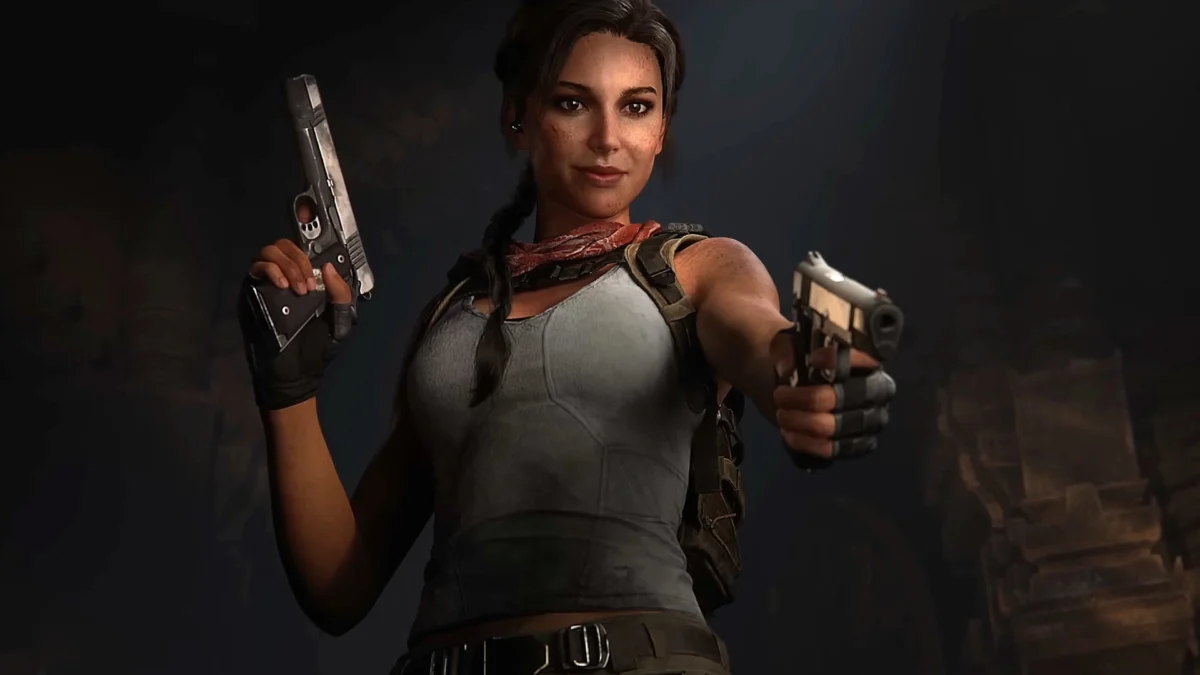
The highly anticipated next mainline installment in the iconic Tomb Raider series, Tomb Raider: Catalyst, has seen its projected release date shifted into 2028, marking the second significant delay for Amazon’s ambitious Lara Croft gaming initiatives. This news follows a prior announcement that Tomb Raider: Legacy of Atlantis, a reimagining of Lara Croft’s foundational adventures, would also be pushed back from its original 2025 target to February 12, 2027. The revelation concerning Catalyst came indirectly from Jeffrey Gattis, Amazon’s Head of Gaming, during an interview focused on the Amazon Luna cloud gaming service, further signaling a more protracted development timeline for these high-profile titles.
An Unscheduled Disclosure: The Catalyst Delay Emerges
The delay of Tomb Raider: Catalyst was not announced through a dedicated press release or a formal developer update, but rather surfaced during a broader discussion about Amazon’s gaming portfolio. Speaking on "The Game Business" podcast, Gattis provided an update on Amazon’s commitment to the gaming sector and the progress of their flagship projects. When outlining the release schedule for the Tomb Raider titles, Gattis stated: "We’ve announced the two Tomb Raider titles, you know, [Legacy of] Atlantis comes February 12th of next year. And then we’ll follow on in 2028 with the next one. So we’re excited about those. There are some other, you know, AAA things that are in various stages of discussion right now." This seemingly casual mention confirmed the shift for Catalyst, which had previously been hinted for a 2027 release, effectively adding another year to fans’ waiting period.
This disclosure underscores the complex and often fluid nature of AAA game development, where timelines can frequently extend beyond initial projections. While game delays are not uncommon in the industry, the sequential nature of these postponements for Amazon’s Tomb Raider projects raises questions about the scope, challenges, and strategic pacing of their foray into the premium gaming space. Both games are being developed in partnership with Crystal Dynamics, the acclaimed studio behind several previous installments in the franchise, including the highly successful "Survivor Trilogy."
The Ambitious Scope: Unreal Engine 5 and "Largest World Yet"
Tomb Raider: Catalyst is being developed using Unreal Engine 5 (UE5), a state-of-the-art game engine known for its advanced graphical capabilities and robust development tools. The decision to leverage UE5 is indicative of the project’s ambitious visual and technical goals. Crystal Dynamics has previously stated that Catalyst is set to deliver "the largest Tomb Raider world yet," promising an expansive and richly detailed environment for players to explore.
The official description for Tomb Raider: Catalyst outlines a vision of grand adventure: "Powered by Unreal Engine 5, Tomb Raider: Catalyst delivers the largest Tomb Raider world yet where Lara will traverse a landscape full of secrets, delve into lost tombs packed with intricate puzzles, and solve ancient mysteries using her unmatched brilliance and richly customized adventure tech. Perfect for longtime fans and newcomers alike, players will experience an exhilarating story of trust and betrayal that tests Lara Croft in new ways."
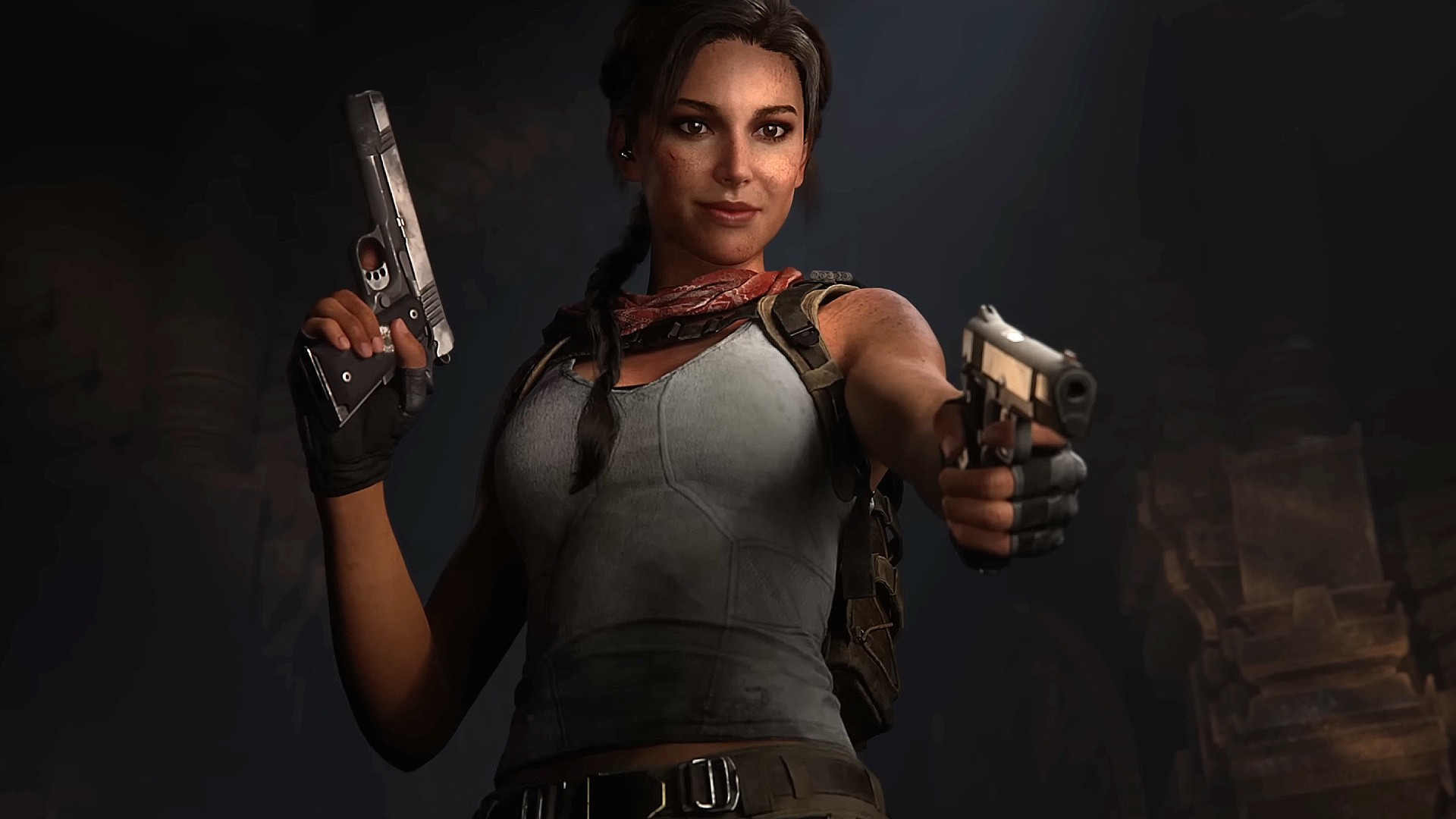
This emphasis on scale and technical sophistication inherently introduces greater development complexities. Unreal Engine 5, while powerful, requires significant time and expertise to fully utilize its potential, especially when aiming for unprecedented world sizes and intricate environmental design. Features like Nanite for virtualized geometry and Lumen for dynamic global illumination enable photorealistic graphics and immersive environments, but also demand meticulous asset creation, optimization, and extensive quality assurance processes. These technical ambitions, combined with the desire to craft a compelling narrative and innovative gameplay mechanics, are often key contributors to extended development cycles and subsequent delays in the modern gaming landscape.
A Chronology of Amazon’s Tomb Raider Endeavors
Amazon’s significant investment in the Tomb Raider franchise began to crystallize in late 2022 when it announced a partnership with Crystal Dynamics to develop and publish a new, unannounced multi-platform Tomb Raider game. This deal was a major coup for Amazon Games, which had been actively seeking to establish itself as a prominent publisher of high-quality AAA titles following mixed results with its internal development projects like Crucible and more successful publishing ventures such as New World and Lost Ark.
- December 2022: Amazon Games and Crystal Dynamics announce a partnership for a new Tomb Raider game, later revealed as Tomb Raider: Catalyst. This marked a significant moment for the franchise, signaling a fresh start after Crystal Dynamics’ previous owner, Square Enix, divested its Western studios (including Crystal Dynamics) to Embracer Group. The announcement emphasized a "new chapter" for Lara Croft, promising to push the boundaries of what a Tomb Raider game could be.
- Early 2023: Initial details begin to emerge about Tomb Raider: Catalyst, highlighting its use of Unreal Engine 5 and the promise of the "largest Tomb Raider world yet."
- Late 2023 / Early 2024: Details on Tomb Raider: Legacy of Atlantis begin to surface, framed as a reimagining or "definitive edition" of Lara’s original adventures, initially targeting a 2025 release. This project was seen as a way to bridge the gap between the classic and modern iterations of Lara Croft, appealing to both long-time fans and new players.
- Mid-2024: Tomb Raider: Legacy of Atlantis is officially delayed, with a new release date set for February 12, 2027. This was the first major indicator of extended timelines for the Amazon-backed projects.
- Late 2024 (Current News): Jeffrey Gattis confirms the delay of Tomb Raider: Catalyst to 2028, effectively placing both major Tomb Raider titles several years into the future. Legacy of Atlantis is slated for February 12, 2027, followed by Catalyst sometime in 2028, with both confirmed for Xbox Series X|S among other potential platforms.
This extended timeline places significant pressure on Amazon’s gaming division to deliver exceptional quality, especially given the substantial investment in these high-profile intellectual properties.
The Broader Context: Amazon’s Gaming Ambitions and Industry Trends
Amazon’s strategic interest in gaming extends beyond publishing titles. The company has invested heavily in cloud gaming with Amazon Luna, and its Prime Video service is developing a live-action Tomb Raider series with Phoebe Waller-Bridge. This multi-pronged approach aims to create a cohesive transmedia ecosystem around the Lara Croft character, leveraging the synergy between games, streaming, and other digital content. However, delays in the gaming arm could disrupt the planned synchronization of these projects, potentially affecting cross-promotional opportunities and overall brand momentum.
The gaming industry, particularly the AAA segment, has witnessed an increasing trend of development delays in recent years. Factors contributing to this phenomenon include:
- Technological Advancement: The pursuit of hyper-realistic graphics and complex gameplay systems on powerful new hardware platforms (like Xbox Series X|S and PlayStation 5) requires unprecedented development resources and time.
- Increased Scope: Player expectations for open worlds, dynamic narratives, and extensive post-launch support have driven up the scope of modern games, making project management and feature complete delivery more challenging.
- Remote Work Challenges: While many studios have adapted to remote or hybrid work models, the complexities of coordinating large, international teams can sometimes add unforeseen friction and extend timelines.
- Commitment to Quality: Developers and publishers are increasingly prioritizing game quality over rushed releases, recognizing that a polished, bug-free experience is crucial for critical acclaim and commercial success in a competitive market. High-profile examples of games launched prematurely with significant technical issues serve as cautionary tales, reinforcing the "it’s done when it’s done" mantra.
Implications for Amazon Games and Crystal Dynamics

For Amazon Games, these delays represent both a challenge and an opportunity. The challenge lies in sustaining public and investor interest over an extended period without tangible product releases. Amazon has already invested significantly in its gaming division, and the long wait for these tentpole titles means a delayed return on investment. However, if the extra development time translates into critically acclaimed and commercially successful games, it could solidify Amazon’s reputation as a serious player in the AAA publishing space. The success of New World and Lost Ark has shown Amazon’s capability as a publisher, but these Tomb Raider titles represent a deeper dive into first-party-esque IP management.
For Crystal Dynamics, the delays provide crucial time to refine and perfect Tomb Raider: Catalyst and Legacy of Atlantis. The studio has a storied history with the Tomb Raider franchise, having revitalized it with the 2013 reboot. After a period of uncertainty following the sale from Square Enix to Embracer Group, securing a publishing partner like Amazon offers stability and significant resources. The extended development cycle allows the team to fully realize their vision for the "largest Tomb Raider world yet" and ensure that both games meet the high expectations of the fan base and leverage the full power of Unreal Engine 5. It also provides an opportunity to avoid developer crunch, fostering a healthier work environment, a growing concern within the industry.
Fan Anticipation and Market Reception
The Tomb Raider fan base is notoriously passionate and discerning. While initial reactions to delays often involve disappointment, there’s a prevailing sentiment within the gaming community that "a delayed game is eventually good, but a rushed game is forever bad." Many fans would rather wait for a polished, complete experience than receive a buggy or underdeveloped product. The extended wait for Legacy of Atlantis and Catalyst will test this patience, but the promise of a truly expansive world and a fresh take on Lara Croft’s mythology under the power of Unreal Engine 5 continues to fuel anticipation.
However, repeated delays can also lead to a decrease in hype or a perception of development trouble. Amazon and Crystal Dynamics will need to manage communications carefully, providing regular, transparent updates to keep the community engaged and confident in the projects’ progress. The success of these titles will not only be measured by their sales but also by their ability to resonate with long-time fans and attract a new generation of players, solidifying Lara Croft’s place in the pantheon of gaming icons for years to come.
In conclusion, the postponement of Tomb Raider: Catalyst to 2028, following the earlier delay of Tomb Raider: Legacy of Atlantis, underscores the immense scale and complexity of modern AAA game development, particularly when aiming for groundbreaking technical achievements and narrative depth. While the wait for Lara Croft’s next adventures will be longer than initially anticipated, both Amazon Games and Crystal Dynamics appear committed to delivering experiences that meet the high standards expected of the legendary franchise. The ultimate success of these projects will hinge on whether the additional development time translates into games that are truly worth the extended wait, further cementing Amazon’s position in the competitive gaming landscape and ensuring Lara Croft’s enduring legacy.