

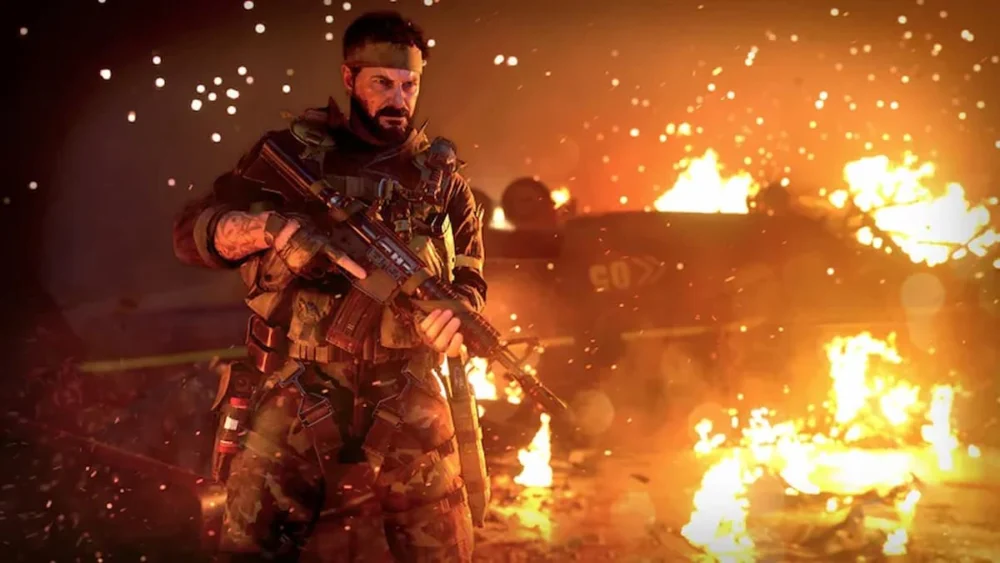
After a period of intense speculation and internal debate, Microsoft has reportedly made the strategic decision to launch the next installment of the immensely popular Call of Duty series directly onto Xbox Game Pass on its release day. This move, if officially confirmed, marks a pivotal moment for both the iconic first-person shooter franchise and Microsoft’s rapidly expanding subscription service, fundamentally altering the traditional sales model for one of the world’s most commercially successful entertainment properties. The highly anticipated title, widely rumored to be Black Ops 6, is expected to debut in late October, with an official announcement anticipated at the Xbox Games Showcase on June 9th, which will be followed by a dedicated Call of Duty Direct presentation.
A Monumental Shift for a Gaming Juggernaut
The news, initially reported by the Wall Street Journal, suggests that subscribers to Microsoft’s Xbox Game Pass service will gain access to the new Call of Duty title without an additional purchase, a departure from the franchise’s long-standing premium pricing model. For decades, Call of Duty has operated on an annual release schedule, with each new iteration typically retailing for $70 (or more for deluxe editions), consistently generating billions in revenue for Activision Blizzard. The decision to integrate such a high-profile, revenue-generating title into a subscription service from day one underscores Microsoft’s unwavering commitment to Game Pass as the cornerstone of its Xbox strategy, even if it entails navigating complex financial implications.
Previously, internal discussions at Xbox reportedly highlighted significant reservations regarding this very move. Executives expressed concerns that offering the game on Game Pass could cannibalize direct sales, thereby undermining a crucial revenue stream for Activision Blizzard, a company Microsoft acquired for nearly $69 billion. The sheer scale of Call of Duty‘s sales—often exceeding tens of millions of units globally within weeks of launch—meant that any deviation from a full-price retail model carried substantial financial risk. For context, the 2023 release, Modern Warfare 3, was priced at $70 for its standard edition, with premium versions commanding up to $100. Microsoft reportedly considered various options to offset potential losses, including raising Game Pass subscription prices, though it remains unclear if such a price adjustment will accompany the Call of Duty integration.
The Activision Blizzard Acquisition: A Strategic Imperative
This development is a direct consequence of Microsoft’s monumental acquisition of Activision Blizzard, a deal that officially closed in October 2023 after nearly two years of intense regulatory scrutiny worldwide. The $69 billion transaction, the largest in video game history, was primarily driven by Microsoft’s ambition to bolster its first-party content library and significantly enhance the value proposition of Xbox Game Pass. Throughout the regulatory review process, which involved agencies like the U.S. Federal Trade Commission (FTC), the UK’s Competition and Markets Authority (CMA), and the European Commission, Microsoft repeatedly assured regulators and competitors, particularly Sony, that Call of Duty would remain available on multiple platforms. However, the exact nature of its availability on Xbox’s own services was a closely watched aspect.
Upon the acquisition’s completion, Microsoft began integrating Activision Blizzard titles into Game Pass, starting with games like Diablo IV in March 2024. The inclusion of Call of Duty, however, represents a far more significant strategic play due to its immense cultural footprint and consistent commercial performance. The franchise has sold hundreds of millions of copies globally since its inception in 2003, making it a perennial bestseller and a key driver of hardware sales for consoles. Bringing it to Game Pass day one is not merely adding another title; it is leveraging one of the industry’s most powerful brands to drive subscription growth and ecosystem engagement.
Xbox Game Pass: The Core of Microsoft’s Gaming Vision
Xbox Game Pass, often dubbed the "Netflix of gaming," offers subscribers a rotating library of hundreds of games for a monthly fee, ranging from $9.99 for basic tiers to $16.99 for the Ultimate tier, which includes PC games, cloud streaming, and EA Play. A cornerstone of its appeal has been the inclusion of all new first-party Xbox titles on launch day. The integration of Call of Duty into this model elevates Game Pass’s perceived value to unprecedented levels. With an estimated 34 million subscribers as of early 2024, Game Pass is a critical component of Microsoft’s long-term strategy, shifting the emphasis from individual game sales to recurring subscription revenue and fostering a broader gaming ecosystem.
The decision to put Call of Duty on Game Pass is a bold calculation by Microsoft. While it may forgo immediate direct sales revenue from a significant portion of its player base, the company is betting on a substantial increase in Game Pass subscriptions. New subscribers drawn in by Call of Duty would contribute monthly recurring revenue, potentially for years, and might also be incentivized to purchase in-game content (like battle passes, cosmetic items, and weapon blueprints), other games, or Xbox hardware. This long-term value (LTV) proposition, coupled with the potential to expand the overall Call of Duty player base by lowering the barrier to entry, appears to have outweighed the short-term revenue cannibalization concerns.
The Financial Tightrope: Balancing Direct Sales with Subscription Growth

The financial implications of this move are multifaceted and represent a significant balancing act for Microsoft. Call of Duty titles consistently rank among the top-selling games each year, with launch week sales often generating hundreds of millions of dollars. Placing such a title on Game Pass, where subscribers pay a monthly fee rather than a one-time purchase price, could dramatically alter Activision Blizzard’s traditional revenue model. Analysts have previously highlighted that a substantial portion of Call of Duty players purchase the game annually, often alongside in-game microtransactions. If a significant percentage of these players opt for a Game Pass subscription instead of buying the game outright, it could impact immediate profit margins.
However, Microsoft’s strategy extends beyond immediate sales figures. The company aims to cultivate a robust and loyal subscriber base for Game Pass, seeing it as a sustainable model for future growth in the gaming sector. By integrating a game as universally appealing as Call of Duty, Microsoft hopes to attract a new demographic of gamers who might not typically purchase every annual installment but would be willing to subscribe to Game Pass for access. Furthermore, the extensive in-game monetization opportunities within Call of Duty—including seasonal battle passes, cosmetic bundles, and currency packs—remain a lucrative source of revenue, regardless of whether the base game is purchased or accessed via subscription. Microsoft’s long-term vision likely posits that a wider player base facilitated by Game Pass could ultimately lead to increased engagement with these supplementary revenue streams. The rumored consideration of Game Pass price hikes also indicates a proactive approach to maintaining revenue per user while enhancing the service’s value.
Implications Across the Gaming Landscape
The ramifications of Call of Duty joining Game Pass on day one extend far beyond Microsoft and Activision Blizzard, sending ripples across the entire gaming industry.
For Xbox and Microsoft: This move solidifies Game Pass’s position as a premier subscription service, arguably unmatched in its offering of day-one AAA titles. It represents a massive win for Xbox in its ongoing competition with PlayStation and Nintendo, providing a compelling reason for gamers to invest in the Xbox ecosystem. It reinforces Phil Spencer’s vision of making gaming more accessible and expanding the player base through diverse platforms and subscription models.
For PlayStation and Sony: The decision puts immense pressure on Sony to respond. While PlayStation Plus offers its own tiered subscription service, it has historically shied away from including new first-party PlayStation exclusives on day one, preferring the traditional full-price sales model. Sony’s CEO, Jim Ryan (prior to his departure), explicitly stated that a day-one launch for major titles like God of War or The Last of Us on PlayStation Plus would be financially unsustainable. With Call of Duty, a franchise that traditionally sells exceptionally well on PlayStation, now potentially free for Xbox Game Pass subscribers, Sony may face increased calls from its player base to re-evaluate its strategy, or risk losing a significant competitive edge in the subscription wars.
For the Gaming Industry at Large: This development further validates the subscription model as a powerful force in the industry, potentially accelerating its adoption among other publishers and developers. It could lead to a broader industry shift, where major AAA titles are increasingly seen as vehicles for subscription growth rather than solely as individual product sales. This could reshape how games are funded, developed, and monetized in the future, influencing everything from developer budgets to marketing strategies.
For Consumers: Game Pass subscribers stand to gain immense value. Access to a marquee title like Call of Duty on launch day, alongside hundreds of other games, significantly enhances the attractiveness of the service. For players who typically purchase Call of Duty annually, a Game Pass subscription might now present a more cost-effective option, particularly if they also play other games available on the service. This could democratize access to premium gaming content, making it available to a wider audience.
The Road Ahead: Official Confirmation and Launch
While the Wall Street Journal report cites sources familiar with Microsoft’s plans, the official confirmation remains pending. All eyes are now on the Xbox Games Showcase scheduled for June 9th. This event, followed by a dedicated Call of Duty Direct, is the most logical platform for Microsoft and Activision Blizzard to formally unveil Black Ops 6 (or whatever the next installment is officially named) and confirm its day-one availability on Xbox Game Pass. The timing of this announcement aligns perfectly with Microsoft’s strategy to generate maximum hype and attract new subscribers ahead of the game’s rumored late October launch.
Industry analysts widely expect the next installment to be Black Ops 6, developed by Treyarch, building on the success and popular lore of the sub-series. While the Game Pass integration is a monumental shift, it is important to note that the game is still expected to be available for standalone purchase across all platforms—Xbox, PC, and PlayStation—ensuring that players on all systems can access the title regardless of their subscription status. This multi-platform approach, a key promise made during the acquisition, allows Microsoft to leverage the franchise’s broad appeal while simultaneously strengthening its own ecosystem.
The integration of Call of Duty into Xbox Game Pass is more than just a new game joining a service; it’s a profound strategic realignment that could redefine value in the video game industry. It underscores Microsoft’s long-term vision for Game Pass as the central pillar of its gaming business and signals a new era for one of gaming’s most enduring and profitable franchises. The coming months will reveal the full extent of this strategic gamble and its impact on players, competitors, and the future of game distribution.