


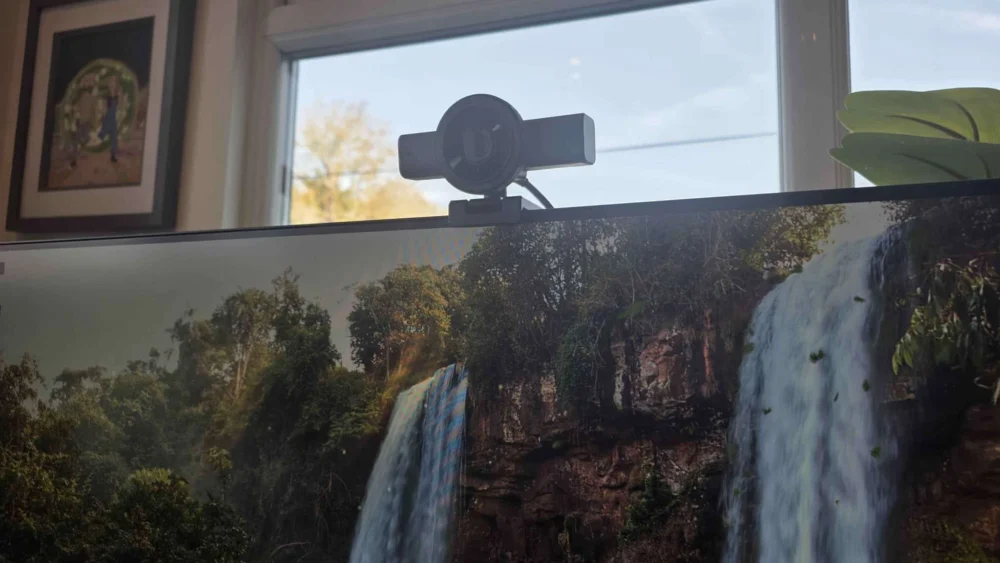
The release of the Razer Kiyo V2 marks a significant pivot in the peripheral manufacturer’s approach to high-end imaging, transitioning from the gimmickry of built-in ring lights toward a sophisticated integration of high-tier optics and artificial intelligence-driven software. As the landscape for remote work and digital content creation continues to stabilize in a post-pandemic economy, the demand for hardware that bridges the gap between consumer webcams and professional Digital Single-Lens Reflex (DSLR) setups has intensified. The Razer Kiyo V2 enters this competitive market as a direct successor to the original Kiyo, offering a 4K resolution ceiling and a suite of software enhancements aimed at streamers, podcasters, and corporate professionals who require broadcast-quality visual fidelity.
Technical Specifications and Hardware Architecture
At the core of the Razer Kiyo V2 is the 8.3-megapixel Sony STARVIS sensor. This back-illuminated pixel technology, originally developed for industrial and surveillance applications, is specifically designed to maximize light intake in low-light environments. By utilizing this sensor, the Kiyo V2 achieves a maximum video resolution of 4K at 30 frames per second (FPS), providing a level of detail that allows for significant digital zooming and cropping without the immediate loss of clarity associated with standard 1080p sensors. For users prioritizing fluid motion—particularly gamers and live-action streamers—the device supports 1080p recording at 60 FPS.

The optical stack features a wide 93-degree field of view (FOV), which is wider than many standard webcams that typically hover between 65 and 78 degrees. This expansive view is particularly beneficial for creators who wish to showcase their environment or for professional settings involving multiple participants in a single frame. The camera utilizes a 3mm focal length, which translates to a 20mm full-format equivalent, providing a natural perspective that avoids the "fish-eye" distortion often found in wide-angle lenses. Furthermore, the device includes High Dynamic Range (HDR) support at 30 FPS, a feature designed to balance exposure in challenging lighting conditions, such as rooms with bright windows or high-contrast studio lights.
Design Evolution and Physical Ergonomics
The physical design of the Kiyo V2 represents a departure from the bulky, circular aesthetic of its predecessor. Razer has opted for a more compact, horizontal bar form factor that aligns with the minimalist design trends of modern office and gaming setups. One of the most notable hardware refinements is the implementation of an integrated privacy shutter. Unlike many competitors that rely on detachable plastic caps—which are easily lost—or adhesive sliders, the Kiyo V2 features a built-in mechanism activated by twisting the rim surrounding the lens. This provides a tactile confirmation of privacy, addressing a primary concern for home-office users.
The mounting system consists of a robust, pivoted L-shaped stand. This hardware allows the camera to sit securely atop a variety of monitor thicknesses or be mounted onto a standard tripod via a threaded interface. The camera body itself supports 360-degree rotation and vertical tilting, offering high degrees of freedom for framing. However, users should note that the stability of the image is inherently tied to the stability of the mounting surface; in environments with less-than-sturdy desks, the high sensitivity of the sensor can pick up micro-vibrations if the monitor is nudged during operation. Connectivity is handled via a single USB-C port at the rear of the unit, streamlining the cable management process.

The Synergy of AI and Software Integration
The "AI" branding of the Kiyo V2 is primarily realized through its software ecosystem. While the device is compatible with Razer Synapse for basic adjustments—such as manual focus, ISO control, and color presets—the true potential of the hardware is unlocked through a partnership with Reincubate’s Camo Studio. Razer includes a lifetime license for Camo Studio Pro with the Kiyo V2, a strategic move that offloads complex image processing to a dedicated software suite.
Camo Studio Pro utilizes machine learning algorithms to provide features that were previously the exclusive domain of expensive mirrorless cameras. These include:
- Virtual Depth of Field: Using AI-driven edge detection, the software can blur the background behind the subject, simulating the "bokeh" effect produced by wide-aperture lenses.
- Face Tracking and Auto-Framing: The software can digitally pan and zoom to keep the user centered in the frame as they move, ensuring a consistent presentation during dynamic presentations.
- Gesture-Based Interactions: A feature known as "Emoji Hands" allows the system to recognize specific hand gestures, such as a thumbs-up, and overlay corresponding emojis onto the video feed in real-time.
- Skin Retouching and Lighting Adjustments: The AI can apply subtle smoothing filters and digital spotlights to enhance the user’s appearance, compensating for poor ambient lighting or skin imperfections.
This software-heavy approach allows the Kiyo V2 to remain relevant as AI technology improves, as the "smarts" of the camera can be updated via software patches rather than requiring new hardware iterations.

Audio Performance and Multi-Device Utility
While visual fidelity is the primary focus, the Kiyo V2 includes an integrated stereo omnidirectional microphone. Operating with a 16-bit / 48kHz audio codec, the microphone is designed to capture clear voice audio for standard video conferencing and casual streaming. In testing and everyday use, the microphone has proven capable of producing a balanced sound profile that exceeds the quality of most built-in laptop microphones. However, for professional-grade podcasting or high-fidelity music streaming, the omnidirectional nature of the mic means it may pick up ambient room noise, suggesting that serious creators will still benefit from a dedicated XLR or USB condenser microphone.
In an additional nod to versatility, the Camo ecosystem allows users to integrate their mobile devices into the workflow. By downloading the Camo app on Android or iOS, users can use their smartphones as secondary camera angles, all managed through the same interface used for the Kiyo V2. This creates a multi-cam studio environment that is accessible to users without the need for expensive capture cards or complex switching hardware.
Market Context and Chronology of Development
The development of the Kiyo V2 follows a timeline of increasing sophistication in the webcam market. The original Razer Kiyo (2017) revolutionized the space by including a built-in ring light, targeting the burgeoning "vlogger" market. This was followed by the Kiyo Pro (2021), which focused on light sensitivity and HDR. The Kiyo V2 represents the third generation of this lineage, moving away from integrated lighting in favor of 4K resolution and AI-assisted processing.

Razer’s recent expansion of the Kiyo V2 line to include "Quartz" (pink) and "White" colorways indicates a push toward the "lifestyle" segment of the market, acknowledging that aesthetics are a key purchasing factor for modern setup enthusiasts. This diversification suggests that Razer views the Kiyo V2 not just as a tool, but as a core component of a curated desktop environment.
Broader Implications for Remote Work and Digital Creation
The introduction of devices like the Razer Kiyo V2 reflects a broader shift in professional standards. As "video-first" communication becomes the norm in global business, the "good enough" quality of 720p laptop cameras is increasingly viewed as a liability in professional settings. The Kiyo V2’s ability to produce a DSLR-like image through software tricks and high-end sensors democratizes high-quality video production, allowing individuals to project a more professional image without the technical hurdle of setting up a traditional camera and capture card.
Furthermore, the integration of AI features like background removal and retouching highlights the growing role of computational photography in the PC peripheral space. Much like the smartphone industry, the future of webcams appears to be headed toward a model where hardware provides the raw data, but software defines the final aesthetic.

Final Analysis of Value and Performance
The Razer Kiyo V2 positions itself as a premium solution for users who demand high performance without the complexity of professional cinema gear. The inclusion of a lifetime license for Camo Studio Pro is a significant value-add, effectively lowering the total cost of ownership for users who would otherwise pay for premium video processing software. While the physical mount may be susceptible to desk vibrations and the microphone is best suited for general use rather than professional recording, the core imaging capabilities are among the best in the 4K webcam class.
For the streamer, the 60 FPS capability at 1080p ensures smooth integration with high-refresh-rate gameplay. For the corporate professional, the 4K resolution and AI framing ensure a crisp, centered presence in high-stakes meetings. As Razer and Reincubate continue to update the software backend, the Kiyo V2 is poised to remain a top-tier contender in the evolving landscape of digital imaging hardware.