


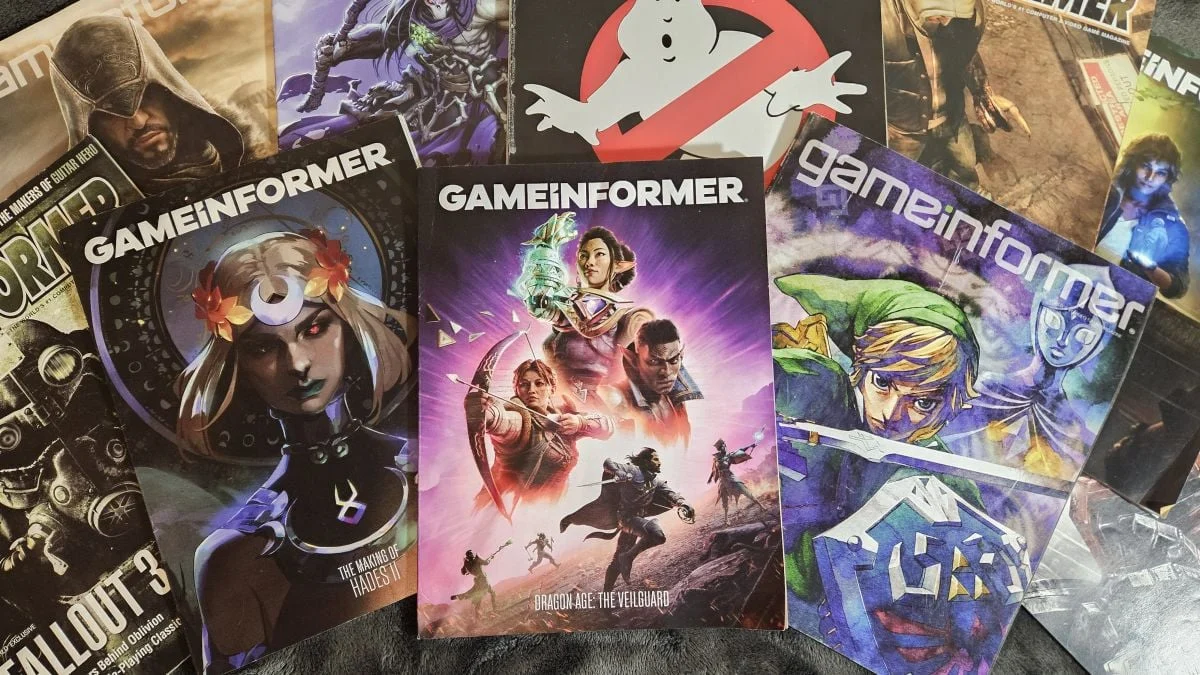
In a seismic shift that has sent ripples of dismay through the video game industry and its dedicated fanbase, Game Informer, one of the longest-standing and most influential voices in games media, has officially ceased operations. The announcement, delivered to staff this morning, marks the abrupt end of a legacy that spanned over thirty years of print magazines and extensive online content. GameStop, the retail giant that acquired the publication in 2000, confirmed the closure, citing strategic business decisions.
The suddenness of the decision has left many within the industry in shock. Editorial staff at Game Informer were informed of the impending shutdown by GameStop corporate leadership earlier today. This has resulted in the immediate disbandment of the entire editorial team and the cessation of all publication activities. Kyle Hilliard, former content director for the magazine, shared on social media that the next issue was reportedly "about 70% done" and was poised to feature a "GREAT [sic] cover," underscoring the unceremonious halt to their ongoing work.
A formal statement from Game Informer’s official social media channels confirmed the closure, acknowledging the end of their print run while emphasizing the enduring spirit of the gaming community they fostered. "While our presses may stop, the passion for gaming that we’ve cultivated together will continue to live on," the statement read, a sentiment echoed by many former writers and contributors who have taken to their personal social media platforms to share the news and reflect on their time with the publication.
The genesis of Game Informer can be traced back to 1991, when it began as a modest magazine produced by FuncoLand, a now-defunct video game retailer. Initially conceived as an in-house newsletter, its potential as a consumer-facing publication quickly became apparent. GameStop’s acquisition of FuncoLand in 2000 brought Game Informer under its corporate umbrella. Under GameStop’s ownership, the magazine evolved into a significant component of the retailer’s customer loyalty program, offering subscribers exclusive benefits and early access to content, which significantly boosted its circulation and reach.
A Legacy Forged Through Print and Pixels
For more than three decades, Game Informer served as a crucial conduit between game developers, publishers, and the gaming public. Its comprehensive coverage encompassed everything from in-depth previews of upcoming titles and meticulous reviews of released games to insightful features on the evolving landscape of interactive entertainment and interviews with the creators shaping the industry. The magazine’s distinctive approach, blending accessible journalism with a palpable enthusiasm for its subject matter, resonated deeply with a generation of gamers.
The editorial team at Game Informer consistently delivered content that informed, entertained, and often inspired. This publication aims to provide a factual account of this development and its implications. It is important to note that individuals associated with this publication may have had professional or personal connections with Game Informer staff. Such relationships, while not influencing the factual reporting herein, are acknowledged for transparency.
Charting a Course Through Industry Shifts
Game Informer’s journey was not without its challenges. The publication navigated significant shifts within the media industry, including the widespread decline of print journalism and the inexorable rise of digital content. Despite these headwinds, Game Informer not only survived but thrived. In 2010, its impressive circulation figures placed it as the fifth-largest magazine in the United States, a remarkable feat that saw it outrank established publications like Time and Sports Illustrated. This achievement underscored its profound impact and broad appeal within the American media landscape.
The publication also weathered a series of organizational changes and workforce reductions initiated by its parent company, GameStop. These cuts occurred against a backdrop of GameStop’s broader strategic pivot, which included significant investments in emerging technologies such as NFTs and blockchain, as the company sought to leverage its unique position as a "meme stock" and navigate the volatile retail environment. While GameStop’s corporate strategies have been subject to considerable public scrutiny and analysis, Game Informer’s editorial integrity and output remained a constant for its readership.
Despite these internal pressures, Game Informer continued to produce notable content and striking cover art. In a recent effort to reinforce its print presence, the magazine’s staff actively worked to revitalize its print magazine offerings, including the re-launch of a dedicated subscription service. This initiative signaled a commitment to the tactile experience of print media and a desire to connect with subscribers on a deeper level, even as the digital realm increasingly dominated content consumption.
The Enduring Influence of a Gaming Institution
To categorize Game Informer simply as a magazine or website would be an understatement; it was, for many, an institution. For a significant portion of the gaming community, especially those who grew up in the 1990s and early 2000s, Game Informer represented their initial gateway into understanding and appreciating the world of video game journalism. It offered a comprehensive, cover-to-cover experience filled with previews that ignited anticipation, reviews that guided purchasing decisions, and features that delved into the narratives and mechanics of beloved games.
At its zenith, Game Informer was renowned for its visually stunning covers, often featuring evocative and memorable artwork that captured the essence of the games being showcased. These covers served not only as artistic statements but also as visual anchors, drawing readers into detailed explorations of the most anticipated releases. Beyond the spectacle, the magazine consistently provided a platform for diverse voices within the industry. It featured opinion pieces that sparked debate, interviews that offered rare insights into the creative process, and expansive features that provided a deeper context to the games and the culture surrounding them. A particularly cherished element for many was the "Letters from Readers" section, which fostered a sense of community and direct engagement between the publication and its audience.
The personal impact of Game Informer’s content is evident in the reflections of many who grew up with its pages. For some, the magazine was a formative influence, shaping their understanding of games and perhaps even inspiring their own career paths within the industry. The physical act of flipping through old issues, as some have done in the wake of this news, serves as a tangible reminder of the profound influence these early publications held.
The Broader Implications for Games Media
The closure of Game Informer arrives at a time of considerable flux and consolidation within the video game industry. The past few years have seen significant waves of layoffs across numerous gaming companies and media outlets, a trend that shows little sign of abating. In 2023 alone, estimates suggest that approximately 9,000 video game industry jobs were lost, highlighting the precarious economic landscape many in the sector now face.
The discontinuation of a publication with Game Informer’s longevity and historical significance raises pertinent questions about the future of dedicated games journalism, particularly in its print form. As more established media entities face similar challenges, are absorbed by larger corporations, or are significantly scaled back, the landscape of independent and critical voices in games media becomes increasingly constrained. The departure of Game Informer from the media ecosystem leaves a void that will be difficult to fill, impacting not only the availability of in-depth coverage but also the career opportunities for experienced journalists specializing in this field. The future trajectory of games media, in the face of such institutional shifts and ongoing economic pressures, remains a subject of significant concern and careful observation.