


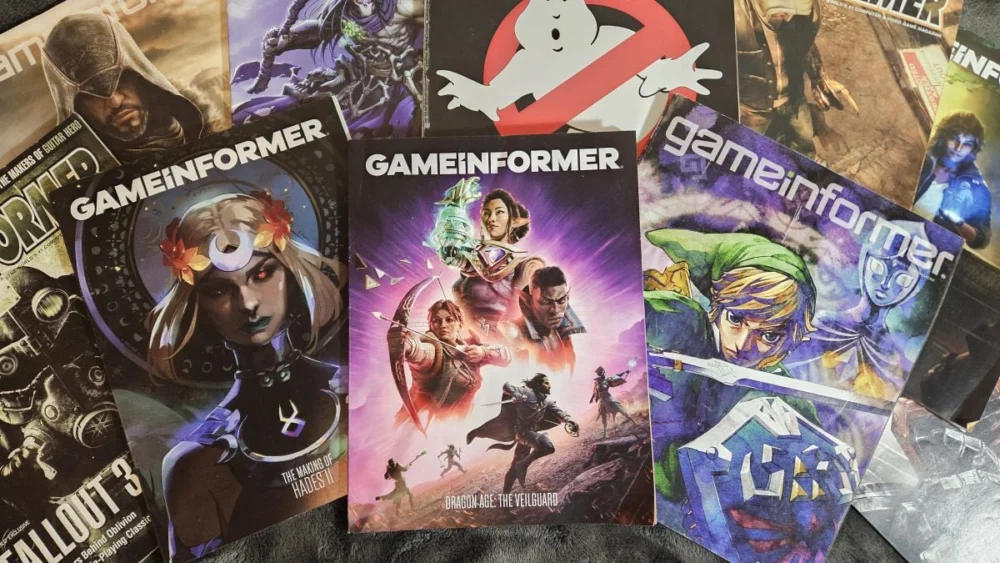
The landscape of video game journalism has been irrevocably altered with the abrupt closure of Game Informer, a publication that has stood as a cornerstone of the industry for over thirty years. News broke this morning confirming that its parent company, GameStop, has made the decision to shutter the long-running magazine and its accompanying digital presence, marking the end of an era for countless gamers and industry professionals alike.
The announcement, delivered to Game Informer staff this morning by GameStop corporate leadership, confirmed the immediate cessation of all editorial operations. This includes the immediate shutdown of the print magazine and the termination of all staff. Former magazine content director Kyle Hilliard confirmed that the next issue was reportedly nearing completion, approximately 70% finished, and was slated to feature a "GREAT cover," underscoring the sudden and unexpected nature of the closure.
A formal statement was subsequently disseminated across Game Informer’s social media channels, confirming the news. The company stated, "While our presses may stop, the passion for gaming that we’ve cultivated together will continue to live on." This sentiment was echoed by numerous writers and editors from the publication, who have been sharing their personal experiences and the news of their layoffs on their respective social media platforms.
A Legacy Forged in Print and Pixels
Game Informer’s origins trace back to 1991, when it began as a modest in-house newsletter for FuncoLand, a now-defunct video game retailer. The publication’s trajectory shifted significantly in 2000 when GameStop acquired FuncoLand, inheriting Game Informer and integrating it into its burgeoning loyalty program. This strategic move proved pivotal, transforming the newsletter into a significant and influential print publication that became synonymous with GameStop’s customer engagement strategy.
Over the subsequent decades, Game Informer evolved from a simple newsletter into a comprehensive gaming media outlet, producing both a highly successful print magazine and a robust online platform. It became a go-to source for previews, reviews, interviews, and in-depth features that delved into the heart of the video game industry. The magazine’s distinctive cover art, often featuring exclusive reveals and striking artistic renditions of popular game titles, became instantly recognizable and highly anticipated by its readership.
A Titan Among Magazines
The impact and reach of Game Informer were not merely anecdotal; they were quantifiable. In 2010, the publication achieved a remarkable feat, ranking as the fifth-largest magazine in the United States by circulation. This impressive statistic placed it ahead of established titans of print media such as Time and Sports Illustrated, a testament to its significant readership and cultural relevance within the gaming community.
Throughout its extensive run, Game Informer demonstrated remarkable resilience, navigating a series of industry-wide challenges. It weathered the general decline in print journalism, successfully transitioned to the digital realm, and consistently adapted to the evolving media consumption habits of its audience. Furthermore, the publication endured multiple rounds of layoffs and restructuring stemming from its parent company, GameStop, particularly in the wake of the company’s financial shifts and its controversial foray into NFTs and blockchain technology. These corporate maneuvers often occurred against the backdrop of GameStop’s dramatic rise and fall as a "meme stock," a period marked by significant volatility and public scrutiny.
Despite these internal and external pressures, Game Informer’s editorial team continued to produce high-quality content. In a notable effort to bolster its print presence, the publication recently re-launched a subscription service for its magazine, signaling a continued commitment to its physical format.
More Than a Magazine: An Industry Institution
To categorize Game Informer as merely a magazine would be an understatement; it was, for many, an institution. For a generation of gamers, it served as their initial gateway into understanding the world of video game journalism. The magazine offered a comprehensive package of content, from early looks at upcoming titles to in-depth reviews and insightful features on the industry’s prevailing trends. The iconic cover art, a hallmark of the publication, frequently showcased breathtaking and memorable artwork, often accompanying exclusive reveals of major game releases.
Beyond its coverage of games, Game Informer also provided a platform for the voices and perspectives that shape the industry. It regularly featured opinion pieces, engaging interviews with developers and industry figures, sprawling feature articles, and a beloved "letters from readers" section that fostered a sense of community and direct engagement. The personal impact of these publications is profound, with many former readers, now industry professionals, citing Game Informer as a significant influence on their early career aspirations.
The Human Cost of Closure
The abrupt closure of Game Informer leaves its dedicated staff facing an uncertain future. As layoffs continue to plague the video game industry, with estimates suggesting thousands of job losses in recent years, the disappearance of such a prominent institution serves as a stark reminder of the precarious nature of media careers. The industry, which has seen numerous established outlets scaled back or shuttered entirely, is in a constant state of flux, making it increasingly difficult for professionals to secure stable employment.
Background and Chronology of Game Informer:
- 1991: Game Informer is founded as an in-house newsletter for the video game retailer FuncoLand.
- 2000: GameStop acquires FuncoLand, taking ownership of Game Informer and integrating it into its loyalty program.
- Early 2000s – 2010s: Game Informer solidifies its position as a leading gaming publication, expanding its content across print and online platforms and becoming known for its exclusive cover reveals and in-depth coverage.
- 2010: Game Informer ranks as the 5th largest magazine in the United States by circulation.
- Mid-2010s – Present: The publication navigates industry shifts, including the decline of print media and the rise of digital-first outlets. It also experiences several rounds of layoffs and restructuring associated with its parent company, GameStop, which is undergoing its own significant financial transformations.
- Recent Past: Game Informer attempts to revitalize its print offerings with a re-launched subscription service.
- Present Day: GameStop announces the immediate closure of Game Informer, leading to the termination of all staff and the cessation of all publication activities.
Analysis of Implications:
The closure of Game Informer represents a significant loss for video game journalism. For over three decades, it provided a consistent and reliable source of news, reviews, and features, contributing to the growth and cultural understanding of the gaming medium. Its demise highlights several critical trends within the media industry:
- The Enduring Challenges of Print Media: Despite efforts to adapt, the print magazine model continues to face immense pressure from digital alternatives and evolving consumer habits.
- Corporate Consolidation and Cost-Cutting: The decision by GameStop underscores the prevailing corporate strategy of prioritizing profitability and efficiency, often at the expense of long-standing media outlets and their employees.
- The Volatility of the Gaming Industry: While the gaming industry itself remains robust, the media companies that cover it are often susceptible to the financial pressures and strategic shifts of their parent corporations.
- Impact on Emerging Talent: The loss of a major publication like Game Informer means fewer opportunities for aspiring journalists and content creators to enter and grow within the field, potentially impacting the diversity and depth of future gaming coverage.
As the industry grapples with this significant development, the focus shifts to the displaced staff and the enduring legacy of Game Informer. Their work, which informed and inspired millions, leaves an indelible mark on the history of video game media, even as its future is now uncertain. The passion for gaming, as stated by the company, may indeed live on, but the institution that so effectively channeled it for over thirty years has been silenced.