


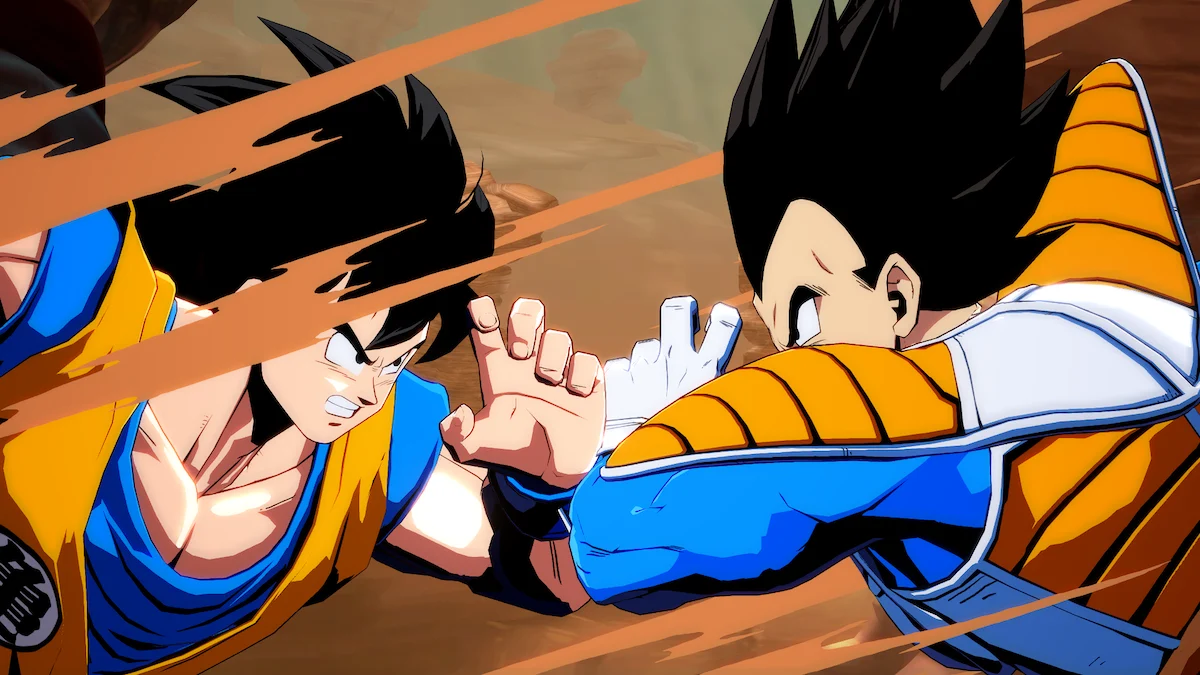
A significant and currently unaddressed loophole has allowed active Xbox Game Pass subscribers to permanently acquire digital copies of the critically acclaimed fighting game Dragon Ball FighterZ for free, an outcome seemingly unintended by either Microsoft or developer Arc System Works. The exploit, which leverages Xbox’s "Free Play Days" promotion in conjunction with the game’s cross-generation upgrade path, has sparked considerable discussion within the gaming community regarding digital game ownership, the ethics of exploiting system glitches, and the responsibilities of platform holders and developers.
The Unveiling of an Unconventional Acquisition Method
The discovery of this peculiar method of acquiring Dragon Ball FighterZ for no cost emerged recently, drawing widespread attention primarily through social media. On February 27, 2025, prominent Twitter user @Wario64, an account renowned for meticulously tracking and sharing video game deals and promotions, posted details of the workaround. The post quickly went viral, igniting a flurry of responses ranging from enthusiastic confirmations of success to skeptical doubts about its validity. Some users reported immediate success in adding the game to their permanent libraries, while others claimed the method did not work for them, suggesting potential regional variations, timing sensitivities, or specific account conditions might be at play.
The mechanism itself is surprisingly straightforward, relying on a confluence of Xbox’s subscription service features and its cross-generation game upgrade system. For Xbox Game Pass subscribers, the Xbox One version of Dragon Ball FighterZ became available for temporary access as part of a "Free Play Days" event. These events typically grant full access to a game for a limited period, after which access is revoked unless the game is purchased. However, in this specific instance, players who launched the Xbox One version of Dragon Ball FighterZ through the "Free Play Days" promotion were presented with an in-game menu option to "upgrade" to the Xbox Series X|S optimized version. Selecting this upgrade option, surprisingly, resulted in both the Xbox One and Xbox Series X|S versions of Dragon Ball FighterZ being permanently added to the player’s digital game library, even after the "Free Play Days" period concludes. This effectively transforms a temporary rental into a permanent acquisition, bypassing the usual purchase requirement.
Dragon Ball FighterZ: A Critical and Commercial Juggernaut
To understand the significance of this exploit, it’s crucial to contextualize Dragon Ball FighterZ‘s standing in the gaming landscape. Developed by Arc System Works and published by Bandai Namco Entertainment, the game launched globally in January 2018 across PlayStation 4, Xbox One, and PC, with a Nintendo Switch version following later that year. From its debut, Dragon Ball FighterZ was met with near-universal critical acclaim. Review aggregators like Metacritic reflect this, with the Xbox One version currently holding an impressive score of 87 out of 100, based on dozens of professional reviews. Critics lauded its stunning cel-shaded graphics that faithfully replicated the iconic anime art style, its accessible yet deep combat mechanics, and its robust online multiplayer experience.
Beyond critical praise, the game also achieved significant commercial success. Within its first week, it sold over two million copies worldwide, a remarkable feat for a fighting game. By February 2020, sales had surpassed five million units, and by November 2021, it had shipped over eight million copies globally, solidifying its position as one of the best-selling fighting games of the current generation. Its success introduced a vast new audience to the intricacies of the fighting game genre and invigorated the competitive fighting game community (FGC). Dragon Ball FighterZ quickly became a staple at major esports tournaments, including the prestigious Evolution Championship Series (EVO), known for its high-stakes competition and passionate fanbase. Its combination of accessibility for newcomers and profound strategic depth for veterans ensured its enduring popularity and cemented its legacy as a modern classic. The prospect of acquiring such a high-profile, critically and commercially successful title for free, even if unintentionally, therefore represents a considerable boon for players and a potential financial headache for its creators and distributors.
The Ecosystem of Xbox Game Pass and Free Play Days
The exploit’s roots lie in the operational mechanics of Xbox Game Pass and its associated "Free Play Days" promotions. Xbox Game Pass, launched by Microsoft in June 2017, is a subscription service that offers subscribers access to a rotating catalog of games from various publishers, including Xbox Game Studios titles on day one of their release. It has been a cornerstone of Microsoft’s Xbox strategy, boasting over 34 million subscribers as of late 2023. The service operates on a model designed to provide value through access rather than permanent ownership, fundamentally shifting the paradigm of how players interact with their game libraries.
"Free Play Days" are a distinct, albeit related, promotional offering from Microsoft. These events allow all Xbox Live Gold or Xbox Game Pass Ultimate subscribers to download and play select full games for a limited period, typically a weekend. The primary purpose of "Free Play Days" is to entice players to experience a game they might not otherwise consider, with the ultimate goal of converting that temporary access into a full purchase once the promotional period ends. Crucially, any progress made during "Free Play Days" is usually retained, allowing players who decide to buy the game to pick up where they left off. The core assumption behind these promotions is that access is strictly temporary.
The technical mechanism enabling the Dragon Ball FighterZ loophole appears to reside in how Xbox handles cross-generation upgrades. Microsoft introduced "Smart Delivery" with the launch of the Xbox Series X|S consoles in November 2020. This feature ensures that players who purchase an Xbox One game that also has an Xbox Series X|S optimized version automatically receive the best available version for their console at no additional cost. The intent is to provide a seamless transition for players upgrading their hardware. In the case of Dragon Ball FighterZ, Arc System Works released a dedicated Xbox Series X|S version in February 2023, offering enhanced visuals and performance. The exploit seems to arise from the system incorrectly associating the temporary "Free Play Days" license for the Xbox One version with a valid ownership claim when the "upgrade" option to the Series X|S version is selected, thereby triggering the Smart Delivery entitlement and permanently adding both versions to the user’s library. This suggests a flaw in the digital rights management (DRM) handshake between the temporary "Free Play Days" license and the permanent upgrade entitlement logic.
Silence from Microsoft and Arc System Works
As of the current reporting, neither Microsoft, the platform holder, nor Arc System Works, the game’s developer, has issued any official statement acknowledging the widespread exploit. The silence has led to varied interpretations within the gaming community. Some speculate that both entities are simply unaware of the issue, a scenario that seems increasingly unlikely given the viral nature of @Wario64’s post and the subsequent proliferation of user reports. Others believe that the companies are aware but are either deliberating on how to address it, hoping the issue will fade after the "Free Play Days" promotion concludes, or are perhaps silently observing the impact before taking action.
The lack of official communication leaves many questions unanswered. Players who have successfully acquired the game are left wondering if their access will be revoked in the future. Industry observers are keen to see if Microsoft will issue a patch to prevent further exploitation, or if they will honor the inadvertently granted licenses. Historically, platform holders have taken various approaches to similar accidental giveaways or pricing errors, ranging from revoking access and offering refunds to simply letting the transactions stand. Given the scale of Xbox Game Pass and the number of potential users, a decision on this matter could set a significant precedent.
Community Reaction and Ethical Quandaries
The gaming community’s reaction to the Dragon Ball FighterZ loophole has been a mix of excitement, opportunism, and ethical debate. Many players, seeing an opportunity to acquire a high-quality game for free, have eagerly followed the instructions to add it to their libraries. For these players, it represents a windfall, especially for those who might have considered purchasing the game but hadn’t yet committed. The sentiment often expressed is that if a system glitch allows for it, players are justified in taking advantage, particularly when large corporations are involved.
However, the situation has also ignited discussions around the ethics of exploiting such loopholes. Some players argue that intentionally circumventing the intended purchase mechanism, even if through a system flaw, is akin to piracy or theft, as it deprives the developer and publisher of potential revenue. This perspective often highlights the effort and resources invested in creating and maintaining games. Others counter that the onus is on the platform holder and developer to secure their systems, and players are simply interacting with the system as presented. This debate touches upon broader philosophical questions about digital ownership, intellectual property rights, and consumer responsibility in the digital age. The "Free Play Days" promotion for Dragon Ball FighterZ is scheduled to conclude on March 2 at 11:59 pm PST. This deadline adds a sense of urgency for players hoping to take advantage of the exploit and provides a critical timestamp for when the window of opportunity will close, forcing Microsoft and Arc System Works to potentially address the aftermath.
Broader Implications for Digital Ownership and Subscription Models
The Dragon Ball FighterZ loophole carries significant implications that extend beyond a single game. It highlights the inherent complexities and potential vulnerabilities within digital rights management (DRM) systems, particularly when layered across different distribution models like subscription services and cross-generation upgrades. If not addressed effectively, such exploits could erode trust in the integrity of digital storefronts and licensing mechanisms.
For Microsoft and Xbox Game Pass, this incident could prompt a review of how "Free Play Days" interact with permanent upgrade paths. While a single game exploit might seem minor, repeated or more widespread issues could impact the perceived value and reliability of the Game Pass subscription model, which thrives on controlled access rather than accidental giveaways. It also underscores the delicate balance between offering consumer-friendly features like Smart Delivery and ensuring robust DRM.
For developers and publishers, incidents like this represent potential lost sales and highlight the ongoing challenge of protecting intellectual property in an increasingly digital and interconnected ecosystem. While Dragon Ball FighterZ has already achieved massive commercial success, future titles or smaller developers might be more significantly impacted by such unintended distribution. The situation may lead to stricter internal testing protocols for promotional events and system integrations, especially those involving cross-generational entitlements.
Ultimately, the Dragon Ball FighterZ "Free Play Days" exploit serves as a compelling case study in the ever-evolving landscape of digital gaming. It forces a re-examination of how temporary access is managed, how upgrades are granted, and the ethical responsibilities of both players and platform operators. The coming days, particularly after the "Free Play Days" period concludes, will be crucial in determining how Microsoft and Arc System Works choose to respond and what precedents might be set for the future of digital game ownership. Whether players who acquired the game will retain permanent access, or if a retroactive revocation will occur, remains an open question, leaving the gaming community in eager anticipation of an official resolution.