


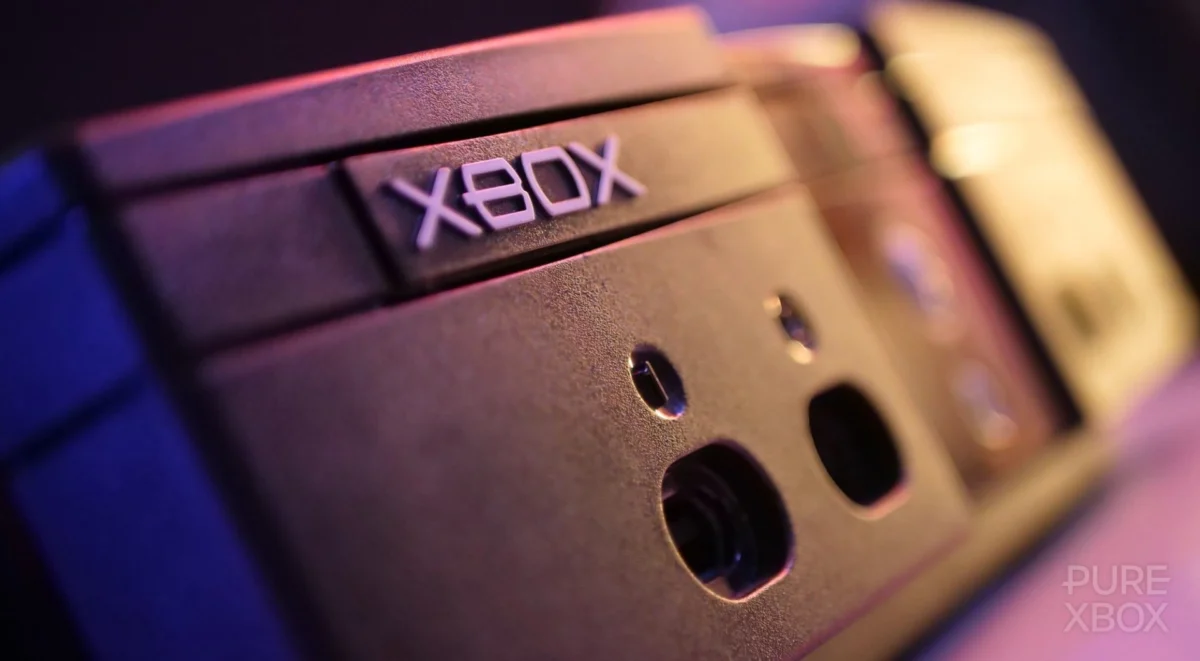
The landscape of video game preservation and player engagement received a significant update today with the announcement that Microsoft will be integrating achievements into "select" original Xbox titles available through its lauded backward compatibility program. This long-awaited feature, a staple of the Xbox ecosystem since the advent of the Xbox 360, will extend its reach to classic games on both console and, for the first time, PC, marking a pivotal moment for retro gaming enthusiasts and completionists alike. The news arrives concurrently with the revelation of original Xbox backward compatibility for PC, underscoring Microsoft’s persistent commitment to extending the lifespan and accessibility of its extensive game library.
A Decade in the Making: Achievements Arrive for Original Xbox Classics
For over a decade, since original Xbox titles were first introduced to the backward compatibility program on Xbox One, players have enjoyed revisiting cherished classics, albeit without the modern incentive of Gamerscore and achievement tracking. This will soon change, as Microsoft has confirmed plans to retrofit these digital accolades into a curated selection of first-generation Xbox games. The initial quartet of titles slated to receive this enhancement includes fan favorites such as Blinx: The Time Sweeper, Fuzion Frenzy, Crimson Skies: High Road to Revenge, and Conker: Live & Reloaded. These four games, notably among the first to be announced for PC backward compatibility, will be updated to include achievements in the coming months, with a broader rollout for other "select" titles expected later this year.
An official statement from Microsoft emphasized the significance of this development, noting, "We plan to add even more features to XBOX Backward Compatibility games in the future. I’m excited to share that later this year we will be bringing one of the top fan-requested features to select original XBOX games on both console and PC: Achievements. The first four games releasing in preview today will be updated to include Achievements in the coming months." This declaration not only confirms the highly anticipated feature but also hints at a sustained effort to further enrich the backward compatibility experience across all platforms.
The Genesis of Xbox Achievements: A Cultural Shift
To fully appreciate the impact of this announcement, it is crucial to revisit the historical context of achievements within the Xbox ecosystem. The concept of achievements was first introduced with the launch of the Xbox 360 in November 2005. Unlike previous console generations, which primarily focused on in-game progression and high scores, the Xbox 360 pioneered a system of meta-goals that transcended individual games. Each game offered a set number of "achievements," each tied to specific in-game challenges, milestones, or hidden objectives, contributing to a cumulative "Gamerscore" visible on a player’s profile.
This innovation profoundly altered player behavior and game design. Achievements provided an extrinsic motivation for players to explore game worlds more thoroughly, experiment with different playstyles, and engage in tasks they might otherwise overlook. They fostered a sense of competition and community, as players compared their Gamerscores and collaborated to unlock particularly difficult achievements. The Gamerscore quickly became a digital badge of honor, a public representation of a player’s dedication and skill across their entire gaming library. This system was so successful that it was soon adopted by competitors, becoming an industry standard for modern console gaming.
Evolution of Backward Compatibility: A Chronological Overview
Microsoft’s journey with backward compatibility has been a testament to its commitment to game preservation and consumer value.
-
The Xbox 360 Era: Pioneering Digital Legacy (2005-2013)
While the Xbox 360 launched with the innovative achievement system, its backward compatibility with original Xbox games was initially implemented through software emulation. This process allowed a limited number of original Xbox titles to run on the 360, though often with varying degrees of performance and visual fidelity. Crucially, these original Xbox games, even when played on the 360, did not support achievements, as the feature was not native to their original design. -
The Xbox One and Series X|S Eras: Expanding the Vault (2015-Present)
A decade later, at E3 2015, Microsoft made a groundbreaking announcement: Xbox One would gain backward compatibility with Xbox 360 games. This was met with immense enthusiasm, as it allowed players to carry forward their digital libraries and Gamerscore progress from the previous generation. The technical challenges were considerable, requiring the creation of a sophisticated emulator that essentially wrapped a full Xbox 360 operating system around each compatible game. By the time the program was concluded in 2021, over 600 Xbox 360 titles were playable on Xbox One and later Xbox Series X|S consoles, all retaining their original achievement sets.Following the success of Xbox 360 backward compatibility, Microsoft further expanded the program in 2017 to include original Xbox games on the Xbox One. This brought a new wave of classics, such as Star Wars: Knights of the Old Republic, Ninja Gaiden Black, and Crimson Skies: High Road to Revenge, to modern hardware. While celebrated for making these games accessible, a notable absence remained: the lack of achievement integration for these first-generation titles. This omission was largely due to the fundamental architectural differences and the sheer effort required to retroactively implement a system that was never part of their original design. The current generation Xbox Series X|S consoles have continued to support and enhance both Xbox 360 and original Xbox backward compatibility, often with improvements like Auto HDR, FPS Boost, and faster load times.
-
Original Xbox Titles: The Missing Piece
The current announcement directly addresses this long-standing gap. The "decade ago" reference in the initial reporting highlights the journey these games have taken through multiple console generations. Their re-emergence with achievement support not only adds a modern layer of engagement but also signals a deeper level of integration and commitment from Microsoft to its legacy catalog. The move is particularly impactful as it coincides with the expansion of this backward compatibility to PC, creating a unified experience across platforms.
Technical Endeavors: Integrating Modern Features into Legacy Code
Retrofitting achievements into original Xbox games is a non-trivial technical undertaking. Unlike Xbox 360 games, which were designed from the ground up with achievement APIs, original Xbox titles predate this system entirely. This means Microsoft’s engineers are not merely "flipping a switch" but rather engaging in a complex process of reverse-engineering game logic and injecting new code that can detect specific in-game events and trigger achievement unlocks. This requires a deep understanding of each game’s internal workings and careful implementation to avoid introducing bugs or altering the original gameplay experience.
The "select" nature of the titles receiving achievements likely stems from these technical challenges. Developers may prioritize games that are either less complex to modify, highly requested by the community, or strategically important for promoting the backward compatibility program. The ability to do this for original Xbox games, which run within an emulation layer, showcases the advanced capabilities of Microsoft’s backward compatibility team. It speaks to a significant investment in engineering resources aimed at enhancing these older titles, rather than simply making them runnable.
The First Wave: Confirmed Titles and Strategic Choices
The initial four games slated for achievement integration — Blinx: The Time Sweeper, Fuzion Frenzy, Crimson Skies: High Road to Revenge, and Conker: Live & Reloaded — represent a diverse cross-section of the original Xbox library.
- Blinx: The Time Sweeper was a unique platformer with time manipulation mechanics, originally positioned as a mascot contender.
- Fuzion Frenzy offered a vibrant party game experience, a popular choice for local multiplayer.
- Crimson Skies: High Road to Revenge is a critically acclaimed aerial combat game known for its steampunk aesthetic and engaging narrative.
- Conker: Live & Reloaded was a graphically enhanced remake of the Nintendo 64 cult classic Conker’s Bad Fur Day, bringing its irreverent humor and mature themes to a new audience.
The selection of these titles could be strategic. They are well-regarded, offer varied gameplay experiences, and potentially serve as strong showcases for the newly introduced PC backward compatibility. Moreover, they might have internal characteristics that make them more amenable to achievement integration than other more complex or technically demanding original Xbox titles. This initial wave will undoubtedly serve as a testbed for the broader rollout and inform the approach for subsequent games.

Beyond Achievements: Microsoft’s Vision for Backward Compatibility
The statement’s mention of "even more features to XBOX Backward Compatibility games in the future" opens the door to exciting possibilities. While achievements are a major addition, they might be just one facet of a broader strategy. Future enhancements could potentially include:
- FPS Boost for Original Xbox Titles: Currently, FPS Boost is primarily applied to Xbox 360 and Xbox One games. Extending this technology to original Xbox titles could further modernize their gameplay experience.
- Auto HDR for More Games: While many backward compatible titles already benefit from Auto HDR on Series X|S, there might be further optimization or application to a wider range of original Xbox games.
- Enhanced Online Functionality: For games that originally featured online multiplayer, there could be efforts to revive or improve server stability, though this presents significant technical and licensing hurdles.
- Resolution and Visual Enhancements: Beyond basic upscaling, more targeted visual improvements could be explored, though this would likely require per-game customization.
Such continuous investment underscores Microsoft’s long-term vision for its backward compatibility program: not just to make old games playable, but to make them better and more relevant for contemporary audiences.
Industry Impact and Player Reception: A Testament to Preservation
The integration of achievements into original Xbox titles is expected to be met with overwhelming positive reception from the gaming community. This has been one of the most consistently requested features since original Xbox games joined the backward compatibility program. For completionists, the prospect of earning Gamerscore from these classics provides a renewed incentive to revisit them. For newer players, achievements offer a structured way to engage with and appreciate the depth of these historical titles.
This move further solidifies Xbox’s position as a leader in video game preservation. While other platforms offer varying degrees of backward compatibility, Xbox has consistently gone the extra mile to enhance and support its legacy library. By adding achievements, Microsoft is not just preserving the ability to play these games, but preserving and enhancing the experience of playing them within a modern gaming ecosystem. This commitment sets a high standard for the industry, emphasizing the value of digital ownership and the importance of respecting gaming history.
The Unified Ecosystem: Bridging Console and PC Gaming
The concurrent announcement of PC backward compatibility for original Xbox games alongside achievement integration highlights Microsoft’s strategy to create a more unified and seamless Xbox ecosystem. By bringing these classics to PC, players gain another platform to access their beloved games, potentially reaching a new generation of players who might not own an Xbox console. The inclusion of achievements on both console and PC ensures a consistent experience, allowing players to build their Gamerscore regardless of where they choose to play. This cross-platform approach aligns with Microsoft’s broader gaming strategy, which emphasizes choice and accessibility across Xbox consoles, PC, and cloud gaming.
Conclusion: A Continuing Commitment to Xbox’s Legacy
The decision to bring achievements to select original Xbox backward compatible games represents a significant milestone in Microsoft’s ongoing commitment to its gaming legacy. It is a testament to the power of player feedback and the dedication of the Xbox engineering teams. By enhancing these beloved classics with a feature that has defined the Xbox experience for nearly two decades, Microsoft not only revitalizes old games but also strengthens the value proposition of its entire ecosystem. This move ensures that the rich history of Xbox gaming remains vibrant, accessible, and engaging for generations of players to come, reinforcing the idea that great games are timeless, especially when given the chance to shine with modern enhancements.