


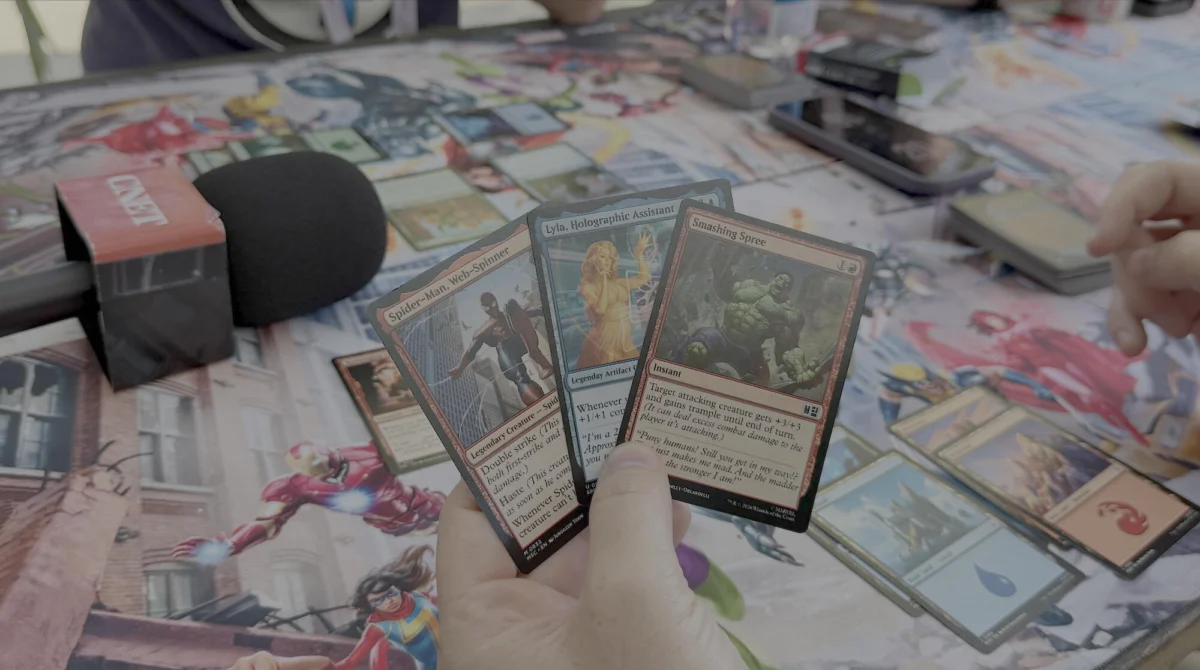
The highly anticipated Magic: The Gathering Marvel Super Heroes set officially launched on June 26, 2026, marking a monumental crossover that integrates over eight decades of Marvel’s rich narrative into the world’s premier trading card game. The set’s debut at Summer Game Fest 2026 provided an early look at how legendary heroes and villains translate into playable cards, offering a unique fusion of two colossal entertainment franchises. This expansion, a cornerstone of Magic: The Gathering‘s "Universes Beyond" initiative, promises to captivate both long-standing Magic players and the vast global audience of Marvel enthusiasts.
A New Chapter in Universes Beyond
The launch of the Marvel Super Heroes set represents a significant milestone for Wizards of the Coast, the publisher of Magic: The Gathering, and their parent company Hasbro. Magic: The Gathering, which first debuted in 1993, has grown into a global phenomenon, boasting millions of players and a robust competitive scene. Its "Universes Beyond" series, initiated in recent years, has been a strategic venture to expand the game’s reach by adapting beloved intellectual properties into Magic’s established ruleset. Previous successful collaborations have included iconic franchises such as The Lord of the Rings, Warhammer 40,000, Doctor Who, and Final Fantasy. The integration of Marvel, a cornerstone of modern pop culture with its vast cinematic universe, acclaimed comic books, and popular television series, elevates this initiative to unprecedented levels.

The reveal at Summer Game Fest 2026 featured prominent figures in the design of the set, including Mark Rosewater, a 30-year veteran and lead designer for Magic: The Gathering, and Amanda Barker, Marvel’s senior product designer. Their insights illuminated the intricate process of distilling Marvel’s expansive lore into the 2.5-inch by 3.5-inch card format that defines Magic. The set encompasses a core collection, specialized Commander decks (a popular multiplayer format within Magic), and exclusive reprints featuring new art, culminating in approximately 600 unique cards at launch, with hints of future additions. This extensive roster reflects the ambition to comprehensively represent Marvel’s universe.
The Intricacies of Design: From Comic Panel to Cardboard
Translating the dynamic world of Marvel into the strategic framework of Magic: The Gathering presented a unique set of design challenges. Mark Rosewater described Marvel’s universe as an "embarrassment of riches," noting the sheer volume and diversity of characters, creatures, and concepts that align surprisingly well with Magic’s fantastical elements. For instance, the presence of characters like Fin Fang Foom, a dragon from the Marvel comics, seamlessly integrates with Magic’s long-standing tradition of powerful draconic creatures.
The Marvel Super Heroes set introduces two new mechanics tailored to the superhero theme: "Power Up" and "Team Up." "Power Up" allows players to enhance a card’s abilities or stats even after it has entered the battlefield, offering a dynamic layer of combat strategy that echoes a hero’s sudden surge of strength or unique ability activation. This mechanic diverges from existing ones like "Kicker," which only modifies a spell upon its initial casting. "Team Up" facilitates cooperative abilities among creatures, enabling them to collectively contribute to strengthening spells or activating potent effects. This mechanic draws parallels to Magic’s "Crew" mechanic for vehicles but expands it to a broader range of creature interactions, embodying the collaborative spirit often seen in superhero teams.

A critical aspect of the design process involved meticulous character selection. Rosewater’s team conducted extensive research, going far beyond Marvel’s initial list of top 40 characters, even compiling every character ever featured in the Avengers roster. The primary guiding principle for inclusion was that characters must originate from Marvel’s comic books, ensuring authenticity to the source material. However, a pragmatic "loophole" was acknowledged: characters who debuted in other media, such as the Marvel Cinematic Universe (MCU) or television shows, could be included if their popularity led to their subsequent integration into the comic book canon. Mobius and Miss Minutes from the Loki TV series serve as prime examples of characters who successfully migrated to the comics and thus became eligible for the Magic set. This approach demonstrates a careful balance between comic fidelity and broader audience recognition, often prioritizing the comic version of a character even if their MCU portrayal is more widely known.
Mapping Marvel to Magic’s Color Pie
One of the most profound design tasks involved aligning Marvel characters with Magic: The Gathering‘s iconic "color pie." Magic’s five colors (White, Blue, Black, Red, and Green) represent distinct philosophies, strategies, and types of magic. White typically embodies order, justice, and community; Blue represents intellect, manipulation, and control; Black signifies ambition, selfishness, and sacrifice; Red is associated with impulsivity, passion, and destruction; and Green embodies nature, growth, and brute force.
The challenge was to distill the essence of characters, some with decades of complex history, into these color identities. For instance, the CNET reporter playing the set noted how Spider-Man’s card ability, preventing an opponent’s creature from blocking, perfectly captured his web-slinging, evasive style. However, more complex characters required nuanced categorization. Rosewater explained that a character like the Hulk, while clearly aligning with Green for his immense physical power and growth, also embodies Red’s anger and impulsivity, making him a compelling hybrid. Iron Man further exemplifies this complexity: his historical selfishness aligns with Black, his dedication to the greater good with White, his genius and invention with Blue, and his occasional impulsivity with Red. Ultimately, Rosewater identified his intellect and impulsivity as dominant traits, positioning him primarily within Blue-Red. This multi-color approach allows for a more comprehensive representation of characters with multifaceted personalities and evolving narratives.

The design team also had to ensure that while capturing a character’s essence, the resulting card remained playable and desirable within the game. As Rosewater articulated, "if you make the most Captain America that at every level represents Captain America, but nobody wants to put it in their deck, then you fail." This philosophy underscores the need for synergistic mechanics and balanced power levels alongside thematic accuracy. For heroes like Captain America, multiple card versions might exist, each highlighting a different facet of his character—one focusing on his tactical leadership, another on his iconic shield-throwing prowess.
Artistic Fusion: Legendary Comic Artists Meet Magic’s Canvas
The visual appeal of Magic: The Gathering cards is paramount, and the Marvel Super Heroes set leverages this by transforming each card into a miniature comic panel. The collaboration saw an unprecedented influx of artistic talent. Wizards of the Coast extended invitations to artists who had never worked on Magic cards before, specifically seeking those with a deep connection to Marvel’s aesthetic. Simultaneously, veteran Magic artists eagerly seized the opportunity to depict iconic characters like Spider-Man and Iron Man.
Amanda Barker emphasized that artists were encouraged to bring their unique styles to the project, fostering a diverse visual tapestry across the set, with the key caveat that "as long as the costume is correct," artistic freedom was largely granted. This approach ensures a vibrant and authentic representation of Marvel’s diverse artistic legacy.

Perhaps one of the most exciting aspects for collectors and comic aficionados is the inclusion of art from legendary comic book artists. Special reprint versions of classic Magic cards will feature iconic artwork from titans of the industry such as Steve Ditko, Jack Kirby, and Alex Ross. These highly sought-after cards are randomly inserted into booster packs, with a higher probability of appearing in collector packs, adding an extra layer of rarity and historical significance to the set. This not only celebrates the foundational artists of the Marvel universe but also bridges the gap between comic book collecting and TCG collecting, offering unique artifacts that appeal to both fanbases.
Broader Impact and Market Implications
The release of the Magic: The Gathering Marvel Super Heroes set is poised to have significant implications across several sectors. For Wizards of the Coast and Hasbro, this collaboration represents a strategic move to attract new players to the Magic: The Gathering ecosystem. Marvel’s unparalleled global recognition, driven by its cinematic universe, provides an enormous potential audience who may be drawn to the game through their favorite characters. Industry analysts suggest that such high-profile crossovers can lead to substantial spikes in product sales, increased player engagement, and a boost in the game’s overall market share.
The collectible market is also expected to see considerable activity. The combination of Magic’s established collectible economy and Marvel’s extensive merchandising history creates fertile ground for high-value cards, especially those featuring iconic characters, legendary artist renditions, and rare foil treatments. The secondary market, where individual cards are bought and sold, will likely reflect the intense demand for these unique crossover pieces.

Furthermore, this set reinforces the growing trend of intellectual property synergy in the entertainment industry. The success of Universes Beyond sets like Marvel could pave the way for even more ambitious crossovers in the future, prompting discussions within the industry about the limits and potential of blending disparate fictional worlds. While some purists within the Magic community have expressed concerns about "brand dilution" with non-fantasy IPs, the commercial success and generally positive reception of previous Universes Beyond sets suggest that the broader strategy is effective in expanding the game’s appeal without alienating its core audience.
The Marvel Super Heroes set is not just a commercial venture; it is also a testament to the enduring power of storytelling and character design. It exemplifies how two distinct narrative universes, one built on high fantasy and intricate mechanics, the other on heroic sagas and a sprawling multiverse, can converge to create a new, compelling play experience. The thoughtful design, meticulous character adaptation, and celebration of artistic heritage underscore the collaborative spirit that brought this ambitious project to fruition, solidifying its place as a landmark release in the history of trading card games and pop culture crossovers.