


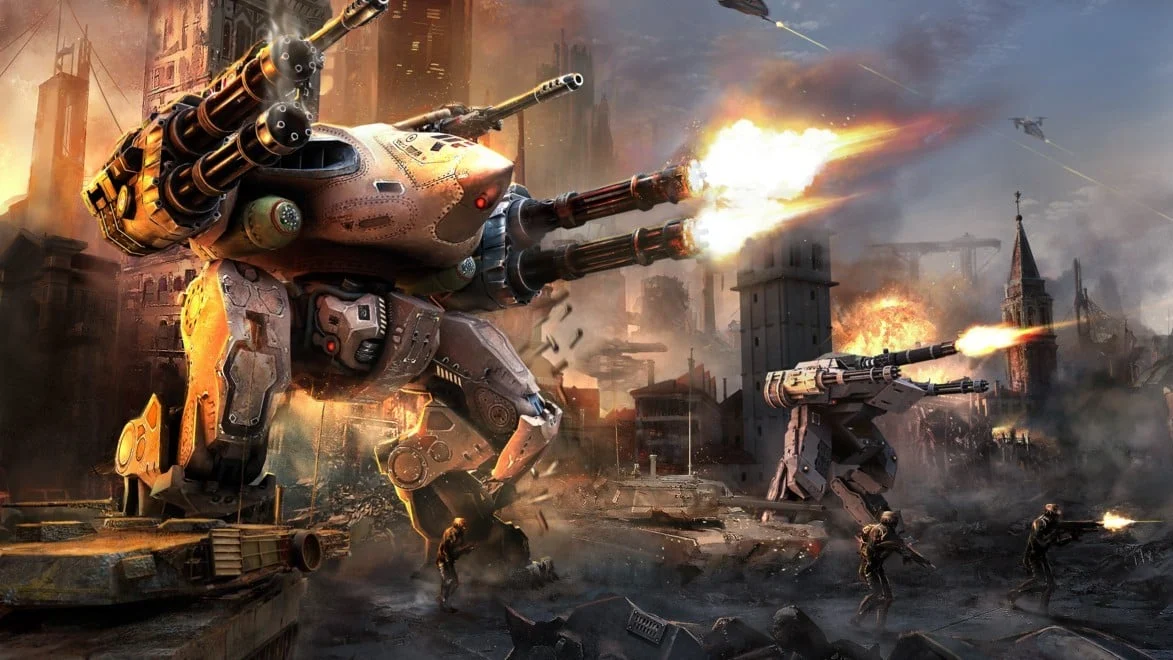
The Xbox digital storefront has expanded its free-to-play library with the sudden arrival of two distinct titles that cater to vastly different segments of the gaming market: the massive multiplayer mechanical combat simulator War Robots and the niche idle role-playing game Incremental Epic Hero 2. While these titles arrived with minimal prior fanfare on the platform, their inclusion represents a broader strategy by Microsoft to diversify the Xbox ecosystem with established titles from the mobile and PC sectors. The most notable of these releases, War Robots, arrives on the console with a staggering historical player base of over 325 million registered users worldwide, signaling a significant transition for a franchise that began its life on mobile devices nearly a decade ago.
The Expansion of the War Robots Franchise
War Robots, developed by Pixonic and published by MY.GAMES, has established itself as one of the most enduring successes in the mobile gaming industry. Since its initial launch in 2014, the game has evolved from a simple third-person shooter into a complex tactical ecosystem involving deep customization and competitive team-based play. The transition to Xbox One and Xbox Series X/S follows previous successful ports to PC and PlayStation, completing the game’s journey toward becoming a fully cross-platform service.
According to data provided by the publisher, the 325 million player milestone is a cumulative figure representing the game’s reach across all previous platforms over the last ten years. This massive audience has been built through a continuous live-service model that introduces new mechs, weapons, and maps on a regular cadence. The Xbox version aims to replicate the core "signature gameplay" of the original while implementing technical optimizations necessary for home consoles. This includes remapped control schemes for the Xbox Wireless Controller and visual enhancements to take advantage of the superior processing power of the Xbox Series X.
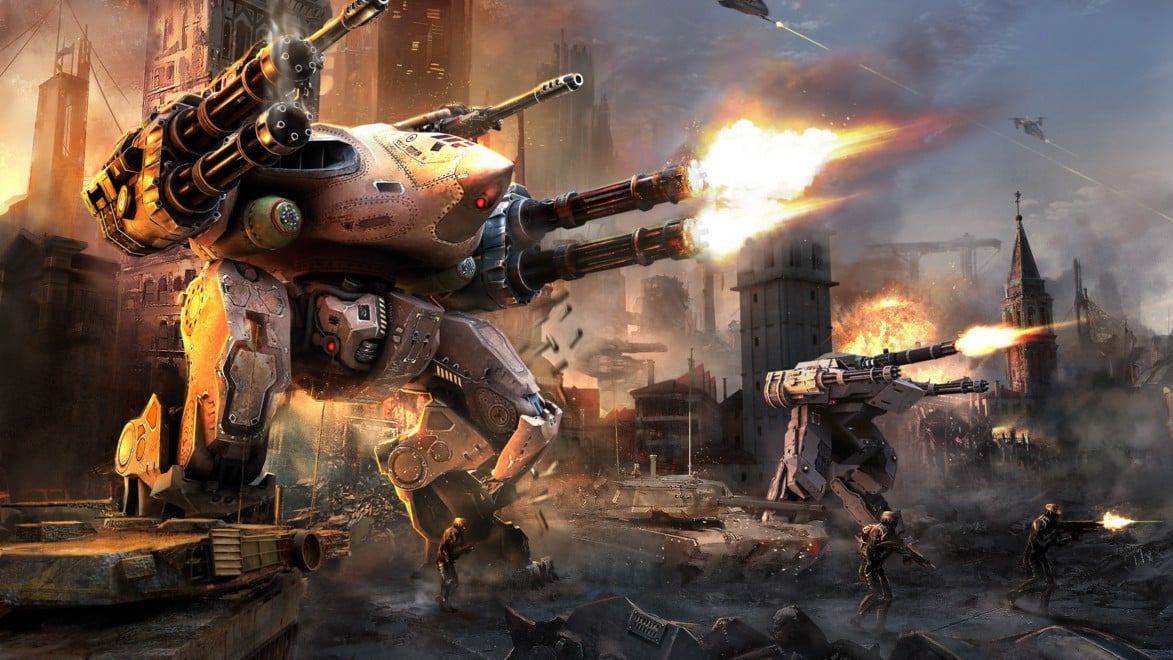
The gameplay of War Robots centers on 6v6 tactical PvP battles. Players select from a roster of dozens of giant mechs, each categorized by weight class and tactical role. The game emphasizes strategic positioning and team composition over pure reflexes, a design philosophy that has allowed it to maintain a stable player base in a market often dominated by high-speed twitch shooters.
Technical Performance and Initial Reception
Despite its massive success on mobile, the transition to the Xbox platform has seen a varied response from the community. As of the latest store data, the Xbox version of War Robots holds a 2.9/5 rating in the United States. This discrepancy between historical popularity and current platform reception often occurs when mobile titles are ported to consoles without significant overhauls to their monetization structures or user interfaces.
On the Steam platform, where the game has been available for a longer duration, it maintains a "Mixed" rating based on over 12,000 user reviews. Analysis of player feedback suggests that while the core mechanical combat remains engaging, the aggressive microtransaction model—a staple of the free-to-play mobile industry—can be a point of contention for console players accustomed to different economic structures. In War Robots, players can purchase in-game currency to accelerate the upgrading of their robots and weaponry, a system that some critics argue creates a "pay-to-win" environment in high-level competitive play.
Clarifying the War Robots Ecosystem: The Frontiers Distinction
The arrival of the original War Robots on Xbox has caused some confusion within the community due to the existence of another War Robots: Frontiers. It is essential to distinguish between these two separate projects to understand the current Xbox landscape.
War Robots: Frontiers is a completely different game built from the ground up using Unreal Engine 5. While the original War Robots is a port of the classic mobile experience, Frontiers is a high-fidelity, "next-gen" focused title designed specifically for modern consoles and high-end PCs. Frontiers was initially slated for a broader release in 2025 and features entirely different mechanics, including destructible environments and more advanced physics. The release of the original War Robots on Xbox ensures that players with older hardware (Xbox One) or those who prefer the established meta of the mobile version have access to the franchise, while Frontiers targets the premium enthusiast market.
Incremental Epic Hero 2: A Different Kind of Engagement
The second title to join the Xbox free-to-play roster is Incremental Epic Hero 2 (IEH2), developed by Hapiwaku. In stark contrast to the high-production action of War Robots, IEH2 is an "idle" or "incremental" RPG. This genre, which gained massive popularity on browser-based platforms and Steam, focuses on long-term progression, statistical optimization, and automated combat.
Incremental Epic Hero 2 offers six unique hero classes and claims to provide over 1,000 hours of gameplay content. The game’s design revolves around the concept of "prestige" or "rebirth," where players reset their progress in exchange for permanent power-ups that allow them to push further into the game’s vast fantasy world with each subsequent run.
Unlike War Robots, IEH2 has seen a more positive initial reception on the Xbox Store, mirroring its "Mostly Positive" status on Steam. The appeal of idle games on consoles has grown in recent years, as they offer a "second-screen" experience—games that can be played casually while the user engages with other media or tasks. The inclusion of IEH2 on Xbox highlights Microsoft’s willingness to cater to niche genres that have traditionally been confined to PC environments.
The Economic Model of Console Free-to-Play Games
Both War Robots and Incremental Epic Hero 2 utilize a free-to-play (F2P) business model. For Microsoft, the inclusion of these titles serves several strategic purposes. F2P games act as a low-barrier entry point for new console owners, ensuring that a library of playable content is available immediately upon purchase without requiring additional software investment.
However, the "free" label comes with caveats. Both games rely on microtransactions to generate revenue. In War Robots, these are centered on "Gold," "Silver," and "Platinum" currencies used for mech upgrades and "Gacha" style crates. In Incremental Epic Hero 2, monetization typically involves "Epic Store" purchases that provide quality-of-life improvements or speed up the progression curve.
The integration of these economies onto the Xbox Store requires adherence to Microsoft’s platform policies, which include a percentage-based revenue split on all digital purchases. As the traditional "buy-to-play" market faces rising development costs, these F2P titles provide a steady stream of recurring revenue for both the developers and the platform holder.
Chronology of the Release and Market Context
The release of these two titles follows a specific timeline of expansion for their respective developers:
- April 2014: War Robots launches on iOS as "Walking War Robots."
- 2015-2016: The game expands to Android and begins its rapid ascent in the global mobile charts.
- 2018: Pixonic is acquired by MY.GAMES (a subsidiary of the VK group at the time), providing more resources for international expansion.
- 2021-2022: War Robots enters the PC market via Steam and the PlayStation Store.
- 2022: Incremental Epic Hero 2 launches on Steam, building on the cult success of its predecessor.
- Late 2023 – Early 2024: Both titles undergo porting processes for the Xbox ecosystem.
- Current Week: Both games are "shadow-dropped" on the Xbox Store, appearing without a major marketing campaign.
This chronology illustrates the "long-tail" lifecycle of modern live-service games. Titles are no longer confined to their launch platforms; instead, successful IPs are treated as services that must eventually reside on every screen possible to maximize player acquisition.
Broader Implications for the Xbox Ecosystem
The arrival of a game with 325 million historical players is a significant data point for the industry. It confirms that the boundaries between mobile gaming and console gaming are continuing to blur. As mobile hardware becomes more powerful, the technical gap required to port these games to consoles like the Xbox One diminishes.
For the Xbox community, these releases provide more variety but also bring the challenges of mobile-centric design to the living room. The lower user ratings for War Robots on Xbox suggest a "culture clash" where console gamers expect different value propositions than mobile gamers. Console players often prioritize fair competitive play and high-fidelity graphics, whereas the mobile market is more tolerant of pay-to-accelerate mechanics.
Furthermore, the presence of Incremental Epic Hero 2 suggests that Microsoft is looking to capture the "efficiency" gamer—a demographic that enjoys the math-heavy, incremental progress of PC-centric titles. This move broadens the demographic reach of the Xbox, moving it beyond the traditional "hardcore gamer" image toward a more inclusive "everything platform."
Official Statements and Future Outlook
In press materials accompanying the release, the developers of War Robots emphasized that the console version is not merely a port but a "tailored experience." The focus on "tactical PvP" and "extensive customization" remains the primary selling point. While official statements from Microsoft regarding these specific releases are standard, the platform holder’s recent actions—such as the acquisition of Activision Blizzard and its King mobile division—underscore a massive corporate pivot toward the mobile and F2P sectors.
Looking forward, the success of these two titles on Xbox will likely be measured not by initial downloads, but by player retention and the conversion of "free" players into paying customers. If War Robots can successfully navigate the transition and improve its platform rating, it may pave the way for more mobile titans to make the jump to Xbox. Similarly, if Incremental Epic Hero 2 finds a sustainable audience, it could encourage more indie developers of niche PC genres to consider console ports as a viable path for growth.
As the gaming industry enters the mid-point of the current console generation, the influx of free-to-play content remains a cornerstone of platform growth. Whether these specific titles become staples of the Xbox library or remain niche curiosities will depend on how the developers adapt their live-service models to the expectations of the console audience. For now, Xbox owners have two vastly different worlds to explore at no upfront cost: one of massive, clashing steel and another of infinite, incremental progression.