


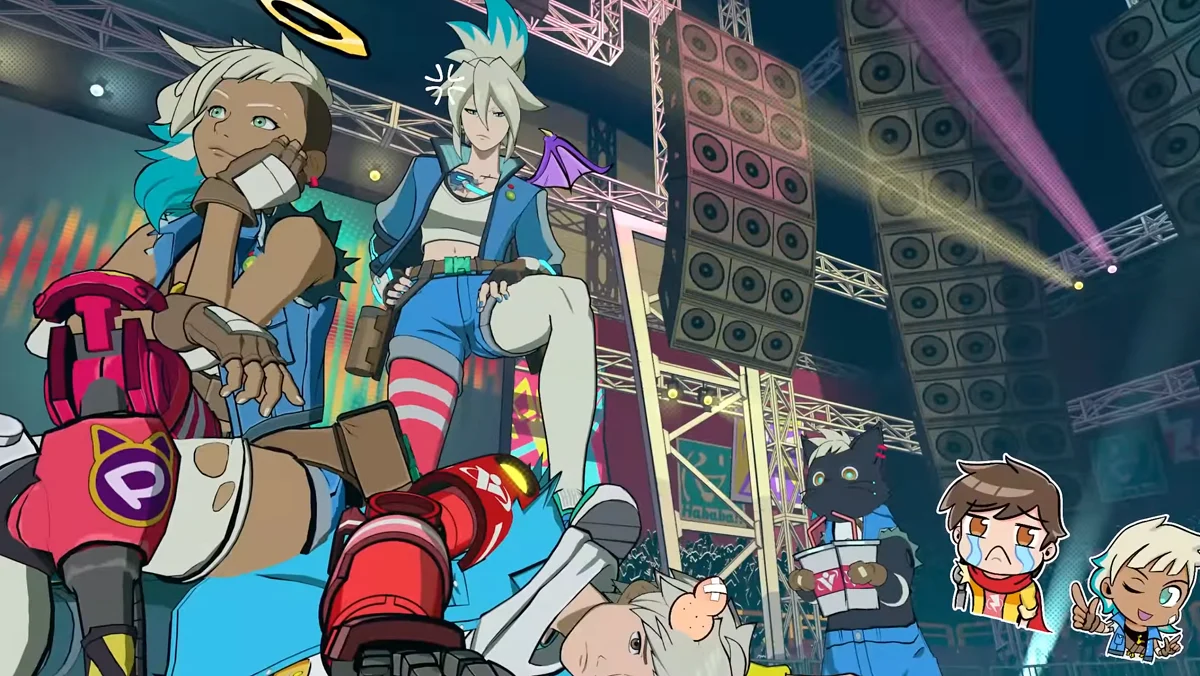
Microsoft confirmed this morning the closure of four Xbox game development studios, a move that reverberates through the gaming industry already grappling with significant workforce reductions and restructuring. The studios affected are Arkane Austin, responsible for the recently released Redfall, and Tango Gameworks, lauded for its critically acclaimed Hi-Fi Rush. Alpha Dog Games has also been shuttered, while Roundhouse Studios will be integrated into ZeniMax Online Studios to bolster its development efforts. This development marks another somber chapter in a year characterized by widespread layoffs and studio consolidations across the sector.
A Wave of Industry Consolidation and Cuts
The gaming industry has witnessed an unprecedented surge in studio closures and mass layoffs throughout the past year and into the current one. Companies that were once aggressively acquiring studios, like Embracer Group, have shifted their strategy, leading to divestitures, studio shutdowns, and significant staff reductions. This trend has now firmly ensnared Microsoft’s gaming division, casting a shadow over its development landscape.
The announcement of these studio closures follows earlier significant workforce adjustments within Microsoft’s gaming arm. In January 2024, the company confirmed layoffs affecting approximately 1,900 employees across Xbox and the recently acquired Activision Blizzard. While the exact number of employees impacted by the current studio closures has not yet been officially disclosed by Xbox, the news was disseminated internally via an email from Xbox Game Studios head Matt Booty, as reported and verified by IGN. Individual studio accounts have subsequently confirmed the closures, with employees expressing their frustration and disappointment on social media platforms. Microsoft has declined to comment on the specific reports.
Contrasting Outcomes for Studios
The stark reality of these closures is amplified when considering the recent track records of the affected studios. Arkane Austin, despite a challenging reception for Redfall, had a distinguished history, having previously developed critically acclaimed titles such as Prey (2017) and the original Dishonored. Redfall will remain accessible online, but will cease to receive further updates. Microsoft has stated that a "make-good" will be offered to purchasers of the premium DLC pass for the game. This decision stands in notable contrast to prior assurances. In a May 2023 interview with Kinda Funny, Xbox head Phil Spencer expressed a commitment to supporting the game and its development team: "In terms of our commitment to the game… absolutely, the team at Arkane is taking the near-term feedback. We’re still working on the 60fps update. We have a good timeline for that, we’re committed to getting that done. And we’re going to continue to work the game. I think we’ve shown a commitment to games like Sea of Thieves and Grounded, to continue to go and build games. But I also know that these games are $70, and I’m gonna take full responsibility for launching a game that needs to be great." These prior statements highlight the unpredictable nature of studio viability, even for teams with a proven legacy.
Tango Gameworks, on the other hand, experienced a significant critical and commercial success with Hi-Fi Rush. The game was widely lauded as a refreshing and innovative title for the Xbox platform, earning critical acclaim. In fact, just recently, Hi-Fi Rush was selected as part of a curated slate of Xbox games to be released on other platforms, signaling its perceived success and market appeal. This move to expand its reach to new audiences directly contradicts the decision to shutter the studio. Reports of Hi-Fi Rush underperforming were publicly refuted by Aaron Greenberg, Xbox’s VP of Games Marketing, who stated, "[Hi-Fi Rush] was a break out hit for us and our players in all key measurements and expectations. We couldn’t be happier with what the team at Tango Gameworks delivered with this surprise release." The BAFTA win for the studio, which was retweeted by Bethesda, further underscores the disconnect between critical acclaim, perceived success, and the ultimate fate of the studio.
The Rationale Behind the Restructuring
Matt Booty, Head of Xbox Game Studios, outlined the rationale behind these difficult decisions in his internal communication. He cited a strategic reprioritization aimed at "prioritizing high-impact titles and further investing in Bethesda’s portfolio of blockbuster games and beloved worlds." Booty emphasized the need to "double down on these franchises and invest to build new ones," which necessitates a review of the business to identify opportunities best positioned for success. This strategic realignment, he explained, would involve the reassignment of some teams and the departure of some employees.
Financial Context and Industry Performance
This wave of cuts occurs against a backdrop of robust financial performance for Microsoft and a broader industry grappling with evolving market dynamics. Microsoft reported strong earnings for its fiscal year 2024 third quarter, ending March 31, 2024. The company’s overall revenue saw a significant increase, with its Gaming segment experiencing a substantial boost. Specifically, Xbox content and services revenue rose by 62% (61% in constant currency), largely attributed to the impact of the Activision Blizzard acquisition. This acquisition, finalized in October 2023, added a considerable portfolio of established franchises and development talent to Microsoft’s gaming division.
Despite this impressive financial growth at the corporate level, the video game market itself has shown signs of stagnation. Industry outlooks suggest a flattening growth trajectory for console gaming, increasing pressure on studios to deliver consistent, high-performing titles. Microsoft itself achieved a market capitalization of $3 trillion in January 2024, a milestone that underscores its immense financial power. However, this immense profitability appears to coexist with a strategy that prioritizes consolidation and efficiency, often at the expense of established development teams.
The Human Cost of Industry Shifts
The decisions made by Microsoft and other industry giants have profound implications for the individuals who create these games. Phil Spencer, in a March interview with Polygon, reflected on the displacement of industry professionals: "I reflect on friends of mine in the industry that have been displaced and lost their jobs and how just, I don’t want this industry to be a place where people can’t, with confidence, build a career." This sentiment highlights the human cost of these large-scale corporate decisions. Reports indicate that talent is already beginning to exit the industry, a trend exacerbated by recent return-to-office mandates, which have led to further job losses for some employees.
The current climate has fostered an environment where career stability in the gaming sector is increasingly uncertain. For independent developers and smaller studios, securing publishing deals and funding has become more challenging, as noted by industry analysts. Swen Vincke, CEO of Larian Studios, articulated the delicate balance between financial necessity and creative ambition in game development: "They don’t care that much about the money made beyond it being the fuel they need to create new and better games. It’s worth reminding everyone that fuel is but a means, not a goal. Whereto and how we journey are what matter and what we remember." This perspective underscores the concern that the pursuit of financial "fuel" may be overshadowing the core passion and artistic vision that drives game creation.
The Road Ahead for Xbox and the Industry
As Xbox prepares for its showcase event in June as part of the Summer Game Fest, the industry will be keenly observing its messaging and strategic direction. The ongoing pattern of studio closures and layoffs raises critical questions about the long-term vision for Xbox’s first-party development and its commitment to diverse creative voices. The events of the past year and the recent announcements serve as a stark reminder of the precarious nature of employment in the gaming industry, where success is often measured by opaque metrics, and the ultimate price is paid by the individuals who bring interactive entertainment to life. The industry faces the challenge of fostering sustainable careers and creative environments amidst constant economic pressures and corporate restructuring. The question remains whether such events will prompt a deeper examination of industry practices and a more human-centric approach to game development.