



The digital landscape of Welcome to the Game 3 presents players with a harrowing challenge, where the pursuit of illicit information on the dark web is fraught with peril. This latest installment from Reflect Studios throws players into a world populated by a new array of antagonists, old favorites, and the ever-present threat of rival players attempting to sabotage their efforts. This comprehensive guide explores the mechanics of these persistent killers, the strategies required for survival, and the broader implications for navigating this dangerous virtual environment.
The Evolving Threat Landscape of the Dark Web

Welcome to the Game 3 builds upon the established lore of its predecessors, immersing players in a meticulously crafted simulation of online danger. The core gameplay loop revolves around gathering information, completing requests, and ultimately surviving encounters with individuals who operate outside the law and ethical boundaries. Unlike previous iterations, Welcome to the Game 3 introduces a heightened level of unpredictability, with antagonists exhibiting more sophisticated behaviors and a greater capacity to adapt to player strategies. The developers have emphasized a focus on creating a persistent sense of dread, where every online interaction could potentially trigger a life-threatening encounter. This has led to a significant increase in the complexity of the game’s AI, designed to learn and react to player actions in real-time.
Strategic Foundations for Survival
Effective survival in Welcome to the Game 3 hinges on a proactive and strategic approach to resource management and threat assessment. The game’s clock is a critical element, with killers commencing their hunts from 9:30 PM in normal mode. Players are strongly advised to utilize the initial hours of gameplay to establish a robust operational base. This involves leveraging platforms like VirtMesh for cryptocurrency mining, which then fuels purchases on DarkDrop, a virtual marketplace for essential surveillance equipment. Completing requests on A.C.R.S. is crucial for accumulating Reputation (Rep) and in-game currency by gathering and selling sensitive data from the dark web, as well as actively blocking incoming hacking attempts. The ShadowFetch utility allows for the conversion of URLs into downloadable MP4 files, a core mechanic for fulfilling requests. Furthermore, the practice of "pinging" users on channels before their scheduled resets every half hour ensures that their requests are saved, providing a fallback should players need to revisit specific data. This meticulous preparation is not merely about acquiring tools; it’s about understanding the rhythm of the game and anticipating the movements of its ever-present threats.
An In-Depth Look at the Killers and Their Mechanics
Welcome to the Game 3 introduces a diverse cast of antagonists, each with unique behaviors and vulnerabilities. Understanding these mechanics is paramount to player survival.
The Bomb Maker: A Race Against Time
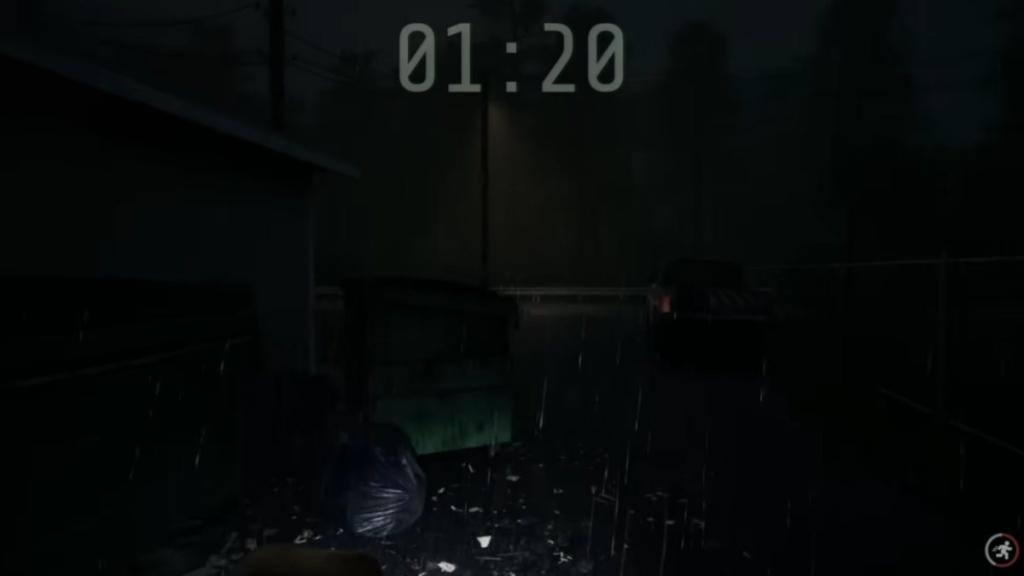
Similar to the Dollmaker in Welcome to the Game 2, the Bomb Maker’s threat is triggered only if a player directly visits their specific website. While not a guaranteed spawn in every playthrough, encountering this site initiates a dramatic countdown timer. Players are immediately alerted via a private message on CryptChat, providing the disarm code. The challenge then becomes a frantic 90-second race to locate and defuse the planted explosive. Failure results in an immediate game over. The most effective countermeasure against the Bomb Maker is to simply avoid visiting their website altogether, thereby neutralizing the threat before it even manifests. This highlights the game’s emphasis on information control and cautious navigation of online spaces.

The Breather: The Stalker of the Dead Drop
A returning menace from previous Welcome to the Game titles and Dead Signal, the Breather exhibits a particular affinity for stalking Amazon Prime drones. This killer’s presence is intrinsically linked to the act of retrieving packages from a specific dead drop location situated beneath a lit bridge on the far left side of the map, outside the motel. Deviation from the designated path while the Breather is active results in immediate elimination. Upon securing DarkDrop packages, a scripted event triggers the Breather’s appearance, initiating a chase. Players are advised to ensure their stamina is at maximum capacity before attempting any pickups. The Breather will cease pursuit if the player successfully retreats back to the motel’s parking lot. This mechanic reinforces the importance of situational awareness and strategic retreat.
Cletus: The Demanding Addict
Cletus presents a unique gameplay mechanic: his aggression is directly tied to the player’s possession of his required supply. Cletus demands meth to remain passive. Players must acquire these supplies from motel rooms and the surrounding parking lot at the commencement of each run. When supplies dwindle, players must locate and contact dealers through A.C.R.S. By clicking on a dealer’s username, players can assess their Rep level and initiate contact via a "PING." This process reveals the dealer’s ID, which can then be entered into DAREdash to purchase crystal meth. It’s crucial to note that these Dealer IDs do not carry over between save files. Purchasing stock operates similarly to acquiring items on DarkDrop. Maintaining at least one baggie of meth in inventory is essential, and players should avoid accumulating more than one, as Cletus will confiscate the entire supply. While Cletus will not kill a player who meets his demands, he will forcibly relocate them to a motel room if encountered outdoors. This mechanic introduces an element of resource dependency and a constant need to manage illicit goods.
The Kidnapper: The Stationary Menace
The Kidnapper boasts the most straightforward mechanic among the game’s antagonists but can become a significant obstacle, particularly during power or internet outages. This killer is typically found waiting in a white van within the motel’s parking lot. Players must strictly avoid exiting the motel via either the front or back doors when the white van is present, as doing so results in immediate abduction. The recommended strategy is to wait inside until the van departs. Prolonged waiting periods increase the likelihood of Noir’s appearance, especially if multiple lights are intentionally switched off to counter Lucas. This emphasizes the importance of patience and strategic timing when venturing outside.

Lucas: The Persistent Hitman
Lucas remains a cornerstone threat in the Welcome to the Game series, having appeared in every title since WTTG2. As the series’ most consistent antagonist, Lucas operates as a formidable hitman. His primary method of attack involves infiltrating the main building through the back doors, including the accessible Electrical Room door. Players are urged to keep all back doors locked from the start of their run, only unlocking them when absolutely necessary for tasks like restoring internet or power. A subtle audio cue signals Lucas’s attempt to unlock a back door, providing a brief window for players to reach one of two designated hiding spots: the lockers to the far right or the laundry basket on the far left of the computer terminal. Upon entering a hiding spot, a minigame commences, requiring players to hold and release the spacebar to maintain a moving ring within a target band. The gauge only depletes once Lucas departs. The successful completion of this minigame confirms the player’s safety. To mitigate Lucas’s threat, players should turn off two to three lights at the start of each run and power down the computer when Lucas is detected, preventing him from stealing DOS coins. The strategic deployment of motion sensors is also highly recommended. These devices, when placed on the backside of the main building (ALLEY) and positioned away from outer doors, provide ample warning by beeping and flashing red on the computer taskbar. This allows players sufficient time to switch off lights and reach a hiding spot.
Noir: The Shadowy Duo
The recurring duo Noir, known from Dead Signal, returns as a significant threat. Their appearance is directly correlated with reduced lighting conditions; the dimmer the environment, the higher the probability of Noir spawning. This makes resolving power outages a particularly perilous endeavor. When Noir appears outside, players must identify their positions. If the male figure is on the left, shining a light and then looking away for five seconds is required. This duration increases to ten seconds if the female figure is positioned to the left. Players should confirm their departure before moving. On other occasions, one member of Noir may directly confront the player at the computer. In such instances, looking away for a few seconds and listening for their whispered departure is the advised course of action. This mechanic emphasizes observation and evasion in low-visibility scenarios.
Tanner: The Desperate Attacker
Tanner, a character originating from Scrutinized, brings a desperate and aggressive approach to Welcome to the Game 3. Tanner can attack from within motel rooms or by breaching the main building’s counter. A panic button located to the right of the computer can temporarily disable the automatic doors. Properly timed, this can cause Tanner to crash into the glass, effectively thwarting his attempt to inject the player with a lethal dose. However, reliance on the panic button is ill-advised, as overuse can lead to network disruptions, necessitating a trip to the exterior to resolve them. Installing cameras offers an alternative for spotting Tanner, though their activation time can be lengthy. Motion sensors, when placed on the thin pillars at the edge of the motel parking lot near the road, provide a more immediate alert. Clicking the sensor icon on the taskbar reveals motion detection in specific areas, such as the FRONT_OUTER_LOT, prompting the activation of the panic button. As with other external threats, locking motel doors behind oneself when entering rooms is a crucial defensive measure. Utilizing the peephole to check for Tanner’s presence can confirm his cooldown period, granting the player a reprieve to focus on other threats.

Tucker: The Opportunistic Attacker
Tucker’s attacks are primarily executed when players are engaged in repairing the internet router outdoors. The rustling of leaves serves as an auditory cue for his proximity. This typically occurs when the player is locked in an animation, unplugging the router. The recommended strategy is to remain stationary and listen for a second rustle, indicating his departure. A different scenario unfolds if music is playing from an external speaker. In this case, players should run into the parking lot and search for an Ace of Spaces playing card displayed on one of the motel doors. Entering the designated room and locking the door behind them is essential. Players must wait until a triumphant musical cue signals Tucker’s withdrawal. This mechanic highlights the importance of auditory cues and rapid situational assessment.
Broader Implications and Player Analysis
The introduction of these persistent killers and their intricate mechanics in Welcome to the Game 3 signifies a maturation of the survival horror genre within the digital space. The game challenges players not only to react to immediate threats but also to engage in complex strategic planning, resource management, and meticulous observation. The developers’ commitment to evolving AI and increasingly sophisticated threat behaviors suggests a trend towards more dynamic and less predictable gameplay experiences.

The effectiveness of player strategies, such as the proactive use of surveillance equipment and the careful management of online interactions, directly correlates with their ability to progress. The game’s design implicitly encourages players to become adept at understanding the "rules" of the dark web, both in terms of its operational protocols and its inherent dangers. This extends beyond mere survival; it involves a deep immersion into a simulated environment where every decision carries significant weight.
From a developer’s perspective, the success of Welcome to the Game 3 hinges on its ability to balance challenging gameplay with accessible mechanics. The tiered approach to killer difficulty and the provision of multiple counter-strategies for each threat aim to cater to a wide range of player skill levels. The recurring nature of certain antagonists and their integration across different game titles also fosters a sense of continuity and familiarity for long-term players, while simultaneously introducing novel challenges.
The continued focus on themes of online anonymity, digital crime, and the psychological toll of constant vigilance positions Welcome to the Game 3 as a relevant and thought-provoking entry in the gaming landscape. As players navigate this perilous virtual underworld, they are not just playing a game; they are engaging in a simulated exploration of the darker corners of the internet and the human psyche. The game’s ultimate success will be measured by its capacity to sustain this challenging yet compelling experience, pushing players to their limits and rewarding them for their strategic acumen and unwavering resolve.