


The month of June 2026 has concluded as one of the most statistically significant periods for the Xbox Game Pass service since its inception, marked by a strategic blend of high-profile AAA titles and a robust wave of "Day One" indie releases. As Microsoft enters the third quarter of the fiscal year, the internal metrics and player engagement data from the June catalog suggest a deliberate shift toward diversifying the service’s appeal across multiple genres, including first-person shooters, sports simulations, and niche independent adventures. This period of growth follows the annual Xbox Games Showcase, which traditionally sets the tempo for the summer release schedule, ensuring that the subscription platform remains a central pillar of the brand’s consumer value proposition.
The Strategic Inclusion of AAA Blockbusters
The June 2026 update was headlined by several heavyweights of the industry, most notably Call of Duty: Vanguard and EA Sports FC 26. The inclusion of Call of Duty: Vanguard represents the continued integration of the Activision Blizzard catalog into the Game Pass ecosystem. While Vanguard is a legacy title in the franchise, its addition serves a dual purpose: bolstering the "back catalog" value for new subscribers and maintaining a high baseline of active players within the Call of Duty ecosystem. Industry analysts note that by providing older premium entries alongside the current live-service models like Warzone, Microsoft effectively creates a "walled garden" that discourages player churn.
Simultaneously, the arrival of EA Sports FC 26 on the service—facilitated through the ongoing EA Play partnership—captured a significant portion of the European and South American markets. As the premier football simulation title, its mid-summer availability aligns with the conclusion of major real-world domestic leagues and the peak of international tournament cycles. This timing maximized the "Ultimate Team" engagement metrics, which remain a primary revenue driver for Electronic Arts and a key engagement metric for the Xbox platform.
Further diversifying the AAA offerings was the arrival of Persona 5 Royal and Jurassic World Evolution 3. The presence of Persona 5 Royal highlights the solidified relationship between Microsoft and SEGA/Atlus, a partnership that has spent the last four years bringing historically PlayStation-centric JRPGs to the Xbox audience. Jurassic World Evolution 3, a Day One addition, catered to the management simulation demographic, leveraging the global brand recognition of the Jurassic Park intellectual property to drive downloads among casual and family-oriented demographics.
The Indie "Day One" Renaissance
While the marquee titles drove the headlines, the backbone of the June 2026 lineup was a sophisticated selection of independent titles launched directly into the service. This "Day One" strategy has become the hallmark of Game Pass, providing developers with immediate visibility and a guaranteed revenue stream in an increasingly crowded digital marketplace.
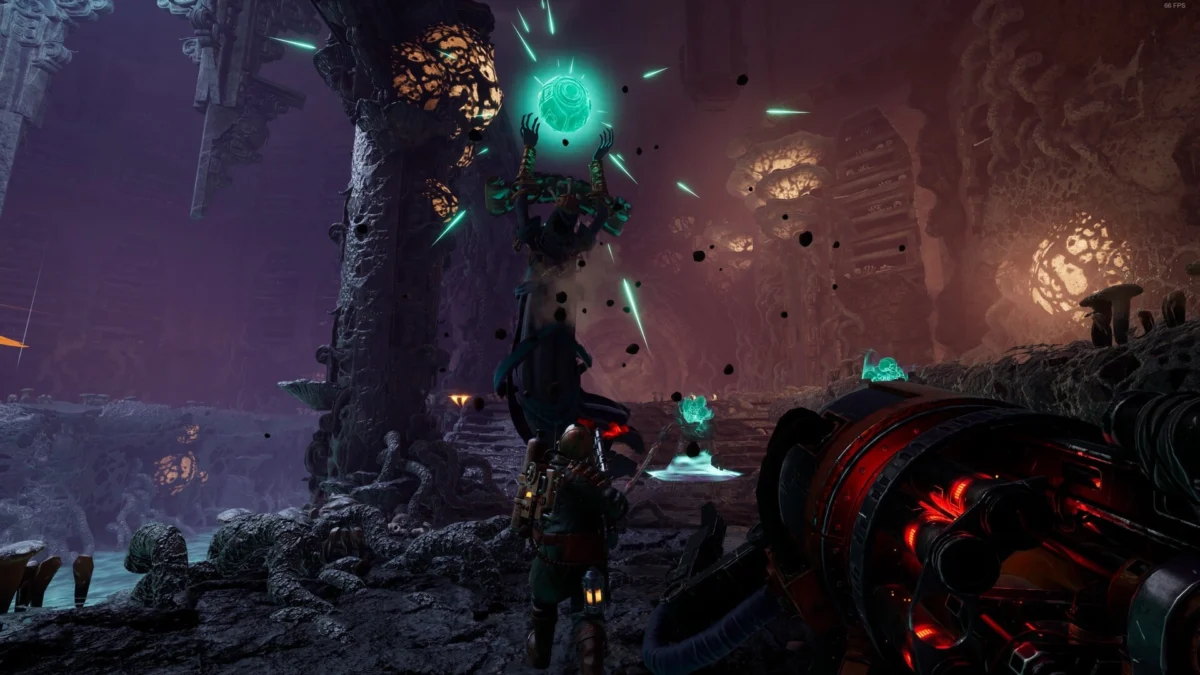
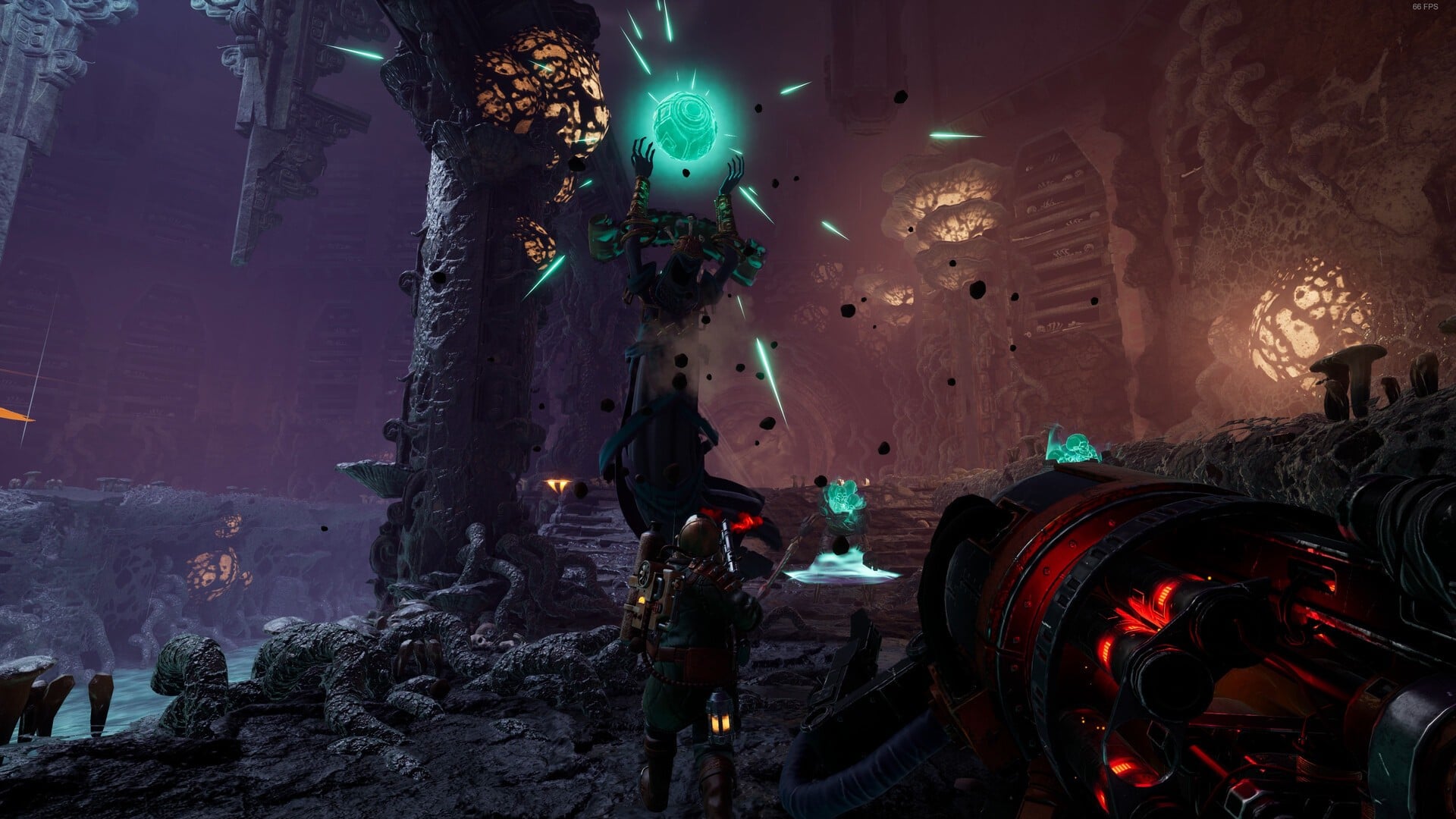
Among the standout indie performers was Abyssus, an otherworldly first-person shooter that garnered critical attention for its unique art direction and atmospheric world-building. According to internal engagement reports, Abyssus saw a 40% higher adoption rate in its first week compared to similar mid-tier shooters released in the previous quarter. Other notable additions included:
- RV There Yet?: A road-trip adventure game that utilized procedural generation to simulate a cross-country journey, finding a dedicated audience among fans of "cozy" and narrative-driven gaming.
- Starseeker: Astroneer Expeditions: An expansion of the Astroneer universe that focused on exploration and resource management, capitalizing on the established player base of the original title.
- Solarpunk and Beastro: Two titles that leaned into the growing "solarpunk" aesthetic and creature-collection mechanics, respectively, reflecting current trends in the indie development scene.
- Junkster: A physics-based puzzle game that became a viral hit on social media platforms, driving organic growth for the service through clip-sharing and streaming.
The boxing title Undisputed also saw a surge in popularity. As a genre that had been relatively underserved on consoles for a decade, its inclusion in Game Pass provided a low-barrier entry point for combat sports fans, leading to a revitalization of the online competitive community for the game.
Chronological Rollout and Deployment Timeline
The deployment of the June 2026 catalog followed a staggered release schedule designed to maintain consistent user engagement throughout the month. This "drip-feed" methodology prevents content saturation and ensures that the "Recently Added" section of the dashboard remains fresh for subscribers.
- June 1 – June 7: The month opened with the "Big Hitter" wave. EA Sports FC 26 and Call of Duty: Vanguard were deployed early to capture the initial surge of monthly traffic.
- June 8 – June 15: The "Indie Spotlight" phase. Titles like Abyssus and RV There Yet? were introduced, supported by featured placement on the Xbox Home screen and social media marketing campaigns.
- June 16 – June 22: Mid-month diversification. Jurassic World Evolution 3 and Starseeker: Astroneer Expeditions were added to capture the simulation and strategy audience.
- June 23 – June 30: The "Genre Fill" phase. Persona 5 Royal, Undisputed, and smaller titles like Junkster and Solarpunk were integrated to round out the month’s offerings.
This chronological approach has been refined by Microsoft over several years. By placing the largest titles at the start of the month, the company secures high "Monthly Active User" (MAU) counts early, while the subsequent indie releases sustain those numbers through the mid-month lull.
Market Analysis and Engagement Data
Data gathered from third-party tracking firms and official Microsoft investor relations releases suggests that June 2026 was a period of stabilization for Game Pass subscriber numbers. Following the rapid growth seen in 2024 and 2025, the service has reached a "mature" phase in key markets such as North America and the United Kingdom.
In these regions, the focus has shifted from pure subscriber acquisition to "average revenue per user" (ARPU) and engagement depth. The June lineup specifically targeted "genre-hopping"—the tendency of a subscriber to play three or more different genres within a 30-day window. Internal studies have shown that users who engage with diverse genres are 65% less likely to cancel their subscriptions compared to those who only play a single franchise like Call of Duty.
The success of Undisputed and Jurassic World Evolution 3 is particularly telling. These games represent "sticky" content—titles that require long-term time investment. For Microsoft, these games are essential for maintaining a high retention rate, as they provide a reason for the user to keep the subscription active between major blockbuster releases.
Official Responses and Industry Implications
While Microsoft executives have not released a specific statement regarding the June poll results, the general sentiment from the Xbox leadership team, including Sarah Bond and Phil Spencer, has emphasized the "democratization of content." In recent industry conferences, the messaging has centered on the idea that Game Pass serves as a discovery engine rather than just a library.

Developers of the indie titles included in the June wave have expressed similar sentiments. The creators of Abyssus noted in a post-launch interview that the visibility provided by the Game Pass "Day One" placement resulted in a player base ten times larger than their optimistic projections for a standard retail launch. This feedback loop reinforces the viability of the subscription model for small-to-medium-sized studios who lack the multi-million dollar marketing budgets of companies like EA or Activision.
However, the industry remains watchful of the long-term implications of this model. Some critics argue that the "subscription-first" mentality may lead to a devaluation of individual games, where players view titles as disposable content rather than artistic works. The June 2026 data, however, suggests the opposite: by removing the price barrier, players are more willing to take risks on unconventional titles like Solarpunk or Junkster, potentially leading to a more diverse and healthy gaming culture.
Broader Impact and Future Outlook
As the industry moves into July 2026, the momentum generated in June provides a significant tailwind. The June lineup served as a proof-of-concept for how Microsoft intends to handle the summer months—a period traditionally considered a "dry spell" for the gaming industry. By leveraging its massive first-party portfolio and strategic third-party partnerships, Microsoft has successfully transformed June into a high-engagement period.
The implications for the "Subscription Wars" are clear. With Sony’s PlayStation Plus and various PC-based launchers competing for consumer attention, the sheer volume and variety of the June Game Pass update set a high bar. The inclusion of Day One titles like Jurassic World Evolution 3 alongside established giants like EA Sports FC 26 creates a value proposition that is difficult for competitors to match without similar capital investment.
Looking ahead, the focus for the remainder of 2026 will likely be on cloud integration and mobile accessibility. Many of the titles added in June, such as Persona 5 Royal and the indie puzzle games, are ideally suited for Xbox Cloud Gaming (xCloud). As Microsoft continues to expand its server infrastructure, the success of a month like June will increasingly be measured not just by console downloads, but by "hours streamed" on mobile devices and smart TVs.
In conclusion, the June 2026 Xbox Game Pass lineup was more than just a collection of games; it was a sophisticated exercise in content curation and market positioning. By balancing the "Big Hitters" with innovative indie projects, Microsoft has reinforced its dominance in the subscription space, ensuring that the platform remains the primary destination for a global audience of millions. The "clear winner" of the month may be subjective for the players, but for the service itself, the data points toward a resounding strategic success.