


The global video game industry is currently standing at a definitive crossroads as the long-standing tradition of physical media distribution faces a systematic phase-out by major hardware manufacturers. Recent industry reports and strategic announcements have signaled a paradigm shift that will fundamentally alter how consumers acquire, own, and interact with interactive entertainment. At the forefront of this transition is Sony Interactive Entertainment’s projected cessation of disc-based releases for PlayStation consoles by January 2028, a move that has intensified scrutiny on Microsoft’s future hardware strategy, particularly regarding its upcoming "Project Helix" initiative. While the transition to digital-only ecosystems has been a gradual process spanning over a decade, the establishment of a hard deadline for physical media marks the end of an era for collectors and the beginning of a new, cloud-integrated landscape for the gaming public.
The Sunset of Physical Media: Sony’s 2028 Directive
Sony’s decision to move toward an all-digital future by 2028 represents a calculated response to shifting consumer behavior and the logistical overhead of physical supply chains. For nearly three decades, the PlayStation brand has been synonymous with optical media, from the original PlayStation’s CD-ROMs to the PlayStation 5’s Ultra HD Blu-rays. However, internal data and financial reports from the last three fiscal years indicate that digital software sales now account for approximately 70% to 80% of total unit sales for major AAA titles.
The 2028 timeline aligns with the projected lifecycle of the current console generation and the anticipated launch of successor hardware. By removing the disc drive, manufacturers can significantly reduce the bill of materials (BOM) for console units, simplify internal hardware architecture, and eliminate the costs associated with disc pressing, packaging, and global shipping. For Sony, this move also consolidates control over its storefront, ensuring that all software transactions occur within the proprietary PlayStation Store, thereby eliminating the secondary "used game" market which has long been a point of contention between retailers and publishers.
Microsoft and the Project Helix Strategy
As Sony sets a firm date for its digital transition, Microsoft’s roadmap for Xbox remains a subject of intense industry speculation. Central to this strategy is "Project Helix," a rumored hardware revision or next-generation initiative designed to further integrate the Xbox ecosystem with cloud services and high-performance local hardware. Asha Sharma, a senior executive at Xbox, has suggested that the company will continue to innovate to reduce the entry price of hardware, a goal that is most easily achieved through the removal of mechanical components like optical drives.
To mitigate the backlash from a community that still holds vast physical libraries, Microsoft is reportedly developing a "disc-to-digital" program. This initiative would theoretically allow users to verify their ownership of a physical disc—potentially through a localized scanning peripheral or a one-time verification at a certified retail partner—and receive a digital license for the same title. This program is seen as a vital bridge for the millions of users who have invested in the Xbox 360 and Xbox One physical ecosystems, ensuring that their legacy collections remain playable on modern, disc-less hardware.

A Historical Context: From "Plug and Play" to Mandatory Installations
The decline of physical media is not merely a matter of distribution but a result of evolving hardware architecture. During the original Xbox and Xbox 360 eras, the optical disc served as the primary data source. In the 360 generation, games were read directly from the DVD-DL (Dual Layer) discs, with optional installations provided only to reduce load times and noise. This "plug and play" functionality offered a sense of permanent ownership; as long as the disc was intact and the hardware functional, the game was accessible in its entirety.
The transition to the Xbox One and PlayStation 4 generation in 2013 introduced a fundamental change: mandatory installations. Due to the limited read speeds of Blu-ray drives compared to the high-speed requirements of modern assets, discs transitioned from being the "engine" of the game to acting as a "license key" and a physical delivery mechanism for compressed data. Today, many high-profile releases exceed 100GB in size, often surpassing the 50GB or 100GB capacity of standard Blu-ray discs. This necessitates massive "Day One" patches and additional downloads, rendering the data on the physical disc incomplete or obsolete within weeks of launch.
Statistical Analysis of the Digital Shift
The momentum toward digital-only consumption is supported by robust market data. According to industry analysis from organizations such as Circana (formerly NPD Group) and GfK, the ratio of digital to physical sales has inverted over the last decade. In 2013, physical sales accounted for over 75% of the market. By 2023, that figure had plummeted, with some publishers reporting that physical media accounts for less than 10% of their total revenue in certain territories.
Several factors have accelerated this trend:
- Subscription Services: The rise of Xbox Game Pass and PlayStation Plus Extra/Premium has conditioned a generation of gamers to access titles via a library of digital licenses rather than individual purchases.
- Convenience and Pre-loading: Digital storefronts allow users to pre-load massive titles days before release, enabling instant access at midnight—a feat impossible with physical shipping or retail pickups.
- Hardware Availability: The introduction of the Xbox Series S and the PlayStation 5 Digital Edition provided consumers with lower-cost entry points, effectively locking them into digital ecosystems from the start of the generation.
The Preservation Crisis and Community Reaction
Despite the logistical and economic advantages of digital distribution, a significant portion of the gaming community remains vocal about the preservation of physical media. For collectors, the Xbox 360 remains a "golden era" of physical media. The console’s library consists of thousands of titles that exist entirely on-disc, free from the requirement of persistent internet connections or server-side authentication.
The primary concerns regarding an all-digital future include:

- Digital Delisting: Licenses for digital games can be revoked or removed from storefronts due to expired music rights or licensing agreements, as seen with titles like Forza Horizon and various Transformers games.
- Server Longevity: When a console manufacturer eventually shuts down the servers for an older platform, the ability to re-download purchased content may be lost forever.
- Resale Rights: The inability to sell, trade, or lend digital games removes the "residual value" of a purchase, a factor that many budget-conscious gamers rely on to fund future acquisitions.
Economic Implications for Retailers and the Secondary Market
The transition to a disc-less industry poses an existential threat to specialized retailers such as GameStop, as well as independent retro gaming stores. These businesses rely heavily on the "circle of life" for physical media—buying used games from consumers and reselling them to others. If Sony and Microsoft cease physical production, the supply of "new" used games will eventually dry up, forcing these retailers to pivot entirely to hardware, accessories, and licensed merchandise.
Furthermore, the loss of physical media eliminates price competition between digital storefronts and retail outlets. Currently, physical copies of games often see price drops at retail much faster than their digital counterparts on the Xbox Store or PlayStation Store. An all-digital ecosystem grants platform holders a monopoly over software pricing, potentially leading to higher long-term costs for the consumer.
Looking Ahead: The Role of Backward Compatibility
As the industry moves toward 2028, the success of the transition will likely depend on the robustness of backward compatibility programs. Microsoft has historically led this front, with the Xbox Series X|S supporting hundreds of titles from the original Xbox and Xbox 360 through sophisticated emulation. If the "disc-to-digital" program for Project Helix is implemented effectively, it could set a standard for the industry, proving that a digital future does not have to mean the abandonment of a physical past.
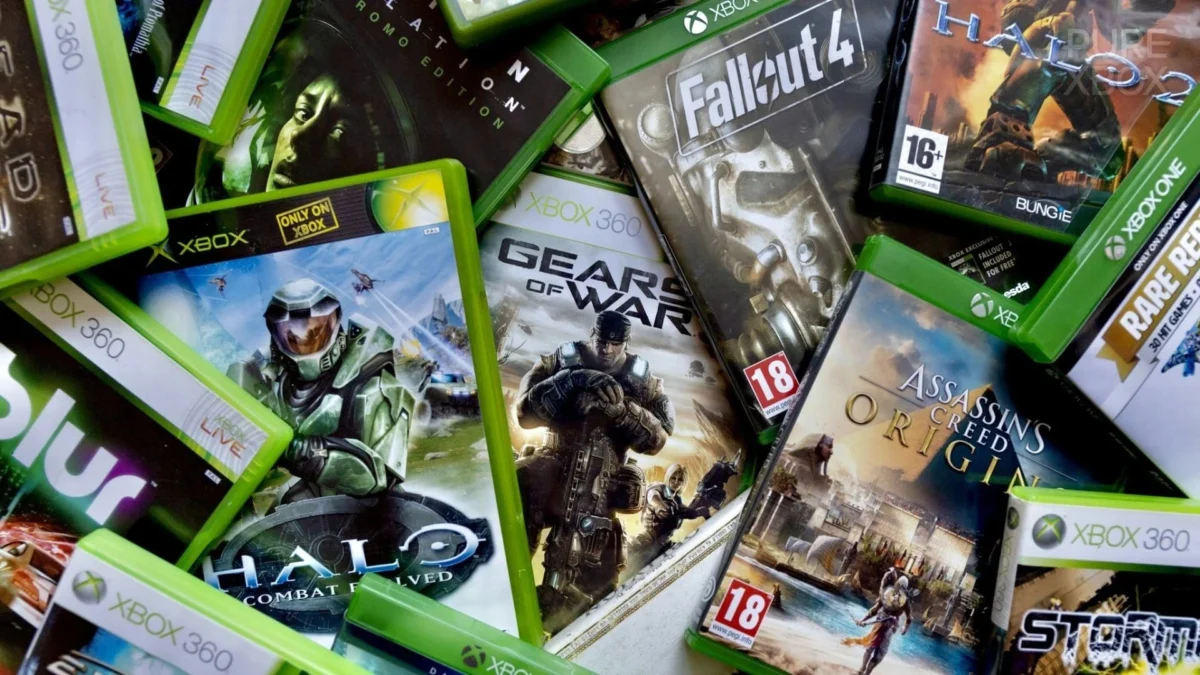
The shift is inevitable, driven by the cold logic of corporate efficiency and the convenience-seeking habits of the modern consumer. However, the legacy of the physical disc—represented by the rows of green plastic cases on collectors’ shelves—remains a testament to a time when a game was a tangible object, a permanent piece of a household’s entertainment library. As Sony prepares to close the book on discs in 2028, the industry must grapple with how to preserve its history in a world where "ownership" is increasingly defined by a temporary license in the cloud.