


The weekend rush at a Milton Keynes CeX store paints a vivid picture of a thriving market for pre-owned and retro gaming. With queues often spilling out onto the pavement, eager customers sift through shelves brimming with titles spanning generations of consoles – from the venerable PlayStation 2 and original Xbox, to the current-generation PlayStation 5 and Xbox Series X/S. This scene stands in stark contrast to the perceived landscape of GameStop in North America, a retailer often characterized by its abundance of Funko Pop! figures, a more limited selection of new releases, and a noticeable lack of foot traffic during many hours of operation. In an attempt to revitalize its struggling business, GameStop has embarked on a strategic shift, announcing a pivot towards a retro gaming-focused store model, a move drawing comparisons to the highly successful United Kingdom-based retailer, CeX. This bold initiative, while met with skepticism from some corners of the internet, could represent a crucial lifeline for the embattled gaming giant, provided it can cultivate a dedicated community and replicate the enduring appeal of its UK counterpart.
The genesis of GameStop’s strategic redirection can be traced back to recent announcements and observed changes within its retail footprint. On August 28th, the company officially declared its intention to transform a portion of its stores into dedicated retro gaming hubs. This announcement, as highlighted by commentary from YouTube channel Spawn Wave, reportedly caught many employees by surprise, with limited preparation time afforded for such a significant operational overhaul. The underlying rationale appears to be a direct response to declining sales in traditional retail sectors and a recognition of the enduring, and perhaps underestimated, market for older gaming hardware and software.
To fully appreciate the potential impact of GameStop’s retro venture, it is essential to understand the operational and cultural success of CeX in the UK. Having established a strong presence across the nation over the past three decades, CeX has cultivated a robust ecosystem built around the buy, sell, and exchange of pre-owned media and technology. The author’s personal experience, spanning both Canada and the UK, underscores this disparity. In the UK, CeX stores are ubiquitous, serving as a primary destination for acquiring both the latest blockbusters and cherished retro titles. Beyond video games, these stores are vibrant marketplaces for used movies, music, mobile phones, and various tech accessories, fostering a comprehensive circular economy within the retail space.
In stark contrast, GameStop’s primary competitor in the UK, GAME, has experienced a significant downturn. Many GAME locations have been absorbed into larger retail chains, such as Sports Direct, and have ceased accepting trade-ins, signaling a departure from the core model that has made CeX so successful. This operational retrenchment by a major player in the UK gaming retail landscape further accentuates the void that GameStop aims to fill with its retro-focused approach.
The appeal of CeX is not merely transactional; it has fostered a genuine culture around used games. The consistent queues observed at CeX outlets, particularly in densely populated urban centers like London and Milton Keynes, are a testament to its established reputation and the perceived value it offers. For decades, CeX has successfully built a loyal customer base by providing a reliable platform for consumers to trade in their unwanted items for store credit, which can then be reinvested in new acquisitions. This consistent flow of used inventory ensures a diverse and ever-changing selection of products, creating a sense of discovery and opportunity for shoppers.
This vibrant community extends beyond the physical stores and into the digital realm. Dedicated YouTube channels, such as Retro Ghetto and TVM, regularly feature vlogs showcasing their "hauls" and discoveries from CeX stores. These content creators document their hunts for rare titles, hidden gems, and nostalgic treasures, further amplifying CeX’s reach and engaging a passionate audience. The act of visiting a CeX store, even with its somewhat unconventional name, has become a ritual for many, a treasure hunt offering the thrill of finding a coveted item at a reasonable price.
The situation in North America for retro game enthusiasts presents a different, often more challenging, landscape. While independent game stores do exist in some communities, their prevalence is far from universal. Consequently, many North American collectors are compelled to rely on online marketplaces like eBay and Amazon, where prices can be significantly inflated, and the risk of encountering counterfeit items or damaged goods is ever-present. The added burden of steep shipping costs further exacerbates the expense of building a retro game collection. This scarcity and the associated costs can be a significant deterrent, as the author experienced during their time in Canada, where the prohibitive prices of resale markets made collecting an impractical pursuit.
This is precisely where the GameStop Retro initiative holds the most promise. By aiming to provide a more accessible and affordable avenue for acquiring retro games, GameStop could alleviate the frustrations currently faced by collectors in North America. Early observations from Spawn Wave suggest that the pricing at these new GameStop Retro locations is not prohibitive, often proving more competitive than listings found on eBay or at gaming conventions. This competitive pricing strategy, if consistently applied, could be a cornerstone of the new model’s success.
Furthermore, the operational transparency of CeX’s online platform offers a valuable lesson for GameStop. The CeX website provides real-time stock availability for individual stores and clearly displays the trade-in value for items, empowering customers with information before they even set foot in a store. This level of transparency is often absent in GameStop’s traditional model, where the value of trade-ins can be a mystery until the transaction is initiated. Implementing a similar, easily accessible online inventory and valuation system could significantly enhance customer experience and build trust.
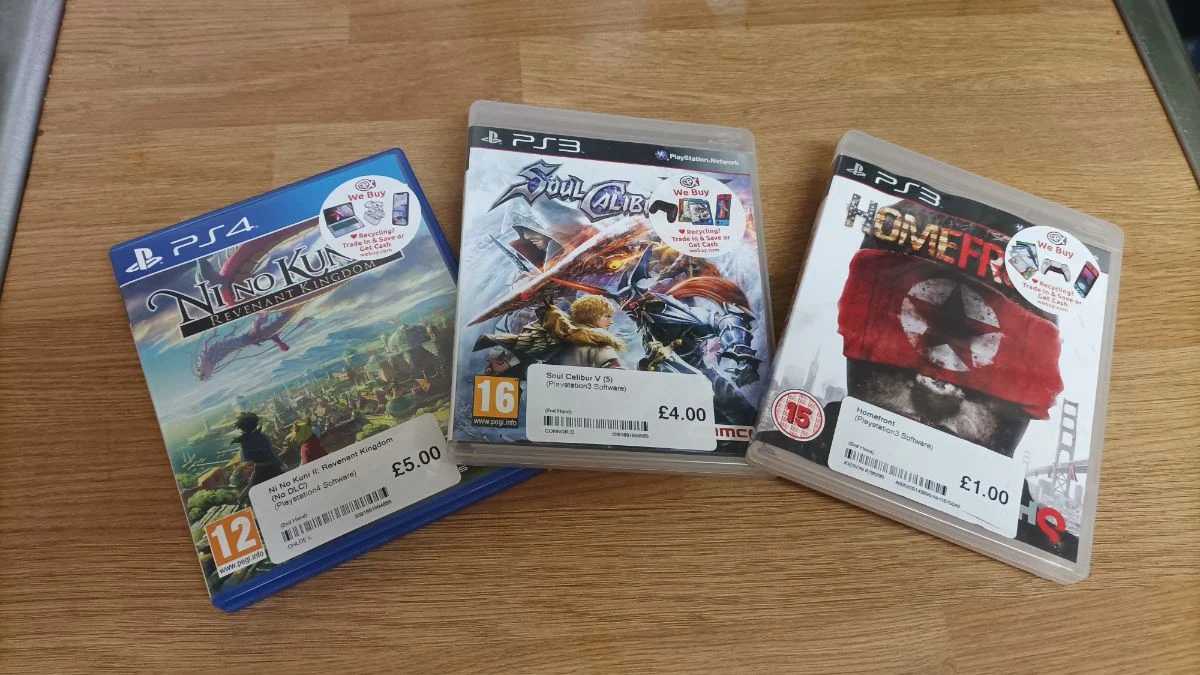
The author’s personal anecdote of rebuilding a substantial PS3 and PS4 library in the UK for a few pounds highlights the economic appeal of CeX’s model. Acquiring titles like Alpha Protocol, Final Fantasy XIII, and PlayStation All-Stars Battle Royale at such accessible price points offers a gateway to unique gaming experiences that might be difficult or expensive to obtain on modern platforms. This affordability is a key driver of engagement and can foster a sense of satisfaction and loyalty among customers. If GameStop Retro can successfully replicate this value proposition – offering competitive prices for pre-owned games and providing fair trade-in values – it stands a strong chance of capturing a significant market share.
However, the path forward for GameStop is not without its complexities, particularly concerning public perception. The company has faced considerable criticism for its past business practices, including the widely reported shutdown of Game Informer magazine and the subsequent layoffs of its staff. These actions have undoubtedly tarnished GameStop’s image among some segments of the gaming community, and the success of the retro initiative may be contingent on its ability to overcome this lingering skepticism and demonstrate a genuine commitment to its new direction.
The implications of GameStop’s pivot extend beyond its immediate financial performance. A successful retro-focused model could have a ripple effect across the gaming industry. It could legitimize the pre-owned market further, encouraging more individuals to trade in their old games and consoles, thereby increasing the supply of affordable retro titles. This, in turn, could fuel renewed interest in older gaming eras, potentially leading to increased demand for preservation efforts and emulation technologies.
From a broader economic perspective, the retro gaming market represents a significant, albeit often fragmented, economic force. The global retro gaming market was valued at approximately $11.9 billion in 2022 and is projected to grow at a compound annual growth rate (CAGR) of 7.8% from 2023 to 2030, according to some market research reports. This growth is driven by nostalgia, the increasing collectibility of older consoles and games, and the desire for more affordable gaming options. GameStop’s entry into this space, with its established retail footprint, could provide a more organized and accessible channel for consumers to participate in this burgeoning market.
The challenges, however, are substantial. GameStop must navigate the logistical complexities of sourcing, authenticating, and pricing a vast array of retro hardware and software. The rarity and condition of retro items can vary dramatically, making consistent pricing and inventory management a significant undertaking. Moreover, the company needs to effectively market its new concept to a target audience that may be wary of its brand due to past controversies. Building trust and demonstrating a genuine passion for retro gaming will be paramount.
The success of GameStop’s retro stores will likely hinge on several key factors:
- Pricing Strategy: Competitive and transparent pricing will be crucial to attract and retain customers, especially when compared to online marketplaces.
- Inventory Management: A consistent and diverse supply of popular and niche retro titles will be essential. This requires efficient trade-in programs and potentially strategic sourcing from collectors and distributors.
- Customer Experience: Creating a welcoming and knowledgeable in-store environment, reminiscent of the passion found in independent retro stores and the efficiency of CeX, will be vital.
- Marketing and Community Building: Actively engaging with the retro gaming community through social media, events, and partnerships will be necessary to foster brand loyalty.
- Digital Integration: A user-friendly website and mobile app that mirrors the transparency and functionality of CeX’s online platform will be a significant advantage.
The future of GameStop’s brick-and-mortar presence has been a subject of intense speculation for years, with many predicting its eventual demise in an increasingly digital marketplace. The shift towards a retro-focused model is a high-stakes gamble, but one that is grounded in the demonstrable success of retailers like CeX. If GameStop can learn from the UK model, adapt it to the North American market, and address its own historical shortcomings, this bold pivot could indeed represent a new chapter, breathing new life into a retail chain that many believed was on its last legs. The coming months will reveal whether GameStop can successfully power up its retro gaming ambitions and secure its place in the evolving landscape of video game retail.