


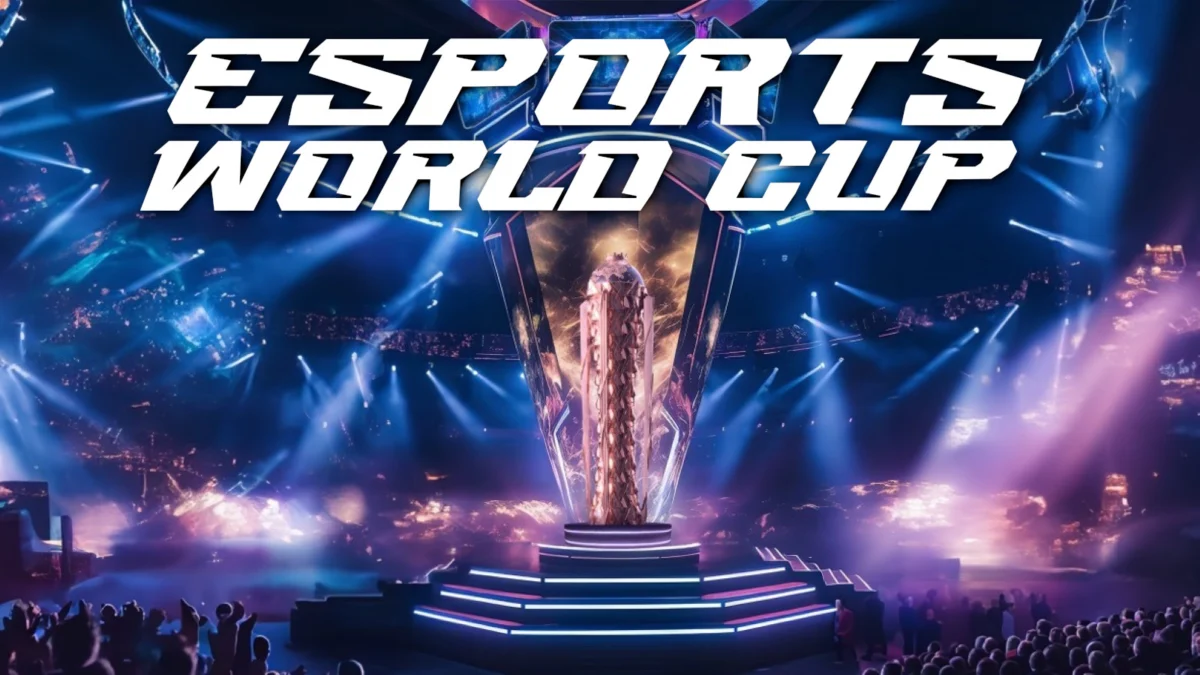
The highly anticipated 2026 Esports World Cup, a premier global esports tournament, is reportedly shifting its venue from Riyadh, Saudi Arabia, to Paris, France. This significant relocation, according to sources cited by GamesBeat, is attributed to escalating geopolitical conflicts in the Middle East, prompting organizers to seek a more stable and accessible location for the international event. While no official confirmation has been issued by the Esports World Cup organizers, the information circulating within the esports community suggests a definitive change in plans for the third iteration of this prestigious competition.
Shifting Sands: The Reported Move to Paris
Alexander Lee of GamesBeat broke the news, citing three anonymous sources within the esports industry who possess direct knowledge of communications between the Esports World Cup organizers and various stakeholders. These sources indicate that event organizers have formally informed relevant parties of the decision to host the 2026 tournament in the French capital. The original plan was for the Esports World Cup to be held in Riyadh between July and August 2026, a location that had been designated to host the event, continuing a pattern established by its previous iterations.
The Esports World Cup, conceived as a flagship event to consolidate and elevate the global esports calendar, has aimed to bring together a diverse range of competitive gaming titles under one umbrella. Its inception was met with considerable excitement, promising a grand spectacle for players and fans alike. The initial announcement of Riyadh as the host city for 2026 underscored Saudi Arabia’s growing ambitions in the global sports and entertainment landscape, with significant investments being made to position the Kingdom as a major player in these sectors.
However, the geopolitical climate in the Middle East has become increasingly volatile, leading to a cascade of concerns that have now apparently impacted the Esports World Cup. Reports of airlines canceling flights to the region due to safety concerns provide a stark backdrop to this reported venue change. This proactive decision by the organizers, if confirmed, would be a strategic move to mitigate potential logistical nightmares and ensure the safety and accessibility of the event for participants and attendees from around the globe. The potential for travel disruptions, security challenges, and negative publicity stemming from regional instability could have significantly overshadowed the tournament itself.
A Strategic Pivot: Understanding the Implications
The decision to move the Esports World Cup to Paris is not merely a change of scenery; it represents a significant strategic pivot for the event. Paris, a globally recognized hub for culture, tourism, and increasingly, major sporting events, offers a compelling alternative. Its established infrastructure for hosting large-scale international gatherings, coupled with its central location within Europe, makes it an accessible destination for a diverse international audience.
Furthermore, the report from GamesBeat suggests that the Esports World Cup had envisioned a model where future iterations would be hosted by different cities, with host cities paying a fee to secure the event. This revenue-generating strategy, while innovative, hinges on the perceived stability and appeal of the chosen location. A move to Paris could serve as a testament to the event’s adaptability and its commitment to ensuring a smooth and successful competition, regardless of external geopolitical pressures. The question of whether Paris will be paying a hosting fee for the 2026 competition remains unanswered, but it is a crucial detail that could shed light on the financial dynamics of this potential relocation.
The Scale of the Competition and its Prize Pool
The 2026 Esports World Cup was slated to be an extraordinary display of competitive gaming prowess. Esports teams from every corner of the world were expected to converge to compete for a staggering prize pool of $75 million. This substantial figure underscores the growing financial significance of professional esports and the immense stakes involved for participating teams and players. The tournament was designed to feature a comprehensive array of 24 different esports titles, encompassing a wide spectrum of gaming genres and popular franchises. This inclusive approach aimed to cater to a broad fan base and showcase the diversity of the esports ecosystem. Among the confirmed or anticipated titles were global phenomena such as Overwatch, Valorant, Counter-Strike 2 (CS2), chess, and League of Legends, each drawing millions of dedicated viewers and players.

The sheer scale of the prize pool and the number of games featured position the Esports World Cup as a potential game-changer in the esports landscape, aiming to eclipse previous records for prize money and overall viewership. The original choice of Riyadh was seen as part of a broader strategy by Saudi Arabia to diversify its economy and become a major global hub for entertainment and sports. The Kingdom has been actively investing in various sporting events and initiatives, including Formula 1, boxing, and football, as part of its Vision 2030 plan. The Esports World Cup was a significant component of this strategy within the digital realm.
A Timeline of Events and Unanswered Questions
The reported relocation marks a crucial point in the timeline of the Esports World Cup. Originally announced with Riyadh as the host, the planning and preparation for the event would have been well underway. The shift to Paris, if confirmed, would necessitate a rapid re-evaluation and re-implementation of logistical, operational, and marketing strategies.
- Initial Announcement: The Esports World Cup was initially slated for Riyadh, Saudi Arabia, with a planned timeframe of July-August 2026. This announcement was a significant moment, highlighting Saudi Arabia’s growing investment in the esports sector.
- Geopolitical Escalation: In parallel with the planning of the EWC, the geopolitical situation in the Middle East has experienced a period of heightened tension and conflict.
- Airline Advisories: Several airlines began issuing advisories and canceling flights to the Middle East region due to safety concerns, directly impacting travel accessibility and perceived safety for international events.
- Reported Venue Change: Recent reports, based on anonymous sources familiar with the event’s communications, indicate that organizers have informed stakeholders of a decision to move the 2026 Esports World Cup to Paris, France.
- Lack of Official Statement: As of the time of reporting, the official organizers of the Esports World Cup have not released a public statement addressing the reported relocation.
The absence of an official statement from the Esports World Cup organization leaves a degree of uncertainty. However, the consistent reporting from reputable outlets like GamesBeat, backed by multiple anonymous sources, lends significant credibility to the claims. The implications of this reported move are far-reaching, impacting not only the logistics of the event but also the broader narrative surrounding global esports hosting and the influence of geopolitical factors on major international competitions.
Broader Impact and Future Considerations
The potential relocation of the Esports World Cup from Saudi Arabia to France raises several important points for consideration within the global esports community and beyond. Firstly, it highlights the delicate balance between ambitious investment in large-scale events and the inherent volatility of geopolitical landscapes. For countries seeking to establish themselves as global entertainment hubs, regional stability and perceived safety are paramount considerations for attracting international participation and viewership.
Secondly, the move to Paris could signal a broader trend of major esports events prioritizing established Western markets, particularly in Europe, due to their perceived stability and robust infrastructure. This could, in turn, influence future bidding processes for major esports tournaments and the strategic planning of event organizers.
Thirdly, the Esports World Cup’s ambition to rotate hosting duties across different cities, as alluded to in the reports, remains a compelling model. If Paris proves to be a successful host for the 2026 edition, it could pave the way for a more dynamic and decentralized approach to future iterations of the tournament, further broadening its global reach and impact.
The substantial prize pool and the array of games featured underscore the continued growth and professionalization of esports. As the industry matures, the selection of host locations will increasingly be scrutinized not only for their financial contributions but also for their ability to provide a secure, accessible, and engaging environment for the world’s best esports athletes and their fans. The coming weeks will likely bring official pronouncements from the Esports World Cup organizers, providing clarity on the future of the 2026 event and its unprecedented journey from the Middle East to the heart of Europe.