


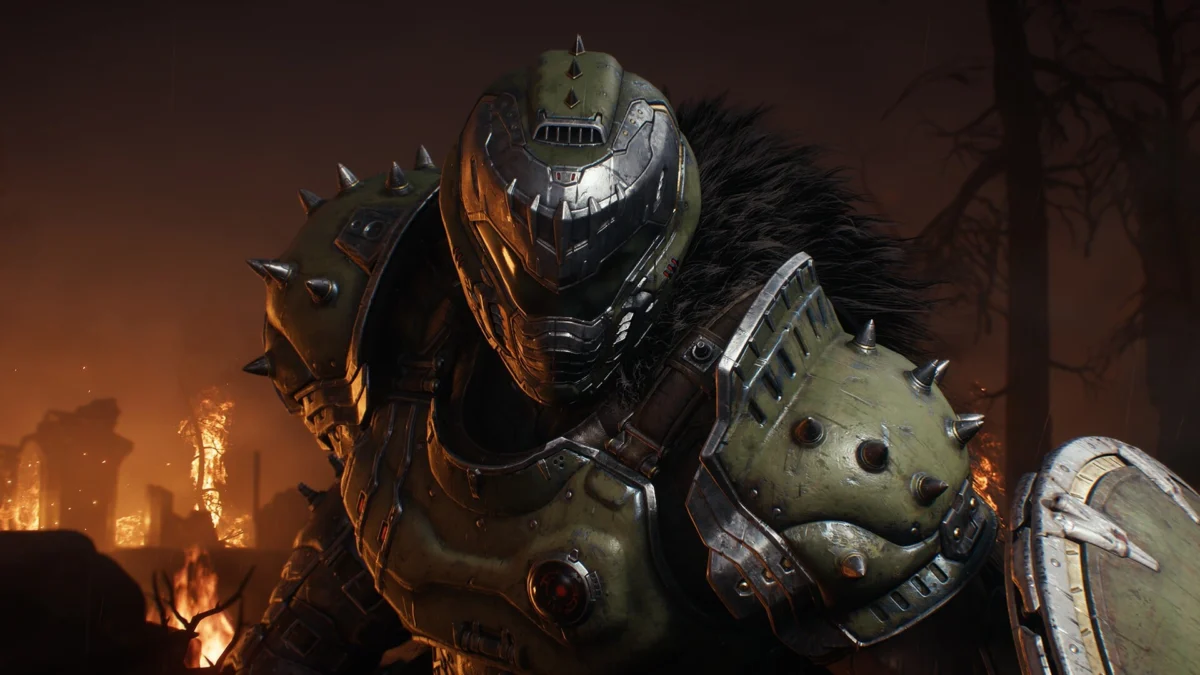
The first anniversary of DOOM: The Dark Ages marks a significant milestone for Xbox Game Studios and id Software, providing an opportunity to evaluate the long-term impact of a title that sought to redefine the foundational mechanics of the first-person shooter genre. Launched on May 13, 2025, the prequel to the acclaimed 2016 reboot and its 2020 successor, DOOM Eternal, arrived with the heavy burden of following two of the most influential action games of the modern era. As the industry looks toward the release of other major first-party titles like Forza Horizon 6, the legacy of The Dark Ages remains a focal point for both critics and the gaming community, particularly as the title nears its first major narrative expansion.
Upon its release in 2025, DOOM: The Dark Ages was met with widespread critical acclaim, earning high marks for its willingness to pivot away from the hyper-kinetic, vertical mobility of DOOM Eternal in favor of a more grounded, deliberate, and "heavy" combat experience. The game currently holds a high standing within the Xbox ecosystem, having been described at launch as a "stellar offering" that maintained the franchise’s core "pulse-pounding" intensity while introducing a more strategic, defensive layer to the Slayer’s repertoire.
A Strategic Shift in Combat Philosophy
The primary distinction of DOOM: The Dark Ages lies in its departure from the "push-forward combat" that defined the previous decade of the franchise. While DOOM (2016) focused on resource management through aggression and DOOM Eternal prioritized complex movement and weapon switching, The Dark Ages introduced a medieval-inspired combat loop. The introduction of the Shield Saw served as the mechanical centerpiece of this shift, allowing players to parry projectiles and engage in melee-focused crowd control.
This "death-dance," as critics labeled it, required a different mental map from the player. The levels were designed with larger footprints and more horizontal space, accommodating the Slayer’s new toolkit which included a flail for resource harvesting and a versatile shield that could be thrown or used for defense. The narrative focus also saw a marked increase; where previous entries relegated lore to codex entries, The Dark Ages integrated the history of the Night Sentinels and the Slayer’s origins directly into the environmental storytelling and cinematic sequences.
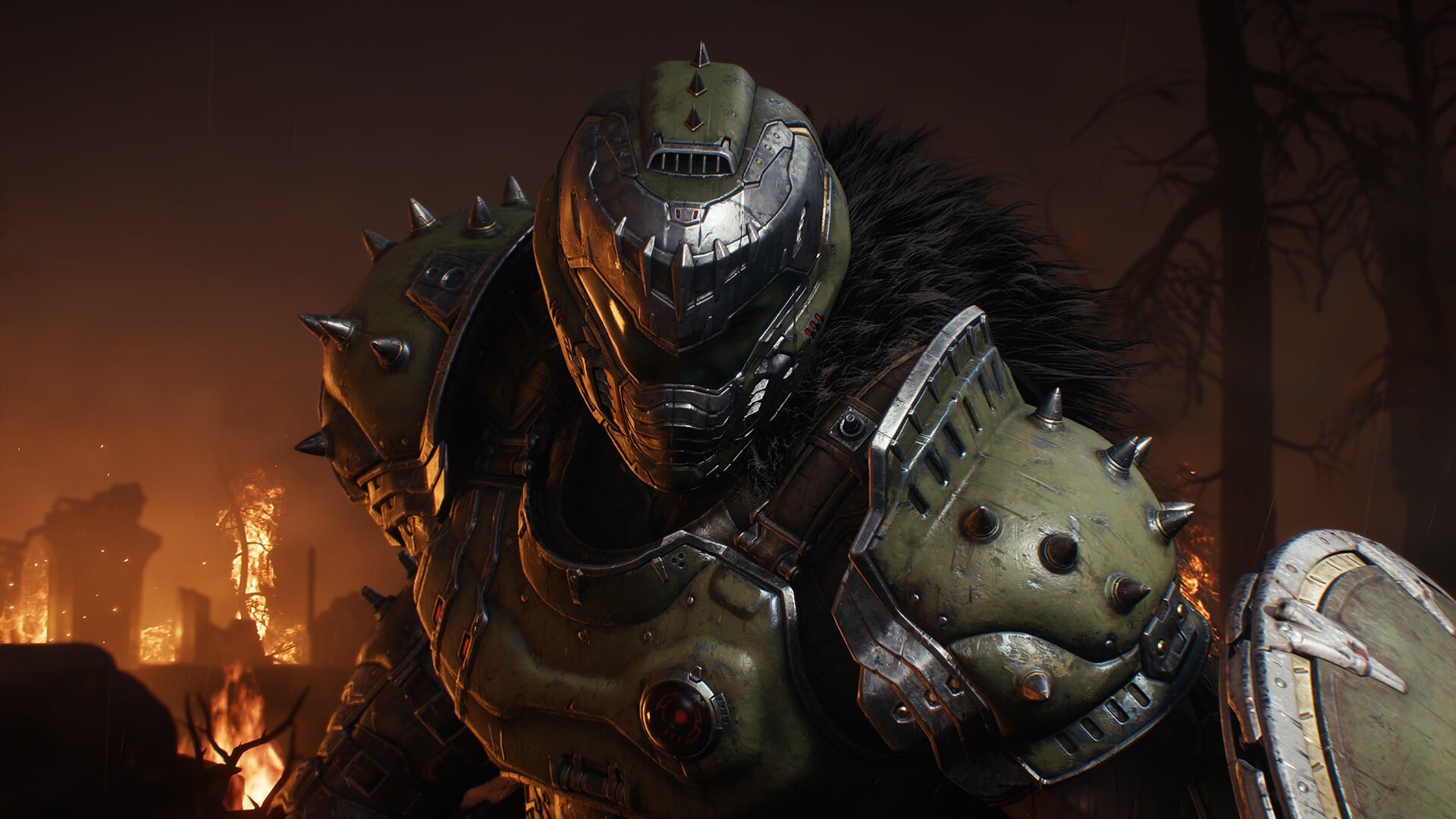
Chronology of Development and Post-Launch Milestones
The journey of DOOM: The Dark Ages began long before its 2025 release. Following the conclusion of DOOM Eternal’s "The Ancient Gods" DLC, rumors began to circulate regarding a prequel that would explore the "Age of the Sentinels."
- June 2024: Microsoft officially unveiled DOOM: The Dark Ages during the Xbox Games Showcase, confirming a day-one release on Xbox Game Pass and a simultaneous launch on PC and PlayStation 5, marking a significant moment in Microsoft’s evolving multi-platform strategy.
- May 13, 2025: The game launched globally. Initial reviews praised the id Tech engine’s performance, noting that the game achieved 4K resolution at 60 frames per second on the Xbox Series X, even with the significantly increased enemy counts on screen.
- August 2025: The first major balancing patch was released. Id Software addressed community feedback regarding the "slower flow" of certain mid-game levels, tweaking the Slayer’s movement speed and the cooldown of the Shield Saw to ensure the "dance" felt more fluid.
- November 2025: Update 3 introduced "Ripatorium 2.0." This expanded the wave-based combat arena from DOOM Eternal into a full-featured roguelike mode, allowing players to test their skills against randomized enemy waves with unique modifiers.
- March 2026: The game’s director officially announced the first major story DLC, describing the upcoming content as having the scope and scale of a standalone sequel.
Technical Analysis and Market Performance
The technical prowess of id Software remains a benchmark for the industry. The Dark Ages utilized the latest iteration of the id Tech engine, which focused on "megascale" environments. Unlike the claustrophobic corridors of traditional shooters, the 2025 release featured massive battlefields that showcased the scale of the war between Hell and the Sentinels. This shift in scale was not merely aesthetic; it changed the tactical requirements of the game, forcing players to account for long-range artillery and massive, screen-filling bosses that required the use of piloted mechs (Atlan) and dragon-like mounts.
From a market perspective, DOOM: The Dark Ages benefited immensely from its inclusion in the Xbox Game Pass library. Internal data suggested that the game saw one of the highest "completion rates" for a first-person shooter on the platform, attributed to the adjustable difficulty settings and the more readable pace of combat compared to the frenetic demands of DOOM Eternal. The game’s availability on PlayStation 5 also broadened its reach, making it one of the top-selling third-party titles on that platform during the 2025 calendar year.
Official Responses and Director’s Vision
In a series of retrospective interviews conducted throughout early 2026, the leadership at id Software has emphasized that The Dark Ages was designed to be the "ultimate power fantasy." Hugo Martin, the game’s director, noted that the goal was to make the player feel like a "god-killer" rather than a nimble acrobat. This philosophy influenced everything from the sound design—utilizing heavy, metallic clangs and deep percussive scores—to the visual effects of the "Slayer’s Shield."
Regarding the upcoming DLC, the director stated: "We didn’t want to just give players more levels. We wanted to evolve the mechanics again. If The Dark Ages was about defense and parrying, the expansion is about total dominion. It’s built to feel like a sequel in terms of content density and narrative stakes." This statement has fueled significant anticipation among the player base, who are eager to see how the story of the Slayer’s rise to power concludes.

Broader Impact on the FPS Genre
One year later, the influence of DOOM: The Dark Ages can be seen in the broader landscape of action games. The success of its "defensive-offensive" hybrid combat has encouraged other developers to move away from the "glass cannon" protagonist archetype common in the late 2010s. By proving that a slower, more deliberate pace could still feel "heavy" and "metal," id Software has opened the door for a new sub-genre of first-person shooters that prioritize tactical positioning and timing over pure twitch reflexes.
Furthermore, the game’s narrative success has shifted expectations for the franchise. The Slayer is no longer seen merely as a silent avatar of destruction but as a central figure in a sprawling dark fantasy epic. This transition has allowed id Software to explore world-building elements that were previously untapped, such as the political intrigue of the Sentinel High Council and the cosmic origins of the Maykrs.
Conclusion and Future Outlook
As we move further into 2026, DOOM: The Dark Ages stands as a testament to id Software’s ability to reinvent its own wheel. While some long-time fans initially missed the high-flying mobility of the previous era, the consensus one year later is that the "Dark Ages" experiment was a necessary and successful evolution. The game has maintained a healthy player base through consistent updates like Ripatorium 2.0 and remains a staple of the Xbox Game Pass service.
With the "sequel-like" DLC on the horizon, the conversation around the game is shifting from "how it compares to its predecessors" to "where the franchise goes from here." Whether the Slayer returns to the shadows or continues his crusade across the stars, the foundation laid by The Dark Ages ensures that the DOOM franchise remains at the absolute pinnacle of the action genre. For now, players continue to master the "death-dance," waiting for the next chapter in the saga of the god-killer.