


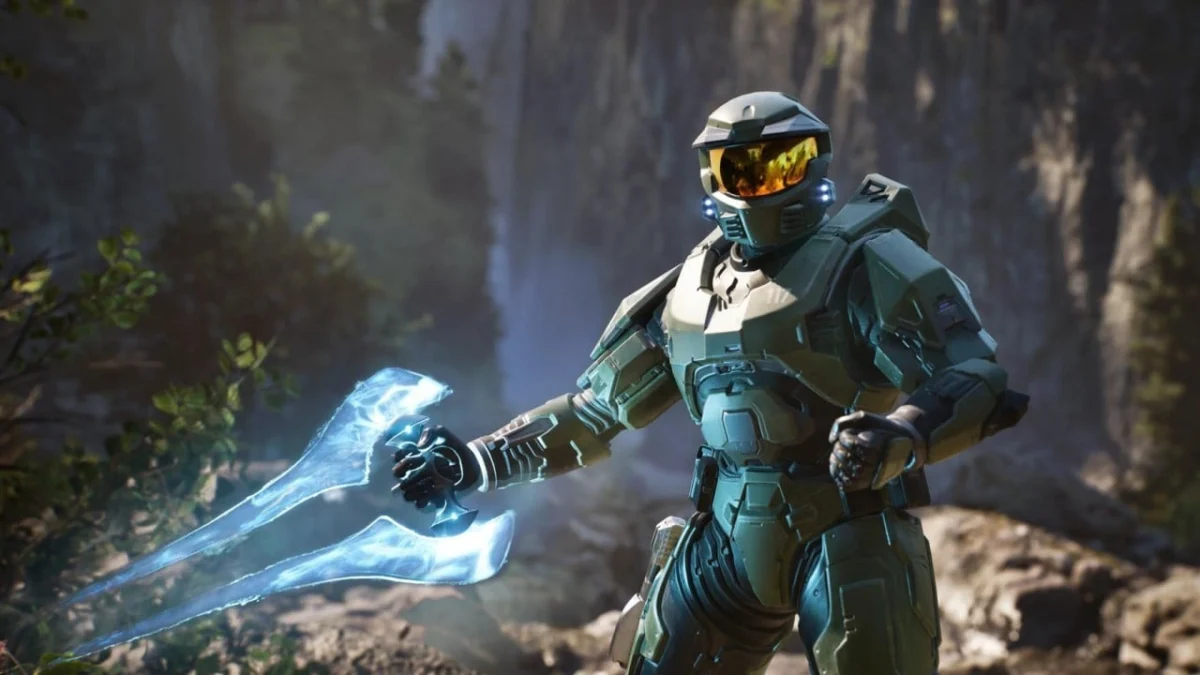
The Halo franchise stands at a pivotal crossroads as Microsoft’s Xbox division prepares for a significant 2026 release schedule, headlined by rumors of a foundational re-imagining of the series’ origins. Following recent industry reports and internal restructuring at the newly rebranded Halo Studios, the upcoming project, tentatively titled Halo: Campaign Evolved, is reportedly positioned as a centerpiece of Xbox’s summer 2026 lineup. This move marks not only a return to the roots of the "Combat Evolved" era but also signals a broader technological and creative pivot for one of the most storied intellectual properties in the history of interactive entertainment. As the gaming community anticipates the potential July 2026 launch, the discussion has shifted toward the long-term trajectory of the franchise and how Microsoft intends to balance nostalgia with the modern demands of the first-person shooter market.
The Evolution of Halo Studios and the Unreal Engine 5 Transition
The current state of the Halo franchise cannot be understood without examining the massive internal shift that occurred in late 2024. Microsoft officially rebranded 343 Industries as Halo Studios, a move intended to signify a "new dawn" for the series. This rebranding was accompanied by a critical technological decision: the abandonment of the proprietary Slipspace Engine in favor of Epic Games’ Unreal Engine 5 (UE5). The Slipspace Engine, which powered 2021’s Halo Infinite, was frequently cited by developers as a source of significant technical debt, making content updates slow and development cycles arduous.
By transitioning to Unreal Engine 5, Halo Studios aims to streamline its development pipeline. UE5 offers industry-standard tools that allow for faster iteration, high-fidelity environmental rendering through Nanite, and advanced global illumination via Lumen. From a business perspective, this transition also simplifies recruitment, as the vast majority of modern game developers are already proficient in Unreal Engine, whereas the Slipspace Engine required months of specialized training for new hires. The "Project Foundry" technical demo showcased by Halo Studios in 2024 served as a proof of concept, demonstrating how the Pacific Northwest-inspired aesthetics of the Halo ring could be rendered with unprecedented detail in the new engine.
Chronology of Modern Halo Development and Market Performance
The path to the rumored 2026 release has been marked by both critical highs and operational challenges. To understand the stakes of Halo: Campaign Evolved, one must look at the timeline of the franchise over the last decade:
- 2012–2015: The Reclaimer Saga Transition: Following the departure of original creator Bungie, 343 Industries released Halo 4 and Halo 5: Guardians. While commercially successful, these titles polarized the fanbase due to changes in art style, mobility mechanics, and narrative focus.
- 2021: The Launch of Halo Infinite: After a high-profile delay from 2020, Halo Infinite launched to strong reviews for its "spiritual reboot" approach and open-world gameplay. However, the game struggled with a "live service" model, facing criticism for a lack of content updates, missing features like Forge and Co-op at launch, and a dwindling player base on platforms like Steam.
- 2023–2024: Restructuring and Rebranding: Amidst broader layoffs at Microsoft, the leadership at 343 Industries was overhauled. Pierre Hintze took over as Studio Head, focusing on stabilizing the Infinite ecosystem before pivoting the entire organization toward the UE5 future.
- 2026 (Projected): The Summer of Halo: Reports suggest that Halo: Campaign Evolved will be the first major fruit of this labor. Positioned as a remake or re-imagining of the 2001 classic, it is expected to offer an early access period, a strategy Microsoft has increasingly utilized for its flagship titles to drive Game Pass subscriptions and premium edition sales.
Analyzing the Strategic Value of a Remake
The decision to focus on a remake of the first game—rather than an immediate sequel to Halo Infinite—reflects a broader trend in the AAA gaming industry. Successful remakes such as Resident Evil 4, Dead Space, and Final Fantasy VII Rebirth have proven that there is immense market appetite for modernized versions of classic experiences. For Halo, a remake serves several strategic purposes.

First, it provides a "safe" entry point for the new Unreal Engine 5 pipeline. Rebuilding a known quantity allows the developers to master the new tools without the added pressure of inventing entirely new mechanics or narrative arcs. Second, it serves as a brand reset. By returning to the Master Chief’s first encounter with the Halo ring, Microsoft can re-engage older fans who may have drifted away during the more complex "Promethean" storylines of the 2010s.
Furthermore, industry data suggests that "nostalgia-driven" releases often outperform new IPs in terms of initial engagement. According to market analysis, the Halo brand remains one of the top five most recognized gaming franchises globally, with over 81 million copies sold across the series as of late 2021. A high-fidelity remake of the game that started it all provides a low-friction way to introduce the franchise to a younger generation of players who were not alive when the original Xbox launched.
Potential Directions: Sequel, Reboot, or Multiplayer Expansion
While Halo: Campaign Evolved appears to be the immediate priority, the long-term future of the series remains a subject of intense internal and external debate. Halo Studios has confirmed that multiple projects are currently in development, leading to three primary theories regarding the franchise’s next steps.
The Continuation of the Infinite Narrative
Halo Infinite ended on a significant cliffhanger involving the "Endless"—a threat described as being more dangerous than the Flood—and the return of the legendary Atriox. A direct sequel would allow the studio to resolve these plot threads. However, the challenge lies in the baggage of previous lore. New players often find the interconnected narratives of the Forerunners, the Banished, and Cortana’s various iterations difficult to follow.
The Hard Reboot Strategy
Some industry insiders suggest that Campaign Evolved might not just be a standalone remake, but the beginning of a total franchise reboot. By starting the timeline over, Halo Studios could refine the lore, remove inconsistent elements, and create a more cohesive "Halo Cinematic Universe" style of storytelling that aligns with potential transmedia projects, such as a revamped television series or film.
The Multiplayer-First Initiative
Given the massive success of free-to-play shooters like Apex Legends and Call of Duty: Warzone, there is persistent speculation that one of the UE5 projects is a dedicated, large-scale multiplayer experience. Rumors of "Project Tatanka"—originally thought to be a Battle Royale mode developed in partnership with Certain Affinity—have evolved into suggestions of a massive-scale "extraction shooter" or a "Great Journey" style live-service hub. This would decouple the multiplayer from the campaign releases, allowing the competitive scene to grow independently of the three-to-five-year single-player development cycles.

Broader Impact on the Xbox Ecosystem
The success of the next Halo release is intrinsically tied to the health of the Xbox platform. Following Microsoft’s acquisition of Activision Blizzard, Xbox now owns both Halo and Call of Duty. This creates a unique competitive dynamic where Microsoft must differentiate Halo as a "prestige" sci-fi shooter to avoid cannibalizing its own Call of Duty audience.
The integration of Halo into the Xbox Game Pass model remains its strongest asset. A major release in July 2026 would serve as a powerful mid-year catalyst for subscription retention, particularly if it includes the rumored early access for premium members. Furthermore, as Microsoft continues to push its "Play Anywhere" initiative, the performance of the Unreal Engine 5 version of Halo on PC and cloud platforms will be a litmus test for the company’s technical prowess.
Official Stance and Industry Reaction
While Microsoft has remained tight-lipped regarding specific plot details or the "Campaign Evolved" title, leadership at Halo Studios has been vocal about their commitment to quality over speed. In a 2024 press statement, Pierre Hintze noted, "We are not just changing the name of the studio; we are changing the way we build games. Our focus is on ensuring that the next decade of Halo is defined by a consistent vision and world-class execution."
Industry analysts view this caution as a response to the "content drought" that plagued Halo Infinite. "Microsoft cannot afford another ‘soft’ launch for Halo," says gaming analyst Sarah Hoffmann. "The move to Unreal Engine 5 is a clear admission that the previous internal tools were a bottleneck. The 2026 release will be the ultimate test of whether Halo can reclaim its throne as the definitive console shooter or if it will remain a legacy title living on past glories."
As the industry moves toward the 2026 window, the focus remains on how Halo Studios will balance the weight of expectation. Whether through a faithful remake, a bold sequel, or a revolutionary multiplayer platform, the next steps for Master Chief will determine the relevance of the Halo brand for a new generation of hardware and players. The transition to a new engine and a new studio identity suggests that Microsoft is no longer content with incremental updates, but is instead seeking a fundamental evolution of its most iconic hero.