


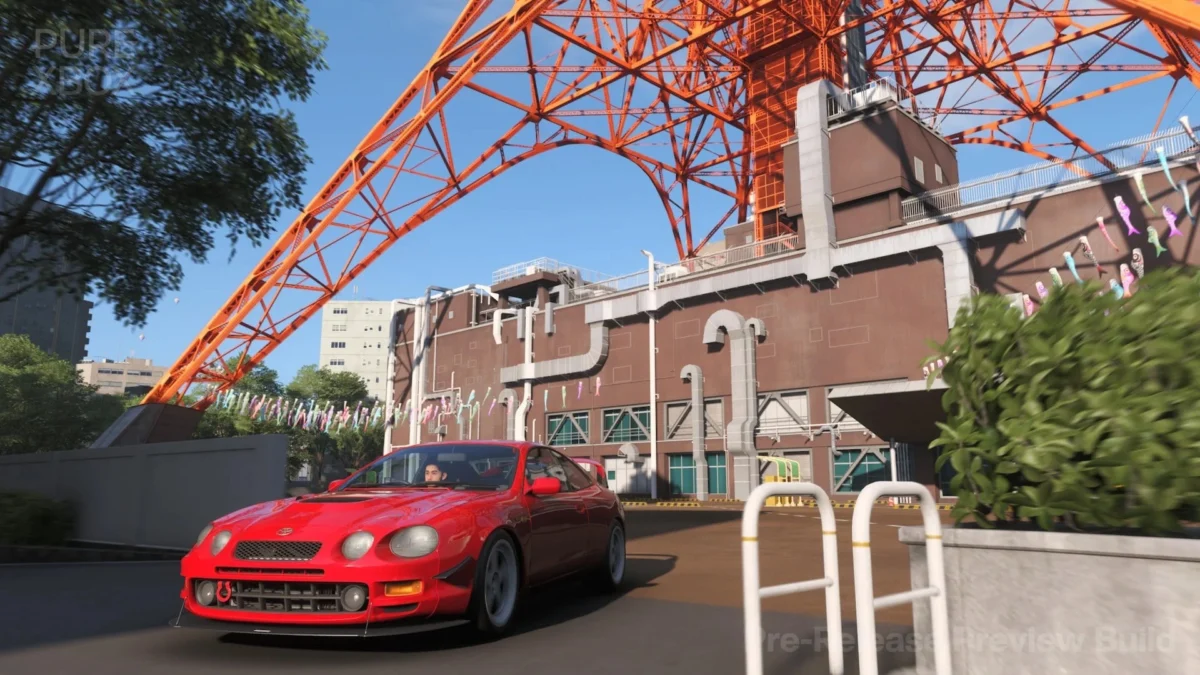
The interactive entertainment industry is currently focusing its attention on the upcoming release of Forza Horizon 6, the latest installment in the critically acclaimed open-world racing franchise developed by Playground Games and published by Xbox Game Studios. Scheduled for a global launch in May 2026, the title represents a significant milestone for the series, transitioning its celebrated "Horizon Festival" to the highly requested landscape of Japan. Following initial hands-on previews conducted earlier this month, industry analysts and enthusiasts alike are evaluating whether the title possesses the necessary components to surpass its predecessors and secure a "Game of the Year" designation.
The Forza Horizon series has long been a cornerstone of the Microsoft gaming ecosystem, known for blending accessible arcade-style handling with high-fidelity simulation elements and expansive, visually stunning environments. With the sixth entry, the development team appears to be addressing a decade-long request from the community by utilizing a Japanese setting, a location synonymous with automotive culture, diverse topography, and dense urban architecture.
Historical Context and Series Evolution
To understand the weight of expectation surrounding Forza Horizon 6, it is necessary to examine the trajectory of the franchise since its inception in 2012. Originally conceived as a spin-off to the core Forza Motorsport series, Forza Horizon shifted the focus from closed-circuit professional racing to an open-world celebration of car culture.
The series began in the canyons of Colorado (2012) before moving to Southern Europe (2014), Australia (2016), Great Britain (2018), and most recently, Mexico (2021). Each iteration has seen a steady climb in both technical complexity and critical reception. Forza Horizon 5, released in November 2021, achieved a Metacritic aggregate score of 92, making it one of the highest-rated titles of the current console generation. It also reached a milestone of over 37 million players as of early 2024, highlighting the massive commercial reach of the brand, bolstered significantly by its day-one availability on the Xbox Game Pass subscription service.
The move to Japan for the 2026 release marks a strategic pivot for Playground Games. While previous titles focused on vast open vistas and rural landscapes, the Japanese setting necessitates a more intricate approach to urban planning and verticality. The inclusion of neon-drenched metropolitan areas alongside winding mountain passes—known as "touge" in Japanese drifting culture—suggests a shift in gameplay dynamics that prioritizes precision and technical driving more than the wide-off-road expanses found in the Mexican or Australian settings.
Technical Innovation and the ForzaTech Engine
A primary driver of the anticipation for Forza Horizon 6 is the evolution of the underlying technology. For the 2026 release, Playground Games has reportedly utilized an updated iteration of the ForzaTech engine, designed to take full advantage of the Xbox Series X|S hardware and modern PC architectures.
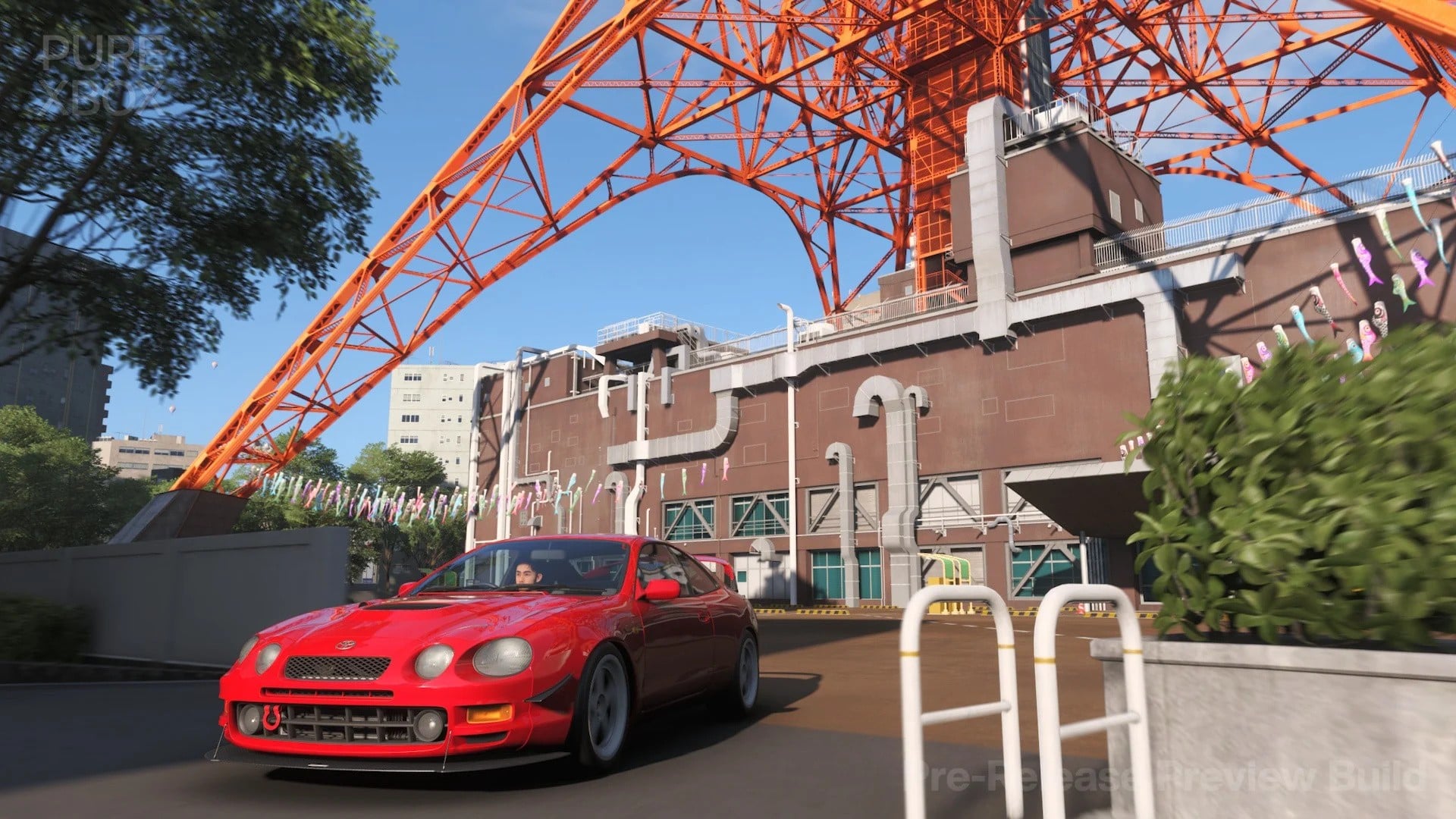
Technical benchmarks from early previews suggest that the game employs advanced ray-tracing global illumination not just in the "Forzavista" car viewing mode, but during active gameplay. This is particularly relevant for the Japan setting, where the interaction of light with wet asphalt and reflective city surfaces is a defining aesthetic characteristic. Furthermore, the 2026 title is expected to feature a refined weather system that includes localized micro-climates, simulating the varied atmospheric conditions of the Japanese archipelago, from the snowy regions of the north to the humid, temperate zones of the south.
Data from development cycles indicates that the scale of the map in Forza Horizon 6 is approximately 20% larger than that of its predecessor, with a significantly higher density of assets per square kilometer. This increase in density is a direct response to player feedback regarding the "emptiness" of certain sectors in previous open-world racers. The integration of high-speed SSD storage via the Xbox Velocity Architecture allows for near-instantaneous fast travel and seamless transitions between the sprawling Tokyo-inspired urban hubs and the rural countryside.
Comparative Analysis of Critical Performance
The pursuit of a record-breaking review score is a central theme in the discourse surrounding the May 2026 launch. The Forza Horizon series is unique in its consistency, with nearly every entry scoring above the 90-point threshold on major review aggregators.
- Forza Horizon 1: 85 (Metacritic)
- Forza Horizon 2: 86 (Metacritic)
- Forza Horizon 3: 91 (Metacritic)
- Forza Horizon 4: 92 (Metacritic)
- Forza Horizon 5: 92 (Metacritic)
For Forza Horizon 6 to be considered the "highest-scoring entry yet," it must navigate the challenge of "franchise fatigue." Critics often penalize long-running series that fail to innovate on their core loop. However, the preview data suggests that the "Horizon Japan" iteration introduces several new mechanics, including an overhauled "Drift Culture" progression system and a more robust narrative structure that explores the history of the Japanese domestic market (JDM) and its global influence.
Industry experts suggest that if the game maintains its technical polish while delivering a fundamentally different atmosphere through its setting, a Metacritic score of 93 or 94 is within the realm of possibility. Such a score would firmly place it in the conversation for Game of the Year (GOTY) honors, a feat rarely achieved by racing titles in major award ceremonies like The Game Awards or the D.I.C.E. Awards.
Market Positioning and Strategic Importance
The release of Forza Horizon 6 in May 2026 is strategically timed within the broader Microsoft gaming roadmap. As the mid-generation cycle for the Xbox Series X|S matures, high-profile first-party exclusives serve as essential tools for hardware retention and Game Pass acquisition.
The racing genre has seen increased competition in recent years. Titles such as Gran Turismo 7 on the PlayStation 5, Ubisoft’s The Crew Motorfest, and the revival of Test Drive Unlimited have saturated the market. However, Forza Horizon maintains a distinct market position by offering a "sandbox" experience that appeals to both casual players and hardcore automotive enthusiasts. The 2026 launch aims to consolidate this dominance by leveraging the cultural zeitgeist surrounding Japanese automotive aesthetics, which has seen a resurgence in popular media and social platforms.

Community Expectations and Industry Feedback
Initial reactions from media outlets that participated in the May 2026 preview event have been overwhelmingly positive. Reporters noted that the sense of speed and the fidelity of the environment were "unmatched in the current market." The "Pure Xbox" community, among other enthusiast groups, has shown a high level of engagement, with internal polling suggesting that over 75% of the core fanbase expects a review score of 90 or higher.
The demand for a Japanese setting has been a recurring theme in fan forums for over eight years. By finally delivering on this request, Playground Games has generated a level of "pre-launch hype" that exceeds that of Forza Horizon 5. However, this also raises the stakes; the developer must ensure that the representation of Japan is both culturally respectful and geographically diverse, avoiding the tropes of "neon cities" only by including the diverse natural beauty of the Japanese countryside.
Broader Impact and Industry Implications
The success of Forza Horizon 6 will likely influence the direction of the racing genre for the remainder of the decade. If the game successfully integrates high-density urban environments with a seamless open world, it will set a new technical benchmark for competitors to follow. Furthermore, its performance will serve as a bellwether for the health of "live service" racing games. Forza Horizon has mastered the seasonal model, with weekly "Festival Playlist" updates that keep the player base engaged for years after launch.
In terms of broader industry impact, a potential Game of the Year win for a racing title would signal a shift in how the industry perceives "genre" games. Historically, narrative-driven action-adventure titles have dominated the awards circuit. A win for Forza Horizon 6 would validate the artistic and technical merit of the racing sub-genre, recognizing the complex engineering and environmental design required to build a convincing digital world at 200 miles per hour.
As the May 2026 launch window approaches, the focus remains on the final polish and the stability of the online infrastructure. With the "Horizon Festival" heading to Japan, the stage is set for what could be the definitive racing experience of the current console generation. Whether it can transcend its "known quantity" status to become a transformative piece of media will be determined by the final reviews and the reception of the millions of players waiting to take to the streets of virtual Japan next month.