


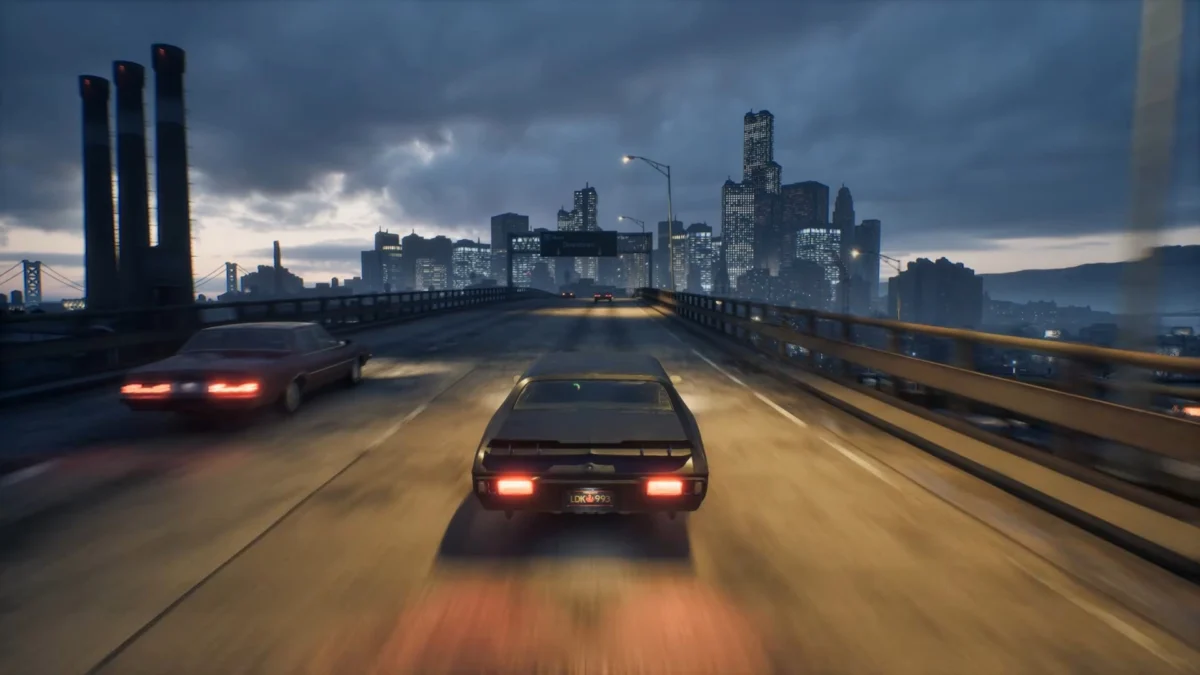
The highly anticipated title, Samson, which recently made its debut on Steam, is officially slated for a console release in Fall 2026. This announcement arrives amidst a period of significant post-launch activity from the developer, who is diligently addressing the "Mixed" reviews and initial criticisms that followed the game’s PC launch a mere week ago. While the PC version struggled to meet the soaring pre-release expectations, the confirmation of a console window, likely encompassing Xbox Series X, Xbox Series S, and potentially PlayStation 5 and a future Nintendo console, signals a strategic pivot and a commitment to refining the game for a broader audience.
The Genesis of Hype: Samson’s Pre-Launch Trajectory
Prior to its release, Samson garnered considerable attention within the PC gaming community. Marketing efforts, including captivating trailers showcasing its unique gameplay mechanics, distinct art style, and ambitious narrative concepts, fueled a substantial wave of anticipation. Early previews and developer interviews hinted at a groundbreaking experience, leading to its inclusion on numerous "most anticipated" lists across gaming publications and content creator platforms. Wishlist numbers on Steam reportedly soared, indicating a strong consumer interest driven by the promise of innovation and a fresh take on its genre. This organic and cultivated hype created a high bar for the game to clear upon its eventual release. The game was positioned as a potential breakout indie or AA title, often compared to other ambitious projects that captured imaginations with their unique visions. Developers frequently engaged with their community, fostering a sense of shared excitement and involvement in the game’s journey towards release. This engagement, while beneficial for building a fanbase, also amplified the pressure for a flawless launch.
From Anticipation to "Mixed" Realities: The PC Launch Performance
However, the reality of Samson‘s PC launch painted a different picture. Upon its release a week ago, the game quickly accumulated "Mixed" reviews on Steam, a stark contrast to the overwhelming positivity it had enjoyed pre-launch. Common criticisms from players and critics alike focused on a range of technical and gameplay issues. Performance optimization emerged as a significant hurdle, with many users reporting inconsistent frame rates, frequent stutters, and occasional crashes, particularly on hardware configurations that typically handle similar titles with ease. Graphical glitches, physics inconsistencies, and minor but persistent bugs further detracted from the immersive experience the game promised.

Beyond technical aspects, some reviews also pointed to gameplay elements that felt underdeveloped or unpolished. Complaints included a perceived lack of content depth beyond the initial hours, repetitive mission structures, and balancing issues that sometimes led to frustrating difficulty spikes or an unrewarding progression system. While the core concepts and artistic direction often received praise, the execution appeared to falter under the weight of its own ambition. This divergence between pre-release promise and post-release reality led to a noticeable dip in player sentiment and, anecdotally, a decrease in concurrent player numbers following the initial launch surge. The immediate aftermath saw extensive discussions on forums and social media, with players expressing both disappointment and a fervent hope for future improvements.
A Proactive Stance: The Developer’s Swift 2026 Roadmap
In a commendable demonstration of responsiveness, the developer of Samson did not hesitate to address the feedback. Within days of the PC launch, a comprehensive 2026 roadmap was unveiled, outlining a clear plan for substantial improvements and content additions. This roadmap details a multi-phased approach, prioritizing critical bug fixes and performance optimizations in the immediate "coming weeks." Subsequent updates are expected to introduce quality-of-life enhancements, rebalance gameplay mechanics, and potentially expand upon the game’s existing content, addressing many of the core complaints voiced by the community.
The decision to quickly publish a detailed roadmap is a recognized strategy in the gaming industry for rebuilding player trust and demonstrating a long-term commitment to a title. It provides transparency, offering players a tangible understanding of how their feedback is being incorporated and what they can expect in the future. This proactive communication is crucial for retaining the existing player base and enticing new players who might be waiting for the game to mature. The roadmap acts as a public promise, signaling that the developer views the launch as merely the first step in the game’s journey, rather than its culmination.
Console Confirmation: A Fall 2026 Launch Window
Amidst these ongoing efforts to refine the PC experience, the developer officially confirmed the highly anticipated console release window. In a statement released to the community, they declared, "Finally, we know many of you have been asking about a console release. While we’re not ready to share a specific date yet, we can confirm that Samson is planned to launch on consoles this fall." This announcement simultaneously manages expectations by deferring a specific date while firmly establishing the timeframe for console players.

The Fall 2026 window is strategically significant. It provides the development team with ample time—approximately two years from the PC launch—to implement the extensive improvements outlined in their roadmap, fine-tune the gameplay, and rigorously optimize the game for various console architectures. This extended development period for console versions is often seen as a benefit, allowing them to potentially launch in a more polished state, benefiting from the PC community’s feedback and the iterative development cycle. The likely inclusion of Xbox Series X and Xbox Series S aligns with standard multi-platform release strategies, ensuring access to a large current-generation console audience. The mention of PlayStation 5 as a potential platform further broadens the market reach, while the speculative inclusion of a "Switch 2" suggests an eye towards future hardware and the potential for a new console generation by that timeframe.
The "Second Chance" Phenomenon: Learning from Industry Precedents
The trajectory of Samson—a highly anticipated PC launch followed by a rocky reception and a subsequent commitment to significant post-launch support and a delayed console release—is not unprecedented in the gaming industry. This scenario often sets the stage for what is colloquially known as a "second chance" phenomenon. Titles like No Man’s Sky, Cyberpunk 2077, Fallout 76, and Sea of Thieves are prime examples of games that experienced turbulent launches but eventually redeemed themselves through consistent, substantial post-release updates, content additions, and dedicated community engagement.
No Man’s Sky, for instance, launched in 2016 to widespread criticism for lacking many promised features. However, years of free, massive updates transformed it into a critically acclaimed title, lauded for its continuous evolution. Similarly, Cyberpunk 2077, after a notoriously buggy launch in late 2020, particularly on last-gen consoles, saw its fortunes turn with numerous patches, performance fixes, and a major expansion that significantly improved its standing. These cases illustrate that initial impressions, while impactful, do not always define a game’s ultimate legacy. For Samson, the console release in Fall 2026 presents a similar opportunity for a "re-introduction" to a fresh audience, ideally with the benefit of all the accumulated improvements and lessons learned from the PC launch. Console players, in this scenario, would essentially receive a more mature and refined version of the game, bypassing many of the initial frustrations experienced by their PC counterparts. This strategy can be incredibly effective, as it allows the developer to leverage the existing brand recognition while simultaneously showcasing a significantly improved product.
Market Dynamics and Console Strategy: Broader Implications
The decision to target a Fall 2026 console release carries several strategic implications. The console market, particularly for new IPs, offers a different landscape compared to the crowded PC storefronts. Console players often have different purchasing habits and expectations, sometimes prioritizing a more polished, out-of-the-box experience. For a game like Samson, which faced initial technical hurdles, a carefully optimized console port is paramount. Ensuring stable performance, intuitive controller mappings, and platform-specific enhancements (such as leveraging haptic feedback on PS5’s DualSense or faster loading times on current-gen SSDs) will be crucial for a successful launch.

Furthermore, a Fall release window places Samson in a competitive, yet potentially lucrative, period. The holiday season traditionally sees a surge in game sales. If the game arrives in a highly polished state, it could capture significant attention. The potential for inclusion in subscription services like Xbox Game Pass or PlayStation Plus Extra/Premium at or near launch could also provide a massive boost, instantly exposing the game to millions of subscribers and mitigating initial sales risks. This kind of platform support can be a game-changer for titles seeking to establish a foothold in a competitive market. The long lead time also allows platform holders like Microsoft and Sony to assess the game’s progress on PC and potentially offer marketing support for a console debut, contingent on the improvements made.
The speculative inclusion of a "Switch 2" in the discussion for a 2026 release highlights the developer’s forward-thinking approach. If a next-generation Nintendo console is indeed on the horizon by then, launching Samson on new hardware could tap into an early adopter audience eager for fresh experiences, provided the game can be adequately optimized for its specifications. This multi-platform approach underscores the developer’s ambition to reach the widest possible audience and solidify Samson‘s place in the gaming ecosystem.
Developer’s Reputation and Community Engagement: A Path Forward
The success of Samson‘s console launch hinges entirely on the developer’s ability to execute its ambitious roadmap for the PC version over the coming months. Rebuilding trust within the PC community through consistent updates, transparent communication, and demonstrable improvements will directly influence the perception of the console release. Players often closely monitor a game’s evolution, and positive sentiment from PC players about the game’s transformation can serve as invaluable organic marketing for its console debut. Conversely, a failure to adequately address PC issues could cast a shadow over the console launch, regardless of the additional development time.
The development team’s commitment to fixing and improving Samson is not just about the game itself, but also about safeguarding and enhancing their own reputation. In an industry where consumer trust is hard-earned and easily lost, a developer’s response to initial challenges can define their future trajectory. By openly acknowledging shortcomings and actively working towards solutions, they are demonstrating resilience and a dedication to their craft and their player base. This sustained effort could transform Samson from a cautionary tale of unmet hype into a success story of redemption and perseverance. The journey ahead for Samson is undoubtedly challenging, but the announced console release provides a clear target and a renewed sense of purpose for both the development team and the expectant console gaming community.