


Games have long been celebrated for their unparalleled ability to transport players across a vast spectrum of experiences, from the adrenaline-fueled combat arenas of titles like Call of Duty to the more passive, cinematic journeys found in certain interactive narratives. It is within this latter category that Keeper, the latest offering from Double Fine Productions and a collaboration with Lee Petty under the Xbox Game Studios umbrella, firmly plants its flag. The game undoubtedly shines when it showcases the aesthetic diversity possible within the medium. However, despite its noble intentions and the inherent importance of such artistic explorations, Keeper ultimately struggles to distinguish itself when held against similar titles, leaving players with a sense of pleasantness rather than profound impact.
A Glimmer of Hope in a Troubled World
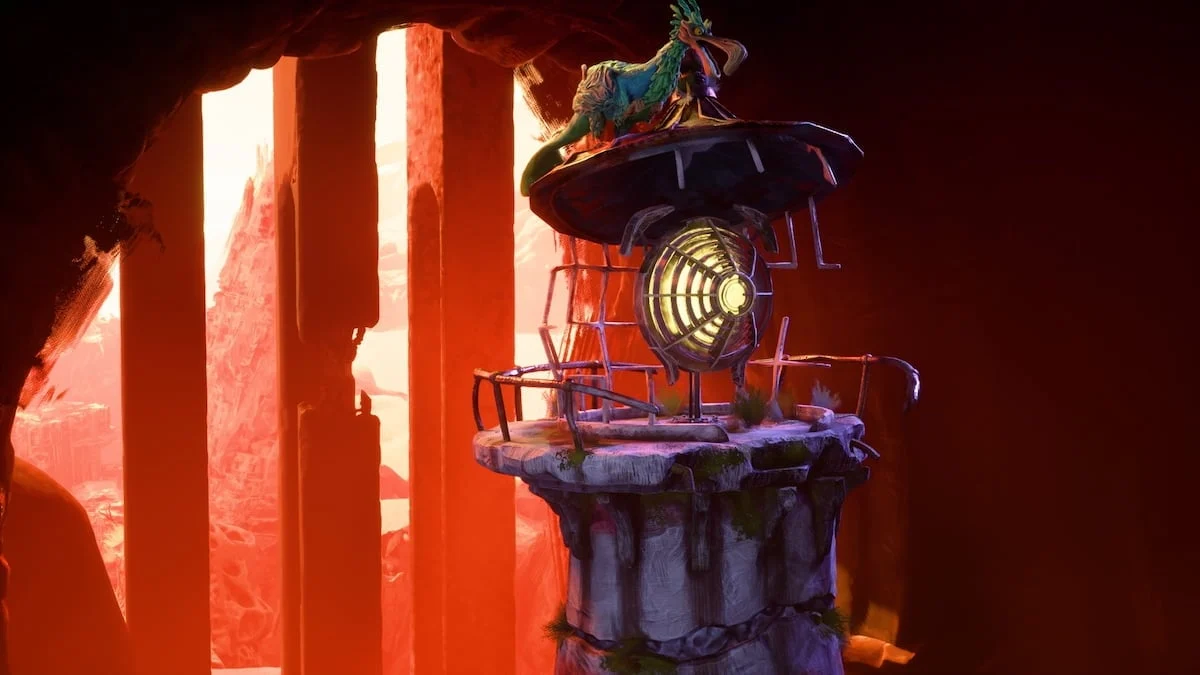
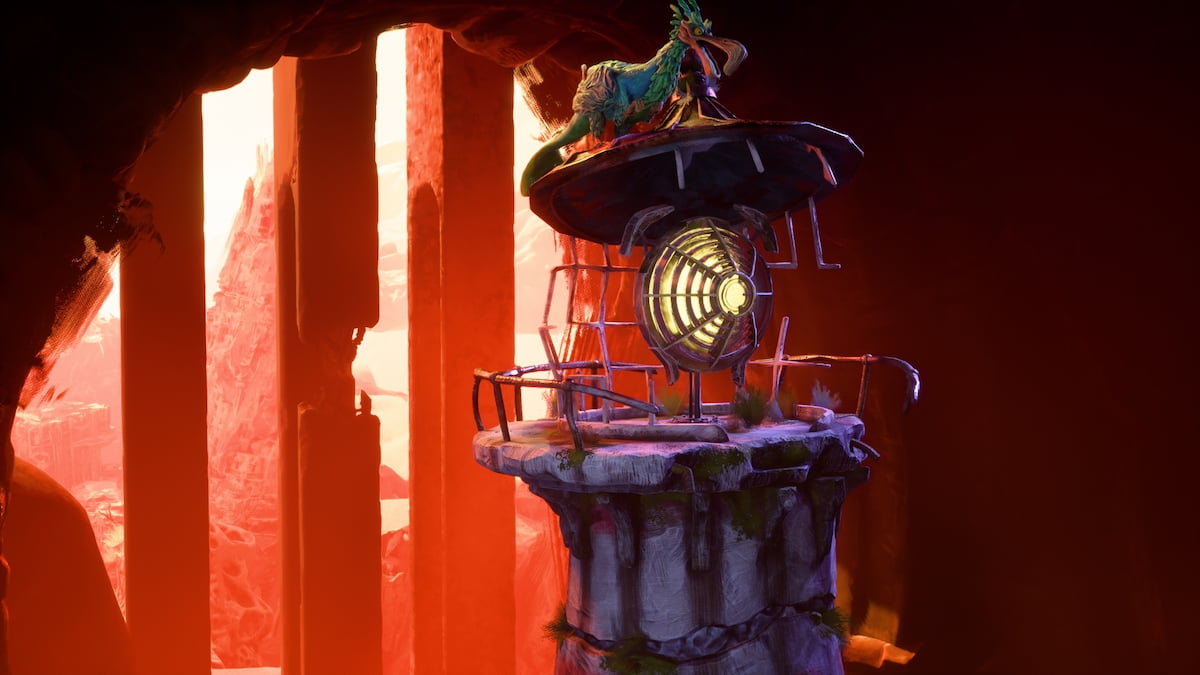
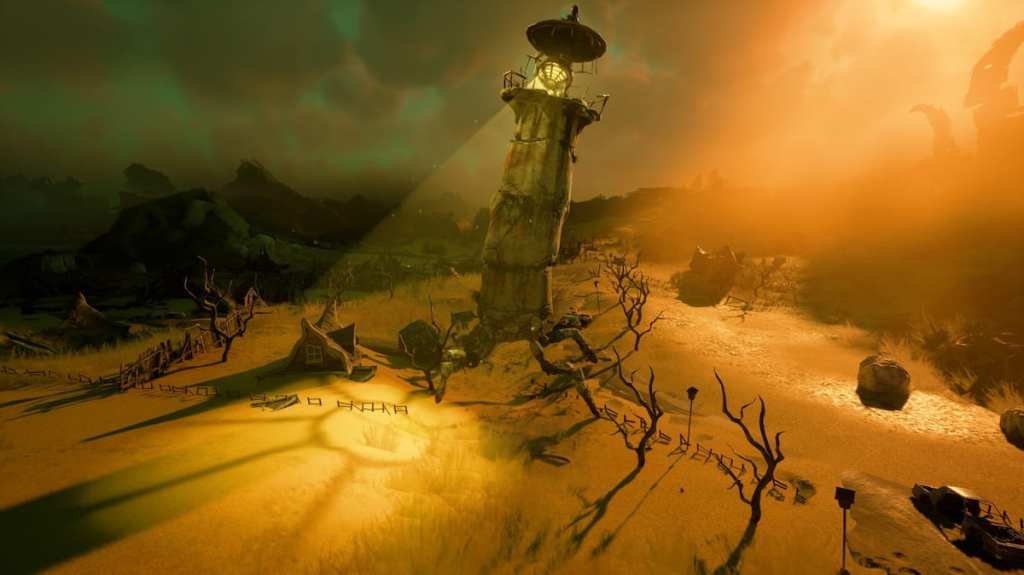
Keeper presents players with a unique premise: they embody a lighthouse and a sea bird, tasked with a crucial mission to safeguard their world’s fragile flora and fauna from an unspecified, creeping blight. The narrative unfolds organically, conveyed entirely through environmental cues, contextual clues, and a sparse scattering of cutscenes, eschewing any form of spoken dialogue. This minimalist approach to storytelling is one of Keeper‘s most defining characteristics, creating a tranquil and contemplative atmosphere. The core gameplay loop revolves around exploration, traversal, and rudimentary puzzle-solving, all guided by a remarkably simple control scheme. The lighthouse’s spotlight serves as a primary tool for interaction, illuminating paths and revealing hidden elements, while the sea bird offers its unique mobility for reaching inaccessible areas.
This deliberate simplicity, while accessible to a wide audience, also contributes to the game’s most significant shortcomings. The puzzles, often presented with on-screen button prompts (a feature that can be disabled), are frequently linear and require minimal critical thinking to overcome. This lack of challenge, while potentially a boon for players seeking a purely relaxing experience, leaves many feeling that the game is too guided, too "on-rails," diminishing the sense of accomplishment and agency. The short runtime, estimated at around five hours for a typical playthrough, further exacerbates this feeling of brevity, leaving players wanting more substance to anchor their experience.
The game’s visual design is a clear highlight. Keeper adopts a surreal aesthetic, populating its world with whimsical, anthropomorphic objects and a dreamlike environment that evokes the feeling of stepping into a playable art exhibit. This artistic vision is commendable, but it is sometimes hindered by the implementation of fixed camera angles. While these angles are often chosen to accentuate the game’s beauty, they can lead to cumbersome navigation and awkward adjustments of the lighthouse’s spotlight, particularly when the camera shifts unexpectedly during movement. This technical aspect, while minor, can detract from the otherwise immersive and visually appealing world.
The Unforgettable Journey: A Distant Echo
In its pursuit of atmospheric storytelling and gentle gameplay, Keeper enters a crowded field of comparable titles. Games such as Abzu, Gris, and Journey have previously explored similar thematic territory, offering players deeply affecting experiences through minimalist design and evocative presentation. While Keeper shares a kinship with these titles, it unfortunately falls short of their emotional resonance and memorable impact. The game offers moments of enjoyment, but these are often overshadowed by a pervasive sense of familiarity and a lack of distinctiveness. The question lingers: what is it that Keeper is missing? Is it a stronger sense of character development, a more compelling narrative arc, or a more overt thematic message? The answer remains elusive, leaving the game feeling somewhat adrift.
Reflecting on the experience after completion, the specific events of Keeper tend to blur together. The lighthouse and bird duo perform a series of benevolent actions, yet few stand out as truly remarkable. An exception is a particularly engaging time-travel sequence, which requires players to navigate between past, present, and future to overcome obstacles. This segment offers a glimpse of the deeper puzzle design and narrative complexity that could have elevated the entire game, but it remains an isolated highlight in an otherwise understated adventure.
The developers at Double Fine Productions, known for their innovative and often quirky approach to game design, have here opted for a more subdued and meditative experience. This deliberate choice, while likely intended to appeal to a specific audience seeking solace and tranquility in their gaming, may prove to be a barrier for those expecting the more engaging gameplay loops characteristic of their earlier works. The decision to withhold explicit narrative exposition, while a stylistic choice, means that the game’s underlying message and the stakes of its conflict remain somewhat abstract, potentially diluting the emotional connection players might otherwise form.
Market Context and Player Reception
Released in 2025, Keeper enters a gaming landscape characterized by a wide array of offerings, from budget-friendly indie titles to high-production value AAA releases. Priced at approximately $30, the game faces stiff competition, particularly for consumers with limited discretionary spending. The inclusion of Keeper on subscription services like Xbox Game Pass, however, significantly lowers the barrier to entry for a substantial segment of the gaming population. This accessibility is crucial, as it allows players to sample the game without significant financial commitment.
Industry analysts have noted a growing trend towards "experiential" games, where the emphasis is placed on atmosphere, art direction, and emotional resonance over traditional gameplay mechanics. Titles that prioritize narrative immersion and unique artistic expression often find dedicated followings, even if they don’t achieve mainstream blockbuster status. Keeper‘s attempt to tap into this market is evident in its design choices. However, for a game to truly succeed in this niche, it must offer a compelling and unique experience that lingers in the player’s memory long after the credits roll.
Early player feedback, while not yet extensively documented, appears to echo the sentiments of the initial review. Many appreciate the game’s visual artistry and its calming nature. However, a recurring theme in discussions centers on the game’s simplicity and brevity. Comments frequently suggest that while the game is enjoyable for a casual play session, it lacks the depth or replayability to warrant extended engagement or a higher price point. This sentiment is particularly relevant when considering the value proposition of a $30 game in the current market.
Broader Implications and Future Considerations
The success of games like Keeper hinges on their ability to carve out a distinct identity in a crowded market. While Double Fine Productions has a respected history of delivering unique gaming experiences, Keeper‘s current reception suggests a need for careful consideration regarding the balance between artistic ambition and player engagement. The game’s reliance on a minimal control scheme and straightforward puzzles, while intended to be inclusive, may inadvertently limit its appeal to a broader audience seeking more challenging or varied gameplay.
The implications of Keeper‘s release extend beyond its immediate sales figures. It serves as a case study for developers exploring the potential of narrative-driven, minimalist gameplay. The positive aspects—its beautiful art style and tranquil atmosphere—are undeniable strengths that could be further leveraged in future projects. However, the perceived lack of depth and memorable moments suggests that even in the realm of "playable cinematics," a certain level of interactive substance is crucial to leave a lasting impression.
Moving forward, developers aiming to replicate Keeper‘s success might consider incorporating more dynamic puzzles, subtle narrative progression that rewards exploration, or even a more robust system for character interaction and growth. The success of titles like Journey demonstrates that emotional impact can be achieved through a combination of artistic vision and well-crafted gameplay mechanics that feel both intuitive and rewarding.
In conclusion, Keeper represents a commendable effort by Double Fine Productions to explore the artistic potential of video games. Its serene aesthetic and unique premise offer a welcome respite from more action-oriented titles. However, its understated gameplay and lack of memorable challenges prevent it from reaching the heights of its peers. While it may appeal to a specific audience seeking a gentle and visually pleasing experience, players looking for a more substantial or impactful journey may find their expectations unmet. The game’s value proposition, particularly at its current price point, is best assessed by those who prioritize a relaxing, art-focused gaming experience above all else.