


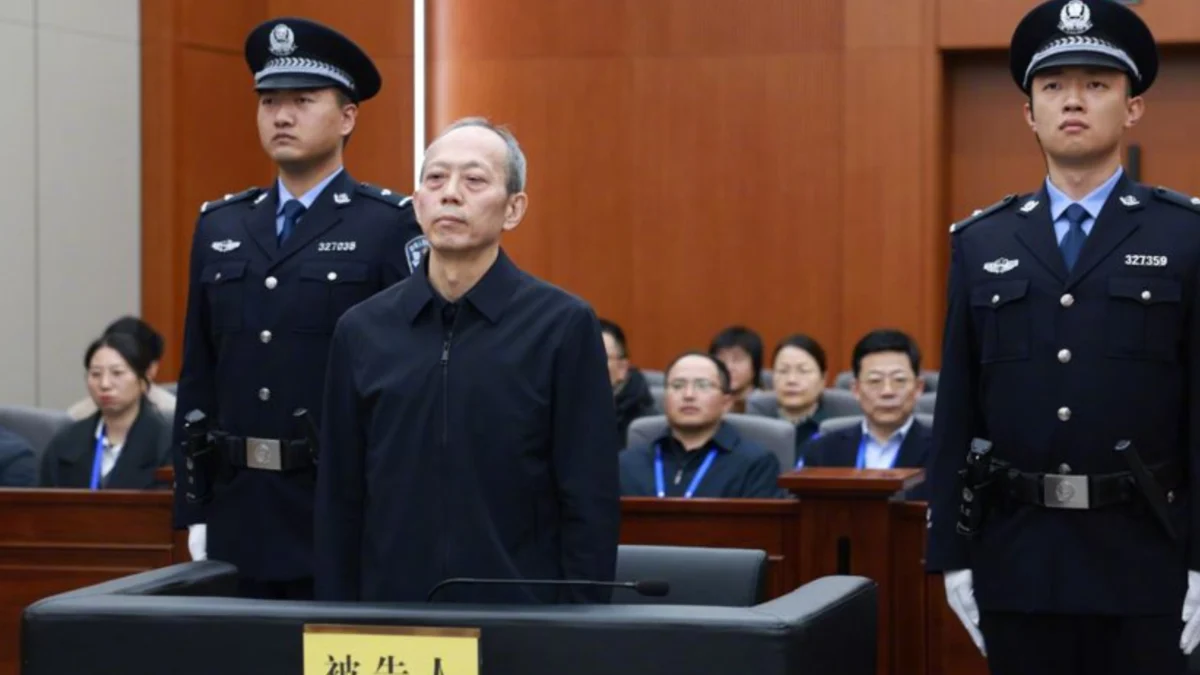
The former head of China’s General Administration of Sport (GAS), Gou Zhongwen, has been handed a death sentence with a two-year reprieve by a Chinese court, following his conviction on charges of large-scale bribery and abuse of power. The Yancheng Intermediate People’s Court delivered the verdict, marking a significant moment in the ongoing anti-corruption campaign that has swept through various sectors of Chinese society, including its burgeoning sports and esports industries. Gou, who oversaw both traditional sports and the rapidly expanding esports landscape, is accused of amassing illicit gains exceeding 236 million yuan (approximately $33.4 million) between 2009 and 2024.
The court’s ruling, as reported by China Daily, detailed that Gou exploited his influential positions within the government to facilitate benefits for individuals and entities through the approval of projects and the management of business operations. The scale of the corruption was deemed "extremely large" by the judges, with a correspondingly "extremely negative" social impact. At 68 years old, Gou has also been permanently stripped of his political rights and had all of his personal assets confiscated.
A Swift and Severe Judgment: The Bribery Conviction
The extensive bribery charges form the cornerstone of the prosecution against Gou Zhongwen. The period of alleged illicit activity, spanning over a decade from 2009 to 2024, suggests a deeply entrenched pattern of corruption. The sum of over 236 million yuan represents a staggering amount of money, underscoring the magnitude of the offenses. During this timeframe, Gou held increasingly senior positions, culminating in his leadership of the GAS, the primary governmental body responsible for the development and regulation of sports in China, including its formal recognition of esports as a legitimate sporting discipline.
The court’s finding that Gou used his government roles to secure benefits for others indicates a systematic abuse of his authority. This likely involved leveraging his decision-making power in areas such as the allocation of resources, the approval of bids for sporting events or infrastructure projects, and potentially influencing the career progression of individuals within the sports hierarchy. The implication is that these actions were not merely acts of personal enrichment but were intertwined with the machinery of governance, undermining fair competition and public trust. The court’s characterization of the corruption as "extremely large" and its social impact as "extremely negative" highlights the perceived threat to the integrity of China’s sports ecosystem.
Abuse of Power Beyond Sports Administration
In addition to the bribery charges, Gou Zhongwen faced separate accusations of abusing his authority during his tenure as a Vice-Mayor of Beijing between 2012 and 2013. This earlier period of his career saw him involved in a significant public project acquisition, where his actions allegedly resulted in substantial losses for the state. While the specifics of this project remain detailed in court documents, the conviction signifies a pattern of misconduct that predates his leadership of the GAS and extends beyond the realm of sports. The five-year prison sentence for this offense, when combined with the bribery conviction, leads to the overarching suspended death sentence.
The Nuances of a Suspended Death Sentence in China
The sentencing of Gou Zhongwen to a death sentence with a two-year reprieve is a complex legal outcome rooted in China’s criminal justice system. In China, a suspended death sentence, also known as a death sentence with a two-year reprieve, is a unique punishment. It is typically handed down in cases where the court believes the defendant’s actions warrant the ultimate penalty, but there are mitigating factors or a desire to offer a chance for redemption.
The standard procedure is that if the convicted individual demonstrates good behavior and commits no further offenses during the two-year reprieve period, the death sentence is commuted to life imprisonment. However, the court’s ruling in Gou’s case explicitly states that due to the severity of his actions, he will not be eligible for parole or sentence reductions. This effectively means that once the two-year reprieve expires and the death sentence is formally commuted, Gou will spend the remainder of his life incarcerated. This stipulation underscores the court’s condemnation of his crimes and its determination to ensure he faces a lengthy and severe punishment.

Factors Considered and Overruled: Confession and Cooperation
Despite the gravity of the charges, the court acknowledged that Gou Zhongwen confessed to his crimes, voluntarily disclosed additional instances of bribery that had not yet been uncovered by investigators, and returned illicit gains. In many legal systems, such cooperation and remorse can be significant mitigating factors that influence sentencing. However, in Gou’s case, the court found that these actions were insufficient to outweigh the severity and far-reaching consequences of his offenses. This indicates a judicial stance that prioritizes the impact of corruption on society and the integrity of public institutions over the defendant’s eventual cooperation.
A Career Trajectory: From Olympic Leadership to Corruption Conviction
Gou Zhongwen’s career encompassed significant leadership roles within China’s sporting establishment. Prior to his tenure at the GAS, he served as the president of the Chinese Olympic Committee. His involvement also extended to a major leadership capacity in the organization of the Beijing 2022 Winter Olympics, a globally significant event that showcased China’s organizational capabilities. His role in the GAS was pivotal, as it was under his leadership that esports was officially recognized as China’s 99th sport, a landmark decision that legitimized competitive video gaming and paved the way for its further integration into the national sports framework.
Esports and the Shadow of Unsupportive Leadership
Ironically, despite presiding over the official recognition of esports, Gou Zhongwen’s personal stance towards gaming and competitive esports was widely perceived as unsupportive. As noted by The Esports Advocate, Gou was not considered a champion of the industry, even as esports experienced a meteoric rise in popularity across China. This apparent disconnect between his official duties and his personal views on the burgeoning esports scene raises questions about the genuine commitment to fostering the industry’s growth and addressing its unique challenges.
The year 2021 marked a significant turning point for gaming in China, with the implementation of some of the country’s strictest-ever gaming restrictions. The National Press and Publication Administration (NPPA), the regulator responsible for game approvals, imposed a limit of just three hours of gaming per week for players under the age of 18. Crucially, because all professional esports players in China are required to be registered athletes, this rule effectively barred minors from entering the professional esports circuit. This contrasted sharply with traditional sports, where no such age-based restrictions exist for participation.
The General Administration of Sport, under Gou’s leadership, had the potential to advocate for esports-specific exceptions or to push back against regulations that could stifle the industry’s development. However, the absence of such action during his tenure suggests a missed opportunity to support the growth of esports and protect the pathway for young talent. This lack of advocacy, coupled with the severe restrictions, has had a profound impact on the esports landscape in China, raising concerns about the future development of the industry and the well-being of its young participants.
Broader Implications: Anti-Corruption Drive and Sports Governance
The sentencing of Gou Zhongwen sends a powerful message about the Chinese government’s unwavering commitment to its anti-corruption campaign, even when it involves high-ranking officials in influential sectors like sports. The scale of the bribery and the abuse of power detailed in the case highlight the pervasive nature of corruption and the challenges of maintaining integrity within large state-controlled organizations.
The conviction also raises questions about the future governance of sports in China, particularly in the context of the rapidly evolving esports industry. The need for transparent and ethical leadership is paramount to ensure fair competition, player welfare, and sustainable growth. The case of Gou Zhongwen underscores the importance of robust oversight mechanisms and a commitment to accountability at all levels of sports administration.
Furthermore, the implications for the esports industry are significant. The future of professional esports in China may depend on a more supportive regulatory environment and leadership that understands and champions the unique aspects of this global phenomenon. The long-term impact of the recent gaming restrictions on player development and the overall health of the esports ecosystem will likely be a subject of ongoing scrutiny and debate. The sentencing of Gou Zhongwen serves as a stark reminder that even within the most dynamic and popular sectors, the fight against corruption and the pursuit of ethical governance remain critical priorities for the Chinese authorities.