


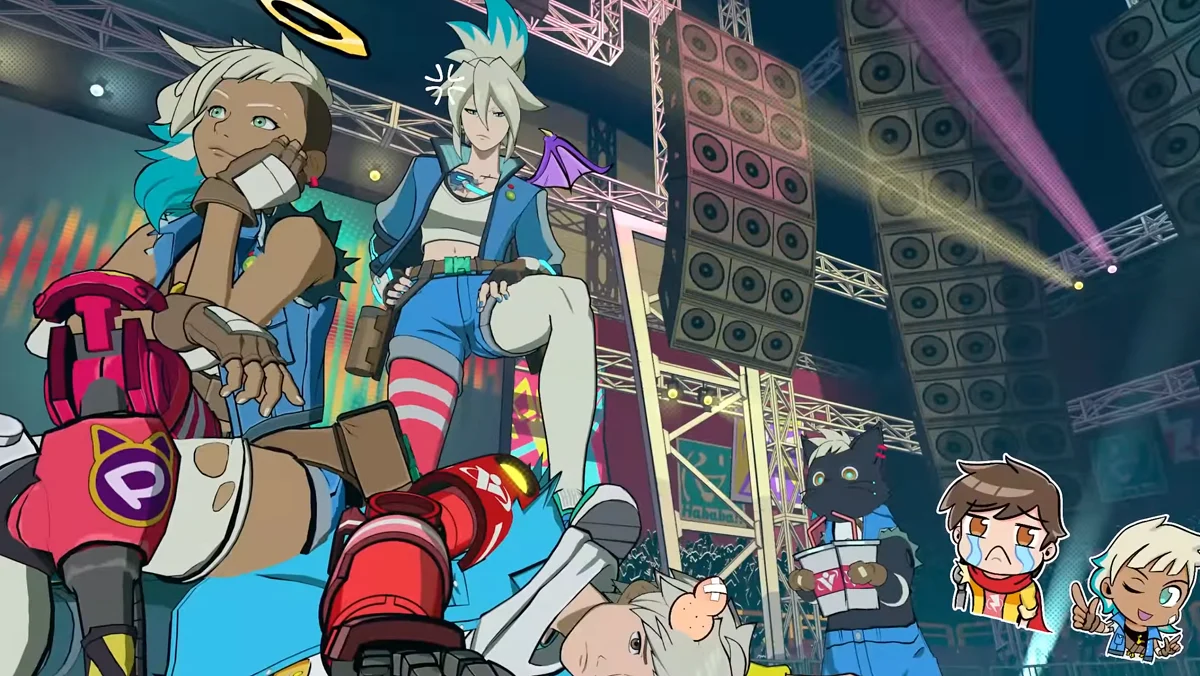
Microsoft confirmed this morning the closure of four Xbox game development studios, marking a significant and unsettling wave of cuts within the gaming industry. Arkane Austin, the studio behind the recent release Redfall, and Tango Gameworks, lauded for its critically acclaimed title Hi-Fi Rush, are among those being completely shuttered. Alpha Dog Games, which contributed to Double Dragon Gaiden: Rise of the Dragons, is also ceasing operations. Roundhouse Studios, another Bethesda-Softworks-owned entity, will be absorbed into ZeniMax Online Studios to bolster its development efforts on existing projects. This drastic measure follows a pattern of consolidation and workforce reductions that has become increasingly prevalent across the global gaming landscape.
A Pattern of Industry Consolidation and Layoffs
The gaming industry has been characterized by a series of significant layoffs and studio closures throughout the past year and into the current one. Companies that had previously engaged in aggressive acquisition strategies, such as Embracer Group, have shifted to divesting assets, closing studios, and implementing substantial workforce reductions. This trend underscores a period of recalibration and financial pressure within the sector, often attributed to shifting market demands, increased development costs, and the challenging economics of game publishing. Microsoft’s latest move places it firmly within this broader industry narrative, raising questions about the long-term stability and strategic direction of its first-party development efforts.
Timeline of Recent Xbox and Activision Blizzard Restructuring
The recent studio closures are not isolated incidents but rather a continuation of a broader restructuring effort within Microsoft’s gaming division.
- January 2024: Microsoft announced significant layoffs affecting approximately 1,900 employees across its Xbox, Bethesda, and Activision Blizzard divisions. This action followed Microsoft’s acquisition of Activision Blizzard in October 2023, a deal valued at nearly $69 billion. The layoffs were framed as a necessary step to align operations and focus on strategic priorities post-acquisition.
- May 2024 (Present): The confirmation of the studio closures of Arkane Austin, Tango Gameworks, and Alpha Dog Games, along with the absorption of Roundhouse Studios, represents a more targeted but equally impactful reduction in Microsoft’s internal development capacity. The news of these closures was reportedly disseminated internally via an email from Xbox Game Studios head Matt Booty, with individual studio accounts later confirming the news.
The Rationale Behind the Closures: Prioritizing "High-Impact Titles"
In an internal memo obtained by gaming news outlets, Matt Booty, Head of Xbox Game Studios, cited a strategic reprioritization of resources as the primary driver for these decisions. "These changes are grounded in prioritizing high-impact titles and further investing in Bethesda’s portfolio of blockbuster games and beloved worlds which you have nurtured over many decades," Booty stated. He further elaborated that "To double down on these franchises and invest to build new ones requires us to look across the business to identify the opportunities that are best positioned for success. This reprioritization of titles and resources means a few teams will be realigned to others and that some of our colleagues will be leaving us."
This strategic shift appears to indicate a concentrated effort to funnel resources and attention towards established, profitable franchises and potentially new, high-potential projects within the Bethesda umbrella. The implication is that studios and projects not deemed to align with this focused strategy are subject to divestment or closure, regardless of their critical reception or creative output.
Case Studies: Arkane Austin and Tango Gameworks
The closure of Arkane Austin and Tango Gameworks presents a particularly stark contrast between creative achievement and corporate restructuring.
Arkane Austin: From Critically Acclaimed to Closure
Arkane Austin has a distinguished history within the gaming world, having been instrumental in the development of the critically lauded Dishonored series and the atmospheric sci-fi title Prey (2017). Despite this pedigree, the studio’s most recent release, Redfall, was met with a largely negative reception. The game suffered from technical issues and gameplay criticisms upon its launch in May 2023.
In the aftermath of Redfall‘s disappointing debut, Xbox head Phil Spencer acknowledged the game’s shortcomings in an interview with Kinda Funny in May 2023. Spencer stated, "I think we’ve shown a commitment to games like Sea of Thieves and Grounded, to continue to go and build games. But I also know that these games are $70, and I’m gonna take full responsibility for launching a game that needs to be great." At the time, there were assurances of continued support for Redfall, including a planned 60fps update. However, the recent announcement confirms that Redfall will remain online but will not receive further updates. Players who purchased the premium DLC pass are reportedly being offered a "make-good" compensation. The closure of Arkane Austin means that the studio’s legacy, built on innovative and immersive game design, will now be overshadowed by its final, troubled project. A portion of Arkane Austin’s staff is expected to transition to other roles within Microsoft.
Tango Gameworks: A Critical Darling Shut Down
Tango Gameworks, founded by Shinji Mikami, achieved widespread critical acclaim and commercial success with its surprise release, Hi-Fi Rush, in January 2023. The rhythm-action game was lauded for its vibrant art style, engaging gameplay, and infectious soundtrack, quickly becoming a fan favorite and a bright spot for Xbox Game Pass. The game even garnered a BAFTA award for its achievement in music.
In stark contrast to the studio’s success, a report surfaced suggesting that Hi-Fi Rush had underperformed financially. Xbox VP of Games Marketing, Aaron Greenberg, publicly refuted these claims at the time, stating that the game was a "breakout hit for us and our players in all key measurements and expectations." He expressed immense satisfaction with the team’s delivery. Adding to the perplexing nature of the closure, Hi-Fi Rush was recently selected as one of a handful of Xbox titles to be released on other platforms, including PlayStation 5, a move that typically signifies a game’s ongoing commercial viability and strategic importance. Despite these positive indicators and critical accolades, Tango Gameworks is being shut down, leaving its future projects and the continuation of its unique brand of game development in limbo. The studio’s most recent social media activity included celebrating its BAFTA win, making the subsequent closure announcement particularly jarring.
Broader Industry Context and Financial Performance
The current wave of studio closures and layoffs occurs against a backdrop of significant financial success for Microsoft, particularly within its gaming division. In its Fiscal Year 2024 Q3 earnings report, released on April 25, 2024, Microsoft announced substantial revenue growth. Specifically, "Xbox content and services revenue increased 62% (up 61% in constant currency) driven by 61 points of net impact from the Activision acquisition." This surge in revenue highlights the financial benefits of the Activision Blizzard acquisition.
Furthermore, in January 2024, Microsoft achieved a remarkable milestone, becoming the second company to reach a $3 trillion market capitalization. This financial strength stands in stark contrast to the workforce reductions and studio closures being implemented within its gaming division. This juxtaposition raises critical questions about the allocation of resources and the definition of success within the company’s gaming arm.
The Enigma of "Success Metrics"
The opacity surrounding the specific metrics used to determine a studio’s or a game’s "success" is a recurring point of concern within the industry. While financial performance is undoubtedly a key factor, the closure of critically acclaimed studios like Tango Gameworks, whose game was deemed a "breakout hit" by internal leadership, suggests that other, less transparent criteria may be at play. The memo from Matt Booty emphasizes a focus on "high-impact titles" and "blockbuster games," implying a preference for projects with proven commercial potential or those that can be leveraged within established franchises.
The broader outlook for the video game console market has also been described as "flat," according to various industry analyses. This challenging market environment likely contributes to increased scrutiny on development studios and a demand for demonstrable return on investment. However, the lack of clear, publicly communicated performance benchmarks creates an environment of uncertainty for developers.
The Human Cost of Industry Restructuring
The recurring theme across these industry-wide cuts is the profound impact on the individuals who create the games. Phil Spencer, in a March interview with Polygon, expressed his concern for the well-being of industry professionals: "I reflect on friends of mine in the industry that have been displaced and lost their jobs and how just, I don’t want this industry to be a place where people can’t, with confidence, build a career." This sentiment is particularly poignant given the context of the current layoffs, some of which have occurred shortly after companies implemented return-to-office mandates, creating further disruption and hardship for employees.
The departure of experienced talent from the industry is a significant concern. Reports indicate that skilled professionals are seeking opportunities outside of gaming due to the instability. This brain drain can have long-term consequences for the industry’s ability to innovate and produce diverse, high-quality content.
The Tension Between Fuel and Passion
The financial realities of the gaming industry often create a tension between the need for profitability and the creative passion that drives game development. Swen Vincke, CEO of Larian Studios, creators of the award-winning Baldur’s Gate 3, articulated this sentiment in a social media post: "They don’t care that much about the money made beyond it being the fuel they need to create new and better games. It’s worth reminding everyone that fuel is but a means, not a goal. Whereto and how we journey are what matter and what we remember." This perspective highlights the potential for a corporate focus on "fuel" (profit) to overshadow the fundamental purpose of game development: the journey of creation and the memorable experiences players have.
The Road Ahead: Xbox’s Strategic Direction and Industry Accountability
As Microsoft prepares for its Xbox Games Showcase in June, the industry will be watching closely for any indication of how these recent studio closures will shape its future strategy. The event, part of the broader Summer Game Fest, traditionally showcases upcoming titles and offers insights into platform holder roadmaps. However, there is a persistent critique that such industry events often fail to adequately address the systemic issues and the human cost of game development.
The closure of established studios, regardless of the performance of their most recent titles, raises critical questions about Microsoft’s long-term vision for its first-party development. The lack of transparency regarding decision-making processes and the impact on the livelihoods of hundreds of developers underscore a broader need for greater accountability within the industry. As the industry continues to navigate economic pressures and evolving market dynamics, the human element – the creators who pour their passion and expertise into bringing virtual worlds to life – must remain at the forefront of these strategic considerations. The question of "why" behind these significant decisions, particularly those affecting creative teams with a proven track record, demands a more direct and transparent answer from corporate leadership.