


The landscape of interactive entertainment has been punctuated by eras of physical innovation, where the bridge between the digital world and the player’s living room was built with plastic guitars, miniature figurines, and complex control decks. For the Xbox ecosystem, spanning from the original console to the current Series X|S generation, these peripherals represent a significant chapter in gaming history. While many of these devices now occupy attic spaces or secondary market listings, their impact on game design, consumer behavior, and the secondary collectors’ market remains a point of intense interest for industry analysts and enthusiasts alike.
The Rise and Recessions of the Toys-to-Life Phenomenon
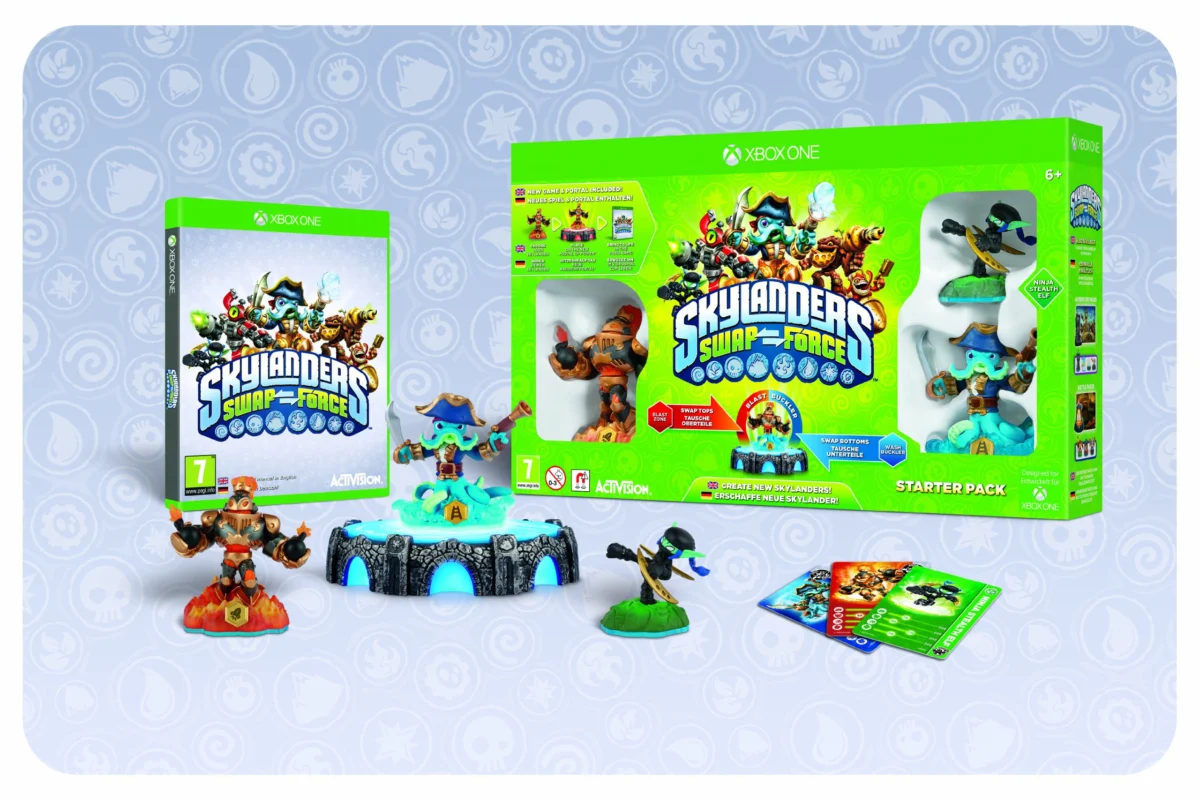
The "toys-to-life" genre, characterized by physical action figures that unlock digital content via a Near Field Communication (NFC) base, represented one of the most lucrative yet volatile periods in gaming history. The trend was ignited by Activision’s Skylanders: Spyro’s Adventure in 2011, which proved that a symbiotic relationship between physical toy sales and digital gameplay could generate billions in revenue.
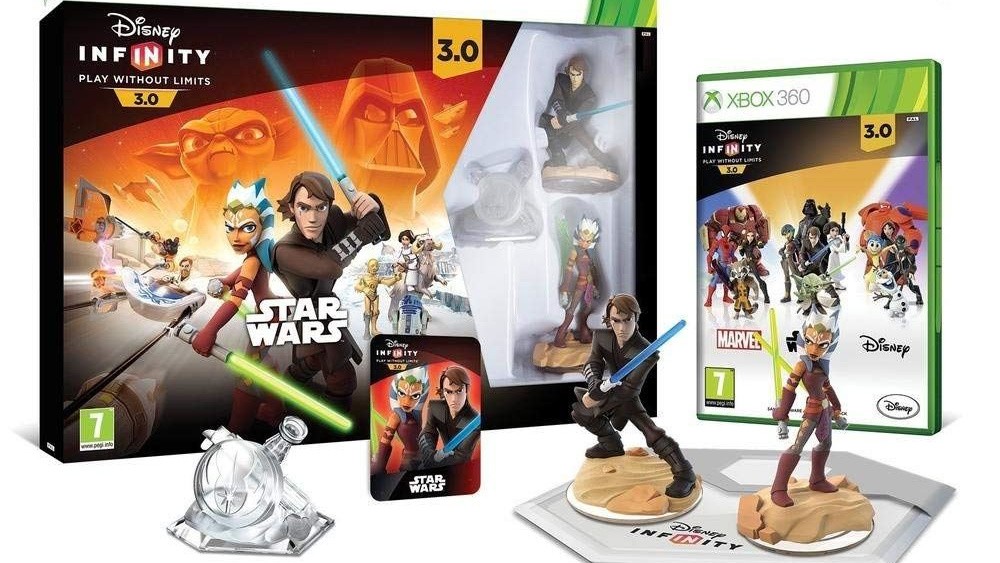
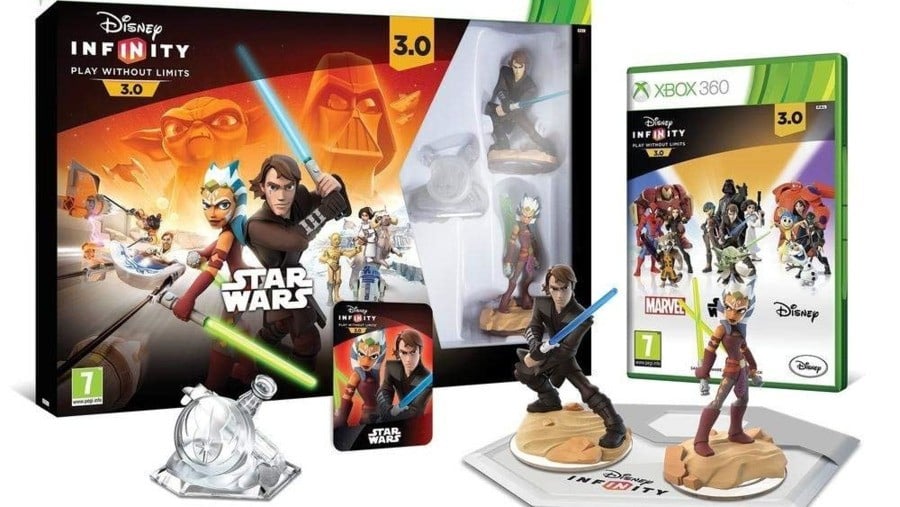
Following Activision’s success, Disney entered the fray in 2013 with Disney Infinity. This platform leveraged the company’s vast intellectual property, including Pixar, Marvel, and Star Wars. For many Xbox players, Disney Infinity 3.0 on the Xbox One remains the pinnacle of this era, offering expansive "Play Sets" and a "Toy Box" mode that encouraged creative construction. However, the physical requirements of the game—the specialized USB base and the requirement to own specific figurines to access content—have become a barrier to entry in the modern era.
The industry eventually reached a saturation point. By 2016, Disney announced the cancellation of the Disney Infinity franchise, citing high inventory risks and a shift in its games business model toward licensing. Shortly thereafter, Warner Bros. Interactive Entertainment’s LEGO Dimensions also ceased production. Today, the legacy of these games is bifurcated. While console players must navigate the logistical hurdles of connecting legacy hardware and maintaining fragile figurines, digital storefronts like Steam offer "Gold Editions" of titles like Disney Infinity 3.0. These digital versions bypass the need for physical peripherals by unlocking all content via software, highlighting a significant shift in how preservationists and casual players approach hardware-dependent titles.
The Rhythmic Pulse of Specialty Controllers
Perhaps no genre is more synonymous with the peripheral boom than the rhythm action category, dominated by the Guitar Hero and Rock Band franchises. Launched in the mid-2000s, these games transformed the Xbox 360 into a social hub, requiring drum kits, microphones, and various iterations of plastic guitars.
The market for these peripherals has seen a dramatic "U-shaped" trajectory. During the height of the genre’s popularity (2007–2010), specialty controllers were ubiquitous. Following the market crash of the genre in 2011, these items were frequently found in thrift stores for nominal prices. However, in the current market, high-quality legacy controllers have become premium collectibles. This is driven by the continued support of Rock Band 4 on Xbox One and the emergence of community-driven PC projects like Clone Hero.
The hardware landscape for rhythm games is currently defined by scarcity and specific compatibility. For instance, the Guitar Hero Live (2015) controller utilized a unique six-button layout (two rows of three) that was incompatible with previous games in the series, leading to its current status as a niche, low-value item compared to the classic five-button models. Conversely, the recent release of the PDP Riffmaster—the first new officially licensed guitar controller in years—sold out almost instantly, signaling that there remains a dedicated, albeit smaller, audience willing to invest in premium specialty hardware.
Steel Battalion: The Apex of Hardcore Hardware
While rhythm games and toys-to-life sought mass-market appeal, the original Xbox era hosted what is widely considered the "Greatest of All Time" (GOAT) of niche peripherals: the Steel Battalion controller. Released by Capcom in 2002, the controller was a massive, 40-button cockpit simulation device featuring two joysticks, a throttle handle, and a three-pedal foot block.
The Steel Battalion controller remains a marvel of industrial design and commitment to "hardcore" simulation. The game was unplayable without the $200 peripheral, a price point that was unprecedented at the time. Its complexity was its defining feature; players were required to follow a specific startup sequence, flipping toggles and pressing buttons in order just to "ignite" their vertical tank (VT).

The legacy of Steel Battalion serves as a case study in the risks and rewards of hardware-locked software. While it remains a highly sought-after item for collectors—often fetching hundreds of dollars in the used market—it also highlights the fragility of game preservation. Without the specific, proprietary hardware, the software is effectively a "brick," inaccessible to future generations unless through complex emulation or hardware modding.
Market Dynamics and the Value of "Dusty" Hardware
The secondary market for Xbox peripherals is currently influenced by three primary factors: nostalgia, compatibility, and rarity. Data from online marketplaces like eBay and specialized gaming retailers indicate a significant price disparity between different types of hardware.
- High-Value Peripherals: Devices like the Steel Battalion controller, the Rock Band 4 Wireless Adapter (which allows Xbox 360 controllers to work on Xbox One/Series), and late-era Rock Band drum kits often sell for significantly more than their original retail prices.
- Low-Value/E-Waste Peripherals: Early Skylanders portals and Guitar Hero Live dongles often flood the market with little demand, as the software they support has either been superseded or lacks a modern player base.
- The "Niche Gold" Category: Specialized flight sticks for Microsoft Flight Simulator or high-end racing wheels from brands like Fanatec and Thrustmaster maintain high resale value due to their cross-generational utility and the professional nature of the simulation community.
For the average consumer, these items often represent "clutter," yet for the enthusiast, they are the only way to experience specific titles as they were intended. The logistical challenge of storing these items—many of which are bulky and fragile—is a recurring theme in the gaming community.
Chronology of the Xbox Peripheral Era
To understand the current state of Xbox hardware, it is essential to look at the timeline of its evolution:
- 2002: Capcom releases Steel Battalion for the original Xbox, setting the high-water mark for peripheral complexity.
- 2005: Guitar Hero launches on PlayStation 2, soon migrating to Xbox 360 and sparking a multi-year plastic instrument craze.
- 2007: Rock Band introduces the full-band kit, expanding the peripheral footprint in living rooms.
- 2010: Microsoft releases the Kinect sensor, an attempt to eliminate physical controllers entirely through motion tracking.
- 2011: Skylanders: Spyro’s Adventure initiates the toys-to-life era.
- 2013: Disney Infinity launches, bringing major cinematic IPs to the toys-to-life genre.
- 2015: A final attempt to revive rhythm games occurs with Guitar Hero Live and Rock Band 4.
- 2016-2017: Major toys-to-life franchises are discontinued.
- 2020-Present: A resurgence in "pro" peripherals (pro controllers, flight sticks) and a booming secondary market for "retro" specialty hardware.
Industry Implications and the Future of Physical Media
The shift toward digital-only consoles, such as the Xbox Series S, and the rise of cloud gaming through Xbox Game Pass, suggests a future where physical peripherals may become even more specialized. As the industry moves away from physical discs, the "physicality" of gaming is being redirected toward high-end haptics and professional-grade accessories rather than the mass-market plastic toys of the 2010s.
Furthermore, the environmental impact of these eras cannot be ignored. The millions of plastic figurines and controllers produced during the height of Skylanders and Guitar Hero have contributed to significant electronic waste concerns. Modern manufacturers are under increasing pressure to ensure hardware longevity and compatibility across console generations to mitigate this impact.
From a development perspective, the lesson of the last two decades is clear: hardware-locked games face a difficult path to longevity. While the novelty of a specialized controller can drive initial sales and create a unique "tactile" experience, it also creates an expiration date for the software. As the Xbox community continues to reflect on their collections of "random peripherals," the industry at large is moving toward a more streamlined, software-centric approach, ensuring that the games of tomorrow are not limited by the plastic of yesterday.
In conclusion, whether it is the blinking lights of a Steel Battalion deck or the dusty base of a Disney Infinity portal, these peripherals are more than just accessories; they are artifacts of a specific moment in digital history. They represent a time when gaming was as much about what was in your hands as what was on the screen. As these items transition from active play to collector’s shelves, they remain a testament to the industry’s ongoing experimentation with immersion and physical interaction.