


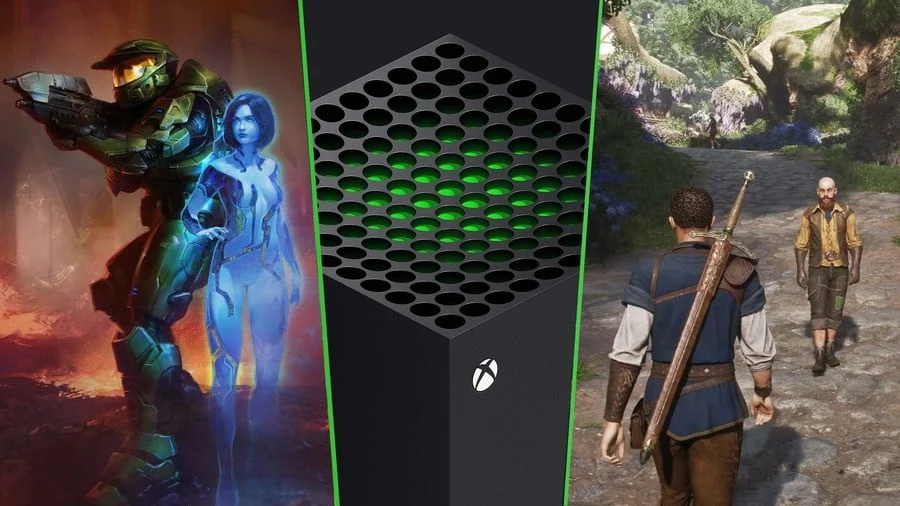
The gaming industry enters 2026 with a robust release calendar that signifies a pivotal moment for the Xbox Series X and Series S hardware cycle. As the platform enters its sixth year on the market, the library of titles is transitioning from cross-generational bridges to experiences that fully leverage the Velocity Architecture and high-speed SSD capabilities of the ninth-generation consoles. Microsoft’s strategy for the year focuses on a blend of high-profile first-party exclusives, strategic third-party partnerships, and a significant expansion of the Xbox Game Pass subscription service. This April update to the 2026 forecast reflects a shifting landscape, where several anticipated projects have finalized their launch windows while others have been adjusted to meet the high technical standards expected by modern audiences.
The year 2026 is projected to see hundreds of releases across the Xbox ecosystem, but industry analysts and enthusiasts have narrowed the field to a core group of 30 titles that represent the vanguard of innovation and entertainment. These games range from high-budget "AAA" blockbusters to highly creative "AA" and independent projects that push the boundaries of narrative and visual design. The following analysis examines the most significant titles currently scheduled for the remainder of the year, incorporating official developer descriptions, industry context, and the broader implications for the Xbox platform.
The Evolution of the Roguelike and Narrative Adventure
One of the most anticipated titles of the year is Supergiant Games’ Hades 2. Following the massive success of its predecessor, which redefined the roguelike genre through its integration of deep narrative and high-speed combat, the sequel aims to expand the mythology of the Underworld. Players will battle beyond the Underworld using dark sorcery to take on the Titan of Time in a sequel that Supergiant describes as a "bewitching" experience. The inclusion of Hades 2 in the 2026 lineup is a significant win for Xbox, as the genre continues to see high engagement levels on the platform, particularly within the Game Pass community.
Parallel to the action-heavy roguelikes, the narrative adventure genre is seeing a resurgence in stylistic diversity. Tides of Tomorrow, developed by the creators of the acclaimed Road 96, introduces a "plasticpunk" world where player choices have communal consequences. The game features a unique asynchronous multiplayer element where the decisions of one player can shape the story for others. This social narrative mechanic represents a growing trend in game design where individual experiences are woven into a larger, collective tapestry of storytelling.
Visual Innovation and the Retro-Futuristic Aesthetic
The aesthetic direction of 2026 titles shows a marked interest in "retro-futurism" and vintage art styles. Sad Cat Studios’ Replaced stands as a primary example. Set in an alternate 1980s America, this 2.5D sci-fi action platformer utilizes a distinct pixel-art style combined with modern lighting effects. The game casts players as R.E.A.C.H., an artificial intelligence trapped in a human body. After facing several development delays related to the geopolitical situation in Ukraine, the game’s 2026 release is highly anticipated as a testament to the studio’s resilience and artistic vision.
In a similar vein of visual distinctiveness, MOUSE: P.I. For Hire utilizes the "rubber-hose" animation style of the 1930s. Much like Cuphead before it, MOUSE focuses on hand-drawn, frame-by-frame visuals, but applies them to the first-person shooter genre. This noir-fueled detective story features a big band jazz soundtrack and a satirical take on classic cartoons, highlighting a trend where developers use nostalgia to create fresh, jarringly unique gameplay experiences.
Genre Diversity: From Cosmic Horror to High-Fantasy Brawlers
The Xbox 2026 lineup is notable for its breadth of genres. For fans of atmospheric tension and the occult, Cthulhu: The Cosmic Abyss offers a Lovecraftian thriller set in a non-responsive mining station in the Pacific. The game emphasizes the fragility of human sanity when confronted with cosmic horrors, a staple of the Lovecraftian sub-genre that continues to find a dedicated audience on Xbox hardware.
Capcom’s Pragmata also remains a focal point of the 2026 calendar. As a new intellectual property from the legendary Japanese publisher, the game follows protagonists Hugh and his android companion Diana on a lunar research station. While Capcom has been tight-lipped about specific mechanics, the visual fidelity showcased in early trailers suggests a benchmark title for the Series X hardware.
For those seeking more traditional arcade-style action, He-Man and the Masters of the Universe: Dragon Pearl of Destruction brings the iconic 1980s franchise to modern consoles. Developed as a fast-paced "magic-brawler," the title allows players to control He-Man, Man-At-Arms, and Teela. This project follows a successful trend of revitalizing classic intellectual properties through polished, modern "beat-’em-up" mechanics, similar to the recent success of the Teenage Mutant Ninja Turtles and Streets of Rage revivals.
Technical Milestones and Release Adjustments
The April update to the 2026 release schedule has seen several adjustments, most notably for the space exploration title Aphelion. Described as an emotional tale of love and resilience, Aphelion tasks players with surviving on an uncharted planet after a crash landing. The game’s shift in release timing reflects a broader industry move toward ensuring stability and performance on the Xbox Series S, which requires careful optimization to maintain parity with its more powerful sibling, the Series X.
Other titles making waves in the mid-year update include:

- Vampire Crawlers: A turn-based deckbuilder with roguelite elements that attempts to capture the "one-more-run" addictive quality of Vampire Survivors but with a tactical, card-based twist.
- Kiln: A creative multiplayer title where players sculpt ceramic creations on a pottery wheel, which then serve as the physical bodies for their spirits in arena-based combat. This emphasis on user-generated physics and creative construction highlights the versatility of modern game engines.
Industry Chronology: Mapping the Year Ahead
The 2026 release cycle can be divided into four strategic quarters:
- Q1 (January – March): This period saw the launch of several "AA" titles and the initial wave of Game Pass additions that set the tone for the year.
- Q2 (April – June): The current window, characterized by the "April adjustment," where developers are refining dates for the competitive autumn season. This quarter is also expected to see major announcements during the traditional mid-year showcases.
- Q3 (July – September): Often a quieter period for retail, this window is increasingly being used by independent developers to launch experimental titles like Kiln and Tides of Tomorrow without the noise of major blockbuster releases.
- Q4 (October – December): The primary window for major IP launches, including Pragmata and the high-fantasy brawlers, aimed at the holiday shopping corridor.
The Role of Xbox Game Pass in 2026
A critical component of the 2026 software landscape is the Xbox Game Pass service. Microsoft has maintained its commitment to bringing all first-party titles to the service on day one, a strategy that has significantly altered consumer behavior. For 2026, the service acts as a discovery engine for titles like Replaced and MOUSE: P.I. For Hire, which might otherwise struggle in a crowded retail environment.
Internal data from Microsoft suggests that Game Pass subscribers play 40% more games and explore 30% more genres than non-subscribers. This ecosystem allows developers to take greater creative risks, knowing there is a built-in audience of over 30 million subscribers ready to download and test new concepts. The "30 Games to Look Forward To" list heavily features titles that are confirmed for or rumored to be joining the service, reinforcing its status as the central pillar of the Xbox brand.
Broader Impact and Market Implications
The strength of the 2026 lineup is essential for Microsoft as it navigates the latter half of the console generation. Competitive pressure from Sony’s PlayStation 5 and the rumored emergence of new Nintendo hardware means that software remains the primary differentiator. By securing a diverse array of titles—ranging from the high-fidelity lunar exploration of Pragmata to the hand-drawn noir of MOUSE—Xbox is positioning itself as the most versatile platform for various player demographics.
Furthermore, the focus on "Series X|S Optimized" titles indicates that the industry has finally moved past the "cross-gen" era. Developers are no longer constrained by the hardware limitations of the Xbox One, allowing for more complex AI, larger environments, and more sophisticated physics engines as seen in titles like Kiln.
In conclusion, the 2026 Xbox calendar is more than just a list of games; it is a reflection of a mature console generation hitting its stride. The blend of nostalgic revivals, innovative indie projects, and high-budget spectacles ensures that the platform remains a competitive force in the global gaming market. As the year progresses and the monthly updates continue to refine the schedule, the Xbox Series X and Series S are poised to deliver one of their most significant years of content to date.