


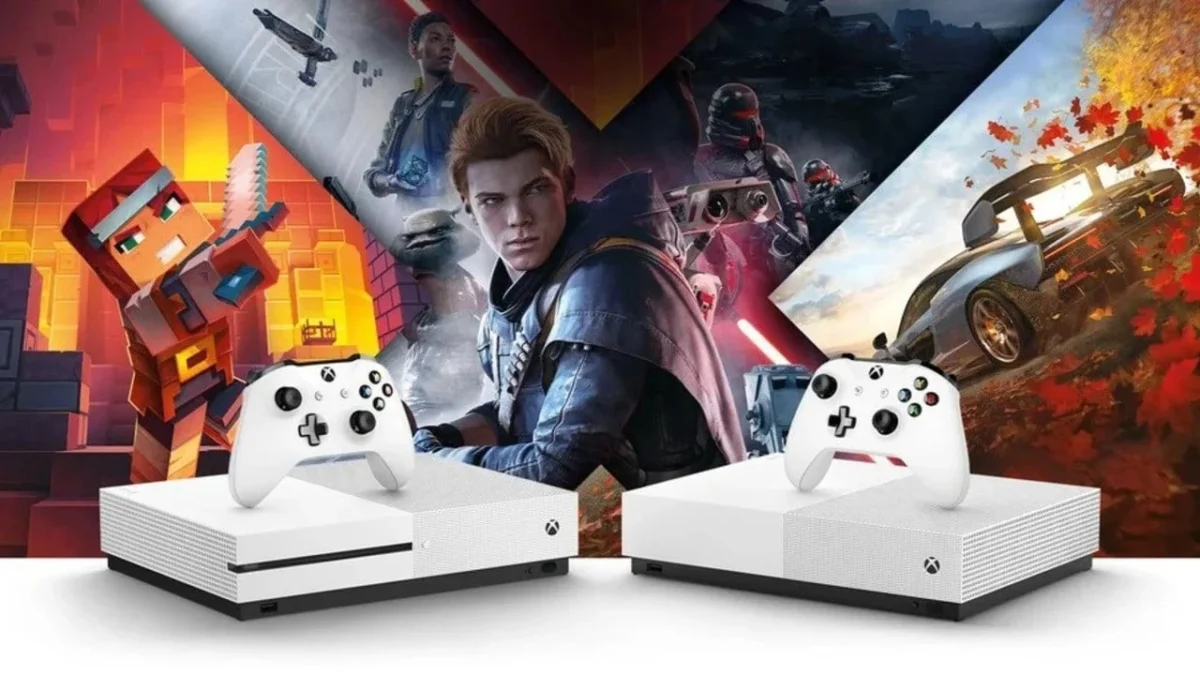
The question of hardware longevity has become a central pillar of the video game industry as Microsoft’s Xbox brand approaches its twenty-fifth anniversary, prompting a rigorous evaluation of which console generation has most effectively withstood the passage of time. Since the original Xbox debuted in November 2001, the brand has navigated dramatic shifts in consumer expectations, technological capabilities, and digital distribution models. To determine which Xbox console has aged the best, one must weigh factors such as hardware reliability, software preservation, and the continued relevance of the ecosystem in an era increasingly dominated by cloud computing and subscription services.
The Evolution of the Xbox Ecosystem (2001–2026)
The trajectory of the Xbox brand is marked by four distinct generations, each introducing innovations that redefined the industry. The original Xbox (2001) introduced the built-in hard drive and the robust Xbox Live online service. The Xbox 360 (2005) popularized high-definition gaming, digital marketplaces, and unified social features like Party Chat and Achievements. The Xbox One (2013) transitioned the brand toward an x86 architecture and eventually birthed Xbox Game Pass, while the Xbox Series X|S (2020) focused on high-speed SSD storage and backward compatibility.
In 2026, the criteria for "aging well" have shifted. While older consoles were once judged solely on their library of exclusive titles, modern metrics now include how well those systems integrate with current digital infrastructures and whether their physical components remain functional decades after manufacture.
The Original Xbox: A Foundation of Innovation and Community Restoration
The original Xbox, powered by an Intel Pentium III processor and an NVIDIA NV2A GPU, was a powerhouse of its era. However, in a contemporary context, its aging process is complex. On a hardware level, the original Xbox faces significant hurdles; the "clock capacitor" issue, where a specific component is prone to leaking and damaging the motherboard, has become a well-documented concern for collectors. Furthermore, the official Xbox Live servers for the original console were decommissioned in April 2010, rendering the system’s online-centric library largely dormant for over a decade.
Despite these setbacks, the original Xbox has seen a resurgence through community-driven preservation efforts. The third-party service Insignia has recently reached a milestone of supporting over 200 games for the original Xbox, effectively recreating the Xbox Live experience through reverse-engineered servers. This restoration has allowed titles like Halo 2 and Splinter Cell: Pandora Tomorrow to be played online once again, significantly slowing the "aging" process for the 2001 hardware. Nevertheless, the reliance on third-party workarounds highlights the system’s inherent obsolescence in the eyes of the original manufacturer.
The Xbox 360: The Paradox of Physical Longevity and Digital Loss
The Xbox 360 is frequently cited as the peak of the brand’s cultural influence, having sold over 84 million units globally. Its aging process is defined by a stark contrast between its physical and digital legacies. As of July 2024, Microsoft officially closed the Xbox 360 Marketplace, preventing users from purchasing new digital content on the legacy hardware. This shutdown marked a turning point in how the system is perceived; while it remains a functional piece of hardware, its ecosystem is now effectively frozen.
However, the Xbox 360 possesses a distinct advantage in the realm of physical media. It was the last Microsoft console designed to run games directly from a disc without mandatory installations or "day-one" patches for basic functionality. For purists and preservationists, this makes the Xbox 360 one of the most resilient consoles in history. As long as the disc drive remains functional, the vast majority of its 2,000+ game library remains accessible, regardless of server status or licensing agreements. This "plug-and-play" nature contrasts sharply with modern systems that require constant internet handshakes.
The Xbox One: The Surprising Resilience of a 13-Year-Old Platform
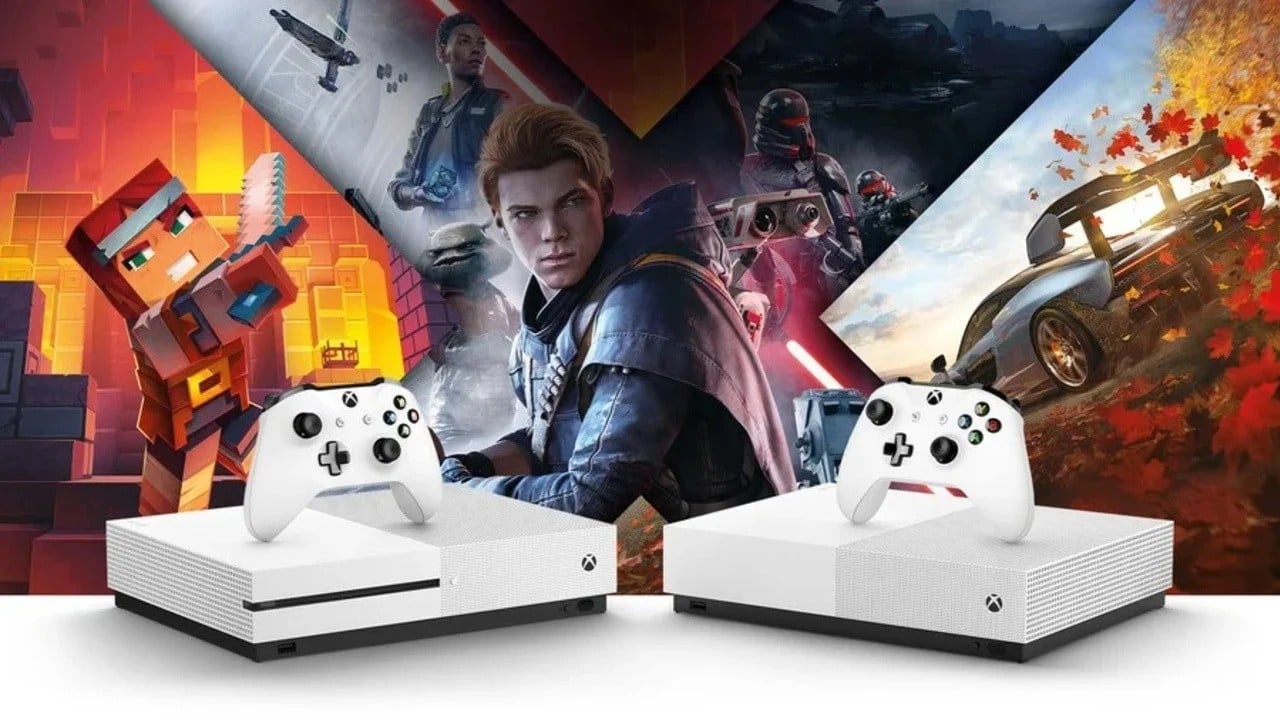
Though the Xbox One faced a tumultuous launch in 2013 due to controversies surrounding its initial "always-online" requirements and Kinect integration, it has arguably aged better than any of its predecessors. By 2026, the Xbox One has demonstrated a level of longevity that few predicted at the start of the eighth generation.
A primary driver of this longevity is the console’s continued software support. Even 13 years after its debut, the Xbox One remains a viable platform for new releases, often seeing upwards of ten new titles added to its store every week. This is largely due to the scalability of modern game engines and the "cross-gen" development philosophy adopted by many indie and mid-tier publishers.
Furthermore, Microsoft’s integration of Xbox Cloud Gaming (Project xCloud) has effectively bypassed the hardware limitations of the base Xbox One. By streaming games from Series X-based server blades, Xbox One owners can play technically demanding titles like Microsoft Flight Simulator or Starfield—games that the 2013 hardware could never run natively. According to internal Xbox data from late 2025, cloud gaming usage among console users rose by 45%, with a significant portion of that growth attributed to users on older hardware extending the life of their machines.
Comparative Analysis of Hardware Reliability
| Feature | Original Xbox | Xbox 360 | Xbox One |
|---|---|---|---|
| Primary Media | DVD / HDD | DVD / Digital | Blu-ray / Digital / Cloud |
| Online Status | Decommissioned (Official) | Marketplace Closed | Fully Active |
| Hardware Risk | High (Capacitors/HDD) | High (Red Ring of Death) | Low (Mechanical Drive) |
| Modern Utility | Retro Gaming | Physical Collection | Cloud/Service Hub |
From a reliability standpoint, the Xbox One also benefits from a shift in manufacturing standards. While the Xbox 360 was plagued by the "Red Ring of Death" (RROD) failure in its early years—costing Microsoft over $1 billion in warranty repairs—the Xbox One was over-engineered to ensure cooling efficiency. Consequently, base Xbox One units and the later Xbox One S and One X models have shown significantly lower failure rates over a decade of use compared to the 360 at the same point in its lifecycle.

The Impact of Backward Compatibility and the Unified Ecosystem
The aging of Xbox hardware cannot be discussed without acknowledging the role of backward compatibility. Microsoft’s decision to make hundreds of Xbox 360 and original Xbox games playable on Xbox One and Series X|S has fundamentally changed the value proposition of the older consoles. In many ways, the Xbox 360 has aged "better" because its games are playable on modern hardware with improved resolution and frame rates, yet the original hardware itself becomes less necessary.
Conversely, the Xbox One serves as a bridge. It is the oldest hardware that still feels "modern" in its user interface and feature set. It supports the same social systems, achievements, and storefront as the Series X|S. For a budget-conscious consumer in 2026, an Xbox One S remains a functional media center and gaming hub that supports Netflix, Disney+, and the latest Game Pass entries via the cloud, making it the most versatile "aged" console in the lineup.
Official Responses and Strategic Implications
Microsoft’s leadership, including Xbox President Sarah Bond, has recently emphasized the importance of a dedicated team focused on game preservation and forward-compatibility. This strategy suggests that the company views its hardware legacy not as a series of disconnected boxes, but as a continuous platform.
Industry analysts suggest that this "ecosystem-first" approach has mitigated the traditional obsolescence of gaming hardware. "In previous generations, a console was effectively dead the moment its successor launched," notes a report from the 2025 Gaming Trends Summit. "With the Xbox One, we are seeing a ‘long tail’ of utility that defies historical trends. The hardware has aged gracefully because the software environment has evolved to support it, rather than abandon it."
Conclusion: Determining the Winner
When evaluating which Xbox console has aged the best, the answer depends on the definition of "aging." If the criteria are based on the purity of the gaming experience and the preservation of physical media, the Xbox 360 remains the standard-bearer. Its library is vast, and its independence from the cloud ensures its survival as long as the hardware holds out.
However, if "aging well" is defined by continued utility, accessibility, and relevance in the current market, the Xbox One is the clear victor. Despite its age, it remains a "live" console in 2026, supported by a constant stream of new software and empowered by cloud technology to play games far beyond its original specifications. It has transitioned from a controversial launch to a resilient workhorse, proving that in the modern era, software ecosystems and cloud integration are the most effective tools against the inevitable march of hardware obsolescence. As the Xbox brand moves toward its next quarter-century, the lessons learned from the longevity of the Xbox One will likely dictate the design of all future Microsoft hardware.