


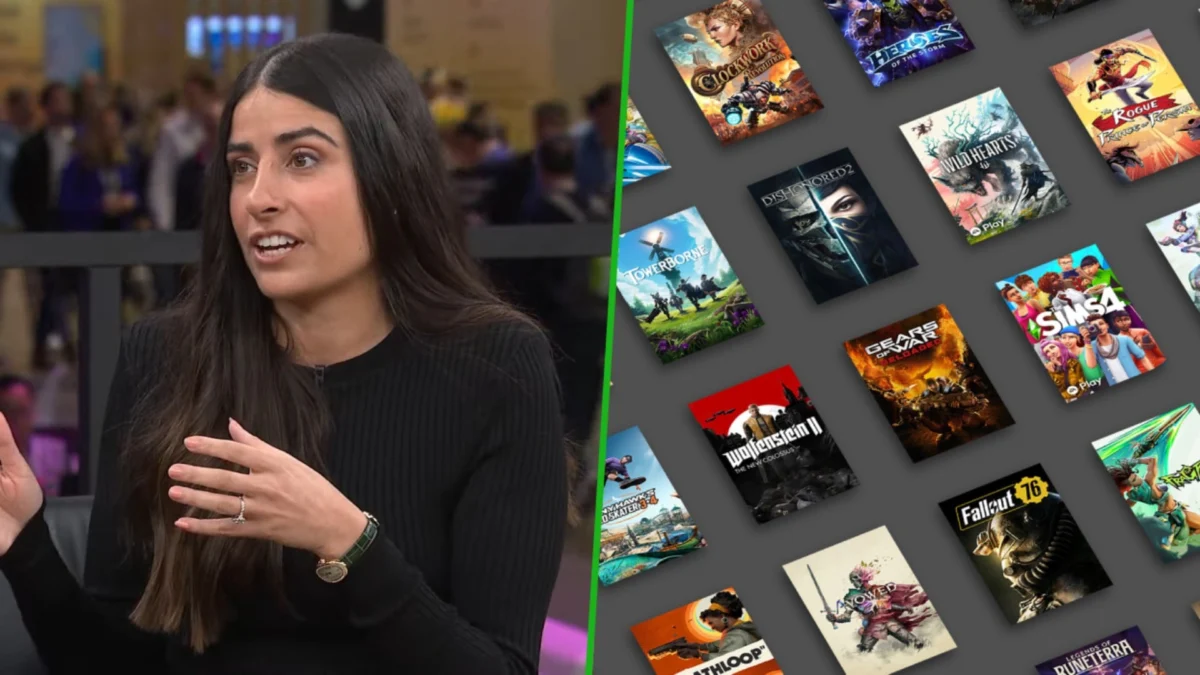
In a significant internal communication that has recently come to light, Asha Sharma, the newly appointed Microsoft Gaming CEO and head of Xbox, has addressed the growing concerns regarding the sustainability and consumer accessibility of the Xbox Game Pass (XGP) service. According to a leaked internal memo first reported by The Verge, Sharma admitted to employees that the current iteration of the subscription model has become "too expensive" for the average consumer and lacks the "value equation" necessary for long-term dominance in the interactive entertainment market. This admission marks a notable shift in rhetoric for the tech giant, which has historically defended its incremental price increases as necessary for the expansion of its content library.
The memo, which circulated within Microsoft Gaming circles before being verified by industry analysts, suggests that the leadership team is currently reevaluating the fundamental structure of Game Pass. Sharma explicitly stated that the current model is "not the final one," signaling a period of experimentation and structural evolution aimed at creating a more "flexible system" for global players. While the memo does not outline immediate price cuts, it establishes a strategic roadmap where the "value equation"—the balance between subscription costs and the perceived worth of the library—takes center share in the company’s decision-making process.
A Chronological Overview of Game Pass Pricing and Strategy
To understand the context of Sharma’s comments, it is essential to trace the trajectory of Xbox Game Pass since its inception. Launched on June 1, 2017, the service was initially positioned as the "Netflix for Games," offering a library of over 100 titles for a monthly fee of $9.99. For several years, Microsoft focused aggressively on subscriber acquisition, often offering promotional periods where new users could join for as little as $1.
The strategy shifted in 2019 with the introduction of Xbox Game Pass Ultimate, which bundled console play, PC play, and Xbox Live Gold for $14.99. This tier became the flagship offering, eventually absorbing the "Gold" brand entirely in 2023 when Microsoft transitioned Xbox Live Gold into "Game Pass Core." However, as Microsoft’s investment in first-party content grew—most notably through the $7.5 billion acquisition of ZeniMax Media and the monumental $68.7 billion acquisition of Activision Blizzard—the financial pressure to increase Average Revenue Per User (ARPU) intensified.
In July 2024, Microsoft implemented its most controversial price hike to date. The price of Game Pass Ultimate rose from $16.99 to $19.99 per month, while PC Game Pass increased from $9.99 to $11.99. Perhaps more significantly, Microsoft introduced a new "Standard" tier for console users that excluded day-and-date releases of first-party titles, a feature that had previously been the primary selling point of the service. These changes sparked a wave of consumer backlash, with many users and industry commentators arguing that the service was beginning to lose its competitive edge against traditional purchasing models.
The Impact of the Activision Blizzard Acquisition
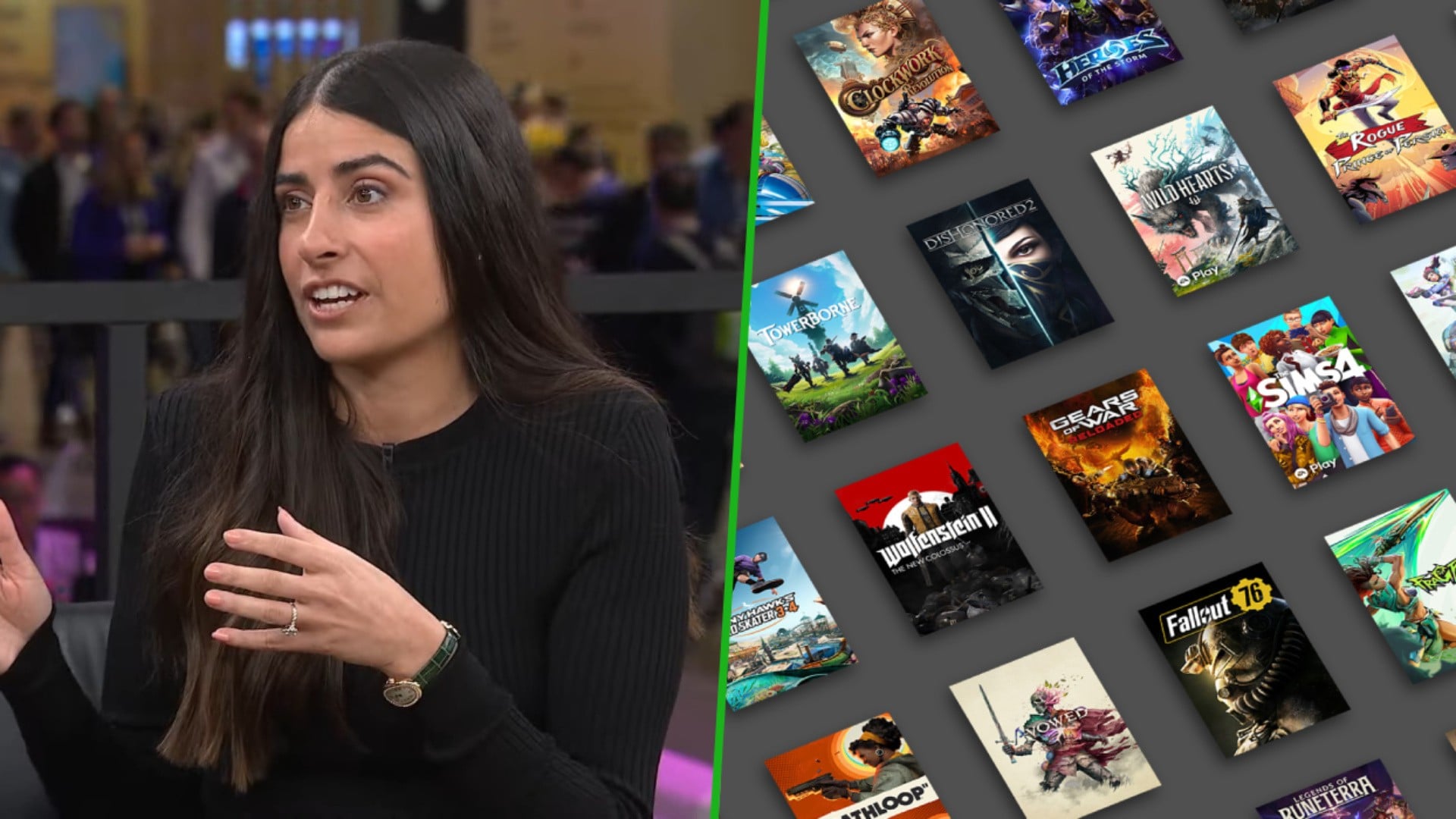
The integration of Activision Blizzard’s massive portfolio has proven to be a double-edged sword for Microsoft’s subscription strategy. While titles like Call of Duty: Black Ops 6 provided a massive surge in day-and-date engagement, the sheer cost of including such high-value intellectual property in a subscription service without additional charge has strained the traditional $20-a-month model.
Industry reports suggest that the 2024 price increases were directly influenced by the need to offset the potential loss of "premium" sales from the Call of Duty franchise. Internal data indicates that while Black Ops 6 drove record-breaking subscriber growth in the short term, the long-term sustainability of placing a $70 game in a subscription service on launch day remains a point of contention within Microsoft’s finance departments. Rumors have even circulated, supported by Windows Central’s Jez Corden, that Microsoft is considering withholding the 2026 Call of Duty entry from Game Pass entirely to maximize direct sales revenue, further complicating the "value equation" Sharma referenced in her memo.
Analyzing the "Flexible System" and Future Value Models
Sharma’s mention of a "more flexible system" suggests that Microsoft may be looking toward a tiered or modular approach to gaming subscriptions. Analysts point to several potential avenues for this evolution:
- Ad-Supported Tiers: Following the lead of streaming giants like Netflix and Disney+, Microsoft has reportedly explored the possibility of a lower-cost, ad-supported tier of Game Pass. This would allow players to access the library at a reduced price point in exchange for viewing advertisements before or during gameplay sessions.
- Mobile-Only Subscriptions: With the recent launch of the Xbox mobile store and the push toward cloud gaming, a dedicated mobile-centric subscription could capture a massive audience that does not own traditional console hardware.
- Family and Shared Plans: Despite a limited pilot program in select regions like Ireland and Colombia, a global "Family Plan" has yet to materialize. Implementing a shared household model could significantly improve the perceived value for multi-user homes.
- A La Carte Content Access: Flexibility could also manifest as "Game Pass Lite" options, where users pay for specific genres or publisher-specific bundles (e.g., a "Bethesda Pass" or "Activision Pass") at a lower entry cost than the full Ultimate subscription.
Comparative Market Context and Competitive Pressure
Microsoft’s pivot comes at a time when its primary competitor, Sony Interactive Entertainment, has found success with its revamped PlayStation Plus tiers (Essential, Extra, and Premium). While Sony generally avoids putting its massive first-party "tentpole" titles on the service on day one, the tiered approach has allowed it to maintain a steady revenue stream without the same level of pricing volatility seen in the Xbox ecosystem.
Furthermore, the broader subscription market is experiencing "subscription fatigue." Recent consumer surveys indicate that the average household is scaling back on monthly recurring costs as inflation affects discretionary spending. For a service like Game Pass to remain viable, it must compete not just with other gaming services, but with the combined cost of Netflix, Spotify, and Amazon Prime. Sharma’s admission that the service has become "too expensive" is a direct acknowledgment of this macroeconomic reality.
Potential Implications for the Xbox Ecosystem
If Sharma’s long-term vision of a more flexible and affordable Game Pass comes to fruition, it could redefine the relationship between hardware and software in the gaming industry. Microsoft has already begun distancing itself from the "console war" narrative, focusing instead on bringing Xbox to "every screen." A more affordable entry point to Game Pass would be the primary catalyst for this "Xbox Everywhere" strategy.

However, the transition to this new model will likely involve "testing and learning," as noted in the memo. This implies that subscribers may see a period of trial-and-error, where different pricing structures and content delivery methods are rolled out in specific markets. The risk for Microsoft lies in alienating its core "Ultimate" subscriber base if the perceived value of the top-tier service is diluted by these new, more flexible options.
Industry Reactions and the Road Ahead
The reaction from the gaming community and industry analysts to Sharma’s comments has been cautiously optimistic. While many are pleased to see an executive acknowledge that pricing has reached a breaking point for some consumers, there remains skepticism regarding how Microsoft will balance "affordability" with the need to satisfy shareholders after the multi-billion dollar Activision acquisition.
"The admission that Game Pass is too expensive is a rare moment of corporate transparency," said one senior analyst at a leading tech consultancy. "But the challenge remains: how do you deliver $300 million AAA games on day one for a price that feels like a bargain to the consumer, while still turning a profit? That is the ‘value equation’ Sharma has to solve."
As Microsoft continues to integrate its various studio acquisitions and refine its cloud infrastructure, the evolution of Game Pass will remain the most watched story in the industry. For now, Asha Sharma’s memo serves as a signal to both employees and the public that the status quo is not sustainable, and that the future of Xbox will depend on its ability to adapt to a more price-sensitive global market.
While no immediate changes have been announced, the "long-term" evolution mentioned by the CEO suggests that the next two years will be a transformative period for the service. Microsoft is expected to provide further clarity on its subscription roadmap during its next major quarterly earnings call and its annual summer showcase, where the balance between premium content and accessible pricing will undoubtedly be under the microscope.