


The second weekend of April 2026 marks a significant transitional period for the interactive entertainment industry, characterized by a shift in consumer engagement patterns and a diverse array of software releases across the Xbox ecosystem. As the initial surge of spring releases begins to stabilize, Microsoft’s subscription service, Xbox Game Pass, has introduced a curated selection of titles aimed at maintaining high engagement levels during the mid-month period. This strategic deployment of content coincides with a notable shift in regional weather patterns across the United Kingdom and Northern Europe, where a decrease in ambient temperatures and a cessation of early-season warmth have historically correlated with an uptick in digital concurrency and home-based media consumption.
The Strategic Expansion of Xbox Game Pass in Q2 2026
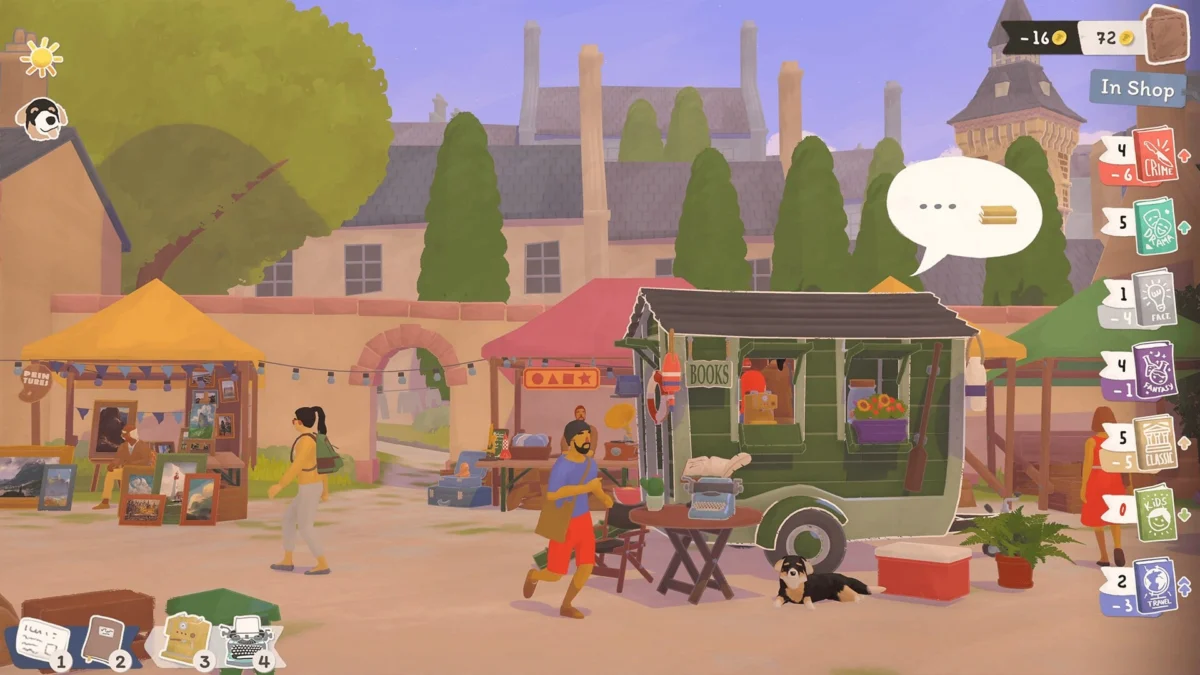
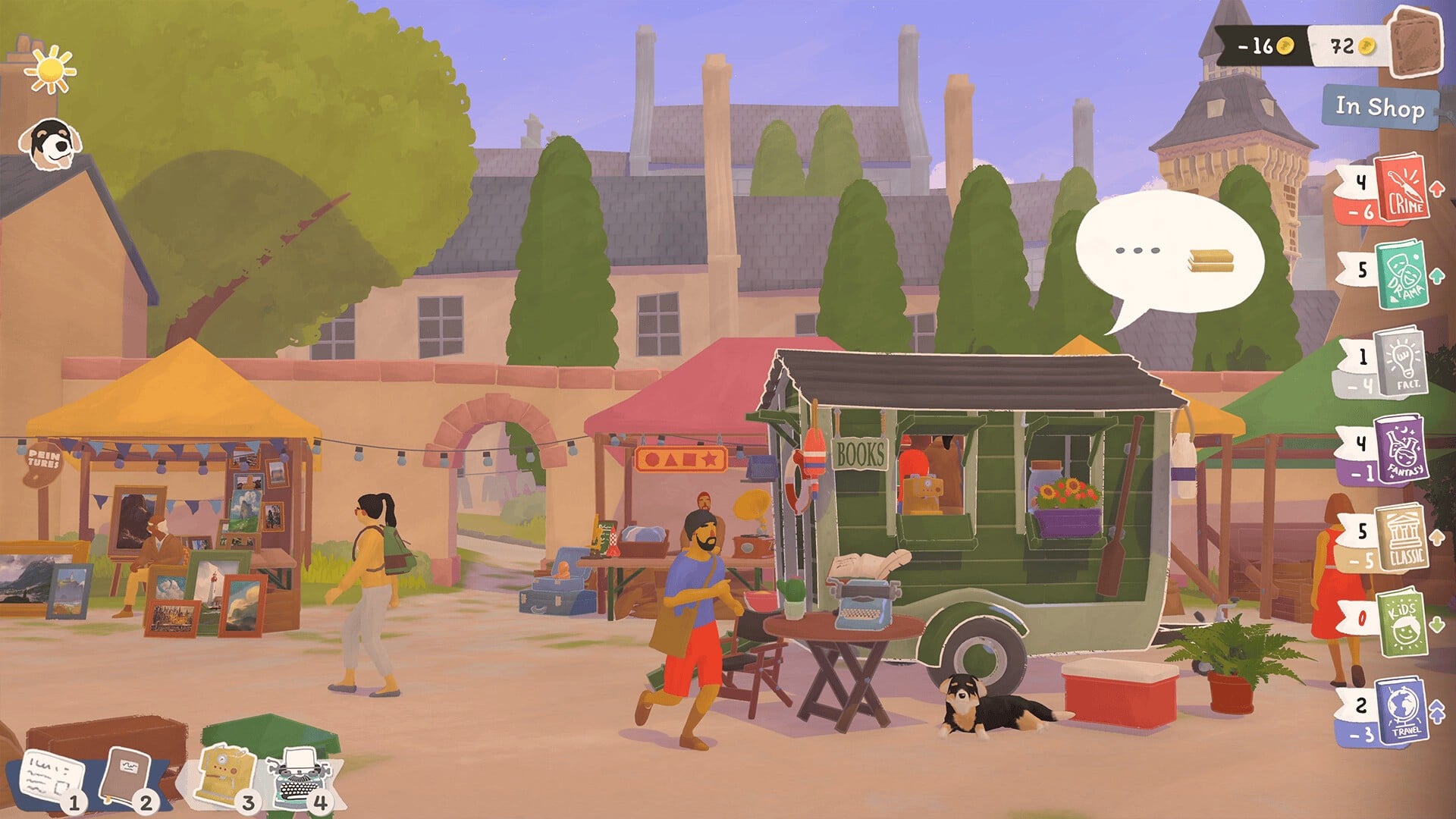
The mid-April update for Xbox Game Pass is headlined by the arrival of Tiny Bookshop, a title that exemplifies the growing industry trend toward "cozy" simulation and management games. Developed with an emphasis on low-stress gameplay and narrative-driven progression, Tiny Bookshop allows players to manage a mobile bookstore, focusing on community interaction and inventory curation. The inclusion of this title on Game Pass from its launch window represents Microsoft’s continued commitment to diversifying its portfolio beyond traditional high-octane genres, catering to a demographic that prioritizes relaxation and creative agency.
Industry data suggests that the "cozy gaming" sector has seen a 22% year-over-year increase in engagement since 2024, with titles like Tiny Bookshop serving as critical retention tools for subscription services. By providing a low barrier to entry for indie titles, Microsoft facilitates a discovery-based ecosystem where smaller developers can achieve commercial viability through the Game Pass stipend and performance-based bonuses, while subscribers benefit from a revolving door of experimental content.
Forza Horizon 6 and the State of the Open-World Racing Genre
Perhaps the most significant development in the Xbox ecosystem this month is the commencement of the Forza Horizon 6 preview phase. Developed by Playground Games, the Forza Horizon franchise has long been the gold standard for open-world racing, and the sixth iteration is currently undergoing rigorous media and technical testing ahead of its projected mid-May 2026 release date. Early reports from industry testers indicate that the title pushes the boundaries of current-generation hardware, utilizing advanced photogrammetry and real-time ray-tracing to simulate diverse environments with unprecedented fidelity.
The "road trip" aesthetic that defined previous entries has been refined in Forza Horizon 6, with a focus on seamless connectivity and a dynamic world that reacts to player choices. The preview cycle is a critical component of Microsoft’s marketing strategy, generating organic interest through media coverage while allowing for final-stage balancing. Analysts predict that Forza Horizon 6 will be a primary driver for Xbox Series X hardware sales in the second half of 2026, particularly as the racing genre sees increased competition from multi-platform titles such as Sonic Racing: CrossWorlds.
Cross-Platform Competition and the Emergence of New Hardware
The gaming landscape in April 2026 is also being shaped by the recent introduction of the Nintendo Switch 2. The release of Sonic Racing: CrossWorlds on this platform highlights the intensifying competition in the arcade racing sub-genre. While Forza Horizon 6 targets the high-end simulation-lite market, Sonic Racing: CrossWorlds leverages the portability and updated technical specifications of Nintendo’s latest hardware to capture a broader, family-oriented audience.
The interplay between these platforms suggests a bifurcated market where consumers are increasingly willing to invest in multiple ecosystems to access specific experiences. The presence of high-profile SEGA titles on the Switch 2, while Microsoft maintains dominance in the realistic racing space, underscores a period of platform-specific specialization. This competitive environment forces developers to innovate more rapidly, as seen in the technical leaps between the previous generation of racing titles and the current 2026 offerings.
The Decennial Legacy of Quantum Break and the Remedy Connected Universe
April 2026 also serves as a significant milestone for Remedy Entertainment, marking the 10th anniversary of the release of Quantum Break. Originally launched in 2016 as an ambitious transmedia project for the Xbox One, Quantum Break combined traditional third-person combat with a high-budget live-action television series. While the game received a polarized reception at launch due to its experimental format, its reputation has undergone a significant critical reappraisal over the last decade.
The resurgence of interest in Quantum Break is largely attributed to the success of the "Remedy Connected Universe," which links the events of Alan Wake, Control, and Quantum Break through shared lore and metaphysical themes. As players revisit this 2016 exclusive, industry observers note the game’s enduring technical prowess, particularly its time-manipulation effects and narrative ambition. The 10-year anniversary has prompted a surge in digital downloads and Game Pass engagement for the title, proving the long-term value of original intellectual property within a digital library.
Simulation Software and Technical Accessibility: Planet Coaster 2
In addition to indie titles and AAA racers, the simulation genre continues to thrive with the inclusion of Planet Coaster 2 on Xbox Game Pass. Developed by Frontier Developments, the sequel builds upon the complex management systems of its predecessor while introducing enhanced water park features and more intricate customization tools. However, the title’s presence on Game Pass for both PC and console highlights an ongoing debate within the industry regarding user interface (UI) and control schemes.
While Frontier Developments has made significant strides in adapting mouse-and-keyboard interfaces for the Xbox controller, a substantial segment of the core simulation audience continues to prefer the precision of PC inputs. This technical divide is a focal point for developers who aim to achieve "parity of experience" across platforms. The performance data for Planet Coaster 2 in April 2026 will likely influence how future simulation titles are optimized for console hardware, potentially leading to more robust support for peripherals like keyboards and mice on the Xbox Series X/S.

Live Service Resilience: Call of Duty: Black Ops 7 and the Zombies Phenomenon
No analysis of the current gaming weekend would be complete without acknowledging the continued dominance of Call of Duty: Black Ops 7. The title’s latest seasonal event, which focuses on the highly popular "Zombies" cooperative mode, has maintained high concurrency levels since its release. The live-service model employed by Activision Blizzard—now a cornerstone of the Microsoft gaming division—relies on a constant stream of limited-time rewards and community challenges to prevent player attrition.
The Zombies mode, in particular, has evolved from a secondary feature into a standalone pillar of the franchise, with its own dedicated roadmap and narrative arc. The April 2026 event demonstrates the effectiveness of integrating narrative progression with gameplay incentives, ensuring that the title remains a staple of the weekend gaming routine for millions of users worldwide.
Broader Impact and Industry Implications
The events of this weekend in April 2026 reflect a broader stabilization of the gaming industry following the volatile years of the early 2020s. The synergy between legacy titles like Quantum Break, upcoming blockbusters like Forza Horizon 6, and niche indie experiences like Tiny Bookshop suggests a healthy, multi-tiered ecosystem. Microsoft’s strategy of leveraging Game Pass to bridge the gap between these different market segments appears to be yielding consistent results in terms of user engagement and brand loyalty.
As the industry looks toward the mid-year showcase season, the data gathered from this weekend’s activities will serve as a vital indicator of consumer sentiment. The preference for "cozy" experiences alongside high-fidelity racers and complex simulations indicates a sophisticated audience with diverse tastes. Furthermore, the continued relevance of 10-year-old software highlights the importance of preservation and backward compatibility in the digital era.
In conclusion, the April 11-12 weekend of 2026 is more than a simple period of leisure for gamers; it is a snapshot of an industry that has successfully integrated subscription-based distribution, cross-platform competition, and long-term franchise management. Whether through the lens of a mobile bookshop or the high-speed circuits of a digital racing festival, the diversity of the current Xbox lineup ensures that the platform remains a central hub for global interactive entertainment. As the industry moves closer to the full release of Forza Horizon 6, the current momentum suggests a strong trajectory for the remainder of the fiscal year.