


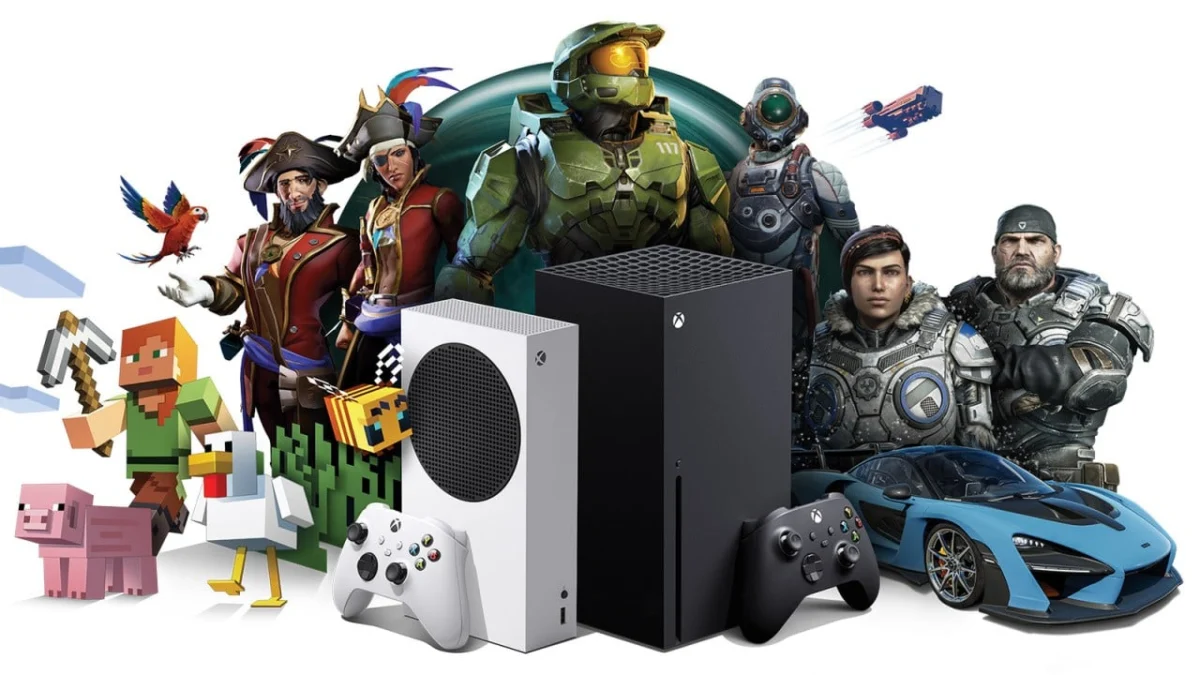
The rapid expansion of the Xbox ecosystem has created a unique challenge for new hardware owners in 2026, as the sheer volume of available content across the Xbox Series X, Xbox Series S, and the enduring Xbox One platform often leads to a phenomenon known as choice paralysis. With the 2026 Spring Sale currently offering deep discounts on over 140 backwards-compatible titles and Xbox Game Pass serving as the primary gateway for millions of subscribers, identifying the "essential" starting point has become a complex endeavor for those unacquainted with the brand’s history. As the industry moves further into the current generation, the distinction between platform exclusives and multi-platform availability has blurred, shifting the focus toward the curated experience of the Xbox interface and its deep catalog of legacy and modern titles.
The Evolution of the Xbox Entry Point
Since the launch of the Xbox Series X and Series S in late 2020, Microsoft has pivoted its strategy from a traditional console-centric model to a service-oriented ecosystem. By April 2026, this transition has matured, resulting in a library that spans four generations of gaming history. For a newcomer, the initial experience is no longer defined by a single "killer app" but by the cumulative value of the Xbox Game Pass Ultimate subscription. Industry analysts note that approximately 75% of new Xbox owners in 2025 and 2026 opted for a Game Pass subscription within the first 48 hours of console activation.
The current landscape is dominated by a mix of high-fidelity third-party releases, such as the trending Crimson Desert and EA Sports FC 26, alongside a robust portfolio of first-party titles from Xbox Game Studios, Bethesda Softworks, and Activision Blizzard. This diversity, while a strength, necessitates a structured approach for newcomers to fully appreciate the technical and narrative capabilities of their new hardware.
A Chronology of the Modern Xbox Ecosystem (2020–2026)
To understand the current recommendations, one must look at the timeline of the platform’s development over the last six years:
- November 2020: Launch of Xbox Series X and Series S, introducing Velocity Architecture and Quick Resume.
- 2021–2022: Integration of Bethesda Softworks following the ZeniMax acquisition, bringing titles like Starfield and the Fallout franchise into the first-party fold.
- 2023–2024: Completion of the Activision Blizzard acquisition, leading to the integration of the Call of Duty and Diablo franchises into the Game Pass service.
- 2025: A pivotal year for first-party releases, with 15 major internal projects reaching the market, diversifying the portfolio beyond the traditional "Big Three" (Halo, Gears, Fable).
- April 2026: The current Spring Sale highlights the longevity of the platform through extensive backwards compatibility support, reinforcing the "play anywhere" mantra.
The Core Recommendations: First-Party Pillars and New Standards
Historically, the Xbox brand was built on the foundations of Halo, Gears of War, and Fable. In 2026, these franchises remain essential, though they occupy a different space in the cultural zeitgeist. While the community awaits the next major entries in these series—specifically the highly anticipated Gears of War: E-Day and the Fable reboot—the existing catalog provides a necessary primer.
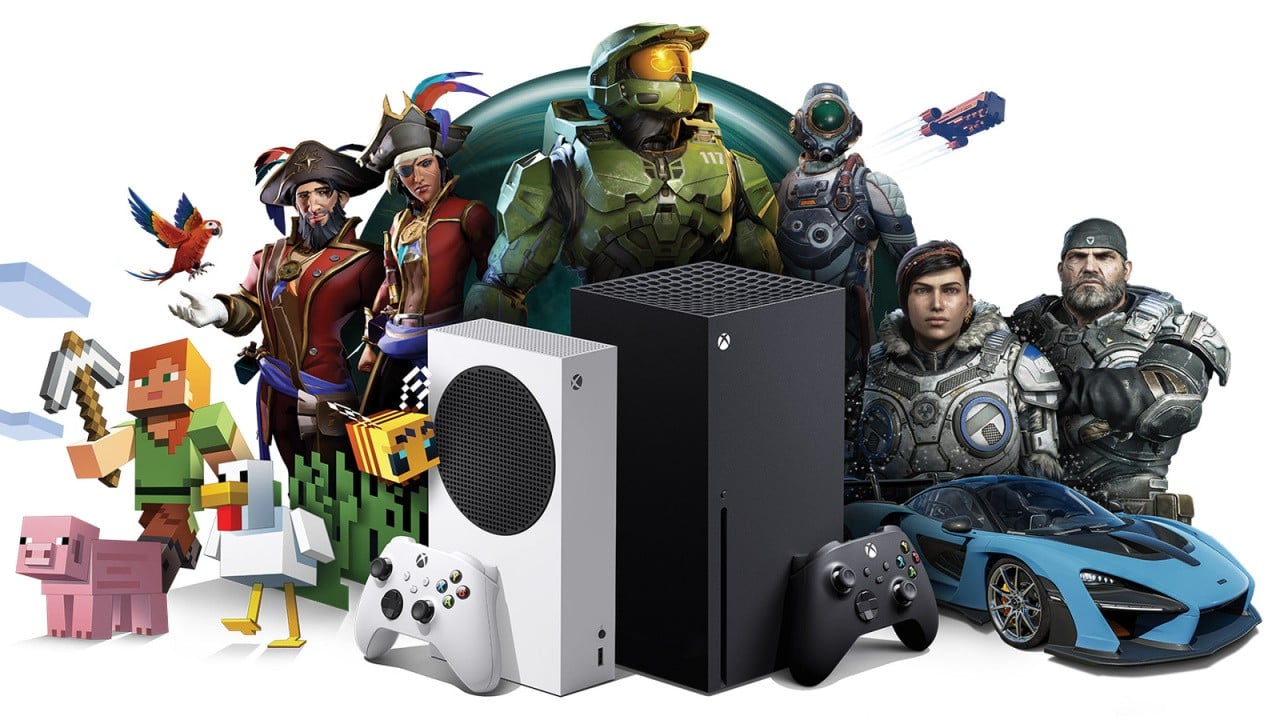
Halo Infinite continues to serve as a benchmark for first-person shooters on the platform, offering a refined multiplayer experience and an open-ended campaign that utilizes the Series X’s processing power. However, veteran users frequently suggest that newcomers look toward the "cult classics" to understand the brand’s experimental side. Titles like Ryse: Son of Rome, Sunset Overdrive, and Quantum Break are often cited as essential play-throughs. Despite their age, these games demonstrate the platform’s historical commitment to visual fidelity and unique narrative mechanics—Sunset Overdrive, in particular, remains a standout for its kinetic movement and vibrant art style.
The Shift in Exclusivity and First-Party Strategy
In 2026, the definition of an "Xbox game" has undergone a significant transformation. Microsoft’s recent strategy of releasing select first-party titles on competing platforms has led to a broader discussion regarding the value of the Xbox console itself. From a journalistic and analytical perspective, the value proposition has shifted from "exclusive content" to "exclusive access."
Xbox Game Pass remains the only platform where these first-party titles are available on day one as part of a subscription. For a newcomer, this means titles like Senua’s Saga: Hellblade II or the latest Forza Motorsport are accessible without the $70 USD entry fee associated with other platforms. This financial accessibility is a primary driver for the recommendations seen in community forums and expert reviews.
Technical Advantages: Backwards Compatibility and Performance
A significant factor for any first-time Xbox buyer is the hardware’s ability to enhance older software. The Xbox Series X, with its robust backwards compatibility layer, offers features such as Auto HDR, FPS Boost, and significantly reduced load times via the NVMe SSD.
The 2026 Spring Sale has highlighted over 140 backwards-compatible titles that are considered "essential" for those wishing to explore the history of the medium. Games from the original Xbox and Xbox 360 eras, such as Red Dead Redemption or the original Splinter Cell series, run at higher resolutions and more stable frame rates on modern Xbox hardware than on their native consoles. This technical overhead makes the Xbox ecosystem the preferred choice for preservationists and new players interested in gaming history.
Market Data and Consumer Trends
Current market data for the second quarter of 2026 indicates that "Top Paid" charts are currently led by:

- Crimson Desert: A showcase of high-end graphical features and open-world density.
- EA Sports FC 26: The perennial leader in sports simulation, benefitting from the Xbox’s social and competitive infrastructure.
- Call of Duty: Black Ops (Latest Iteration): Following the Activision acquisition, this franchise has become a cornerstone of the Game Pass "Ultimate" tier.
These trends suggest that while newcomers are drawn in by the promise of the Game Pass library, they continue to invest in high-fidelity third-party experiences. The Xbox Series X remains the preferred SKU for these "power users," while the Series S continues to capture the entry-level market, particularly for younger demographics and those primarily interested in digital services.
Analysis of Implications for the Gaming Industry
The "overwhelming" nature of the Xbox library in 2026 is a deliberate result of Microsoft’s "omnichannel" gaming strategy. By providing a massive influx of content, the company has successfully moved away from the "hit-or-miss" nature of individual console generations. The implication for the industry is a move toward long-tail engagement. A newcomer in 2026 isn’t just buying a console for the games of 2026; they are buying into a library that spans 25 years.
This approach has forced competitors to re-evaluate their own subscription models and backwards compatibility policies. The "Xbox-specific newcomer" is now a consumer who values choice and historical access over the traditional walled-garden approach. This shift is reflected in the community recommendations, which often prioritize "value-per-hour" and "variety" over single-player cinematic exclusives.
Conclusion: Navigating the Ecosystem
For the individual entering the Xbox ecosystem today, the recommendation is rarely a single game, but rather a methodology of exploration. The consensus among analysts and long-term players suggests a three-pronged approach for the 2026 newbie:
- Subscribe to Game Pass Ultimate: To sample the breadth of the first-party portfolio without a massive upfront investment.
- Explore the "Big Three" Foundations: Engage with Halo, Gears, and Fable to understand the brand’s DNA.
- Leverage Backwards Compatibility: Utilize the Spring Sale and the platform’s technical features to play definitive versions of classic titles.
As the Xbox platform continues to evolve, the distinction between "new" and "old" games becomes less relevant than the quality of the experience and the ease of access. For the first-time buyer in 2026, the challenge is not finding something to play, but deciding which of the hundreds of high-quality options to experience first. The ecosystem has transitioned from a simple hardware purchase into a comprehensive digital archive, supported by modern technology and a service-first philosophy.