


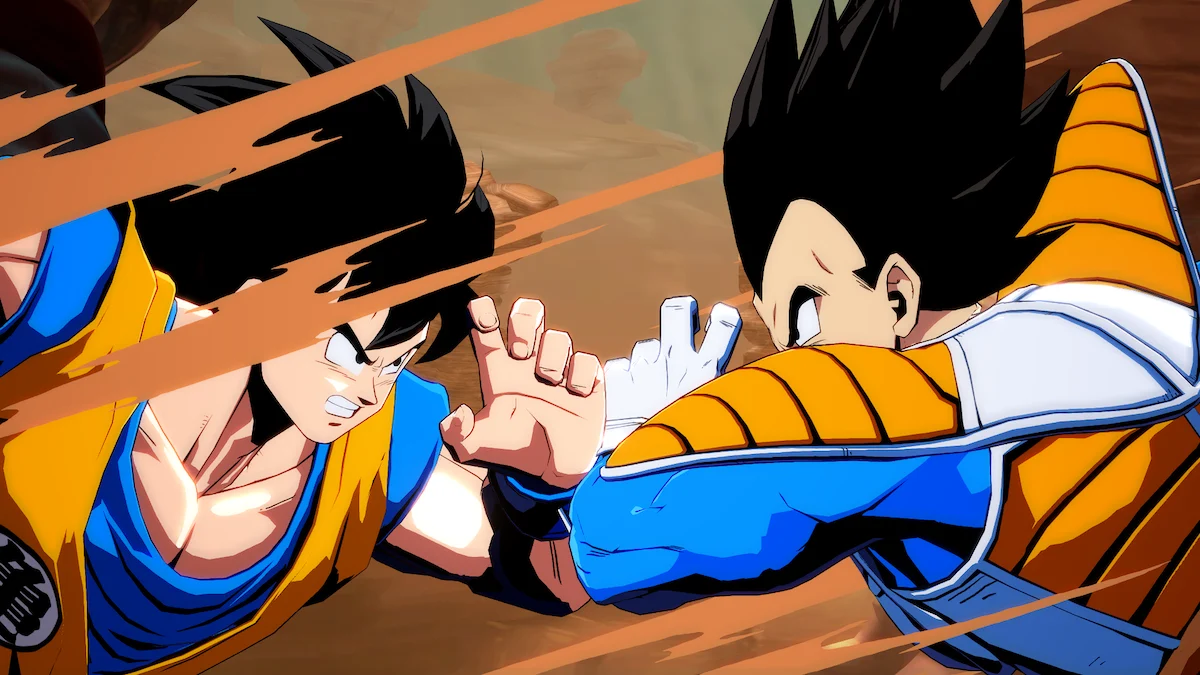
A widespread digital distribution anomaly has allowed numerous Xbox gamers to permanently acquire the critically acclaimed fighting game Dragon Ball FighterZ for free, leveraging what appears to be an unintentional loophole tied to Xbox Game Pass Free Play Days and the game’s cross-generation upgrade path. The situation has ignited considerable discussion within the gaming community, raising questions about digital storefront integrity, subscription service mechanics, and the potential implications for both platform holders and publishers.
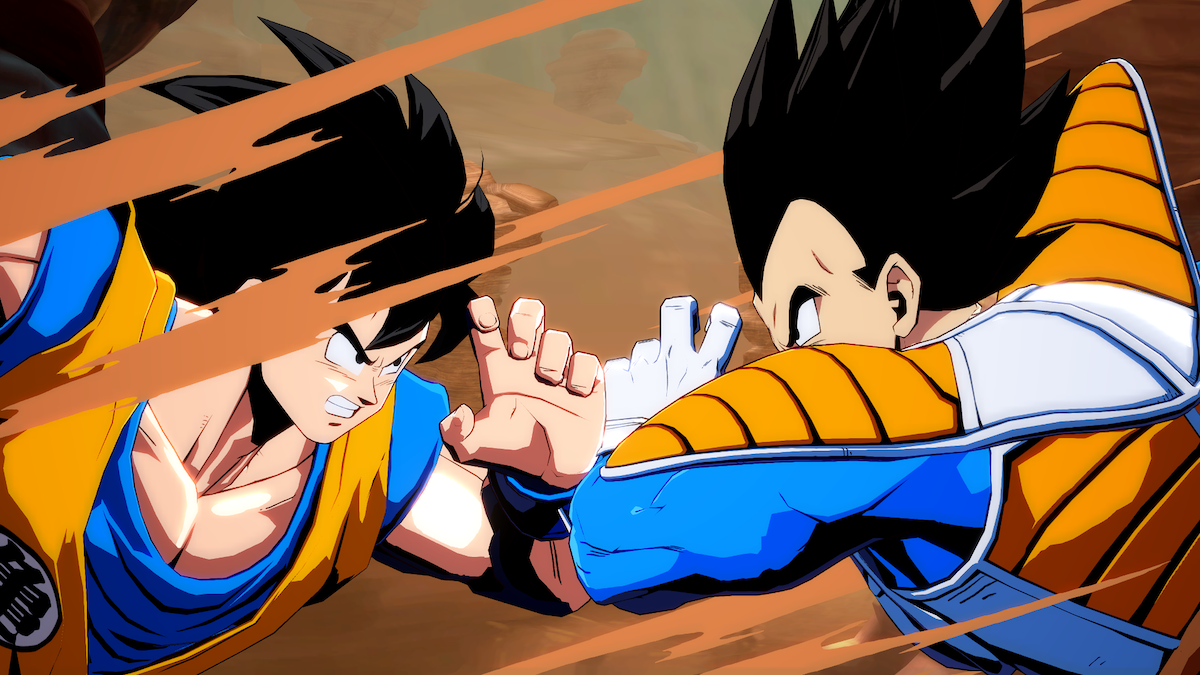
Dragon Ball FighterZ, developed by Arc System Works and published by Bandai Namco Entertainment, launched in January 2018 to significant critical and commercial success. Hailed for its stunning visual fidelity that meticulously recreates the iconic anime’s art style, its accessible yet deep combat mechanics, and its vibrant online community, the game quickly established itself as a cornerstone of the modern fighting game genre. It garnered widespread praise, achieving aggregated review scores often in the high 80s and low 90s on Metacritic across various platforms, and has sold millions of copies worldwide since its release. Its competitive scene has remained robust, featured prominently in major esports tournaments, further solidifying its status as a premier fighting game title.
The Genesis of the Loophole: Free Play Days and Cross-Gen Upgrades
The apparent exploit hinges on a specific confluence of Xbox services and game features. Microsoft’s Xbox Game Pass subscription service, which boasts over 30 million subscribers globally, regularly offers "Free Play Days" promotions. These promotions typically provide Game Pass subscribers with temporary, limited-time access to full versions of select games, allowing them to try titles before purchasing. During the period leading up to March 2, 2025, Dragon Ball FighterZ was included in this Free Play Days lineup, offering the Xbox One version to active Game Pass members.
The core of the loophole manifests when players launch the Xbox One version of Dragon Ball FighterZ obtained through Free Play Days. Upon starting the game, users are presented with an in-game menu prompt offering an "upgrade" to the Xbox Series X|S version. This is a common feature for titles that have received next-generation enhancements, often leveraging Microsoft’s "Smart Delivery" system, which ensures players always get the best available version of a game they own for their console. However, in this particular scenario, players were not required to own the game outright; their access was merely temporary through Free Play Days.
Selecting the upgrade option from within the game’s menu appears to trigger a permanent license acquisition process within the Xbox digital storefront. Instead of simply upgrading a previously purchased title, the system reportedly registers both the Xbox One and Xbox Series X|S versions of Dragon Ball FighterZ as permanently owned by the player, adding them to their digital game library. This effectively bypasses the traditional purchase requirement, granting indefinite access to a title that was only meant to be a limited-time trial.
Discovery and Dissemination: The Role of Online Deal Aggregators
The workaround first gained widespread attention through the vigilant reporting of Twitter user @Wario64, an account renowned for identifying and sharing video game deals, sales, and glitches. On [Date of Wario64’s post – if known, otherwise infer ‘recently’], @Wario64 posted details of the discovered method, quickly drawing thousands of retweets and comments. Initially, the validity of the exploit was met with a degree of skepticism in the replies, with some users reporting that the method did not work for them. However, as more gamers attempted and successfully replicated the steps, the authenticity of the loophole was widely confirmed by the community.
The rapid dissemination of such information highlights the significant influence of online communities and deal aggregators in the modern gaming landscape. These platforms serve as vital hubs for consumers seeking value, but also inadvertently become channels for the rapid spread of exploits or unintended functionalities within digital ecosystems.
The Broader Context: Xbox Game Pass and Digital Rights Management
This incident occurs within a dynamic period for digital game distribution and subscription services. Xbox Game Pass has been a transformative force in the industry, offering a vast library of games for a monthly fee, including first-party titles on day one. Its success relies heavily on a carefully managed economic model that balances subscriber acquisition with publisher revenue. Free Play Days are a key part of this strategy, designed to entice players to eventually purchase titles they enjoy. The Dragon Ball FighterZ loophole potentially disrupts this model.
The core issue appears to stem from how the Xbox digital rights management (DRM) system processes cross-generation upgrades in the context of temporary licenses. Ordinarily, Smart Delivery or a similar upgrade path would verify ownership before granting a permanent license to the enhanced version. The fact that a temporary Free Play Days license seemingly allowed for permanent ownership suggests a lapse in this verification process, or an unforeseen interaction between different components of the Xbox ecosystem.
Lack of Official Acknowledgment and Inferred Industry Reactions
As of [Current Date], neither Microsoft, the developer Arc System Works, nor the publisher Bandai Namco Entertainment has issued an official statement acknowledging the exploit. This silence, while not uncommon in the immediate aftermath of such discoveries, fuels speculation regarding the internal deliberations currently underway.
- Microsoft/Xbox: For Microsoft, the situation presents a delicate balance. On one hand, allowing widespread free acquisition of a premium title could be seen as undermining the value of Game Pass and digital sales. It could also set an undesirable precedent for future Free Play Days promotions. On the other hand, revoking access from players who legitimately followed on-screen prompts could lead to negative public relations and erode consumer trust. Internally, teams are likely assessing the technical root cause, the scale of the exploit (how many users successfully acquired the game), and the potential financial impact. A swift, silent patch to prevent further exploitation is probable, followed by a decision on whether to revoke existing licenses.
- Arc System Works/Bandai Namco: For the developer and publisher, the primary concern would be potential lost revenue. While Dragon Ball FighterZ has been out for several years, it remains a strong seller, particularly with its frequent sales and continued updates. Every "free" acquisition through this loophole represents a potential lost sale. They would likely be in discussions with Microsoft to understand the situation and explore potential remedies or compensations, especially if the exploit significantly impacts their projected sales figures for the title. The integrity of their intellectual property’s distribution is also at stake.
Implications and Future Outlook
The implications of this Dragon Ball FighterZ loophole are multi-faceted:
- Financial Impact: While difficult to quantify without official data, if a significant number of players acquired the game for free, it could represent a measurable loss in potential sales for Bandai Namco and Arc System Works.
- Digital Rights Management and Security: The incident highlights potential vulnerabilities in complex digital distribution systems. It underscores the ongoing challenge of ensuring robust DRM across various platforms, subscription models, and cross-generation upgrade paths. This could prompt a review of how Free Play Days interact with permanent license grants.
- Consumer Trust and Expectations: Players who successfully obtained the game are currently enjoying it, but face uncertainty about whether their access will be revoked. Any mass revocation could lead to user dissatisfaction, while allowing it to stand might encourage future exploitation of similar loopholes. This creates a challenging public relations scenario for Microsoft.
- Precedent for Free Play Days: The incident may lead Microsoft to implement stricter controls or re-evaluate the technical implementation of future Free Play Days promotions, particularly for games with cross-gen upgrade options.
- Community Dynamics: The event sparks discussions about the ethics of exploiting such loopholes. While many see it as a legitimate "find" within the system, others argue it undermines the developers and publishers.
The immediate deadline for the Dragon Ball FighterZ Free Play Days promotion is March 2 at 11:59 pm PST. This date is critical, as it marks the end of the temporary access period. What transpires after this point will likely dictate the resolution of the situation. Microsoft could silently patch the loophole and allow existing "free" copies to remain, or it could issue a mass revocation of licenses. The former would be a goodwill gesture but potentially set a risky precedent, while the latter could spark significant backlash.
Ultimately, the Dragon Ball FighterZ Free Play Days loophole serves as a fascinating case study in the complexities of modern digital game distribution. It underscores the intricate interplay between platform holders, publishers, developers, and the eager gaming community, all operating within an increasingly sophisticated, yet occasionally fallible, digital ecosystem. The gaming world now watches to see how one of its biggest platform providers will address an unintended gift that has delighted many, but also exposed a curious flaw in its digital infrastructure.