


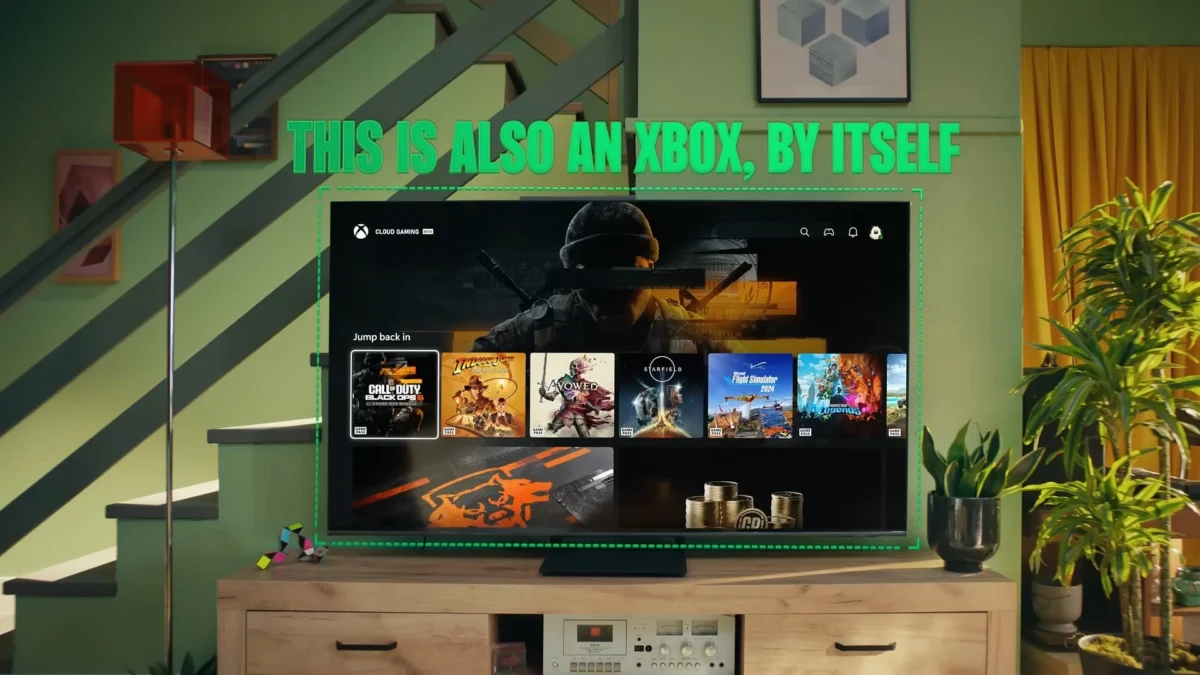
The confirmation comes after several days of industry speculation regarding the sudden disappearance of the marketing materials. In a concise statement provided to Windows Central, a Microsoft representative explained that the campaign was nixed because it "didn’t feel like Xbox." The spokesperson further elaborated that Sharma is currently "personally leading a reset of how we show up as a brand," suggesting a broader overhaul of Microsoft’s gaming identity is underway.
Background and Evolution of the This is an Xbox Strategy
The "This is an Xbox" campaign was first launched in November 2024. At its inception, the initiative was viewed as the culmination of Microsoft’s long-standing "Xbox Everywhere" philosophy. The marketing materials featured a variety of electronic devices—including smartphones, laptops, smart TVs, and handheld gaming PCs—each labeled with the caption "This is an Xbox." The underlying message was clear: Xbox was no longer a specific piece of hardware sitting under a television, but rather a digital service accessible across a multitude of screens via Xbox Game Pass and cloud streaming technology.
During the height of the campaign, Microsoft invested heavily in global out-of-home advertising. High-profile digital billboards in major metropolitan areas like London, New York, and Tokyo showcased non-console devices running Microsoft-published titles such as Halo and Forza. The campaign also extended to social media platforms, utilizing a "bento box" visual style to categorize different hardware as part of the Xbox family.
While the strategy was designed to broaden the brand’s reach beyond the traditional console market—where Microsoft has historically trailed behind competitors Sony and Nintendo—it was met with immediate and sustained pushback from the core Xbox community. Many long-term supporters expressed concern that the campaign devalued the physical Xbox console, leading to fears that Microsoft intended to exit the hardware business entirely.
The Role of Asha Sharma in the Brand Reset
The retirement of the campaign coincides with the rising influence of Asha Sharma within the Microsoft Gaming executive team. Sharma, who joined Microsoft with a background in high-level product roles at companies such as Meta and Instacart, was tasked with refining the consumer experience and brand positioning for the gaming division.
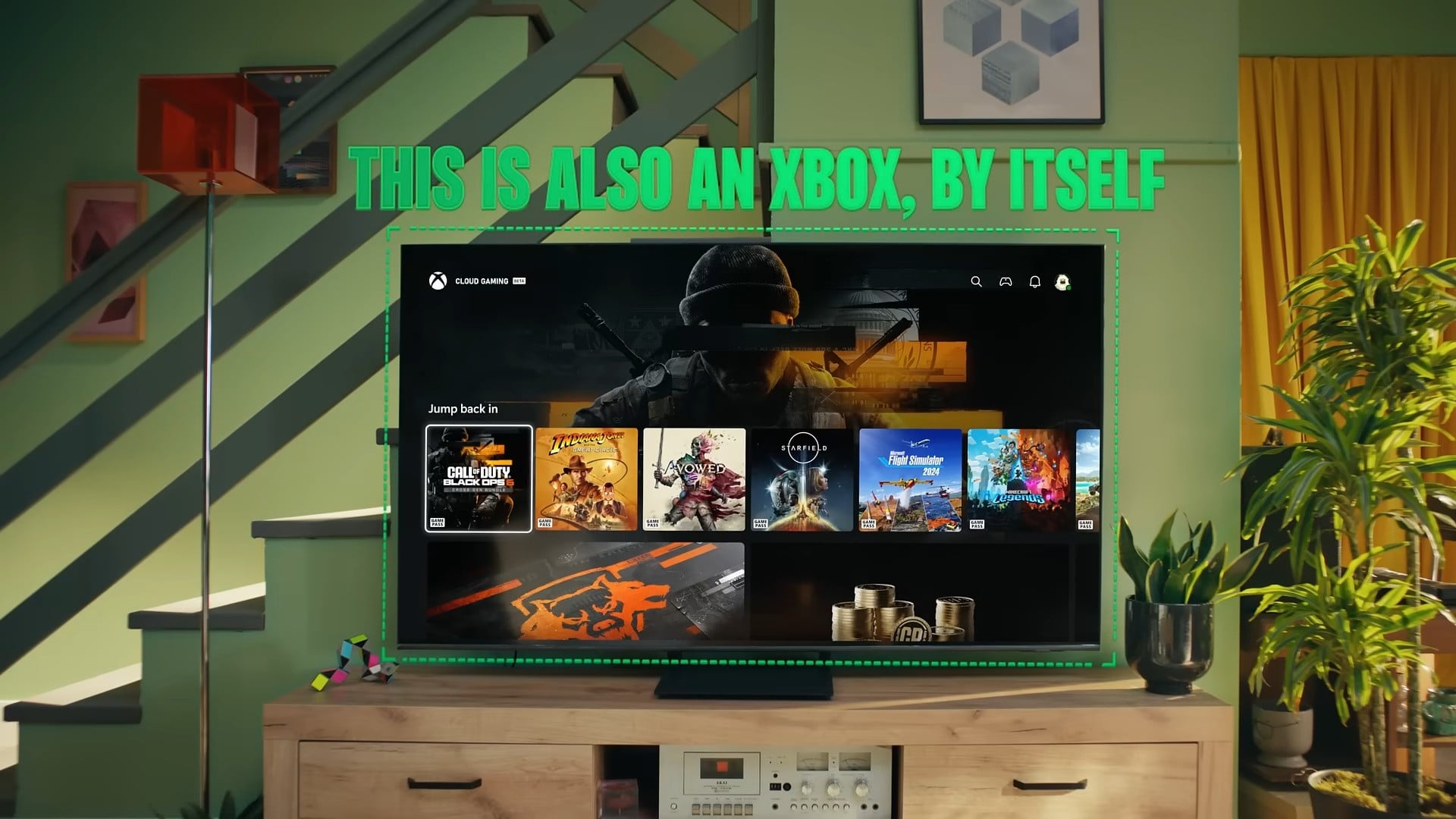
Industry analysts suggest that Sharma’s "reset" is a response to internal data indicating that the platform-agnostic messaging was failing to resonate with the primary consumer base. While the "Everything is an Xbox" approach aimed for inclusivity, it reportedly diluted the brand’s prestige. By stating that the previous campaign "didn’t feel like Xbox," Microsoft leadership is signaling a return to a more traditional, hardware-centric, or "prestige" identity that honors the legacy of the console while still maintaining the growth of its subscription services.
Chronology of the Campaign and Its Eventual Demise
The timeline of the "This is an Xbox" campaign reflects a turbulent period for Microsoft’s gaming division:
- November 2024: The campaign officially debuts across digital and physical media. Microsoft emphasizes that "you don’t need an Xbox to play Xbox."
- Early 2025: Microsoft expands the campaign to include partnerships with TV manufacturers like Samsung and Amazon (for Fire TV), pushing the narrative of a "console-less" future.
- Mid-2025: Rumors of a "Next-Gen" Xbox handheld and a high-powered home console begin to circulate, creating a disconnect between the "no hardware needed" marketing and the reality of hardware development.
- Late 2025: Community sentiment reaches a low point as hardware sales for the Xbox Series X and Series S continue to stagnate compared to the PlayStation 5. Critics argue the marketing is confusing potential buyers.
- March 2026: Reports emerge that Asha Sharma has directed teams to "scrub" the campaign from future rotations.
- Current Date: Microsoft issues a formal statement confirming the campaign’s retirement and the beginning of a brand reset.
Supporting Data and Market Context
The decision to pivot occurs against a backdrop of complex market dynamics. According to various third-party market research firms, the Xbox Series X/S has maintained a steady but distant third place in the console hardware race. Estimates suggest a global install base ratio of roughly 3-to-1 in favor of the PlayStation 5 in certain territories.
Furthermore, while Xbox Game Pass remains a dominant force in the subscription market, the growth of the service on PC and cloud has not fully offset the slower-than-expected hardware adoption. The "This is an Xbox" campaign was an attempt to bypass the "console war" by redefining the terms of engagement. However, marketing data reportedly showed that consumers still associate the word "Xbox" primarily with a physical console. When that association was challenged by the marketing, it created brand confusion rather than brand expansion.
Financial analysts note that Microsoft’s acquisition of Activision Blizzard for $69 billion has put increased pressure on the gaming division to deliver consistent returns. A brand identity that "doesn’t feel like Xbox" is a liability in a market where brand loyalty is a primary driver of high-margin software sales and long-term ecosystem retention.
Broader Implications for the Future of Xbox
The retirement of the "This is an Xbox" campaign has profound implications for Microsoft’s future hardware and software strategy. The term "reset" implies that the company is looking for a middle ground—one that respects the traditional console owner while still promoting its multi-platform ecosystem.

- Renewed Hardware Focus: The brand reset likely signals that Microsoft will lean back into marketing the physical console as the "premium" or "definitive" way to experience the Xbox ecosystem. This aligns with recent executive comments promising the "largest technical leap" in console history for the next hardware generation.
- Refined Cloud Messaging: While Microsoft is unlikely to abandon cloud gaming or PC support, the messaging will likely shift. Instead of saying "Your TV is an Xbox," future marketing may position the TV and mobile apps as "Xbox on the Go" or "The Xbox Companion," reinforcing the console as the central hub of the brand.
- Community Re-engagement: By acknowledging that the previous campaign failed to capture the essence of the brand, Microsoft is attempting to mend its relationship with its most vocal fans. The "reset" is an olive branch to those who felt alienated by the push toward a hardware-agnostic future.
Official Responses and Industry Reaction
The reaction to Microsoft’s confirmation has been largely positive within gaming enthusiast circles. On social media platforms and gaming forums, users have praised the decision to move away from what many termed "confusing" and "uninspired" marketing.
Industry veterans have also weighed in on the shift. "Branding is about identity and aspiration," noted one marketing consultant specializing in the interactive entertainment sector. "When you tell a consumer that ‘everything’ is your product, you run the risk of telling them that ‘nothing’ is special about your product. Microsoft’s decision to reset suggests they realized they were losing the emotional connection that defines successful gaming brands like Nintendo or PlayStation."
While Microsoft has not yet unveiled the new visual identity or tagline that will replace "This is an Xbox," the company is expected to debut its new brand direction during the major summer gaming showcases. This upcoming reveal will be a critical moment for Asha Sharma and the broader Xbox leadership team, as they attempt to define what "Xbox" means in an increasingly fragmented digital landscape.
As Microsoft moves forward, the "This is an Xbox" campaign will likely be remembered as a bold, albeit flawed, experiment in platform-agnostic branding. The company’s swift admission that the campaign did not meet its internal standards for brand identity reflects a new level of agility under Sharma’s direction—a necessity as the gaming industry continues to evolve at a rapid pace. For now, the "reset" is underway, and the industry watches closely to see how the next chapter of the Xbox story will be written.