


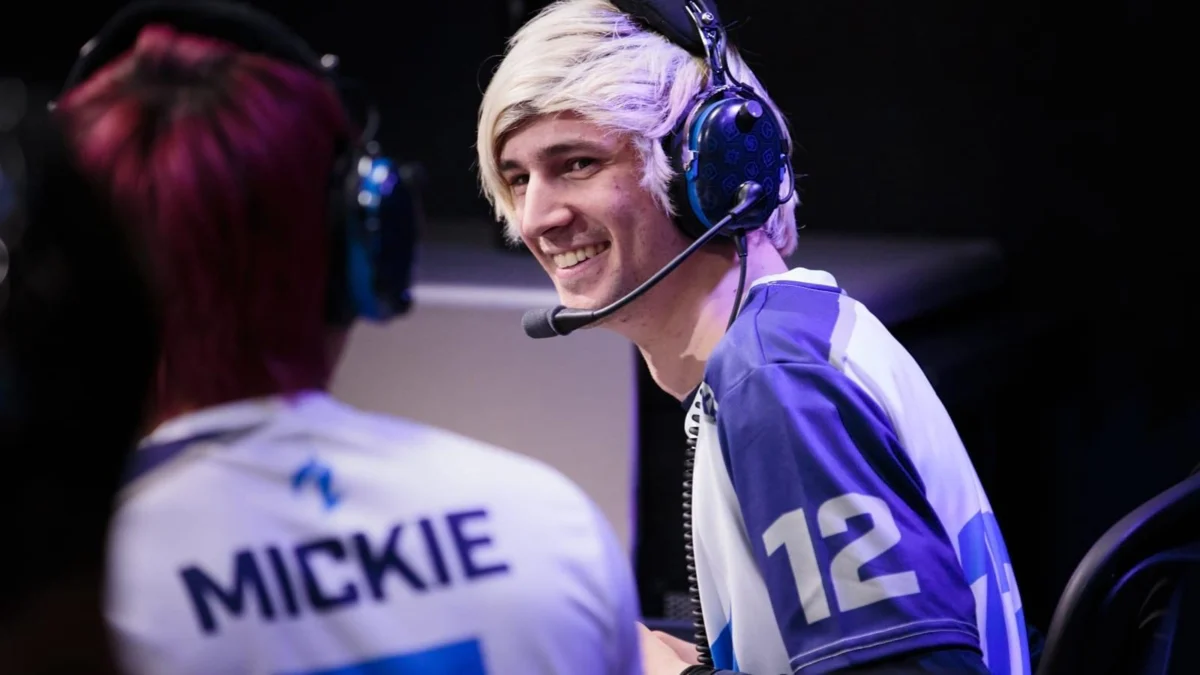
Before Felix "xQc" Lengyel ascended to the zenith of global streaming, he harbored a genuine fear that his professional aspirations might have been extinguished before they could truly ignite. The pivotal moment, a career-altering ban from the inaugural Overwatch League (OWL) season in 2018, initially felt like a devastating blow, but in retrospect, proved to be the unlikely catalyst for his unprecedented rise to digital entertainment superstardom.
In 2018, xQc was a burgeoning talent in the competitive Overwatch scene, recognized for his exceptional skill and charismatic personality. His entry into the Overwatch League with the Dallas Fuel marked the culmination of a significant ambition for many aspiring esports professionals. The OWL, at its inception, represented the pinnacle of professional Overwatch, a meticulously crafted ecosystem designed to elevate the game to mainstream sports recognition. For Lengyel, joining the Dallas Fuel was not merely a career move; it was an embodiment of his dedication and potential within the burgeoning esports landscape.
However, this promising trajectory was dramatically interrupted. Merely weeks into the league’s turbulent inaugural season, Lengyel found himself embroiled in controversy, leading to two separate suspensions. The second, more severe, suspension resulted in his immediate release from the Dallas Fuel. Lengyel has since articulated that this decision was not solely an internal team matter, but rather one influenced by pressure exerted by the Overwatch League itself. While this severance from the OWL stage would, in time, paradoxically fuel his ascent to unparalleled fame, at the moment of his dismissal, it instilled a profound sense of finality, a conviction that he had irrevocably jeopardized his future career prospects.

The Shadow of the Ban: Fear, Frustration, and a Glimmer of Excitement
In an exclusive interview with Dexerto, xQc elaborated on the profound impact of this period. At the time, Overwatch was his singular focus, the very bedrock of his professional identity. Being expelled from the nascent and highly publicized OWL ecosystem felt akin to an instantaneous forfeiture of his credibility. "I didn’t know what I was going to do," Lengyel confessed to Dexerto, his voice carrying the weight of that past uncertainty. "I genuinely thought I was done for. I thought that was going to be the end of my career pretty much." This sentiment underscores the immense pressure and the perceived finality of his situation. The OWL’s structure and its role as the ultimate proving ground meant that expulsion was viewed by many as an insurmountable career obstacle.
The initial aftermath was characterized by a stark realization of his precarious position. While he engaged in discussions with league and team management, the prevailing sentiment was that his tenure was over. "I was almost excited," he recalled, a peculiar duality emerging in his recollection. "It’s a very weird self-destructive feeling that I sometimes will enjoy. I’m forced into a spot that’s very dangerous, but it’s exhilarating." This paradoxical emotion highlights a complex psychological response to extreme adversity. The danger was palpable, the path forward obscured, yet within that uncertainty, a strange sense of liberation and opportunity began to take root. He likened the predicament to standing on the precipice of a cliff; the immediate future was uncertain, but the potential for a dramatic, unforeseen landing was also present. This mental framing was crucial in transforming a career-ending event into a springboard for reinvention.
The Post-OWL Stream: A Turning Point in Content Creation
The immediate fallout from his OWL dismissal saw Lengyel return to streaming, a platform that had already garnered him a significant following. His next broadcast, following the controversy, was an extraordinary success. Fans, intrigued by the drama and eager to witness his next move, tuned in in massive numbers. This surge in viewership, while temporary, served as a critical validation. Lengyel recognized that this heightened attention was a fleeting consequence of the controversy. "I knew that things would fall off from that height because it’s a big ban moment, right? Everybody wants to see what he’s going to do next. I knew that I was at a crossroads where that big stream that I just did is going to be who I am now." This foresight demonstrated a keen understanding of audience dynamics and the ephemeral nature of controversy-driven engagement.
Instead of attempting to artificially sustain the inflated viewership, Lengyel made a conscious decision to focus on rebuilding and experimenting. This period was instrumental in shaping his content strategy and solidifying his unique brand of entertainment. A significant factor in this rebuilding phase was his collaboration with fellow streamer M0xyy. Their dynamic and shared confidence provided Lengyel with the assurance to explore diverse content avenues, even when the outcomes were uncertain. "When I was with M0xyy, it didn’t matter if we failed. It didn’t matter if we were doing good because we’re together, right? And it sounds a little bit corny, but we had such confidence in our cohesion that we could play a game that nobody wanted to watch, and people would want to watch." This symbiotic relationship fostered an environment of creative freedom, where the focus shifted from immediate viewership numbers to the intrinsic enjoyment and shared experience of their content.

This era compelled Lengyel to prove his viability and appeal beyond the confines of professional Overwatch. The content produced during this time was not always polished or consistently high-performing in traditional metrics, but it resonated with a segment of the audience that valued authenticity and the raw energy of their interactions. "We needed to show we can do something else. And that something else was sometimes complete garbage. But it mattered to some people. And if you do that thing that is good for some people every day, it’ll be good for a lot of people to the point where at one point variety is something that a lot of people care about." This strategic embrace of variety, coupled with an unwavering commitment to his audience, began to cultivate a loyal and engaged fanbase that transcended specific game titles.
From Esports Prodigy to Digital Mogul: The Long-Term Impact
The narrative of xQc’s career is a compelling case study in resilience and adaptability within the rapidly evolving digital landscape. What began as a promising career in professional esports, a path often characterized by intense competition and a finite lifespan, was abruptly rerouted by a significant professional setback. The ban from the Overwatch League, a decision that carried immense weight and perceived finality within the esports community of 2018, served as an unintended liberation. It forced Lengyel to pivot, to explore the burgeoning potential of live streaming as a primary career, and to cultivate a personal brand that was less reliant on the stringent structures of professional leagues.
The implications of this shift were profound. By embracing the unpredictability of streaming and focusing on authentic engagement with his audience, xQc built a platform that allowed for unparalleled creative control and direct interaction. This autonomy proved to be a critical advantage in the long run. While the Overwatch League continued its trajectory, with teams and players navigating its successes and challenges, xQc charted a new course. His ability to connect with millions of viewers through a diverse range of content, from gaming to candid discussions and comedic reactions, demonstrated a remarkable capacity for reinvention.
The esports industry, in its early stages, often viewed professional players as primarily skilled competitors within a specific game. The xQc saga, however, highlighted the emergence of a new archetype: the streamer-personality who could transcend a single game and build a massive following based on charisma, consistency, and a willingness to experiment. The financial success that followed, including the highly publicized $100 million deal to broadcast on Kick in 2023, stands as a testament to the immense value and reach of his streaming empire. This trajectory underscores a broader trend in digital entertainment, where individual creators have the potential to amass fortunes and influence rivaling traditional media conglomerates. The ban, therefore, was not an ending, but a dramatic, unforeseen beginning that redefined not only xQc’s career but also contributed to the evolving landscape of online content creation and digital celebrity.