


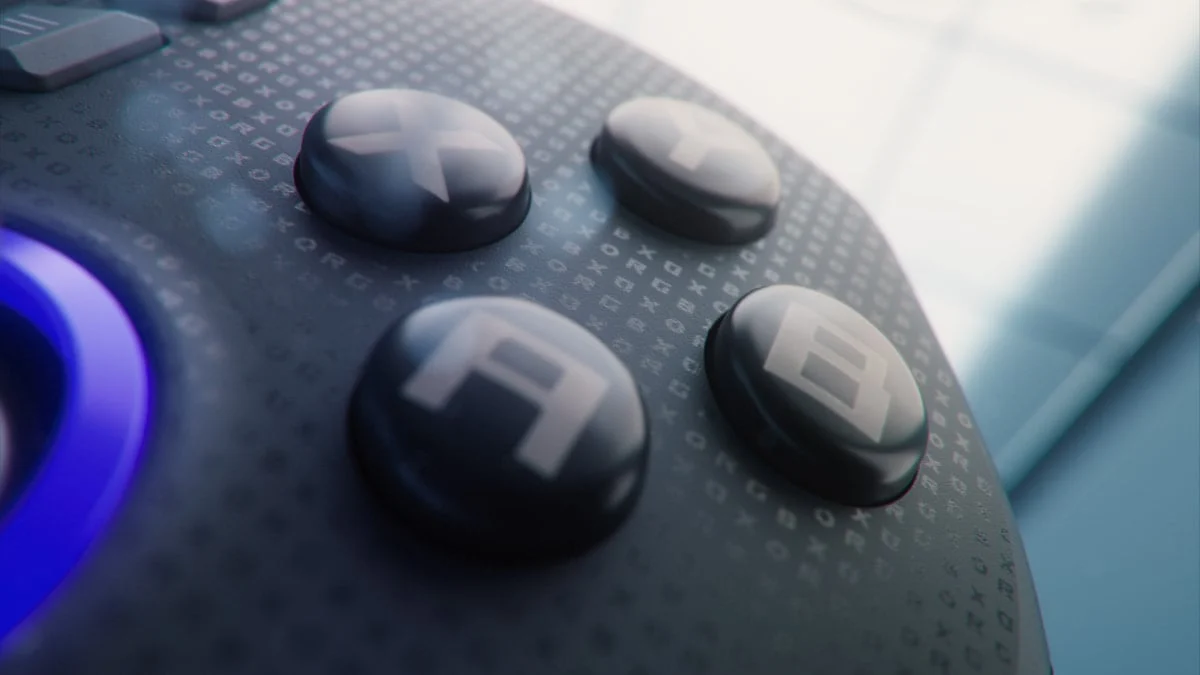
GDC 2026, SAN FRANCISCO – Xbox is poised to dramatically redefine the personal computing landscape for gamers with the upcoming rollout of "Xbox Mode," a console-like user interface that will be integrated into Windows 11 starting this April. This significant software initiative, revealed during a key panel at the Game Developers Conference (GDC) 2026, signals a strategic shift for the gaming giant, aiming to provide a seamless and familiar Xbox experience across a vast ecosystem of Windows devices, independent of dedicated Xbox hardware. While the next generation of Xbox console hardware is not anticipated to arrive before late 2027, Microsoft is prioritizing software advancements to immediately enhance the gaming experience for its PC player base.
The announcement came directly from Jason Ronald, Xbox’s Vice President of Next Generation, who emphasized the pivotal role the ROG Xbox Ally played in shaping this new direction. Launched in 2025, the handheld PC gaming device from ASUS, powered by Windows, served as a critical testing ground and a source of invaluable user feedback. Gamers who adopted the ROG Ally were among the first to experience Xbox’s evolving software innovations, particularly its proprietary "Xbox Mode." This overlay, designed to run atop the Windows operating system, effectively transforms the PC into a console-like gaming hub, offering a streamlined interface that prioritizes game access and management.
The Genesis of "Xbox Mode": Lessons from the ROG Xbox Ally
Ronald elaborated on the user experience with the ROG Xbox Ally, highlighting a key insight: "So even though the ROG Xbox Ally is powered by Windows under the covers, I never see Windows. I jump into a direct Xbox-first experience that allows me to see all of my games in my library." This direct quote underscores the success of the "Xbox Mode" in abstracting the underlying complexities of a traditional PC operating system, presenting users with an intuitive and focused gaming environment. The overwhelming positive reception to this console-like interface on a portable PC has directly informed Microsoft’s decision to broaden its availability.
The announcement that "Xbox Mode will be coming to Windows 11 in select markets starting in April" represents a significant expansion of Microsoft’s gaming software strategy. This move is expected to democratize the console gaming experience, making it accessible on a wider range of hardware and form factors beyond dedicated Xbox consoles. The implications for the broader PC gaming market are substantial, potentially reshaping how users interact with their game libraries and how developers approach cross-platform integration.
Enhancing the Windows Gaming Ecosystem
Beyond the immediate benefit of a more console-like interface, Xbox Mode will incorporate other advanced features pioneered on the ROG Xbox Ally. One such innovation is the Advanced Shader Delivery technology, designed to significantly reduce or eliminate the frustrating wait times often associated with shader compilation in modern, graphically intensive games. This technology, which optimizes the process of preparing graphical elements for display, promises to improve game loading times and overall performance, particularly on systems with less powerful hardware.
Ronald confirmed that the company is "leaning into" the feedback from ROG Xbox Ally users, a testament to their commitment to iterative development based on player input. This approach suggests a future where innovations tested on specialized hardware are systematically integrated into the broader Windows gaming ecosystem.
A Unified Gaming Library Experience
A key feature of the forthcoming "Xbox Mode" is its ability to aggregate games from various digital storefronts and platforms. This means that titles purchased from Steam, Epic Games Store, GOG, and other PC game retailers will be accessible and manageable within the unified Xbox Mode interface. This functionality mirrors the ambition of platforms like GOG Galaxy, which aim to create a centralized hub for a gamer’s entire library.

"Xbox Mode will also allow you to download and install games from other stores and platforms but doesn’t require you to actually ever leave the experience," Ronald explained. "It’s a gaming-focused mode that places your titles front and center." This approach aims to simplify game discovery and access, eliminating the need to navigate multiple application interfaces to launch a game. The integration of the most recently played titles on the front page further enhances this user-centric design, ensuring that players can quickly jump back into their favorite games.
Consistency and Familiarity Across Devices
The overarching goal of this software initiative is to deliver a "consistent experience" across all Windows devices. Ronald articulated this vision, stating, "What the team’s been doing behind the scenes is they’re doing a lot of work to really deliver a consistent experience. It feels very familiar, and it feels very distinctly Xbox, no matter where you are actually choosing to play." This commitment to a unified brand identity and user experience is a strategic imperative for Xbox as it navigates an increasingly fragmented gaming market.
The principle of seamless transition between devices is central to this strategy. "Because as a player, if I choose to move between screens, I shouldn’t have to learn new user interfaces just based on the screen that I’m on," Ronald added. This philosophy aims to remove friction for gamers, allowing them to enjoy their games with minimal disruption, whether they are playing on a desktop PC, a laptop, or a portable gaming device.
Project Helix and the Future of Xbox Hardware
The implications of this software push extend to the rumored "Project Helix," details of which were also partially unveiled during the GDC 2026 Xbox panel. While specific technical specifications for Project Helix remain under wraps, the current software strategy suggests a strong emphasis on a PC-based console architecture rather than a completely separate, proprietary platform. This approach aligns with trends observed in the industry, such as Valve’s ongoing development of its Steam Machine concept, aiming to establish a robust hardware and software ecosystem for PC gaming.
The next generation of Xbox console hardware is not expected to enter the alpha stage of development until 2027. This extended timeline provides ample opportunity for Microsoft to refine its software offerings and build anticipation for its future hardware releases. In the interim, the widespread adoption of "Xbox Mode" will serve as a crucial stepping stone, familiarizing a broader audience with the Xbox gaming experience on Windows devices.
Analysis of Implications and Market Impact
The strategic decision by Xbox to bring its console-like interface to Windows 11 has several significant implications:
- Democratization of Gaming Experience: By offering "Xbox Mode," Microsoft is effectively lowering the barrier to entry for a console-like gaming experience. Users who may not own an Xbox console can now access a familiar and streamlined interface on their existing Windows PCs, enhancing their gaming enjoyment.
- Strengthened Windows Gaming Ecosystem: This move is poised to bolster the appeal of Windows as a primary gaming platform. By integrating core Xbox functionalities directly into the operating system, Microsoft aims to create a more cohesive and competitive gaming environment, challenging other platforms and operating systems.
- Competitive Positioning: This initiative directly addresses the growing competition in the PC gaming space, particularly from platforms like Steam. By offering a curated and user-friendly interface, Xbox aims to capture a larger share of the PC gaming market and foster brand loyalty.
- Hardware Agnosticism: The focus on software rather than immediate hardware release demonstrates a shift towards a more flexible and adaptable gaming strategy. This approach allows Xbox to engage with a wider range of hardware manufacturers and cater to diverse consumer preferences.
- Future Hardware Integration: While the next console is some time away, the groundwork being laid with "Xbox Mode" suggests that future Xbox hardware will likely be deeply integrated with this software ecosystem, offering a seamless transition between dedicated consoles and PC gaming.
The introduction of "Xbox Mode" represents a bold step for Xbox, one that prioritizes user experience and ecosystem integration. As the gaming industry continues to evolve, Microsoft’s strategy of unifying the gaming experience across its Windows platform promises to reshape how players interact with their games and potentially redefine the future of console gaming. The coming months will be crucial in observing the rollout and adoption of this new feature, which could herald a new era of accessibility and consistency in PC gaming.