


The gaming landscape is undergoing a significant shift, marked by increasing costs for both hardware and subscription services. In a move that mirrors broader trends across the entertainment industry, Microsoft has announced substantial price adjustments for its popular Xbox Game Pass subscription, with the flagship Game Pass Ultimate tier now commanding a monthly fee of $30. This marks a notable increase, signaling a new era for the subscription service that has long been lauded for its value proposition.
The price hike, effective immediately, sees Game Pass Ultimate jump from its previous $19.99 per month to $29.99, resulting in an annual cost of $360. This substantial increase comes alongside a rebranding and restructuring of the entire Game Pass lineup, introducing new tiers designed to cater to different player needs and budgets. The move is positioned by Microsoft as a response to the escalating costs associated with developing and delivering high-quality gaming experiences, as well as the integration of new, premium content and features.
Evolution of Game Pass Tiers: A New Structure for Subscribers
Microsoft has streamlined its Game Pass offerings, transitioning from the previous Core, Standard, and Ultimate plans to a new structure comprising Essential, Premium, and Ultimate.
- Xbox Game Pass Essential: This tier replaces the former Core subscription, priced at $9.99 per month. It offers access to a curated library of console games and includes online multiplayer functionality.
- Xbox Game Pass Premium: Positioned as the successor to the Standard tier, Premium is set at $14.99 per month. This plan provides access to a broader selection of console and PC games, along with cloud gaming capabilities.
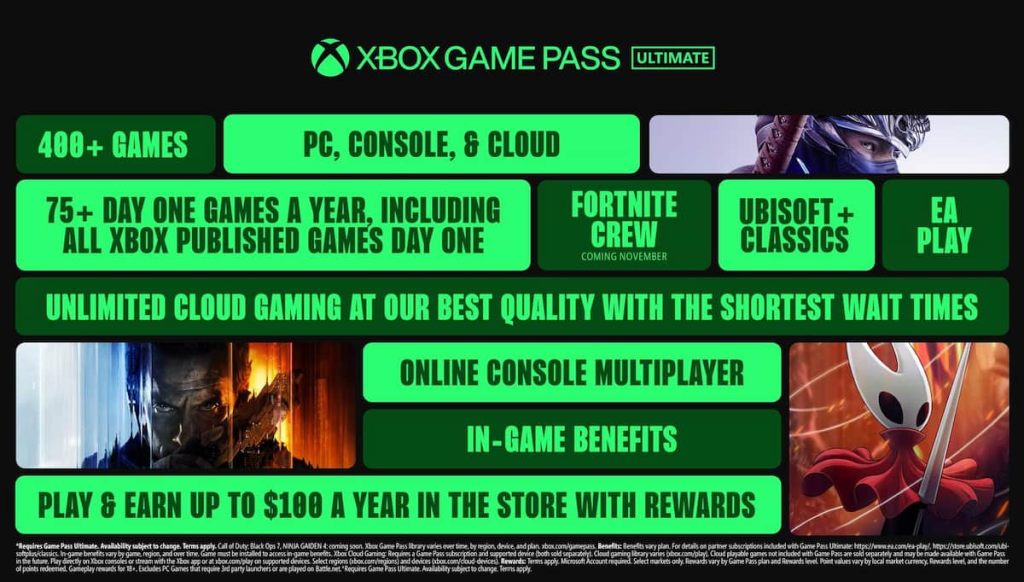
- Xbox Game Pass Ultimate: The most comprehensive tier, now priced at $30 per month, includes all benefits of Essential and Premium, plus access to a vast library of PC games, cloud gaming, EA Play, and additional exclusive perks.
The introduction of these new tiers and the significant price adjustment for Ultimate are part of Microsoft’s strategy to align the service’s cost with its expanding content library and the increasing investment in first-party game development. The company has highlighted the addition of new benefits to the Ultimate tier, including entitlements to Fortnite Crew and a Ubisoft+ subscription, in an effort to justify the elevated price point.
A Wider Industry Trend of Rising Subscription Costs
This price adjustment for Xbox Game Pass is not an isolated incident but rather a reflection of a pervasive trend across the digital entertainment sector. In recent years, major streaming services such as Netflix, Disney Plus, and Apple TV+ have all implemented price increases, citing rising production costs, the need to invest in exclusive content, and the overall economic climate.
The gaming industry, in particular, has witnessed a surge in the cost of new hardware. Notably, the Xbox Series X console recently saw its price increase to $800, further contributing to the perception of escalating expenses for consumers. This concurrent rise in both hardware and subscription service costs presents a significant financial consideration for gamers.
Microsoft’s Rationale and Added Value
In its official announcement, Microsoft emphasized its commitment to delivering exceptional value through Game Pass. The company pointed to the continuous expansion of the game library, the inclusion of day-one releases of first-party titles, and the integration of new services as key drivers for the price adjustment.
"We are constantly working to evolve Game Pass and deliver an exceptional gaming experience to our members," stated a Microsoft spokesperson in a press release. "This updated pricing reflects the growing value of the service, including the expansion of our content library with new games, the addition of new premium benefits, and our ongoing investment in the platform."
The inclusion of Fortnite Crew, which offers in-game currency and cosmetic items for the popular battle royale game, and a Ubisoft+ subscription, granting access to a catalog of Ubisoft titles, are presented as significant enhancements to the Ultimate tier. These additions aim to broaden the appeal of Game Pass beyond its core Xbox and PC gaming audience, incorporating popular third-party franchises and subscription services.
Player Reception and Market Analysis
The announcement of the price increase has been met with mixed reactions from the gaming community. While some acknowledge the evolving costs of game development and the value proposition of Game Pass, particularly for those who play a high volume of games, a significant portion of players have expressed concerns regarding the substantial jump in price.
Social media platforms have seen considerable discussion, with many users questioning the affordability of Game Pass Ultimate at $30 per month. The perception of diminishing value for some, especially those who find it challenging to dedicate enough time to play through the extensive library of available titles, is a recurring theme. The annual cost of $360 now places Game Pass Ultimate in direct competition with purchasing individual games, leading some consumers to re-evaluate their subscription choices.
Industry analysts suggest that Microsoft’s strategy with this price adjustment is multifaceted. On one hand, it aims to recoup increased operational costs and fund future content development, particularly for its first-party studios. On the other hand, the tiered structure allows for greater market segmentation, potentially attracting a wider range of consumers with the more affordable Essential and Premium options, while still maximizing revenue from its most engaged user base with the Ultimate tier.
The Long-Term Implications for Game Pass and the Industry
The future success of Game Pass Ultimate at its new price point will depend on Microsoft’s ability to consistently deliver on its promise of value. The ongoing inclusion of high-profile new releases on day one remains a significant draw, but the increasing cost necessitates a careful balance between content quantity and quality, alongside subscriber acquisition and retention.
The broader implication for the gaming industry is a continued trend towards subscription-based models and the normalization of higher price points for premium services. As the costs of game development continue to escalate, with many AAA titles now exceeding $200 million in development budgets, publishers are exploring various revenue streams to ensure profitability. This may lead to further price adjustments for other subscription services and a potential shift in consumer purchasing habits, with a greater emphasis on subscription value and curated content.
For players, the decision to maintain or cancel their Game Pass subscriptions will likely become more personalized. Those who heavily utilize the service, exploring a wide array of games and taking advantage of day-one releases, may find the $30 monthly fee still justifiable. However, for more casual gamers or those with limited gaming time, the cost-benefit analysis may lean towards purchasing individual titles or opting for lower-tier subscription plans.
The transition to the new Game Pass tiers and the associated price increase marks a pivotal moment for Xbox’s subscription service. As the industry continues to evolve, Microsoft’s strategic decisions with Game Pass will undoubtedly be closely watched by competitors, developers, and consumers alike, shaping the future of how games are accessed and consumed. The company’s success in navigating this new pricing structure will be a key indicator of its long-term strategy in the competitive gaming market.