


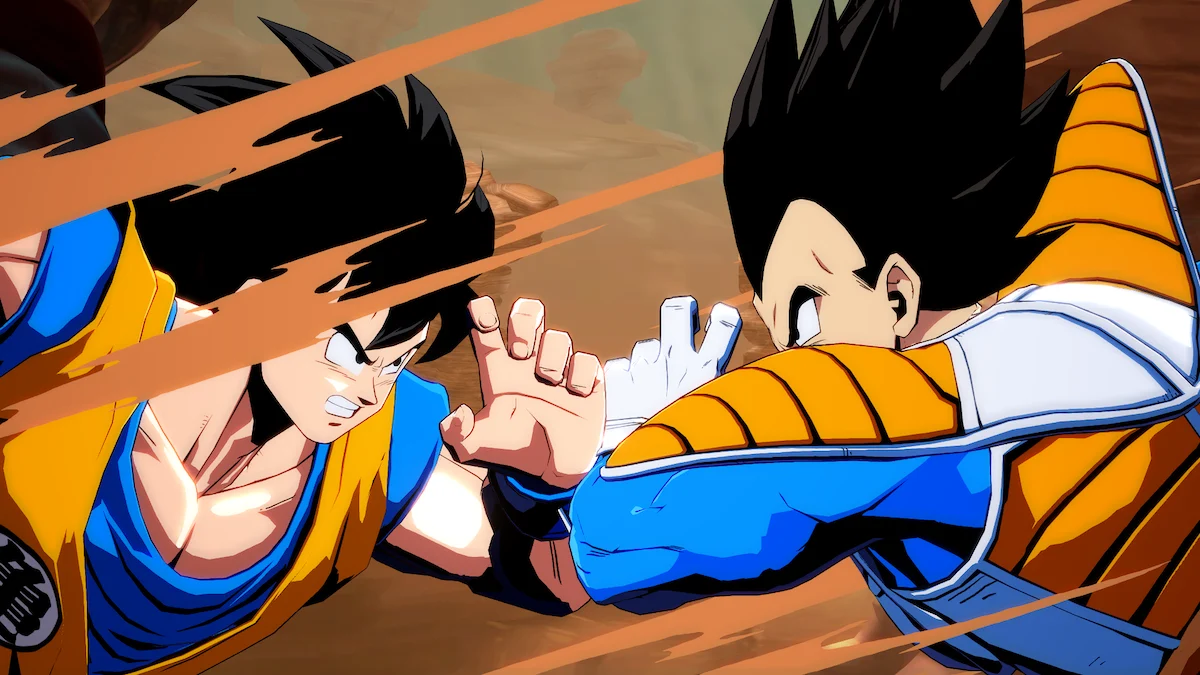
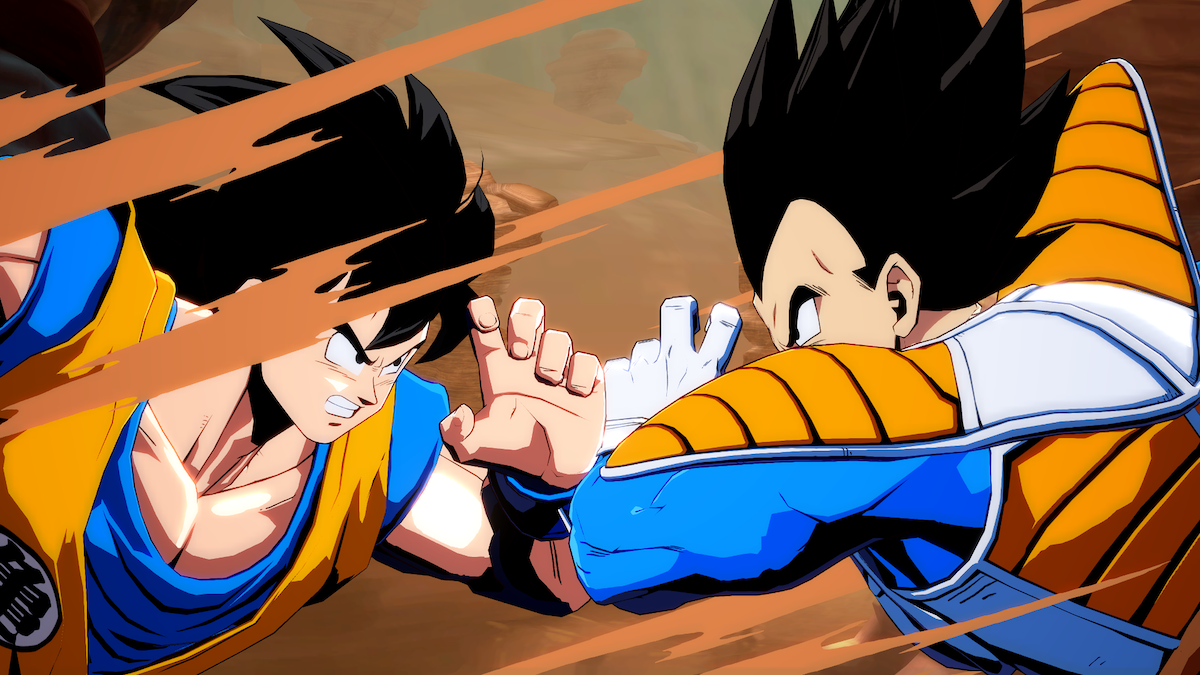
The critically acclaimed fighting game, Dragon Ball FighterZ, developed by Arc System Works and published by Bandai Namco Entertainment, is currently being acquired by a significant number of players for free through what appears to be an unintentional exploit tied to Xbox’s “Free Play Days” promotion and the console’s Smart Delivery system. This unexpected development has sparked considerable discussion within the gaming community, raising questions about digital rights management, the robustness of platform storefronts, and the potential financial ramifications for developers and publishers.
Understanding the Unintended Acquisition Mechanism
The loophole allowing players to permanently own Dragon Ball FighterZ without purchase is remarkably straightforward, yet it leverages multiple layers of Xbox’s digital ecosystem in an unforeseen manner. For active subscribers of Xbox Game Pass, the Xbox One version of Dragon Ball FighterZ was made available for temporary free download as part of the “Free Play Days” initiative. This promotion, designed to give players a taste of full games for a limited period—typically a weekend—often serves as a marketing tool to encourage full purchases.
The crucial step in this exploit occurs after launching the Xbox One version of the game. Within the game’s main menu, players are presented with an option to “upgrade” to the Xbox Series X|S version. This is ostensibly a feature designed to facilitate a seamless transition for players who already own the Xbox One version and wish to access the enhanced next-generation iteration, often leveraging Microsoft’s Smart Delivery system. However, in this specific instance, selecting the upgrade option appears to add both the Xbox One and the Xbox Series X|S versions of Dragon Ball FighterZ to the player’s permanent digital games library, overriding the temporary nature of the “Free Play Days” access. This means that even after the “Free Play Days” period concludes, these players retain full ownership and access to the game.
The Discovery and Rapid Dissemination
The existence of this workaround was brought to widespread public attention by Twitter user @Wario64, a prominent account renowned for identifying and sharing deals, sales, and often obscure discounts on video games. On a recent date, @Wario64 posted details of the exploit, quickly garnering significant attention from the gaming community.
Initially, the revelation was met with a degree of skepticism in the comments section of the post. Many users questioned the claim’s validity, citing past instances of unverified gaming "hacks" or simply finding it improbable that such a fundamental oversight could exist within a major platform’s digital storefront. Some gamers also reported initial difficulty in replicating the loophole, leading to further doubt. However, as more users successfully followed the steps and confirmed permanent ownership, the validity of the exploit became undeniable. The news spread rapidly across various social media platforms, gaming forums, and online communities, triggering a rush among Game Pass subscribers to acquire the game before the window of opportunity closed or the exploit was patched. This communal verification and rapid dissemination underscore the power of online communities in uncovering and sharing such advantageous, albeit unintended, opportunities.
Dragon Ball FighterZ: A Legacy of Acclaim and Commercial Success
To fully appreciate the significance of this unintended free acquisition, it is essential to understand the stature of Dragon Ball FighterZ within the gaming landscape. Launched in January 2018, the game was met with overwhelming critical acclaim. Review aggregators like Metacritic reflect this, with scores typically in the high 80s or low 90s, praising its stunning animation, faithful recreation of the Dragon Ball universe, accessible yet deep combat mechanics, and vibrant online multiplayer. Many critics hailed it as one of the best fighting games of its generation and a benchmark for anime-licensed titles.
Commercially, Dragon Ball FighterZ has been a resounding success. By late 2021, Bandai Namco announced that the game had sold over 8 million copies worldwide across all platforms, a remarkable achievement for a fighting game, a genre often considered niche compared to broader action-adventure or role-playing games. This success can be attributed to its broad appeal, attracting both long-time fighting game enthusiasts and casual fans of the Dragon Ball franchise who might have been new to the genre. The game also established a strong presence in the esports scene, becoming a staple at major fighting game tournaments such as EVO, further cementing its cultural and competitive impact. Its standard retail price typically ranges from $19.99 to $29.99 for the base game, with various editions and season passes adding significant value, making the acquisition of the full game for free a substantial saving for consumers.
The developer, Arc System Works, is renowned for its pedigree in the fighting game genre, having developed critically acclaimed series such as Guilty Gear and BlazBlue. Their expertise in crafting intricate, visually stunning, and mechanically deep fighting systems was fully evident in Dragon Ball FighterZ, contributing significantly to its widespread success and positive reception.
Xbox Game Pass and the Intent of "Free Play Days"
The context of Xbox Game Pass and its "Free Play Days" promotions is crucial to understanding how this loophole deviates from intended functionality. Xbox Game Pass is Microsoft’s flagship subscription service, offering subscribers access to a rotating catalog of hundreds of games for a monthly fee. It has been a monumental success, boasting over 30 million subscribers as of early 2023, and is widely regarded as a significant value proposition in the industry.
"Free Play Days" is a distinct feature often associated with Game Pass, but also available to Xbox Live Gold subscribers. Its primary purpose is to provide temporary, full access to select titles for a limited duration, typically a weekend. This serves multiple marketing objectives: it allows players to try a game before committing to a purchase, can reinvigorate interest in older titles, and potentially drive sales by converting temporary players into permanent owners, especially if the game is also on sale during the promotion. The expectation is that once the "Free Play Days" period ends, access to the game ceases unless a purchase is made.
Microsoft’s Smart Delivery system is also central to this narrative. Introduced with the Xbox Series X|S, Smart Delivery is designed to ensure that players always get the best version of a game they own, regardless of which Xbox console they are playing on. If a player buys an Xbox One game that supports Smart Delivery, they automatically receive the optimized Xbox Series X|S version for free when they upgrade their console, and vice-versa. The system is meant to be seamless and consumer-friendly, eliminating the need to buy the same game twice for different generations. The Dragon Ball FighterZ exploit, however, appears to misinterpret or misapply the ownership trigger within the Smart Delivery framework, mistakenly granting permanent ownership based on temporary access and an in-game upgrade prompt.
The Official Silence and Speculated Responses
As of the time of writing, neither Microsoft nor Arc System Works, nor publisher Bandai Namco Entertainment, has issued an official statement regarding the Dragon Ball FighterZ acquisition loophole. This silence, while perhaps strategic, is notable given the widespread nature of the exploit and the potential financial implications.
There are several plausible reasons for the lack of immediate public comment. Firstly, all involved parties may be conducting an internal investigation to fully understand the root cause of the exploit, assess its scope, and determine the most appropriate course of action. Rushing a statement without a clear understanding of the issue could lead to missteps or further complications. Secondly, with the “Free Play Days” access for Dragon Ball FighterZ slated to end on March 2nd at 11:59 pm PST, it is possible that Microsoft is waiting for this period to conclude before taking any public stance or implementing a fix. Addressing the loophole while the temporary access is still active could create further confusion or inadvertently encourage more users to exploit it.
Once the "Free Play Days" period has passed, several scenarios could unfold:
- A Quiet Fix: Microsoft could patch the underlying loophole without any public announcement, preventing future acquisitions through this method. Players who have already acquired the game might retain access, essentially making it a silent "giveaway." This approach minimizes negative publicity but acknowledges a revenue loss.
- Revocation of Licenses: A more drastic measure would be for Microsoft to revoke the licenses of players who acquired the game via the exploit. This would be technically feasible but could generate significant negative backlash from the community, especially from players who genuinely believed they were taking advantage of a legitimate, albeit unusual, offer. Such a move could harm consumer trust in digital ownership and Microsoft’s platform.
- Official Acknowledgment and Apology: Less likely, but possible, is an official statement acknowledging the error, apologizing for the oversight, and outlining a clear policy for affected users. This might involve allowing current owners to keep the game as a gesture of goodwill or offering a discounted purchase option for those who acquired it.
- No Action for Existing Owners: It’s conceivable that Microsoft and its partners might decide that retroactively revoking licenses is more trouble than it’s worth, given the potential PR fallout. They might choose to simply fix the loophole going forward and let existing "free" owners keep the game, treating it as an unexpected, limited-time promotion.
The decision will undoubtedly involve a delicate balance between protecting intellectual property rights and maintaining positive customer relations, especially within the highly competitive gaming ecosystem.
Broader Implications for Digital Rights Management and the Gaming Industry
The Dragon Ball FighterZ loophole highlights several critical issues within the evolving landscape of digital distribution and rights management in the video game industry.
- Revenue Impact: Each copy of Dragon Ball FighterZ acquired for free represents a lost sale for Bandai Namco Entertainment and Arc System Works. While the exact number of players who exploited the loophole is unknown, even a fraction of the Game Pass subscriber base could translate into significant lost revenue, especially for a game that has consistently sold well over several years. This incident underscores the financial vulnerability of digital storefronts to even seemingly minor technical oversights.
- Security of Digital Storefronts: The exploit raises questions about the robustness of the digital rights management (DRM) systems in place on major platforms like Xbox. If a temporary access mechanism can be so easily subverted into permanent ownership, it suggests potential vulnerabilities that could be exploited in other ways or with other titles. This may prompt platform holders to review and strengthen their DRM protocols and integration points, particularly concerning promotional access and generational upgrades.
- Future of "Free Play Days" and Smart Delivery: This incident could force Microsoft to re-evaluate how "Free Play Days" promotions interact with upgrade paths and Smart Delivery. They might implement stricter checks to ensure that only genuinely purchased titles are eligible for permanent upgrades, or they might limit the types of games offered in "Free Play Days" to those without direct upgrade options. This could potentially reduce the flexibility and generosity of future promotions.
- Consumer Behavior and Trust: The "get it while you can" mentality fueled by such exploits can create a sense of urgency among consumers, but it also blurs the lines between legitimate offers and technical loopholes. While many players will see this as a harmless win, it can erode trust in the integrity of digital purchases if licenses are retroactively revoked. Conversely, if no action is taken against those who exploited it, it might encourage future attempts to find similar loopholes.
- Developer and Publisher Responsibility: While the exploit appears to be on the platform side, it places developers and publishers in a difficult position. They rely on platforms to manage sales and licensing correctly. This incident could lead to more stringent contractual clauses with platform holders regarding the security of digital distribution.
The Clock is Ticking: What Happens Next?
The immediate future of this situation hinges on the conclusion of the Dragon Ball FighterZ "Free Play Days" promotion, scheduled for March 2nd at 11:59 pm PST. Once this deadline passes, the temporary access will cease for all users, and the true impact of the loophole will become clearer. It is at this point that Microsoft and its partners will likely make a definitive decision on how to proceed.
The gaming community will be closely watching for any official statements or changes in access for those who acquired the game for free. This incident serves as a unique case study in the complexities of modern digital game distribution, highlighting the constant tension between offering value to consumers through subscription services and promotions, and ensuring the integrity of intellectual property rights and revenue streams. The resolution of this Dragon Ball FighterZ loophole will undoubtedly set a precedent for how similar situations are handled in the future, influencing policies around digital ownership, promotional strategies, and platform security for years to come.